
Regional
US tells UN all options on table, Iran warns it will respond to any aggression
But on Thursday, Trump adopted a wait‑and‑see posture, saying he had been told that the killings were easing and that he believed there was no current plan for large-scale executions.

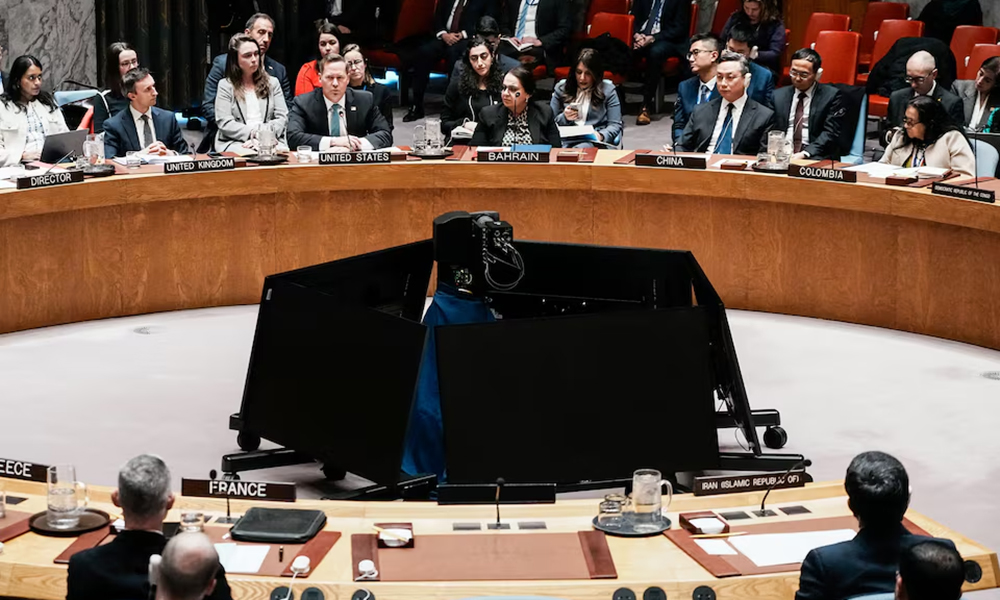
The United States stands by the “brave people of Iran,” and President Donald Trump “has made it clear all options are on the table to stop the slaughter,” U.S. Ambassador to the United Nations Mike Waltz told the U.N. Security Council on Thursday.
Trump has repeatedly threatened to intervene in support of protesters in Iran, where thousands of people have been reported killed in a crackdown on the protests against clerical rule, Reuters reported.
But on Thursday, Trump adopted a wait‑and‑see posture, saying he had been told that the killings were easing and that he believed there was no current plan for large-scale executions.
“President Trump is a man of action, not endless talk like we see at the United Nations. He has made it clear all options are on the table to stop the slaughter,” Waltz told the Security Council meeting, which Washington had requested.
Waltz dismissed allegations by Iran that the protests are “a foreign plot to give a precursor to military action.”
“Everyone in the world needs to know that the regime is weaker than ever before, and therefore is putting forward this lie because of the power of the Iranian people in the streets. They are afraid. They’re afraid of their own people,” Waltz said.
Iran’s Deputy U.N. Ambassador Gholamhossein Darzi said Iran does not seek escalation or confrontation and accused Waltz of resorting “to lies, distortion of facts, and a deliberate misinformation campaign to conceal his country’s direct involvement in steering unrest in Iran to violence.”
“However, any act of aggression – direct or indirect – will be met with a decisive, proportionate, and lawful response,” he told the Security Council. “This is not a threat; it is a statement of legal reality.”
Russia’s U.N. Ambassador Vassily Nebenzia accused the United States of convening the Security Council in a bid to “justify blatant aggression and interference in the internal affairs of a sovereign state” and threats to “solve the Iranian problem in its favorite way: through strikes aimed at overthrowing an undesirable regime.”
“We strongly urge the hot heads in Washington and other capitals … to come to their senses,” he said.
United Nations Secretary-General Antonio Guterres urges “maximum restraint at this sensitive moment and calls on all actors to refrain from any actions that could lead to further loss of life or ignite a wider regional escalation,” senior U.N. official Martha Pobee told the council.
“Loud and clear, again and again, we hear the Iranians lift their voices for a better life,” Denmark’s U.N. Ambassador Christina Markus Lassen told the Security Council. “For too long the leaders in Tehran have not heeded this call. The time has now come for the government of Iran to finally listen, to respond to the will of its people through peaceful means. We urge them to start today.”

Regional
Saudi defence pact countries push for peace in Tehran as Houthis launch more attacks
Saudi Arabia said the visit was intended to open negotiating channels to “prevent the return of military escalation”.
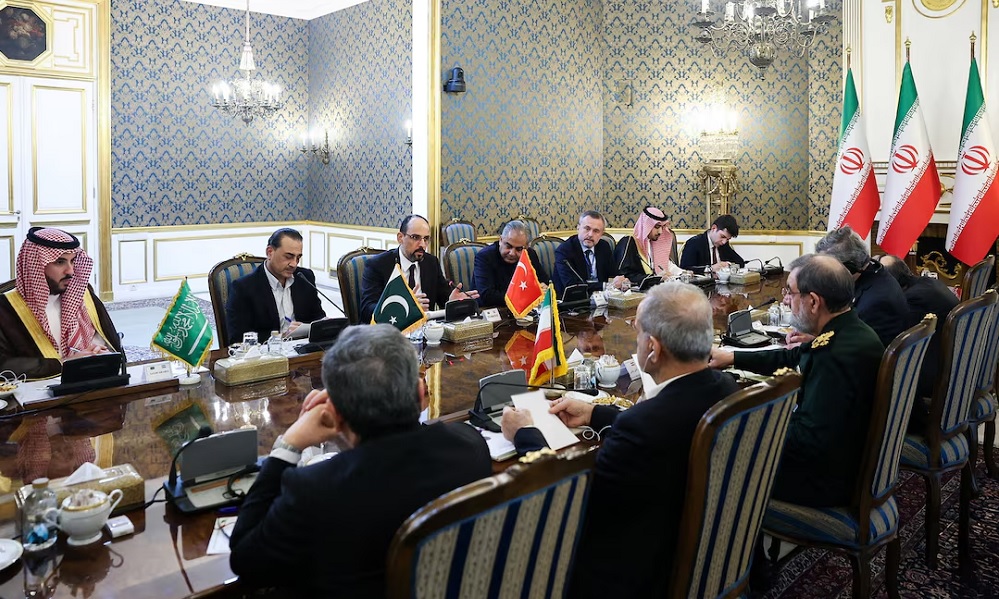
Top officials from Saudi Arabia, Turkey and Pakistan met Iranian officials in Tehran on Monday in a bid to de-escalate the Middle East conflict, as Yemen’s Houthis launched new attacks on Saudi Arabia and Egypt approved defence support for the Gulf kingdom.
The talks were the first high-level contact between Iran and the three nations — which signed the Mecca mutual defence pact in August — since a war that began with US and Israeli strikes on Iran also spread to Saudi Arabia and Yemen, Reuters reported.
Saudi Arabia said the visit was intended to open negotiating channels to “prevent the return of military escalation”.
It was represented by Defence Minister Prince Khalid bin Salman, younger brother of Crown Prince Mohammed bin Salman; Pakistan by army chief Field Marshal Asim Munir; and Turkey by intelligence chief Ibrahim Kalin, Saudi and Iranian officials said.
Iranian state media published pictures of Iranian President Masoud Pezeshkian, Foreign Minister Abbas Araqchi and Mohsen Rezaei, secretary of the Supreme National Security Council, attending the meetings. At the conclusion, the four states agreed to continue talks with a view to strengthening cooperation in peace and security, state media reported.
Pakistan and Qatar have led mediation efforts in the war.
Earlier efforts helped produce an interim peace agreement in June, but fighting between Iran and the US soon resumed. Conflict then flared between the Iran-aligned Houthis and US ally Saudi Arabia, opening a new front.
US AND IRAN THREATEN NEW ATTACKS
The wider fighting has restricted shipping through the energy chokepoint of the Strait of Hormuz, pushed up global oil and gas prices, left Gulf states facing missile and drone attacks, and caused a new humanitarian crisis in Yemen.
Tensions between Washington and Tehran have sharpened recently, with President Donald Trump saying on Friday the US may strike Iran again. Iranian security officials told Reuters Tehran had drawn up detailed plans to attack Gulf undersea cables if the US and Israel attack again.
The war, which earlier in the year also reignited fighting between Israel and the Iran-backed Lebanese Hezbollah militia, has eroded Trump’s approval ratings ahead of the US midterm elections that decide control of Congress.
Iranian security chief Rezaei said the visit by the three countries had shown that “American threats have little impact on countries around the world”. He spoke of a “new and positive atmosphere” in the region.
Iranian Foreign Ministry spokesperson Esmaeil Baghaei had earlier said the meeting, proposed when Munir visited Tehran last week, could be a first step towards establishing regional security mechanisms.
A senior Pakistani security official said the focus was on building a regional non-aggression network. The agenda also included US-Iran talks, Houthi attacks on Saudi Arabia, the Strait of Hormuz and a US blockade of Iranian ports, they said.
Another Pakistani official said Munir, with a go-ahead from Trump to try diplomacy, had presented Iran with a solution to the conflict that would offer something to both the US and Iran, without giving details.
The Mecca pact states and Qatar could act as guarantors if it was accepted, the official added.
An Iranian official had earlier said there would be no discussion of Iran’s nuclear programme at Monday’s meeting, and the issue would not be addressed until Tehran’s demands for ending the war were met.
Those conditions include ending a US blockade of Iranian ports and lifting sanctions on Iranian oil exports. US Vice President JD Vance has said Iran must reduce nuclear enrichment to end the war.
Pakistan’s military media office and Turkey’s Foreign Ministry did not immediately respond to requests for comment.
PARLIAMENT APPROVES EGYPTIAN DEFENCE SUPPORT FOR SAUDIS
Saudi Arabia has intensified strikes against the Houthis since they captured strategic areas along Yemen’s Red Sea coast last month, advancing against Saudi-backed government forces. The Houthis have hit Saudi airports, ports and oil facilities.
On Monday, the Houthis said they had attacked pumping stations on Saudi Arabia’s East-West pipeline as well as Riyadh airport, which said it had resumed operations at two terminals a day earlier. There was no immediate Saudi confirmation of the Houthi attacks.
Parliament in Egypt, which has said it is considering joining the Mecca pact, on Monday authorised the Egyptian military to help defend Saudi Arabia, a major financial and political partner for Cairo.
The Mecca Joint Defence Agreement says signatories shall use “all necessary means” to eliminate threats to one another’s territorial integrity, sovereignty or internationally recognised borders, according to a text seen by Reuters.
The pact’s members held an emergency meeting in Riyadh this month and agreed to ensure the “rapid deployment” of military forces and capabilities in Saudi Arabia.
Efforts by Turkey’s parliament to ratify the agreement began last week and are still under way, while Pakistan approved the pact last week.
Regional
Iran says outcome of Israeli elections ‘makes no difference’
Tuesday’s legislative elections will take place amid mounting threats by Israel and the United States to renew attacks on Iran after they launched their war in late February.
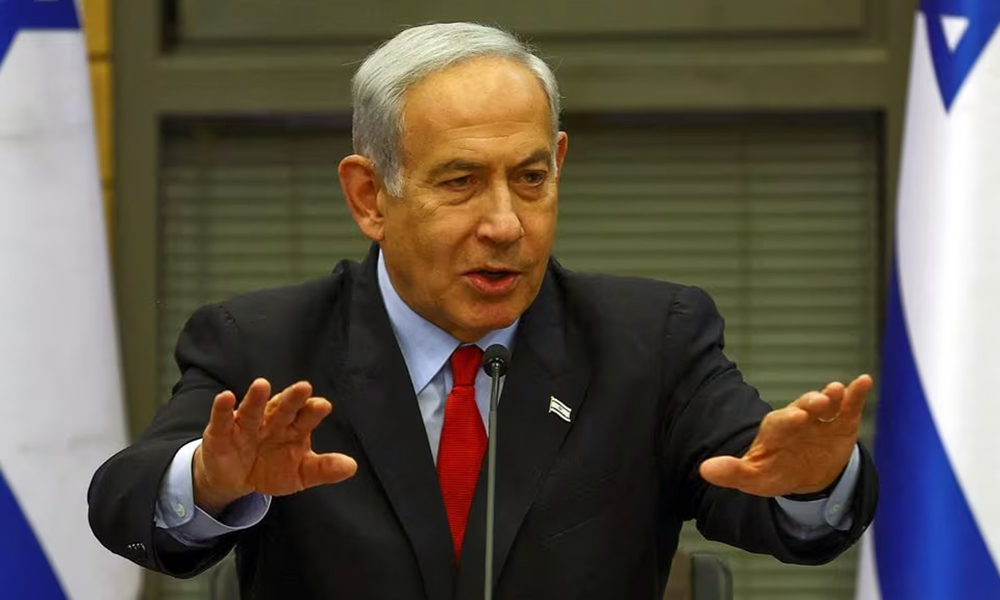
Iran’s foreign ministry said Monday that the outcome of the Israeli elections in which Prime Minister Benjamin Netanyahu is facing a tight race will make “no difference”, AFP reported.
“It makes no difference to us who, in these elections, takes the helm of a regime that has brought nothing but violence and massacres to our region,” said ministry spokesman Esmaeil Baqaei in a weekly press briefing.
Tuesday’s legislative elections will take place amid mounting threats by Israel and the United States to renew attacks on Iran after they launched their war in late February.
Netanyahu has in recent days repeatedly said the only way to remove the threat posed by Iran is to topple its government.
On Sunday, he told Israel’s Channel 14 that he had “instructed the Mossad and the IDF to overthrow the Iranian regime”.
Baqaei dismissed Netanyahu’s remarks as “empty threats” and a “sign of desperation”.
Regional
Officials from Mecca pact countries to meet Iranian officials in Tehran
Pakistan’s military media wing and Turkey’s Foreign Ministry did not immediately respond to requests for comment.
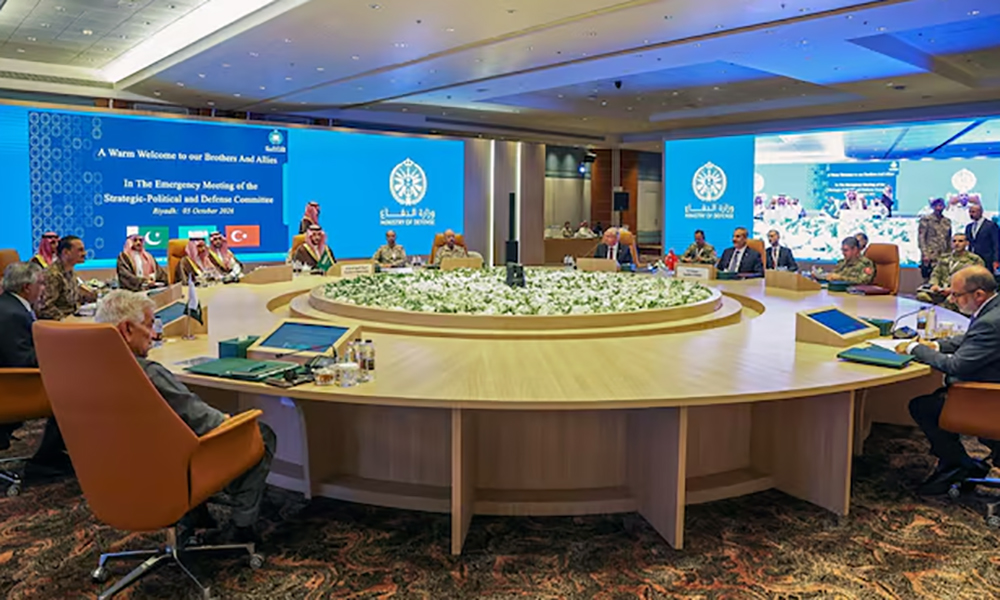
Top officials from Mecca Pact countries Saudi Arabia, Turkey and Pakistan are to meet Iran’s leaders in Tehran on Monday in their first high-level contact since the kingdom became a pressure point in the wider Iran conflict, Reuters reported.
Saudi Arabia will be represented by Defence Minister Prince Khalid bin Salman, Pakistan by army chief Field Marshal Asim Munir, and Turkey by intelligence chief Ibrahim Kalin, Saudi and Iranian officials said.
Attacks by Yemen’s Iran-aligned Houthis have spiralled in recent weeks and rhetoric between Washington and Tehran has grown more heated. Both countries have also drawn up plans to restart the wider war, possibly after the US midterm elections on November 3.
Monday’s planned talks will be the first high-level contact between Iran and all members of the three-nation bloc since Saudi Arabia was drawn deeper into the conflict. Under the Mecca Joint Defence Agreement signed in August, an armed attack on one member is considered an attack on all.
Iranian Foreign Ministry spokesperson Esmaeil Baghaei said on Monday discussions on regional security would include “Israel’s expansionist policies, developments in the Palestinian territories and Lebanon, and the repercussions of US and Israeli military action against Iran.”
Baghaei said the meeting, proposed during a visit by Munir to Tehran last week, could be a first step towards establishing regional security mechanisms based on the interests of countries in the region.
Qatari mediators met Iranian officials in Tehran on Sunday in a push to de-escalate regional tensions, Reuters reported. Qatar has, for months, played a mediating role between Tehran and Washington.
A senior Iranian official said the meeting was initiated by Pakistan, during Munir’s visit to Tehran, as he met Iranian President Masoud Pezeshkian and other senior officials. During the visit, Iranian officials told him there would be no talks with Washington until Tehran’s demands were met, according to Iranian media.
Earlier mediation efforts involving both Pakistan and Qatar helped produce an interim peace agreement in June, but the deal quickly unravelled as fighting between Iran and the United States resumed weeks later.
The deputy secretary of Iran’s top security body, Ali Baqeri-Kani, told state TV that Saudi Defence Minister Prince Khalid, Pakistan’s Munir and Turkish intelligence chief Ibrahim Kalin would visit Tehran for consultations with Iran’s Supreme National Security Council on regional security.
Saudi Deputy Minister for Public Diplomacy Rayed Krimly said the meeting is part of ongoing efforts by the Mecca Pact countries to de-escalate the current crisis, promote diplomatic solutions, and support mediation efforts led by Qatar and Pakistan.”The visit also underscores the pivotal role of the Mecca Pact states in fostering regional security and stability, and their commitment to working with all nations in the region toward achieving this goal,” Krimly posted on X.
Pakistan’s military media wing and Turkey’s Foreign Ministry did not immediately respond to requests for comment.
Saudi Arabia intercepted another wave of missiles and drones on Sunday as fighting with the Houthis continued unabated.
Ministers from the Mecca Pact countries held an emergency meeting in Riyadh earlier this month and agreed to ensure the “rapid deployment” of military forces and capabilities in Saudi Arabia.
The Houthi attacks have become an increasingly destabilising element in the US-Israeli conflict with Iran, turning US ally Saudi Arabia into a pressure point in the wider war.
Tensions between Washington and Tehran have sharpened in recent days. President Donald Trump said on Friday the US may carry out another military operation against Iran and Iran’s leaders have said that a renewed US military campaign would be met with a stronger response than before.
Iranian security officials have told Reuters that Tehran has drawn up detailed plans to hit Gulf undersea cables if the United States and Israel attack again. A US intelligence memo this week warned that Iranian plots against American personnel had reached “advanced stages”.
The war, now nearly eight months old, has weighed on President Donald Trump’s approval ratings ahead of the midterms.
The Mecca agreement’s first article says the parties shall use “all necessary means” to eliminate threats to one another’s territorial integrity, sovereignty or internationally recognised borders, according to a text seen by Reuters.
Efforts by Turkey’s parliament to ratify the agreement began last week and are still underway, while Pakistan approved the pact last week.

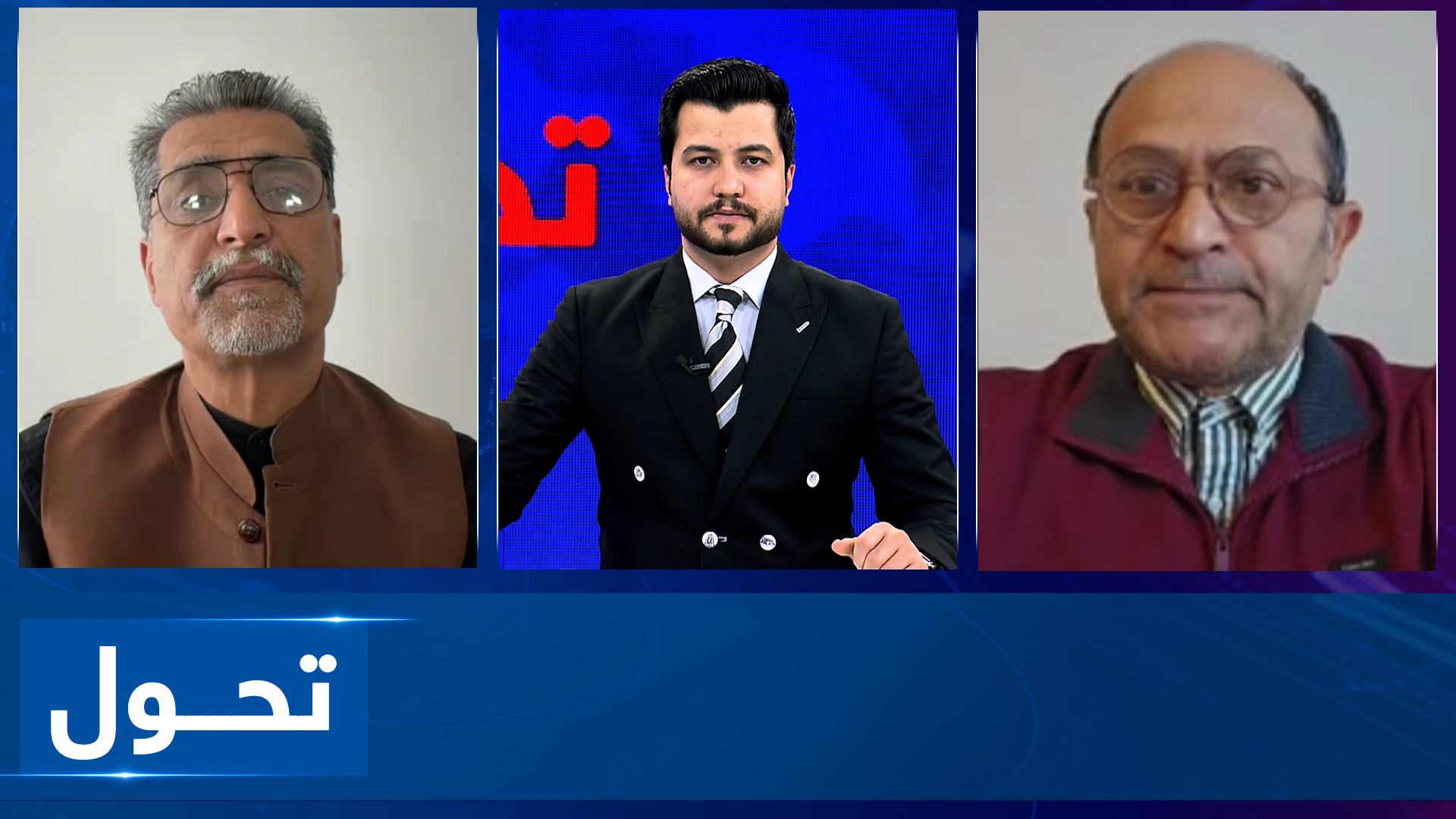
Tahawol: Emphasis on security cooperation at Tehran talks discussed
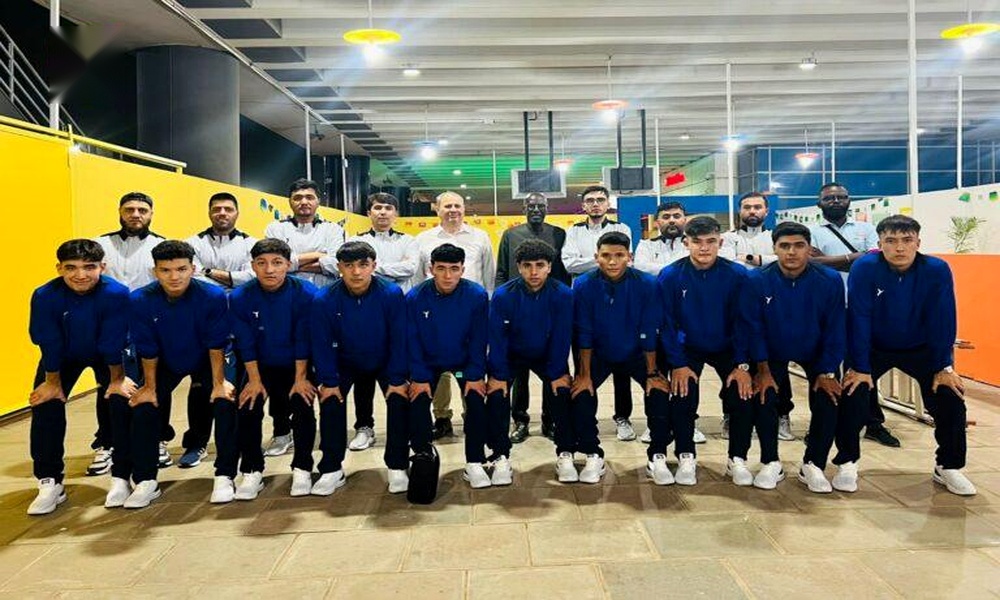
Afghanistan U-18 futsal team in Senegal ahead of Youth Olympic Games
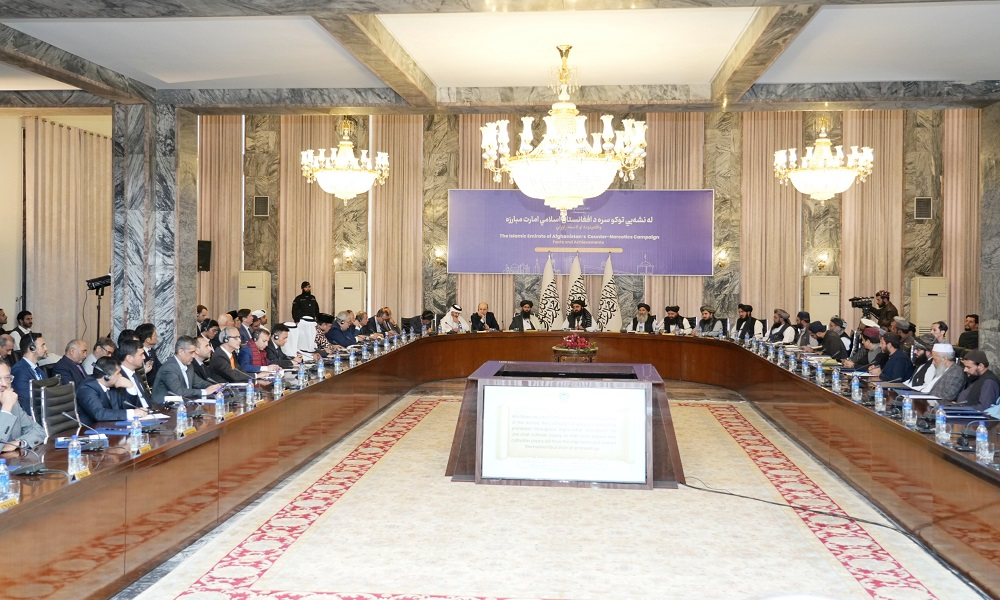
Afghanistan reports over 25,000 anti-drug operations in 2026
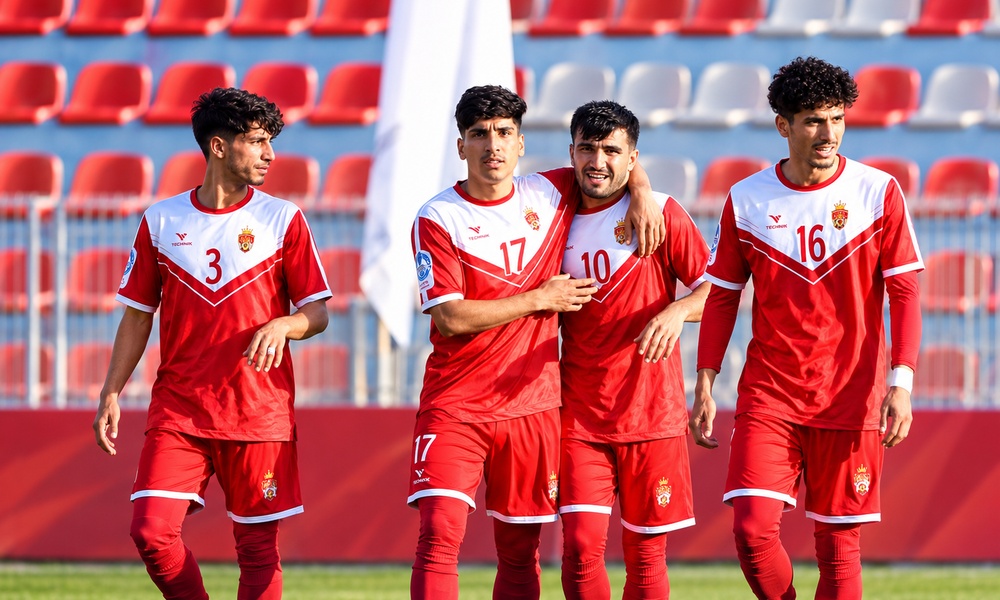
Sorkh Poshan Khafi cruise to 3–0 win over Toofan Herat in ACL season six
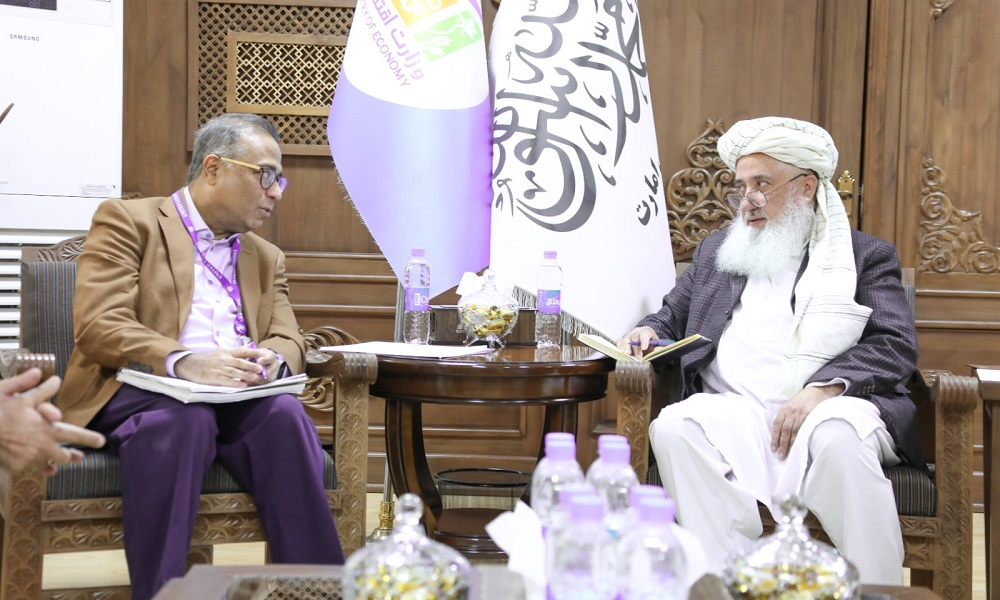
Afghanistan’s economy minister, UNDP representative discuss development cooperation

Cricket Bonanza: Afghanistan set for packed international schedule

Afghanistan on climate front line as Kabul faces groundwater warning

ACB announces Afghanistan squads for Bangladesh, Zimbabwe series

Afghanistan to face Pakistan, India and Australia at 2027 Cricket World Cup

Four members of one family killed in Helmand in Pakistan airstrike
Tahawol: Emphasis on security cooperation at Tehran talks discussed
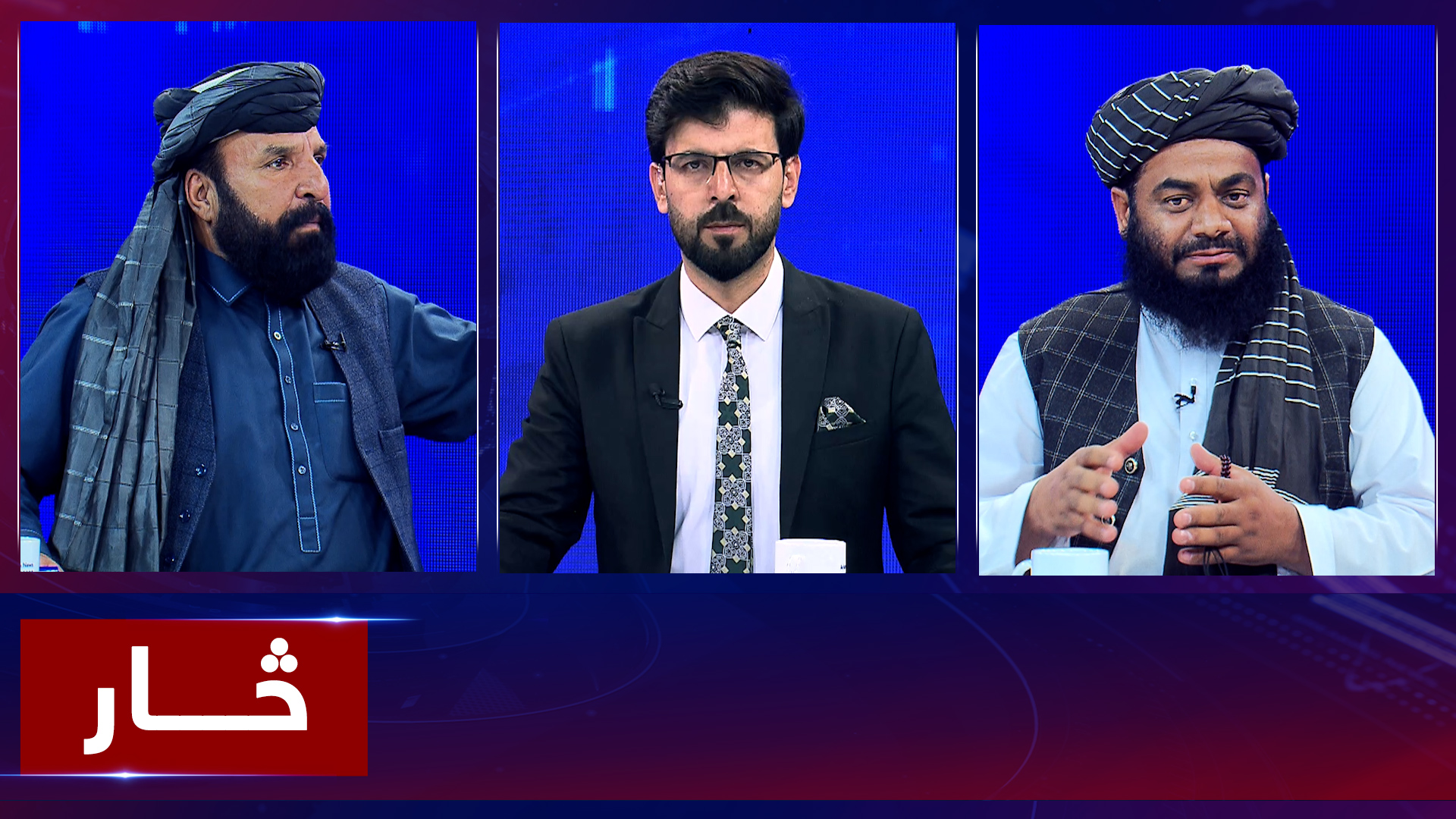
Saar: Pakistan threatening strikes on Afghanistan

Iran says outcome of Israeli elections ‘makes no difference’
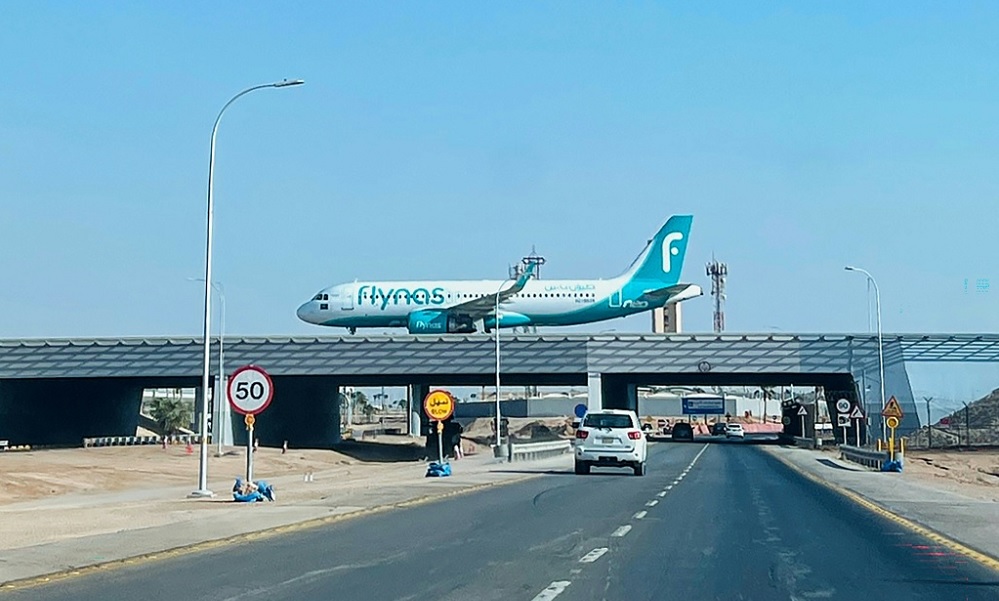
Houthis attack Saudi Arabia before high-stakes talks in Tehran
Tahawol: Ukraine war and ongoing peace efforts
-
 Latest News3 days ago
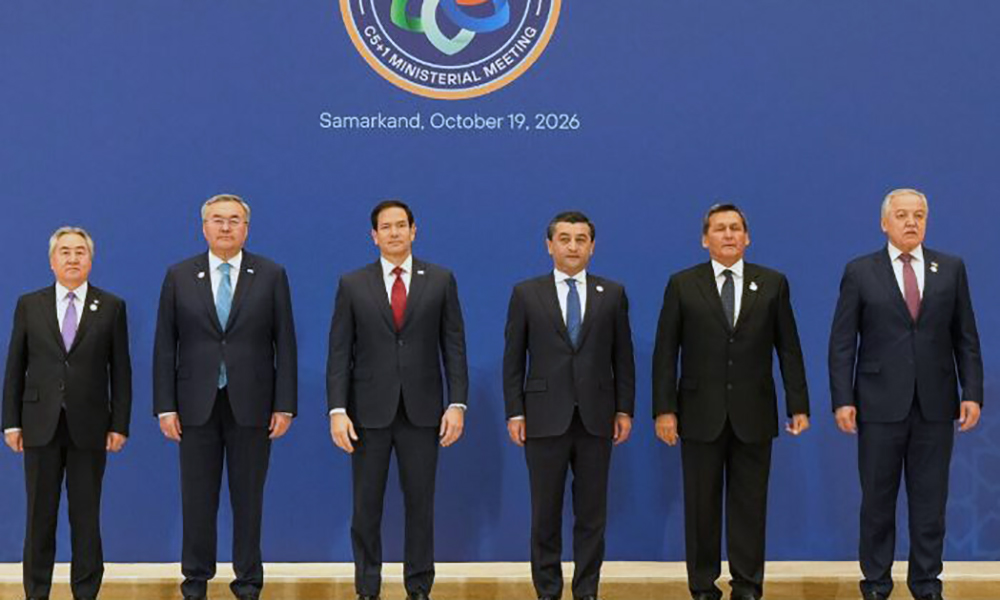
US Central Asia strategy faces challenges linked to Afghanistan’s political and security situation
-
 Business5 days ago
Pakistan exporters suffer billions in losses as Afghanistan trade halt continues
-
 Sport4 days ago
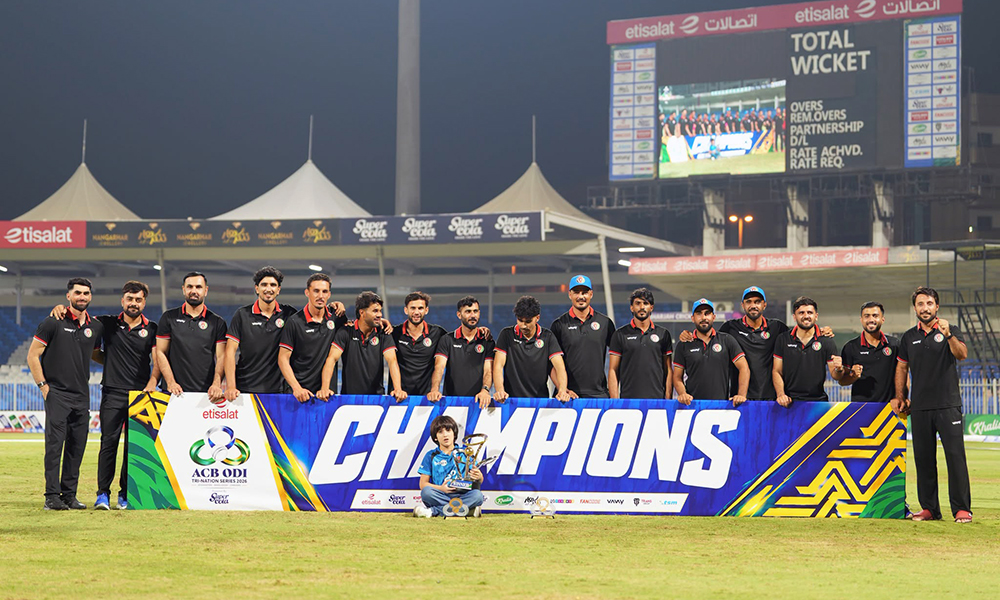
Afghanistan defeat Zimbabwe to win Tri-Series ahead of 2027 Cricket World Cup
-
 Business4 days ago
IMF forecasts 1.3 percent regional economic contraction in 2026
-
 Business3 days ago
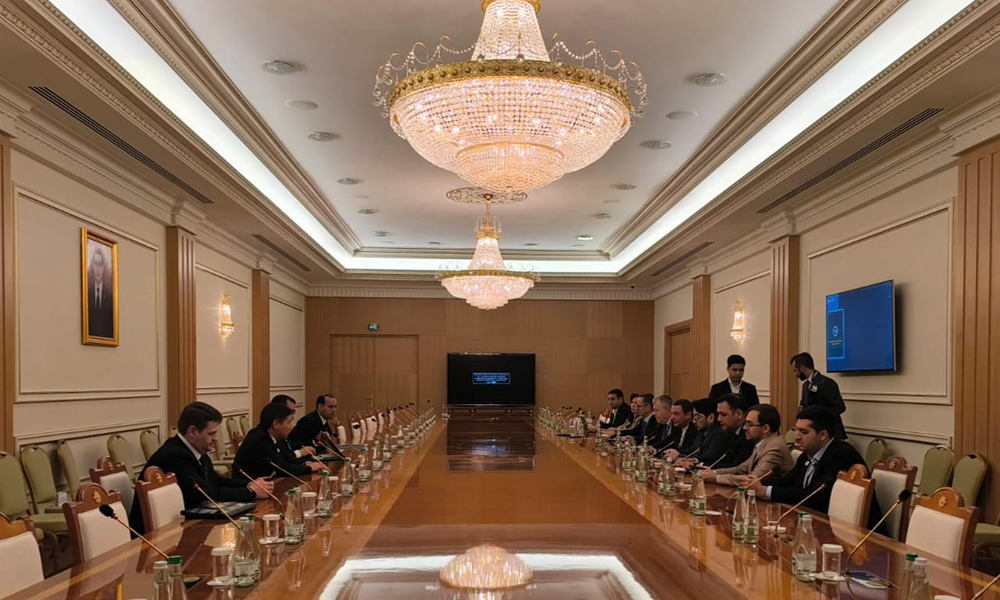
Turkmenistan targets 80 billion cubic meters of gas production in 2026
-
 Latest News4 days ago
Khalilzad warns of worsening relations between Afghanistan and Pakistan
-
 Sport2 days ago
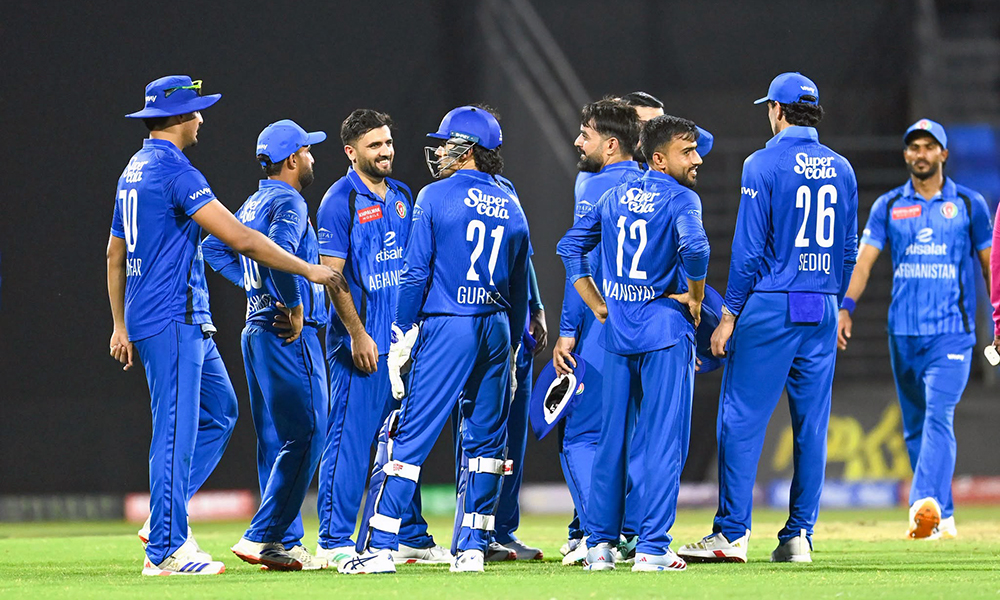
Afghanistan rise above England to match their highest-ever ODI ranking
-
 Latest News4 days ago
Turkmenistan says Kerki–Kabul power line could supply up to 800 MW to Afghanistan