
Latest News
US Troop Drawdowns In Afghanistan ‘Not Tied’ to Taliban Deal: Esper

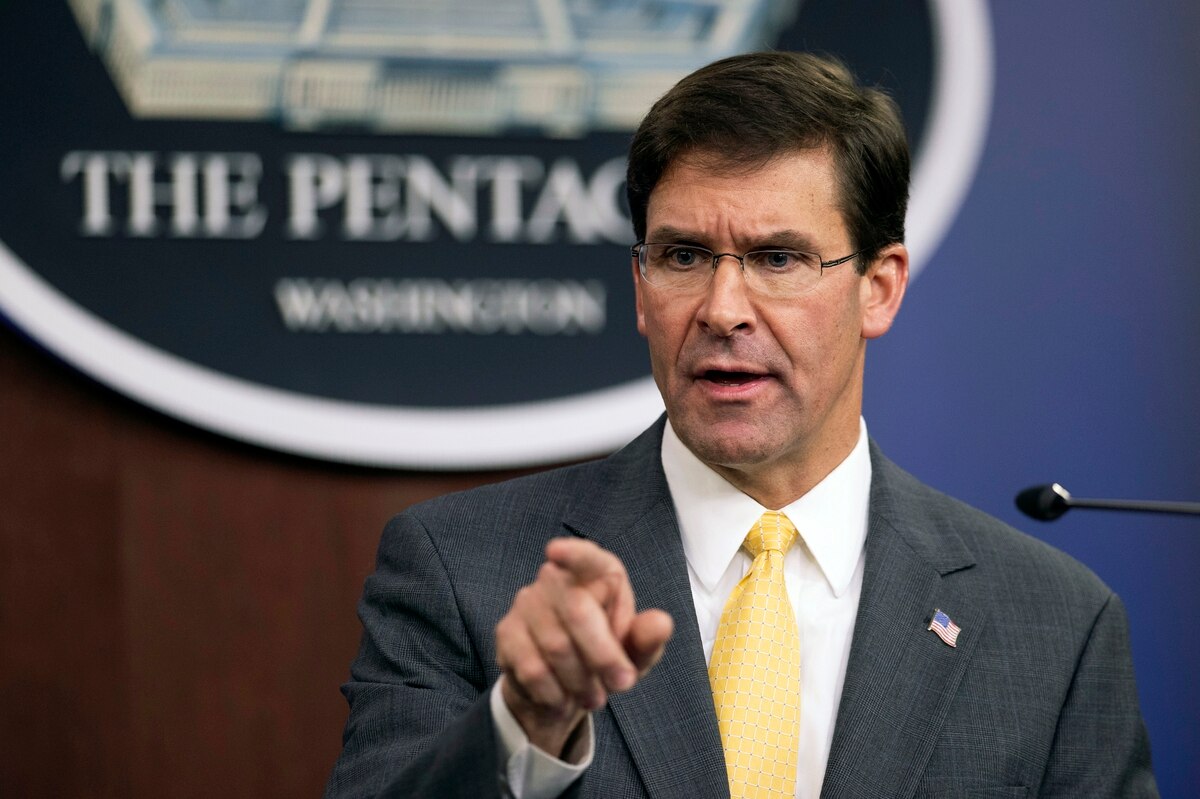
 U.S. Defense Secretary Mark Esper said on Monday that any future troop drawdowns in Afghanistan were “not necessarily” linked to a deal with Taliban insurgents, suggesting some lowering of force levels may happen irrespective of the ongoing peace push.
The remarks by Esper in an interview with Reuters came on the heels of a Thanksgiving trip last week to Afghanistan by President Donald Trump, who spoke of potential troop reductions and said he believed the Taliban insurgency would agree to a ceasefire in the 18-year-old war.
If honored by all sides, a ceasefire could lead to a significant reduction in violence. But U.S. military commanders would still focus on the threats associated with two other militant groups in Afghanistan: Islamic State and al Qaeda.
Speaking as he flew to London for a NATO summit, Esper said the Trump administration had been discussing potential reductions in troop levels for some time, both internally and with NATO allies.
“I feel confident that we could reduce our numbers in Afghanistan and still ensure that place doesn’t become a safe haven for terrorists who could attack the United States,” Esper said, without offering a figure.
“And our allies agree we can make reductions as well.”
Asked whether such reductions would necessarily be contingent on some sort of agreement with the Taliban insurgency, Esper said: “Not necessarily.”
He did not elaborate.
 There are currently about 13,000 U.S. forces in Afghanistan as well as thousands of other NATO troops. U.S. officials have said U.S. forces could drop to 8,600 and still carry out an effective, core counter-terrorism mission as well as some limited advising for Afghan forces.
A draft accord agreed in September before peace talks collapsed would have withdrawn thousands of American troops in exchange for guarantees that Afghanistan would not be used as a base for militant attacks on the United States or its allies.
Still, many U.S. officials privately doubt the Taliban could be relied upon to prevent al Qaeda from again plotting attacks against the United States from Afghan soil.
Esper did not hint at any developments in the coming days or suggest that new troop drawdowns in Afghanistan might figure into NATO discussions this week.
“I don’t think there’s any ‘new’ news right now, if you will. We’ve been discussing this for quite some time,” Esper said, when asked if he would raise the issue in London.
About 2,484 U.S. service members have been killed in the Afghan conflict and many thousands more wounded.
Source: News Agencies







Latest News
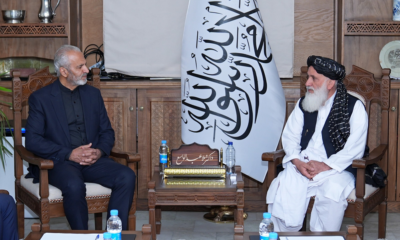
Iran invites Afghanistan’s prime minister to attend funeral ceremony of Ali Khamenei
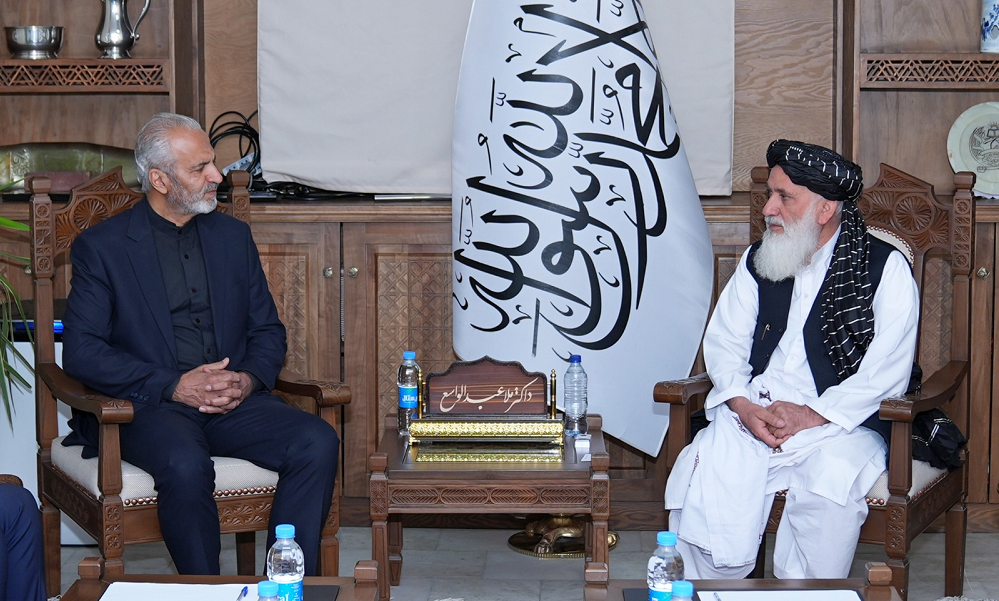
Iran’s Alireza Bikdeli described relations between Afghanistan and Iran as historical and deep, and expressed appreciation for the sympathy shown by the Islamic Emirate and the Afghan people during the recent conflict. He added that political and economic ties between the two countries had continued without interruption despite the war.
Latest News
Kazakh envoy urges engagement to prevent instability in Afghanistan
Kazakhstan, he said, is pursuing a policy of “pragmatic engagement without recognition,” maintaining transport, energy, and humanitarian cooperation with Afghanistan while withholding formal diplomatic recognition of the current authorities.
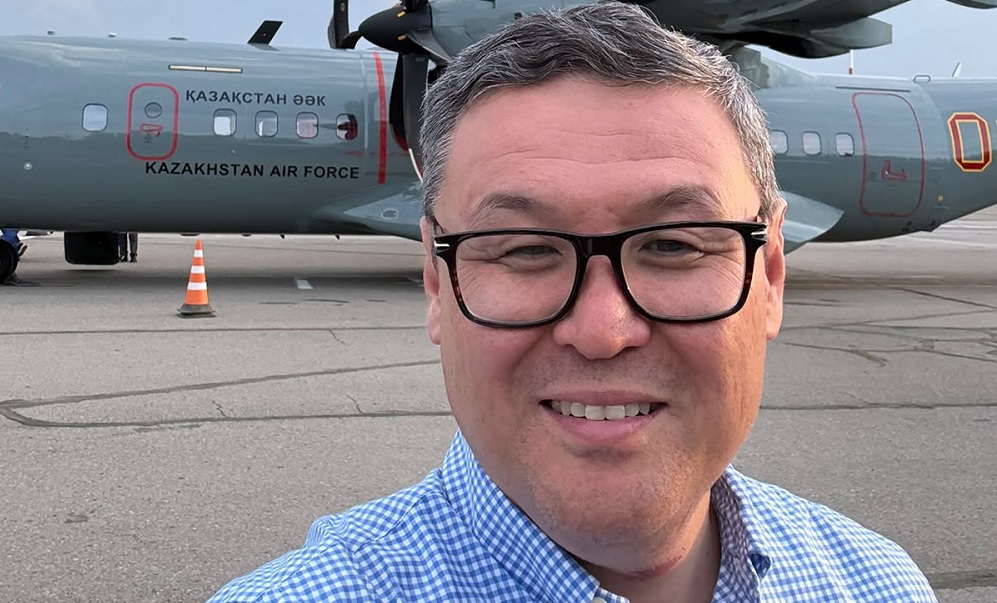
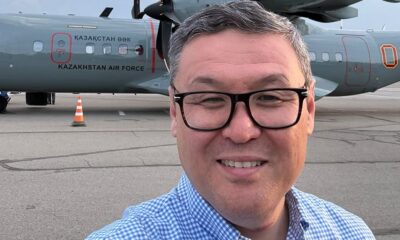
Kazakhstan’s Special Representative for Afghanistan, Yerkin Tukumov, has called for continued international engagement with Afghanistan, warning that economic, humanitarian, and institutional vacuums could contribute to instability and security threats in the region.
Writing in an opinion article published by EuAlive, Tukumov argued that constructive engagement with Afghanistan is necessary to address common challenges, including terrorism, illegal migration, and drug trafficking.
“The experience of recent decades has demonstrated that any vacuum—whether economic, humanitarian, or institutional—is inevitably filled by destructive processes in Afghanistan,” he said.
Tukumov noted that Afghanistan continues to face significant humanitarian challenges, with nearly 29 million people in need of assistance. He also pointed to the return of millions of Afghan refugees from Iran and Pakistan since 2023, which has placed additional pressure on the country’s economy and public services.
According to the Kazakh envoy, approximately 3.7 million Afghan children are suffering from malnutrition, while issues related to security, governance, and the rights of women and girls remain concerns for the international community.
Despite these challenges, Tukumov said Afghanistan has avoided the economic and political collapse predicted by some observers following the Taliban’s return to power in 2021. He noted that government revenues have grown gradually, while small and medium-sized businesses and industrial parks have emerged in major Afghan cities.
Kazakhstan, he said, is pursuing a policy of “pragmatic engagement without recognition,” maintaining transport, energy, and humanitarian cooperation with Afghanistan while withholding formal diplomatic recognition of the current authorities.
Tukumov emphasized the growing importance of Central Asia in Afghanistan’s external relations, describing the region as a key source of energy, food supplies, and economic cooperation. Trade between Afghanistan and Central Asian countries has increased significantly in recent years, he added.
The envoy also highlighted Kazakhstan’s educational and humanitarian initiatives in Afghanistan, including scholarship programs for Afghan students and assistance in sectors such as healthcare, agriculture, and water management.
He suggested that education and healthcare could become important areas of cooperation between Kazakhstan and the European Union in Afghanistan. Such efforts, he said, could include the construction of medical facilities, the deployment of mobile health units, and expanded professional training programs.
Tukumov argued that humanitarian assistance and economic cooperation should not be viewed as concessions but as practical tools for promoting long-term stability and preventing future crises.
“By investing in healthcare, education, and human capital, the international community can help strengthen resilience and create conditions for sustainable development in Afghanistan,” he wrote.
The comments come amid ongoing regional and international discussions on how to engage with Afghanistan while addressing humanitarian needs and broader security concerns.
Latest News
Afghanistan intensifies fight against synthetic drugs
Officials described synthetic drugs as one of the country’s most pressing concerns and said targeted programs have been introduced to combat the problem.

Afghanistan’s Ministry of Interior Affairs says a nationwide campaign against narcotics, with a particular focus on synthetic drugs, is being intensified as authorities seek to curb the growing threat posed by illicit substances.
Speaking at a seminar in Kabul titled “Causes of Youth Drug Addiction and Prevention Methods,” Abdul Haq Mati, Head of Survey and Analysis at the Counter-Narcotics Deputy Office of the Ministry of Interior, said significant progress has been made in combating traditional narcotics. However, he noted that synthetic drugs remain a major challenge, with many of these substances being smuggled into the country from neighboring states.
Mati said security and law enforcement agencies are tasked with identifying, arresting and referring key figures involved in drug trafficking networks to judicial authorities. He added that efforts to prevent the trafficking and distribution of synthetic drugs are continuing across the country.
The seminar brought together students, officials from the Counter-Narcotics Department and university professors to discuss the causes of youth addiction and strategies for prevention.
Officials described synthetic drugs as one of the country’s most pressing concerns and said targeted programs have been introduced to combat the problem, building on measures previously used against traditional narcotics.
While acknowledging the progress made in anti-narcotics efforts, several university professors stressed that security measures alone would not be sufficient to address the issue. They called for greater investment in employment opportunities, education and social development initiatives aimed at tackling the root causes of addiction.
Participants also highlighted the importance of effectively managing and disrupting the entire narcotics supply chain, from street-level distribution to larger trafficking networks, as a key component in reducing the social and economic impact of drug abuse.
Students attending the seminar said awareness campaigns play an important role in prevention but argued that unemployment and limited access to education remain major factors that leave young people vulnerable to drug use.
The event, organized by a university in cooperation with the Counter-Narcotics Department, concluded with calls for stronger youth-focused programs, continued enforcement of anti-drug laws and greater efforts to address the underlying causes of addiction.
Participants agreed that a combination of prevention, public awareness, employment opportunities and law enforcement remains essential to protecting young people from drug addiction and curbing the spread of narcotics across the country.


Iran invites Afghanistan’s prime minister to attend funeral ceremony of Ali Khamenei

Kazakh envoy urges engagement to prevent instability in Afghanistan

US and Iran conclude high-level talks in Switzerland, mediators say

Afghanistan intensifies fight against synthetic drugs

Saar: Iran vs US Talks Begin – Will Tensions Ease?

Norway’s Viking-inspired World Cup team photo goes viral

Afghanistan announce squad for India series

Afghanistan, Russia sign military cooperation agreement

Major pharma firms eye investment in Afghanistan

Afghanistan expands oil production as investment in Amu Darya fields grows
Saar: Iran vs US Talks Begin – Will Tensions Ease?

Tahawol: Discussion on reopening of Strait of Hormuz

Saar: Afghanistan-Pakistan tense relations disucssed

Tawsia: Last week’s key economic developments discsused

Tahawol: Afghanistan–UN ongoing engagement discussed
-
 Business4 days ago
Afghanistan signs $67 million contract for cement production in Samangan
-
 Saar4 days ago
Saar: Trump’s remarks on US military equipment in Afghanistan discussed
-

 Sport5 days ago
2nd ODI: India crush Afghanistan by 170 runs to seal series lead
-

 Latest News4 days ago
Trump says US may seek return of military equipment left in Afghanistan
-
 Health4 days ago
Polio cases in Afghanistan rise to six in 2026 as two new cases confirmed
-
 Latest News3 days ago
Khalilzad calls for Afghanistan-Pakistan dialogue after airstrikes
-

 Latest News5 days ago
Türkiye captures senior ISIS-K operative
-

 International Sports4 days ago
Messi hat-trick powers Argentina to 3-0 victory over Algeria in World Cup opener