
Business
World Bank warns of increased poverty due to COVID-19 shock

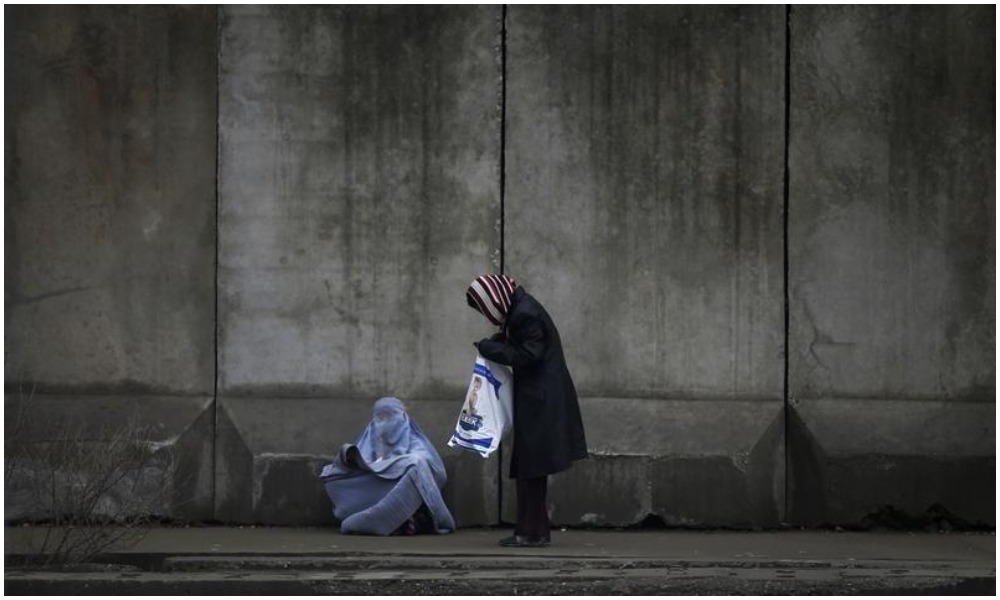
The World Bank has stated that a clear commitment from international partners to continue grant support would help reduce uncertainty and improve investor confidence in Afghanistan which would in turn enable the country to recover from the severe impacts of the COVID-19 crisis.
In its twice-yearly report, the World Bank stated that South Asia as a whole is set to plunge into its worst-ever recession due to the pandemic which will take a heavy toll on informal workers and push millions of people in the region into extreme poverty.
According to the report, although Afghanistan experienced moderate growth in 2019 as the agricultural sector recovered from the impacts of drought, the economy is estimated to have contracted sharply in the first half of 2020 due to economic disruptions associated with nation-wide lockdowns, border closures, and declining remittance inflows.
In addition, the report stated that medium-term prospects are subject to high levels of uncertainty, related to the COVID-19 pandemic, peace talks and future international security and aid support.
“Given the shock to the economy, poverty is expected to increase in 2020,” the report stated.
While there was significant growth in wheat production, the World Bank said this was not enough to offset the large negative impact of COVID-19 on other sectors of the economy.
The World Bank stated that while inflation was low in 2019 (averaging 2.3 percent) it increased significantly in 2020.
One reason was that in March and April 2020 – during lockdown – panic buying and import disruptions resulted in a sharp increase in food prices, which led government to adopt administrative measures to prevent price gouging.
Government also initiated an emergency wheat distribution program that resulted in a food inflation decline in the months that followed.
In the first quarter of 2020 Afghanistan registered a growth in exports of 11 percent year-on-year, which reflected the improved performance of air corridors. However, a weak domestic demand led to a 14 percent decline in imports.
“In the second quarter of 2020, both imports and exports fell precipitously given border closures and disruptions to trade and transportation, with greater absolute declines in imports driving an improvement in the trade and current account balances,” the report read.
With the onset of the COVID-19 crisis, weak economic activity, disruptions to trade and compliance, revenue performance deteriorated significantly and revenue estimates for 2020 were revised downward by over 30 percent (from Afs 209 billion to 144 billion) in the budget mid-year review.
“Total domestic revenue collection at end-June reached Afs 74.7 billion, 20 percent lower than the initial budget target,” the report stated.
Poverty meanwhile is believed to have worsened in 2019 surpassing 54.5 percent amid continued violence and political uncertainty and “in the first half of 2020, with declining household incomes due to economic hardship, higher food prices due to COVID-19, a significant fall in remittances, and high returnee flows, poverty is estimated to have further increased,” the report read.
According to the report, the outlook for the rest of 2020 was grim as the GDP is expected to contract by 5.5 percent – again largely due to the impact of the pandemic.
“In following years, the pace of recovery is expected to be constrained in a context of continued insecurity, uncertainties regarding the outcome of planned peace talks, and questions about the level and duration of international security and aid support.
“The trade deficit is projected to narrow to 26 percent of GDP down from 30.4 percent in 2019. While exports are projected to fall by 24 percent, imports are expected to decline by around 18 percent,” read the report.
World Bank analysis meanwhile suggests that the combination of reduced incomes and higher prices could drive the poverty rate to as high as 72 percent in the medium term.
“Over the medium term, the poverty outlook hinges on the pace of economic recovery and the continued provision of international aid and humanitarian support,” the report read.
“The main source of downside risk to the outlook stems from possible further adverse COVID-19 developments,” the World Bank stated adding that additional sources of risk include further political instability, a deterioration of security conditions, uncertainties associated with the planned peace agreement with the Taliban, and precipitous reductions in aid flow.
“By contrast, on the upside, a sustainable and credible political settlement with the Taliban could help boost growth, confidence and private investment,” the bank stated.
In terms of recommendations, the World Bank stated that given Afghanistan’s declining revenues and constrained fiscal potential, public expenditures need to be carefully directed to protecting the vulnerable, limiting long-term economic damage, and establishing solid foundations for economic recovery.
“To support households, the government should prioritize: i) targeted social protection measures; and ii) ensuring the continued provision of basic services, especially healthcare.
“To support the private sector, priorities include: i) pursuing business regulatory reforms to facilitate new investment; ii) expanding access to credit; iii) ensuring the continued provision of basic infrastructure; and iv) avoiding accumulating arrears to private sector vendors.”







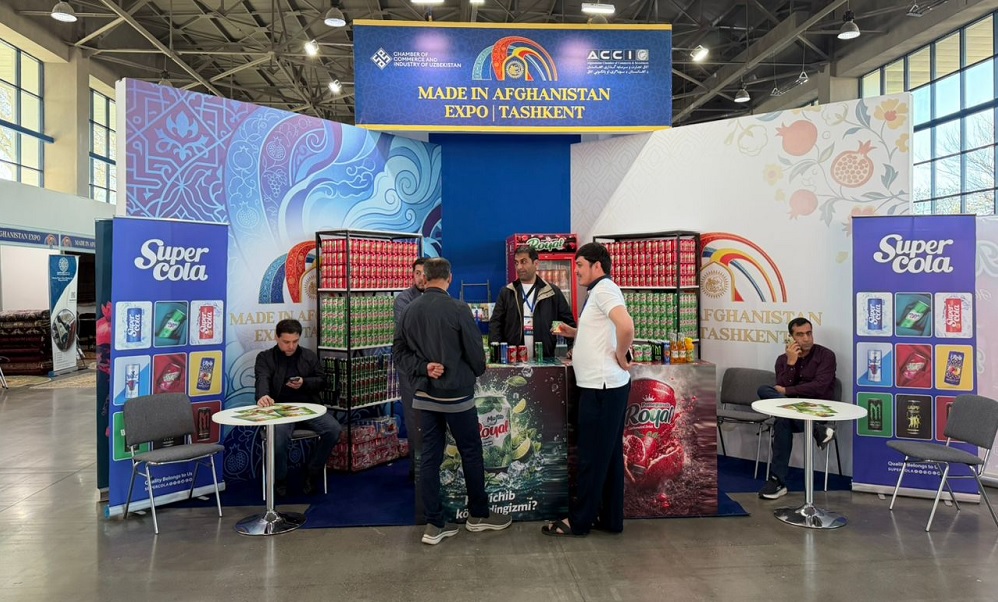
The Afghanistan Chamber of Commerce and Investment has announced that a major exhibition of Afghan products titled “Made in Afghanistan” is opening today (Wednesday) in Uzbekistan’s capital Tashkent.
According to the chamber, the expo—supported financially by the United Nations Development Programme—will run until Friday and aims to showcase Afghanistan’s production and export potential.
More than 60 booths have been set up by Afghan traders, featuring a wide range of products including carpets, dried and fresh fruits, saffron, pine nuts, cotton, precious and semi-precious stones, as well as beverages.
Officials from the chamber expressed hope that the expo will help expand trade relations between Afghanistan and countries in the region, particularly Uzbekistan.
Business
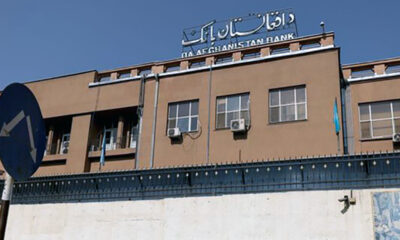
Afghani strengthens nearly 10% against US dollar amid banking sector reforms
The bank said it has expanded oversight of financial institutions and private lenders, improving transparency and promoting more consistent standards across the sector.

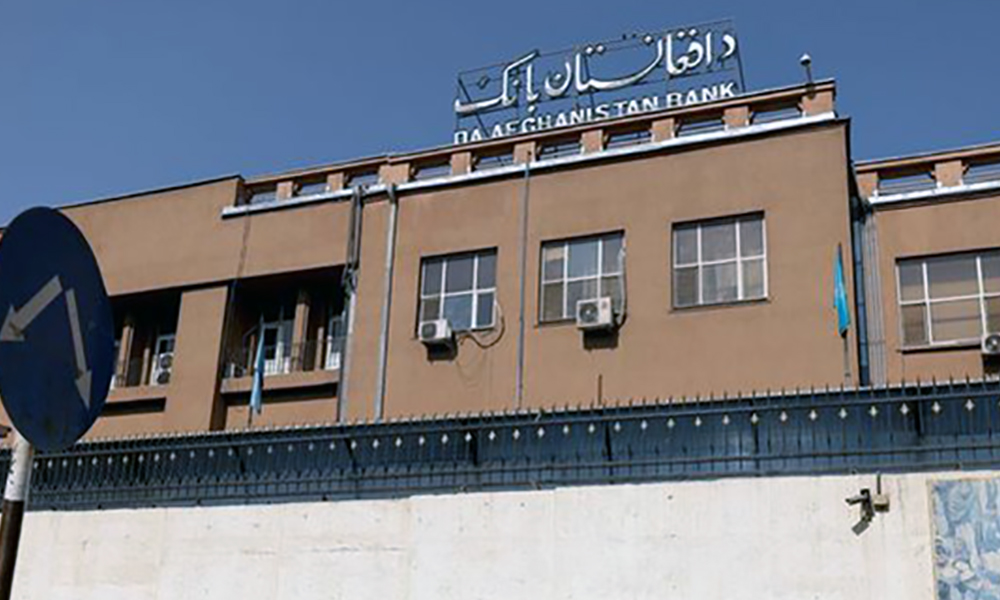
Afghanistan’s central bank, Da Afghanistan Bank, says the national currency has appreciated by 9.93% against the US dollar during the year 1404, citing steady progress in the country’s financial and banking systems.
Officials attributed the gains to cautious monetary policies that have helped stabilise the Afghani against major global currencies while also boosting its value against the dollar.
The bank said it has expanded oversight of financial institutions and private lenders, improving transparency and promoting more consistent standards across the sector.
As part of efforts to better manage liquidity, authorities also collected and destroyed worn-out banknotes in circulation. At the same time, officials reported growth in electronic banking, with digital payment usage rising in recent months.
Central bank spokesperson Haseebullah Noori said initiatives are underway to broaden access to banking services nationwide, including the wider rollout of Islamic banking options.
Analysts welcomed the stabilisation efforts but stressed the need to address ongoing challenges facing domestic banks, including the impact of international financial sanctions on Afghanistan.
They added that expanding Islamic banking could help draw more savings into the formal financial system, noting that a significant share of personal wealth remains outside banks. Bringing those funds into the sector, they said, could inject billions of Afghanis into the economy and further support financial stability.
Business
Uzbekistan delivers over 290 tons of aid to Afghanistan
The assistance, provided ahead of Eid al-Fitr, is intended to support vulnerable communities while reinforcing ties between the neighboring countries.
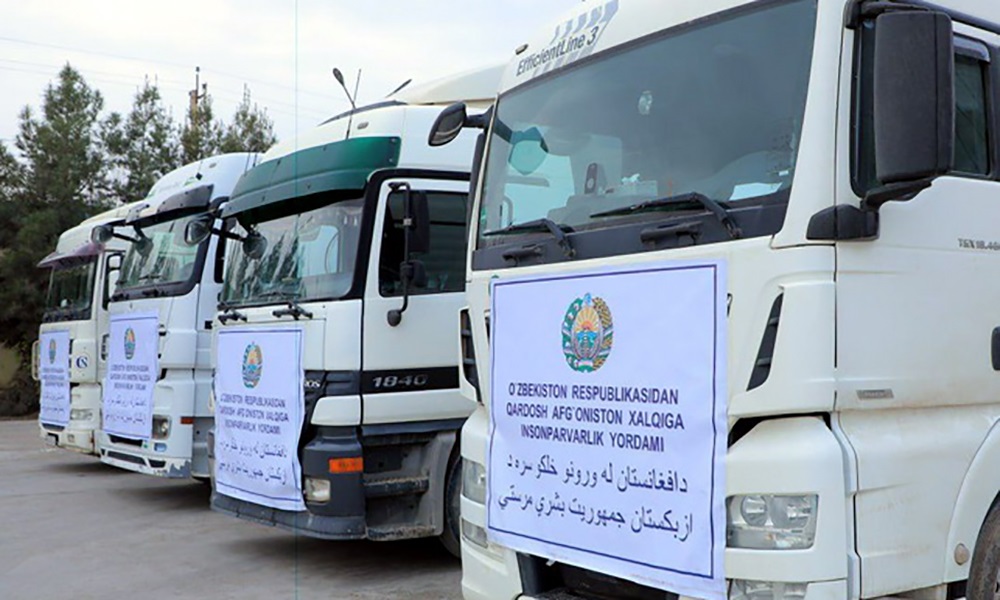
Uzbekistan has delivered more than 290 tons of humanitarian aid to Afghanistan, according to the country’s Ministry of Foreign Affairs.
The assistance, provided ahead of Eid al-Fitr, is intended to support vulnerable communities while reinforcing ties between the neighboring countries.
The shipment includes essential food supplies such as flour, rice, wheat, vegetable oil, instant meals, pasta, and confectionery. An official handover ceremony was held in the border town of Hairatan.
Local officials, including Balkh province representatives and authorities from Hairatan, expressed appreciation for the continued support, acknowledging Uzbekistan’s efforts to assist the Afghan people.
Among those present at the ceremony were Uzbekistan’s Ambassador to Afghanistan, Oybek Usmanov, and Surkhandarya regional governor Ulugbek Kosimov.
The aid delivery underscores Uzbekistan’s ongoing humanitarian engagement and its broader efforts to promote regional cooperation and stability.


Tahawol: Discussion on day 27 of Iran–US war

Turkey invites IEA’s commerce minister to Antalya Diplomacy Forum

Saar: Islamic Emirate confident of Durand Line control

Afghan, Malaysian PMs discuss situation between Kabul and Islamabad

Myanmar trump Afghanistan 2-1 in Asian Cup Qualifier

Pakistani military jet downed in Afghanistan’s Jalalabad, pilot captured alive

Afghan Air Force conducts airstrikes in Islamabad, other cities

Prominent Muslim scholar issues fatwa calling for Afghanistan-Pakistan ceasefire

Afghan air force strikes key Pakistani military installations in retaliatory operation

IEA: Special circle in Pakistan has launched mission to destabilize region
Tahawol: Discussion on day 27 of Iran–US war
Saar: Islamic Emirate confident of Durand Line control

Tahawol: Efforts to release Mohammad Rahim from Guantanamo Bay Detention Camp

Saar: End of ceasefire between Afghanistan-Pakistan reviewed

Tahawol: Escalating threats between Iran-US discussed
-

 Latest News5 days ago
Deadly violence likely without dialogue between Afghanistan and Pakistan: ICG
-

 Latest News4 days ago
Pakistan seeks Russian mediation to resolve Afghanistan tensions
-
 Sport5 days ago
Afghanistan secures third place at 2026 World Kokpar Championship
-

 International Sports5 days ago
FIFA World Cup 2026: Play-Off Tournament takes centre stage
-
 Business5 days ago
Afghani strengthens nearly 10% against US dollar amid banking sector reforms
-
 Latest News4 days ago
World must re-engage to prevent all-out Afghanistan-Pakistan war: Financial Times
-

 Sport3 days ago
Afghanistan squad hit by withdrawals ahead of AFC Asian Cup Qualifiers
-
 Latest News3 days ago
Around 2.3 million tourists visited Afghanistan’s recreational areas during Eid: Ghufran