
World leaders band together for Afghan women to have a voice

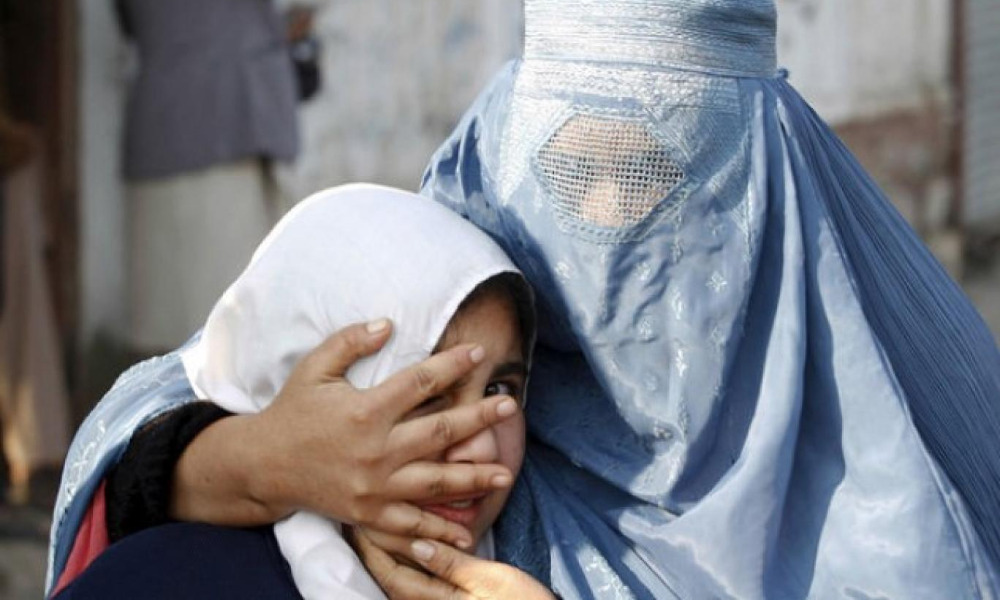
Over 100 formidable leaders from around the world have joined together as signatories to an open letter calling for meaningful participation of Afghan women in the peace process that started in Doha Saturday.
They stated that substantive involvement of women in peace talks makes agreements more likely to be attained and upheld.
Among those who signed the letter, issued by Georgetown Institute for Women, Peace and Security, are Madeleine Albright, Former United States Secretary of State; Sheikh Abdullah bin Zayed Al Nahyan, Minister of Foreign Affairs and International Cooperation of the United Arab Emirates; Laura Bush, Former First Lady of the United States; Angelina Jolie, Special Envoy of the United Nations High Commissioner for Refugees; Hillary Rodham Clinton, Former United States Secretary of State; Ban Ki-moon, Former Secretary-General of the United Nations; and John Kerry, Former United States Secretary of State among others.
In total, 104 leaders signed the letter that called on “all relevant national, regional and international actors to pursue a peaceful, stable Afghanistan by ensuring women’s full participation in the peace process.”
They stated that after 40 years of conflict, there may finally be an opportunity for peace but that the international community has an obligation to assist with ensuring that the peace forged is durable and this opportunity is not squandered.
“As global leaders and foreign policy experts, we have seen clear proof that women’s involvement is key to establishing a lasting and sustainable peace,” the letter read.
“The substantive involvement of women in peace talks makes agreements more likely to be attained and upheld. We have seen evidence of women’s powerful influence in peace processes in recent times, from Colombia to the Philippines.
“The direct impact women’s participation has on ensuring stability makes their inclusion an international security issue, which the UN Security Council recognized when it adopted the landmark resolution on Women, Peace and Security (UNSCR 1325) twenty years ago this fall.”
The letter went on to state that the international community should prioritize women’s meaningful inclusion in order to help obtain the long-term security goals the world has been working towards for decades.
The progress made in Afghanistan since women have begun to be integrated into society was also noted and the Taliban’s ban on girls being educated was raised.
“Women went from being virtually erased under Taliban rule to becoming policewomen, teachers, public officials, mayors and entrepreneurs,” they stated.
In 2019, women accounted for 28 percent of the Afghan parliament – a proportion higher than 67 percent of countries tracked by the World Bank.
“Guaranteeing the preservation of equality, democracy, and inclusivity will promote stability and help to protect future generations from the threat of extremism. Afghanistan, the region, and the world would all be safer as a result,” their letter stated.
Outlining what needs to be done, the group of leaders stated the following:
Given the key role of women in ensuring durable peace, the following measures are necessary:
- Women need to be party to the negotiations, not just an issue to be discussed.
- Women must be involved throughout every step of the process.
- The perspective of women and youth must be reflected in any agreement.
To ensure these goals are met, we call on the international community to do the following:
- Persuade negotiators to preserve equal rights for all its citizens as guaranteed by the Afghan constitution.
- Condition international aid on the preservation of the rights and liberties currently enjoyed by Afghan citizens, especially women’s rights.
- Implement legitimate and established monitoring mechanisms for ensuring the maintenance of rights. Ensure these mechanisms are outlined in the peace agreement and that women are part of the development, implementation and monitoring of such mechanisms.
The full list of signatories is as below:
Karen AbuZayd, Commissioner of the UN Inquiry on Syria and Former Commissioner-General of UNRWA
- María Elena Agüero, Secretary-General of the Club de Madrid
- Shamshad Akhtar, Former UN Under-Secretary-General and Executive Secretary of ESCAP
- Sheikh Abdullah bin Zayed Al Nahyan, Minister of Foreign Affairs and International Cooperation of the United Arab Emirates
- Madeleine Albright, Former United States Secretary of State
- Amat Al Alim Alsoswa, Yemen’s Former Minister for Human Rights, Former UN Assistant Secretary-General and UNDP Assistant Administrator
- Valerie Amos, Former UN Under-Secretary-General for Humanitarian Affairs and Emergency Relief Coordinator
- Mayu Ávila, Former Minister of Foreign Affairs of El Salvador
- Lloyd Axworthy, Former Minister of Foreign Affairs of Canada
- Ali Babacan, Former Deputy Prime Minister of Turkey
- Jan Peter Balkenende, Former Prime Minister of The Netherlands
- Carol Bellamy, Former Executive Director of UNICEF
- Mohamed Benaissa, Former Minister of Foreign Affairs of Morocco
- Catherine Bertini , Former Executive Director of the UN World Food Program
- Carl Bildt, Former Prime Minister of Sweden
- Julie Bishop, Former Minister for Foreign Affairs of Australia
- Irina Bokova, Former Director-General of UNESCO
- Lakhdar Brahimi, Former Minister of Foreign Affairs of Algeria and UN Special Envoy for Afghanistan
- Gro Harlem Brundtland, Former Prime Minister of Norway
- Laura Bush, Former First Lady of the United States
- Margaret Chan, Former Director-General of the World Health Organization
- Helen Clark, Former Prime Minister of New Zealand and Administrator of UNDP
- Joe Clark, Former Prime Minister of Canada
- Sean Cleary, Chief Director of the Office of the Administrator General of Namibia
- Hillary Rodham Clinton, Former United States Secretary of State
- Kathleen Cravero, Former UNDP Assistant Secretary-General for Conflict Prevention and Recovery
- Staffan de Mistura, Former Under Secretary-General and UN Special Envoy to Iraq, Afghanistan, and Syria
- Isabel de Saint Malo, Former Vice President of Panama
- Erik Derycke, Former Minister of Foreign Affairs of Belgium
- Rut Diamint, Chief of Cabinet and Advisor to the Argentine Ministry of Defense
- Lamberto Dini, Former Prime Minister of Italy
- Paula J. Dobriansky, Former United States Under-Secretary of State for Global Affairs
- Alexander Downer, Former Minister for Foreign Affairs of Australia
- Mikuláš Dzurinda, Former Prime Minister of Slovakia
- Jan Eliasson, Former Deputy Secretary-General of the United Nations and Minister for Foreign Affairs of Sweden
- María Fernanda Espinosa, Former Minister of Foreign Affairs and Minister of National Defence of Ecuador
- Christiana Figueres, Former Executive Secretary of the UN Framework Convention on Climate Change
- Joschka Fischer, Former Minister of Foreign Affairs and Vice-Chancellor of Germany
- Louise Fréchette, Former Deputy Secretary-General of the United Nations
- Robert Gates, Former United States Secretary of Defense
- Rose Gottemoeller, Former Deputy Secretary-General of NATO
- Dalia Grybauskaitė, Former President of Lithuania
- Rebeca Grynspan, Ibero-American Secretary-General and Former Vice President of Costa Rica
- Geeta Rao Gupta, Former Deputy Executive Director of UNICEF
- Stephen Hadley, Former United States National Security Advisor
- Chuck Hagel, Former United States Secretary of Defense
- Lord William Hague, Former Foreign Secretary of the United Kingdom
- Tarja Halonen, Former President of Finland
- Ameerah Haq, Former UN Under-Secretary-General for the Department of Field Support
- Stephen J. Harper, Former Prime Minister of Canada
- Noeleen Heyzer, Former Under-Secretary-General of the United Nations
- John Howard, Former Prime Minister of Australia
- Toomas Hendrik Ilves, Former President of Estonia
- Igor Ivanov, Former Foreign Minister of Russia
- Atifete Jahjaga , Former President of Kosovo
- Angelina Jolie , Special Envoy of the United Nations High Commissioner for Refugees
- Medhi Jomaa, Former Prime Minister of Tunisia
- Ivo Josipović , Former President of Croatia
- Marina Kaljurand, Former Minister of Foreign Affairs of Estonia
- John Kerry, Former United States Secretary of State
- Rima Khalaf, Former UN Under-Secretary-General and Executive Secretary of ESCWA
- Ban Ki-moon, Former Secretary-General of the United Nations
- Aleksander Kwaśniewski, Former President of Poland
- Rachel Kyte, Former Special Representative of the UN Secretary-General for Sustainable Energy for All
- Zlatko Lagumdžija , Former Prime Minister of Bosnia and Herzegovina
- Tzipi Livni, Former Foreign Minister, Vice Prime Minister, and Minister of Justice of Israel
- Jessie Rose Mabutas, Former Assistant President of the International Fund for Agricultural Development
- Peter MacKay, Former Minister of Foreign Affairs and Minister of National Defence of Canada
- Susana Malcorra, Former Minister of Foreign Affairs of Argentina
- Purnima Mane, Former UN Assistant Secretary-General and Deputy Executive Director of UNFPA
- Mara Marinaki, EEAS Principal Advisor on Gender and on the Implementation of UNSCR 1325 on Women, Peace and Security
- Cindy McCain, Chair of the McCain Institute Board of Trustees
- Sir Donald McKinnon, Former Deputy Prime Minister and Minister of Foreign Affairs of New Zealand
- Monica McWilliams, Former Chief Commissioner of the Northern Ireland Human Rights Commission and Signatory to the Northern Ireland Good Friday Peace Agreement
- David Miliband, Former Foreign Secretary of the United Kingdom
- Laura Chinchilla Miranda, Former President of Costa Rica
- Amr Moussa, Former Secretary-General of the Arab League and Minister of Foreign Affairs of Egypt
- Marwan al-Muasher, Former Minister for Foreign Affairs and Deputy Prime Minister of Jordan
- Roza Otunbayeva, Former President of Kyrgyzstan
- Ana Palacio, Former Minister for Foreign Affairs of Spain
- Leon Panetta, Former United States Secretary of Defense
- George Papandreou, Former Prime Minister of Greece
- Colin L. Powell, Former United States Secretary of State and Chairman of the Joint Chiefs
- Anders Fogh Rasmussen, Former Prime Minister of Denmark and Secretary-General of NATO
- Òscar Ribas Reig, Former Prime Minister of Andorra
- Condoleezza Rice, Former United States Secretary of State
- Malcolm Rifkind, Former Secretary of State for Scotland, Defence Secretary, and Foreign Secretary of the United Kingdom
- Lord George Robertson, Former NATO Secretary-General and UK Defense Secretary
- Mary Robinson, Former President of Ireland
- Fatiha Serour, UN Deputy Special Representative for Somalia
- Karin Sham Poo, Former Deputy Executive Director of UNICEF
- Natan Sharansky, Former Deputy Prime Minister of Israel and Political Prisoner of the Soviet Union
- Ellen Johnson Sirleaf, Former President of Liberia
- Gillian Sorensen, Former UN Assistant Secretary-General for External Relations
- Cassam Uteem, Former President of Mauritius
- Jozias van Aartsen, Former Mayor of Amsterdam and Minister of Foreign Affairs of the Netherlands
- Hubert Védrine, Former Minister of Foreign Affairs of France
- Ann Veneman, Former Executive Director of UNICEF
- Melanne Verveer, Former United States Ambassador-at-Large for Global Women’s Issues
- Knut Vollebæk , Former Minister of Foreign Affairs of Norway
- Alexandr “Sasha” Vondra, Former Minister of Foreign Affairs and Minister of Defence of the Czech Republic
- Margot Wallström, Former Deputy Prime Minister and Minister for Foreign Affairs of Sweden
- José Luis Rodríguez Zapatero, Former Prime Minister of Spain
- Miomir Žužul, Former Minister for Foreign Affairs of Croatia

Health
Health minister visits Belarus to expand medical cooperation
Belarusian Deputy Health Minister welcomed Jalali and his delegation, describing the visit as an important step toward strengthening health cooperation between Afghanistan and Belarus.

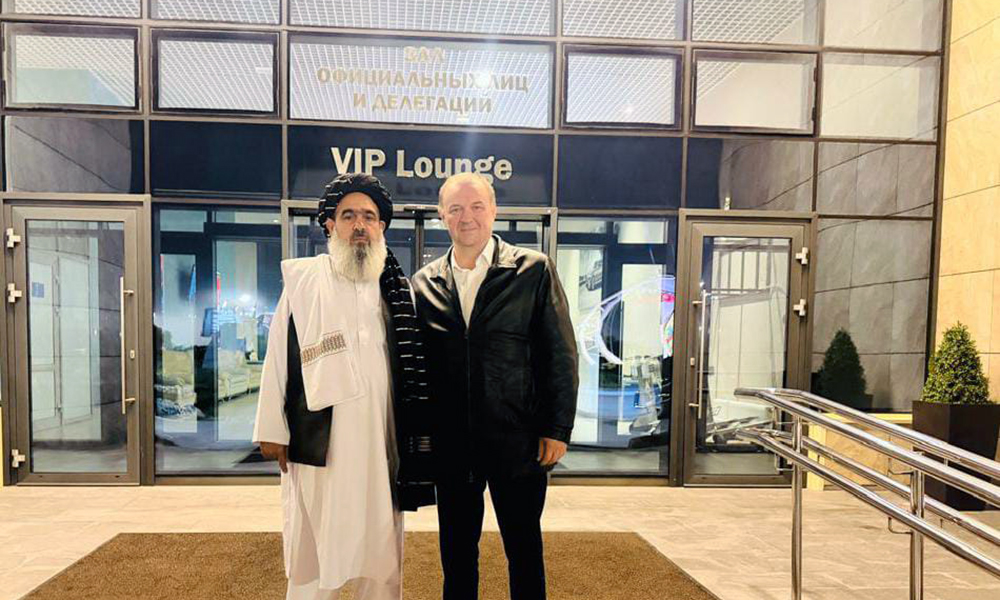
Afghanistan’s Minister of Public Health, Noor Jalal Jalali, has travelled to Belarus at the head of a delegation to strengthen health cooperation and exchange medical expertise between the two countries.
According to Afghanistan’s Ministry of Public Health, the visit will focus on expanding bilateral cooperation, reviewing Belarus’s healthcare institutions and sharing experience in medical services and specialized healthcare.
Belarusian Deputy Health Minister Barys Andrasyuk welcomed Jalali and his delegation, describing the visit as an important step toward strengthening health cooperation between Afghanistan and Belarus.
During the visit, Jalali is expected to meet with senior officials at Belarus’s Ministry of Health and visit several medical and research institutions, including the Belarusian State Medical University, a state pharmaceutical production company, specialized cardiac and oncology centers, the Republican Centre for Hygiene and Epidemiology, and an emergency clinical hospital.
The two sides are also expected to discuss cooperation in medical education, healthcare services, pharmaceutical production and specialized treatment, as well as opportunities to expand technical exchanges.
The visit comes as Afghanistan seeks to expand international cooperation in the health sector and improve access to medical expertise, training and pharmaceutical resources.
Sport
Afghanistan vs India Asian Games quarter-final abandoned without a toss
India advanced to the semi-finals because of their higher seeding, which was determined by the ICC T20I team rankings.
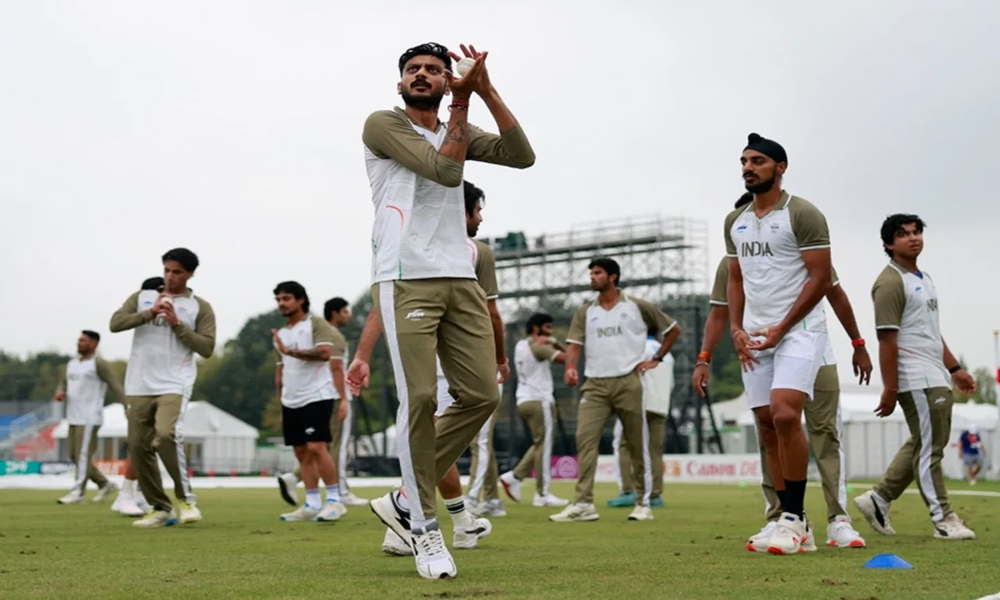
Afghanistan’s Asian Games men’s cricket quarter-final against India was abandoned without a toss on Monday after persistent rain left the outfield at Nisshin unplayable.
The match was called off 16 minutes before the scheduled toss, with no play possible because of the wet conditions.
India advanced to the semi-finals because of their higher seeding, which was determined by the ICC T20I team rankings.
India will face the winner of Tuesday’s quarter-final between Nepal and Sri Lanka in Thursday’s second semi-final.
Sri Lanka, one of the four seeded teams alongside India, Pakistan and Bangladesh, will also advance if its quarter-final against Nepal is washed out.
Earlier on Monday, the first quarter-final between Hong Kong and Pakistan was also abandoned without a toss because of rain.
This outcome marked the second consecutive Asian Games in which Afghanistan’s men’s campaign has ended against India because of rain.
At the 2023 Asian Games in Hangzhou, Afghanistan won the silver medal after the final against India was abandoned following 18.2 overs of India’s first innings. India, the higher-seeded team, were awarded the gold medal under the tournament rules.
Business
Afghanistan raises import tariffs on several goods to support domestic industry
Under the new rates, the customs tariff on bottles has increased from 12% to 16%, while the tariff on construction paint has risen from 16% to 30%.
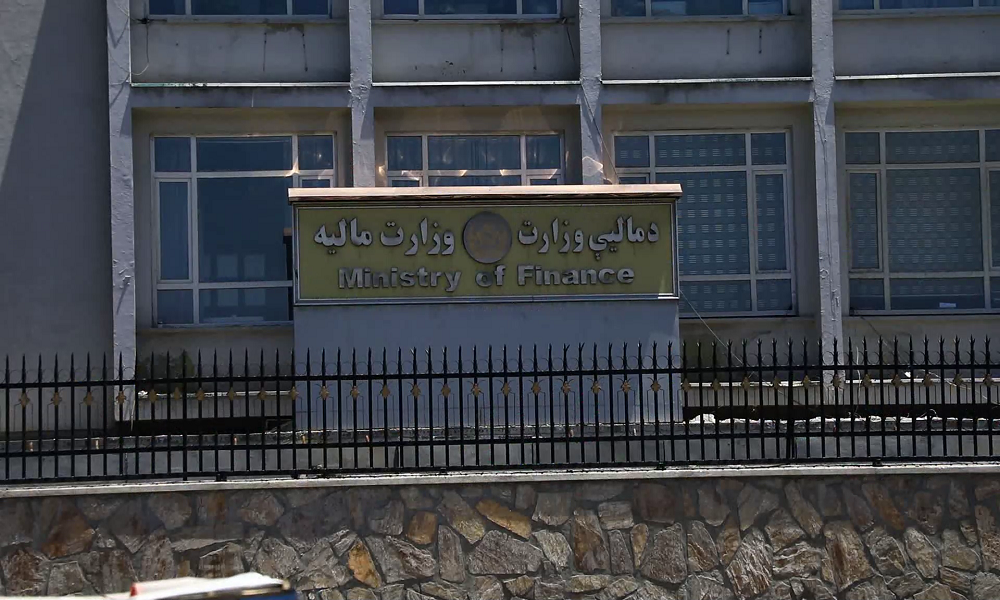
Afghanistan’s Ministry of Finance says it has increased customs tariffs on several imported goods as part of measures aimed at supporting domestic production and industrial growth.
The ministry said the Tariff Committee approved the changes during its third meeting of the 1405 solar year.
Under the new rates, the customs tariff on bottles has increased from 12% to 16%, while the tariff on construction paint has risen from 16% to 30%.
Tariffs on leather footwear and plaster have each increased from 50% to 80%, while the rate on sanitary diapers has risen from 20% to 25%.
At the same time, the tariff on heart springs has been reduced from 8% to 3.5%.
The Ministry of Finance said customs tariffs on cement, iron pipes, refrigerators and raw materials used in carpet production are also under review.
According to the ministry, the tariff adjustments are intended to protect domestic industries, strengthen local production and create conditions for further growth in trade.


Health minister visits Belarus to expand medical cooperation

Afghanistan vs India Asian Games quarter-final abandoned without a toss

Afghanistan raises import tariffs on several goods to support domestic industry

Khalilzad calls for end to Pakistan’s ‘double game’, urges new chapter with Afghanistan

Afghanistan-Kazakhstan trade reaches $581 million in six months

Saudi energy group signs major Afghanistan deals covering gas exploration and pipeline plans

Trump floats idea of renaming Atlantic or Pacific Ocean

Nepal flood rescue mission enters critical phase as thousands remain missing

Iranian clubs to face Gulf opponents at neutral venues in Asian Champions League Elite

Khalilzad: Afghanistan ready to attract major investment

Saar: Afghanistan’s image at UNGA

Saar: Concerns over Pakistan’s political crisis discussed

Exclusive interview with Abdul Latif Mansoor, Minister of MRRD

Tawsia: Overview of Afghanistan’s iron mines

Tahawol: Discussion on fresh Pakistani airstrikes on Afghanistan
-

 Latest News5 days ago
Ariana Afghan Airlines ranks seventh among 45 Central Asian airlines
-

 Regional4 days ago
Iran airlines cancel flights as US sanctions hit
-

 Sport4 days ago
Afghanistan open Asian Games cricket campaign with win over Japan
-
 World4 days ago
Trump welcomes Chinese President Xi as US-China summit gets underway
-
 World1 day ago
Trump rejects Iranian proposal to open Hormuz and end fighting
-
 Latest News1 day ago
Afghanistan says 28 killed, 32 captured in Nuristan operation
-
 Latest News4 days ago
Khalilzad warns Pakistan-Afghanistan tensions likely to worsen after fresh airstrikes
-

 Sport1 day ago
Afghan bodybuilder Ali Bilal finishes runner-up at Mr Olympia for third straight year