
موتر حامل استادان دانشگاه البیرونی در پروان هدف ماین قرار گرفت

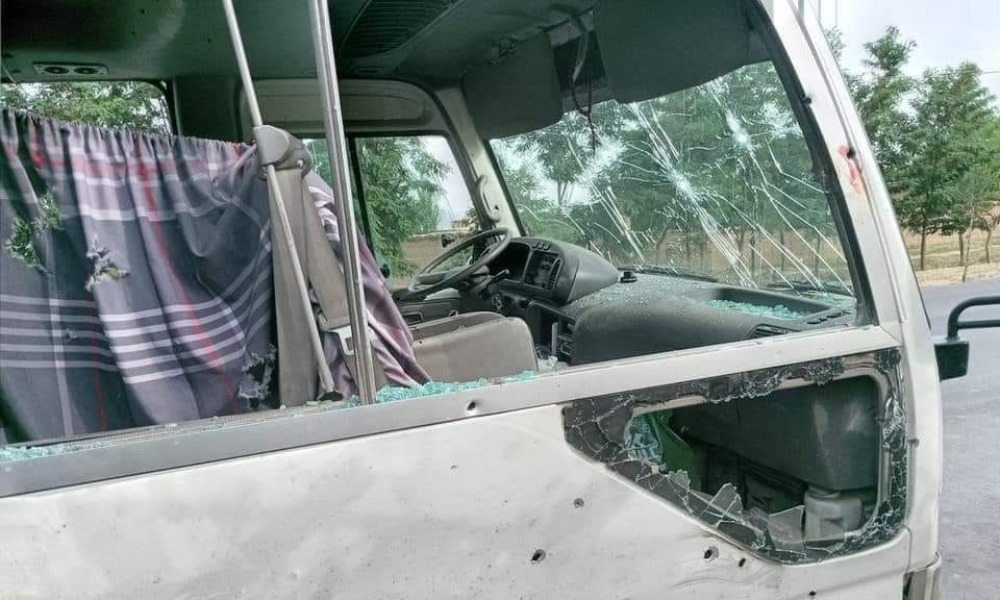
انفجار بر موتر استادان دانشگاه البیرونی در شهر چاریکار ولایت پروان چهار کشته و ۱۳ زخمی برجا گذاشت.
مدیر مبارزه با جرایم جنایی فرماندهی پولیس پروان می گوید که حوالی ساعت چهار پس از چاشت امروز، موتر نوع کاستر حامل استادان دانشگاه البیرونی ولایت پروان با یک ماین کنار جاده ای در روستای رباط ولسوالی بگرام این ولایت، برخورد کرد.
به گفته وی در نتیجه این رویداد ۳ استاد این دانشگاه و یک باشنده محل جان باختند و ۱۳ تن دیگر به شمول رییس دانشگاه – ۱۰ استاد و ۲ کارمند این دانشگاه – زخمی شده اند.
تا کنون فرد و یا گروهی مسوولیت این انفجار را به عهده نگرفته است.

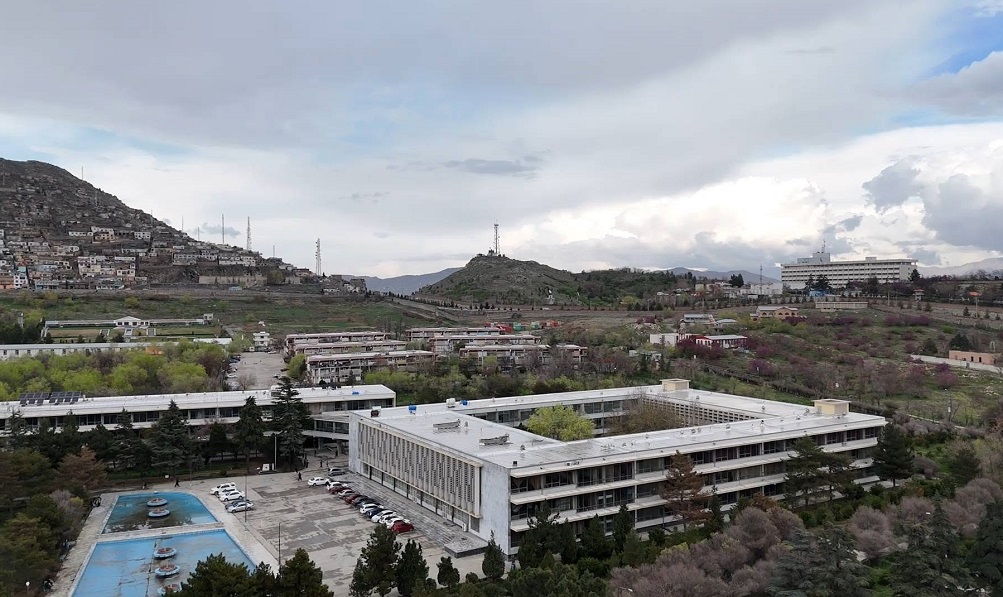
The Ministry of Higher Education says a Faculty of Aerospace Engineering and Advanced Aviation Systems has been established for the first time in Afghanistan’s higher education system at Kabul Polytechnic University.
According to the ministry, the new faculty will have four departments: Unmanned Aircraft Engineering, Aircraft Engineering, Aerospace Engineering, and Radar and Avionics Engineering.
The ministry says the faculty is part of efforts to train specialized professionals in fields needed by the country.
Speaking at a meeting of the Higher Education Council, the Minister of Higher Education discussed the achievements of the past five years and emphasized greater support for university lecturers and improving educational opportunities.
Military affairs experts say the establishment of the faculty could help strengthen Afghanistan’s scientific and technical capacity. They believe training students in aerospace, unmanned aircraft, radar and avionics could contribute to the development of domestic technical industries and strengthen the country’s capabilities in these fields.
A number of students have also welcomed the establishment of the faculty, saying it will provide young people with opportunities to study modern and specialized fields.
The Ministry of Higher Education says it is working to provide specialized training in areas considered important for the country, with the new faculty at Kabul Polytechnic University being part of these efforts.


Tahawol: Possible future scenarios for Ukraine crisis

New faculty of aerospace engineering established at Kabul Polytechnic University

Saar: Afghanistan’s relations with international community

Afghanistan end AFC U20 Asian Cup qualifying campaign with 3-1 win over Bahrain

Saudi energy group signs major Afghanistan deals covering gas exploration and pipeline plans

Four mediators struggle to secure lasting Pakistan-Afghanistan ceasefire

HesabPay unveils new visa card and digital payment app in Kabul

AFC Champions League Elite draw nears as Al-Nassr seeded above Al-Hilal

Afghanistan secure direct qualification for 2027 Men’s ODI World Cup

Abasin Defenders stun Kabul Zalmi in Kabul Premier League
Tahawol: Possible future scenarios for Ukraine crisis
Saar: Afghanistan’s relations with international community

Tahawol: Hopes for improved relations between Kabul and Washington

Saar: Afghan refugee returns discussed

Tahawol: Afghanistan and great power rivalry in Central Asia discussed
-
 Latest News4 days ago
Khyber Chamber demands reopening of Torkham crossing
-

 Regional4 days ago
Syria begins destroying Assad-era chemical weapons
-
 Latest News3 days ago
Russian official: West seeks military infrastructure in Central Asia, citing Afghanistan threat
-
 Latest News2 days ago
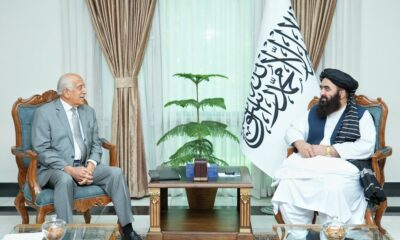
Muttaqi and Khalilzad discuss expanding Afghanistan-US relations
-
 World4 days ago
South Korea reviews military options for Strait of Hormuz
-
 Latest News3 days ago
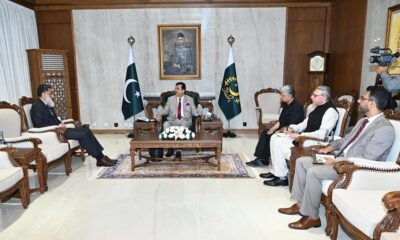
Pakistan’s envoy to Afghanistan discusses regional security with top officials in Islamabad
-
 Climate Change5 days ago
El Niño likely to intensify, may become strongest ever recorded, WMO says
-
 Regional2 days ago
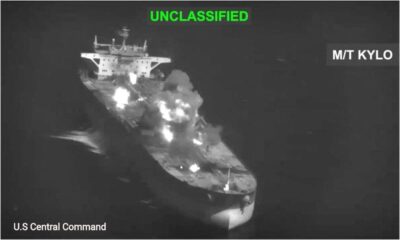
US and Iran exchange fire on vessels near Strait of Hormuz