
Latest News
60% of Inmates Being Addicted to Drugs in Pule-Charkhi Jail: Health Minister

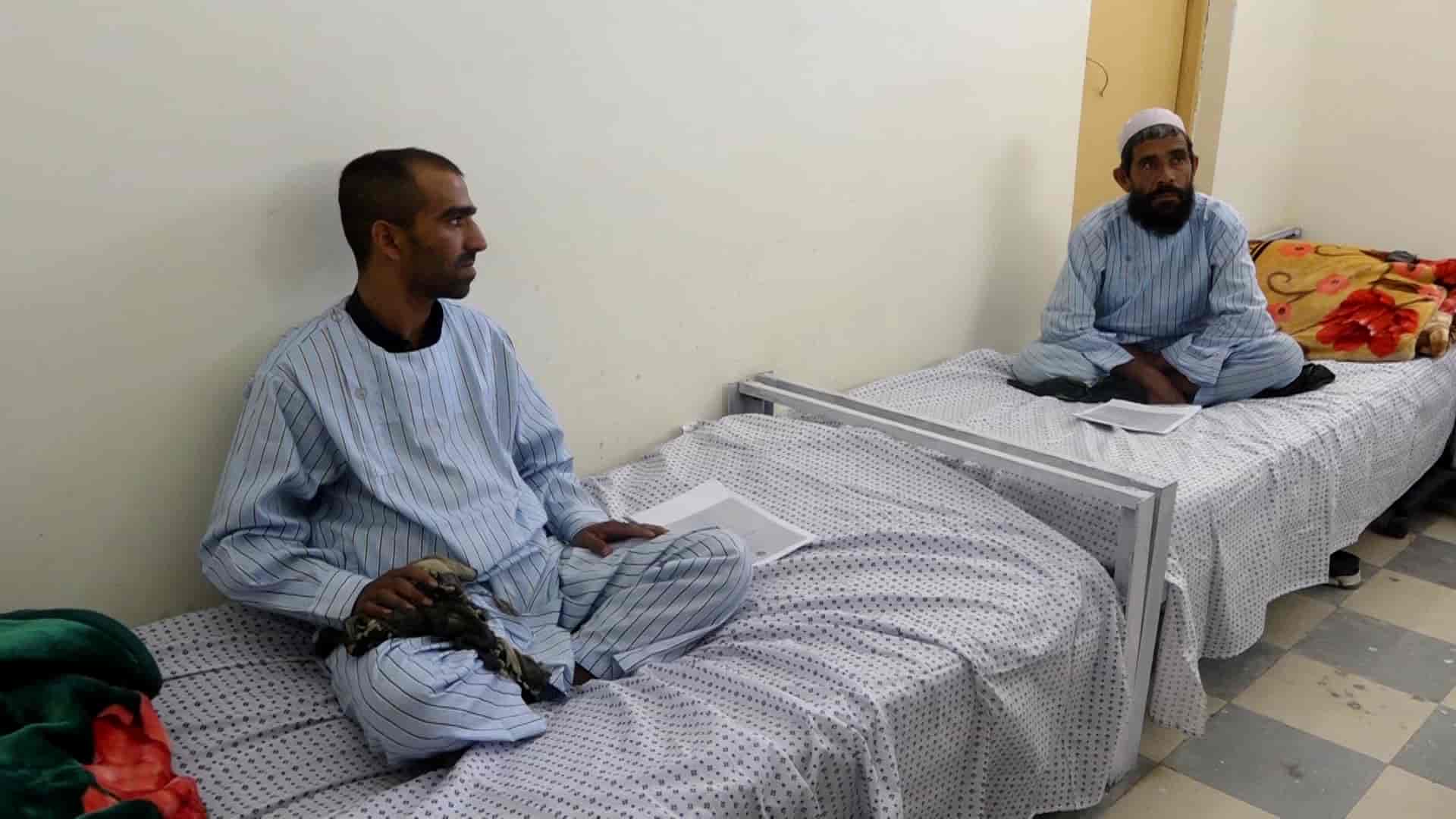
 Sixty percent of the prisoners are addicted to narcotic drugs in the Pul-e-Charkhi prison of Kabul, the Afghan Minister of Public Health said on Sunday.
Speaking at the inauguration of a 20-beds drug treatment center at the Pul-e-Charkhi prison, Dr. Firuzuddin Firuz, the Minister of Public Health said that 20 percent of inmates are addicted to drugs in all prisons across the country.
According to Mr. Firuz, the family members of the inmates especially women are transferring the drugs into the prisons.
The addicted inmates interviewed by Ariana News said that they are buying the drugs from inside of the prison at high prices.
“We are buying each with 250 Afghanis. You can find any kind of drugs inside the prison,” said an addicted prisoner.
Meanwhile, Abdul Haleem Kohistani, the Head of Pul-e-Charkhi Prison accepts the drug smuggling inside the prison.
“During the last year, we have arrested more than 10 people in connection to the drug trafficking and we have referred them to the justice,” Mr. Kohistani said.





Latest News
Karzai warns continued ban on girls’ education will deepen Afghanistan’s foreign dependence

Hamid Karzai, the former president of Afghanistan, said in recent remarks that the continuation of the ban on girls’ education and the ongoing closure of schools and universities to them will weaken national capacity, increase severe need, and lead Afghanistan toward dependence on foreign countries.
Karzai said in a statement: “While I consider universal education vital, I once again emphasize that the doors of schools and universities must be opened to girls as soon as possible. By providing opportunities for education and learning to young people—both girls and boys—the country’s problems and needs can be resolved by the capable hands of its own children, and Afghanistan can be freed from external dependence.”
Karzai made these remarks in response to a recent report by the United Nations Children’s Fund (UNICEF). According to the report, by 2030 Afghanistan will face a shortage of more than 20,000 teachers and over 5,000 female healthcare workers, and the number of girls deprived of education will exceed two million.
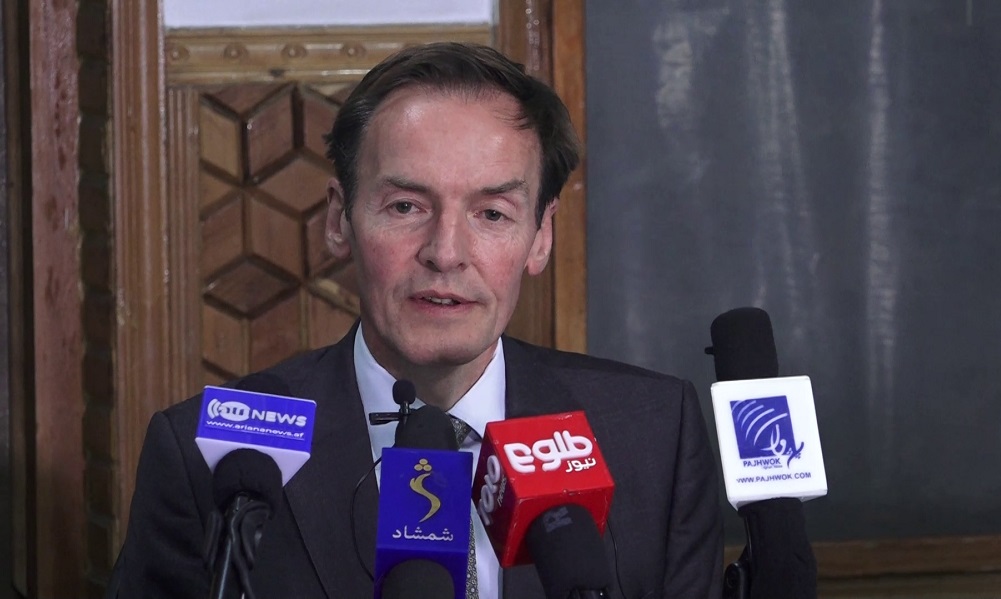
Richard Lindsay, the British Special Representative for Afghanistan, has announced that strengthening and expanding relations between London and Kabul depends on concrete actions by the authorities of the Islamic Emirate.
Lindsay stressed in a press conference in Kabul that Britain wants to develop bilateral relations with Afghanistan, but this process will not be possible without practical steps by the Afghan rulers.
He said that a stronger relationship would help Afghanistan’s future prosperity.
The British diplomat also welcomed the recent talks between Afghanistan and Pakistan and expressed hope that these efforts would lead to a reduction in tensions between the two countries. He encouraged the sides to return to dialogue and diplomacy.
Lindsay warned that the continued closure of border crossings has disrupted the process of humanitarian assistance. According to him, about one million people in the border areas are in urgent need of assistance. He added that Britain has allocated 150 million pounds this year to support the health, food and education sectors in Afghanistan.
He also emphasized the importance of the rights of women and girls and said that without their participation, Afghanistan’s economic growth will not be possible.
Lindsay noted that Britain has resettled more than 38,000 Afghan citizens since 2021, but there are currently no plans to reopen the Afghan embassy in London.
Latest News
Austria strikes deportation deal with Uzbekistan, including returns of Afghans
Austria has already deported several Afghan nationals since last year, signalling a policy shift following the Islamic Emirate takeover of Afghanistan in 2021.
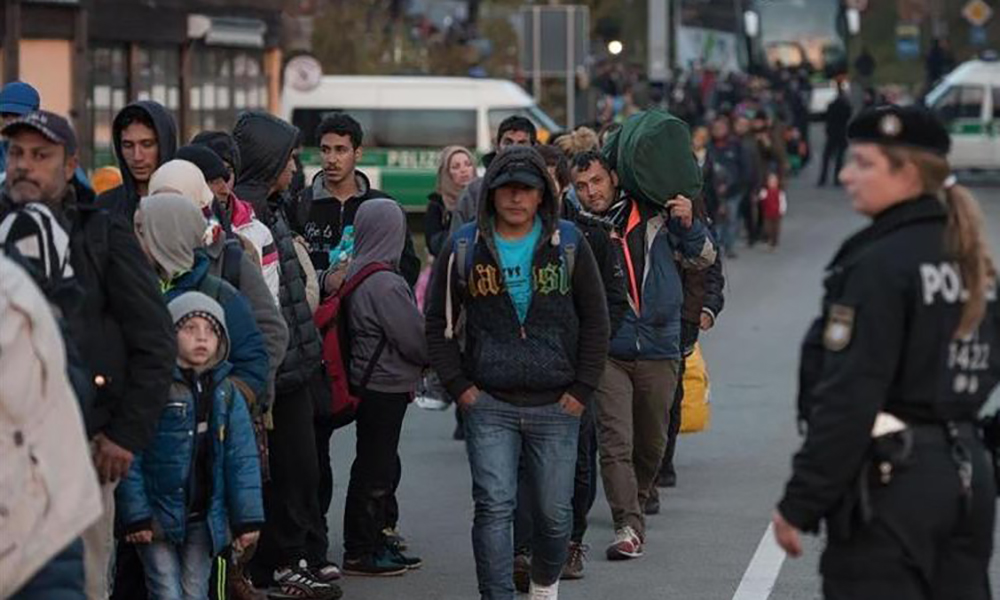
Austria will sign an agreement with Uzbekistan next month to facilitate deportations, including the return of Afghan nationals via the Central Asian country, Austria’s Interior Ministry said on Wednesday.
The move comes as several European Union member states explore partnerships outside the bloc to manage deportations and establish so-called “return hubs” for failed asylum seekers as part of broader efforts to curb irregular migration.
While EU institutions continue negotiating the legal framework for such arrangements, a group of countries — including Denmark, Austria, Greece, Germany and Netherlands — announced in March that they would proceed with planning and coordination.
According to a government statement, Austria’s interior and foreign ministers are scheduled to travel to Uzbekistan on 7 May to formally sign the agreement.
Interior Ministry spokesman Markus Haindl said the deal would provide an important transit route for people facing deportation to their countries of origin, “especially Afghanistan.”
Austria has already deported several Afghan nationals since last year, signalling a policy shift following the Islamic Emirate takeover of Afghanistan in 2021.
Vienna has also resumed returns of Syrian nationals after the fall of longtime Syrian ruler Bashar al-Assad in 2024.
The European Union is currently developing broader plans to increase deportations of migrants without legal status in the bloc, including possible returns to Afghanistan, despite warnings from rights groups and the United Nations High Commissioner for Refugees.


Tahawol: Concerns over current situation in Middle East

Documentary on Impartial Victims

Saar: Severe humanitarian crisis in Afghanistan reviewed

Karzai warns continued ban on girls’ education will deepen Afghanistan’s foreign dependence

Britain says expanding ties with Afghanistan depends on IEA actions

IEA supreme leader orders replacement of foreign terminology in official documents

Afghanistan hosts inaugural Afghanistan–Central Asia Consultative Dialogue to strengthen regional cooperation

Tripartite agreement to launch new Russia–Turkmenistan–Afghanistan transit corridor

Kazakhstan eyes rare metals mining projects in Afghanistan and Rwanda

Etihad Airways to expand Kabul–Abu Dhabi flights to daily service amid surging demand
Tahawol: Concerns over current situation in Middle East
Documentary on Impartial Victims
Saar: Severe humanitarian crisis in Afghanistan reviewed

Tahawol: Russia’s claim over Afghanistan’s instability discussed

Saar: Conflict situation between Afghanistan-Pakistan discussed
-
 Latest News5 days ago
Bayat Power extends gas supply deal with Afghan Gas
-

 Sport5 days ago
Afghanistan, Uzbekistan and Tajikistan secure top spots at Kabul wrestling festival
-
 Latest News5 days ago
IEA responds to Global Terrorism Index 2026, highlights security gains
-

 Latest News4 days ago
Six Pakistani soldiers killed in clashes with Afghan forces in Kandahar
-
 Latest News5 days ago
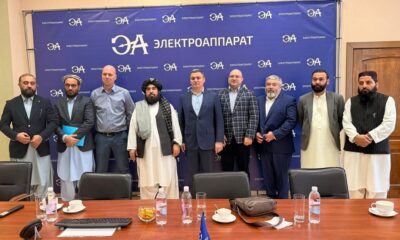
Afghanistan seeks Russian investment to boost power sector development
-
 Regional5 days ago
US-Iran peace hopes fade as Trump scraps talks
-
 Latest News4 days ago
Dozens of Kunar University staff and students wounded in Pakistani rocket attack
-

 Sport4 days ago
IPL double-header delivers drama: GT seal dominant win, KKR win Super Over