
Business
Afghan Currency Loses Value By Half in Paktia

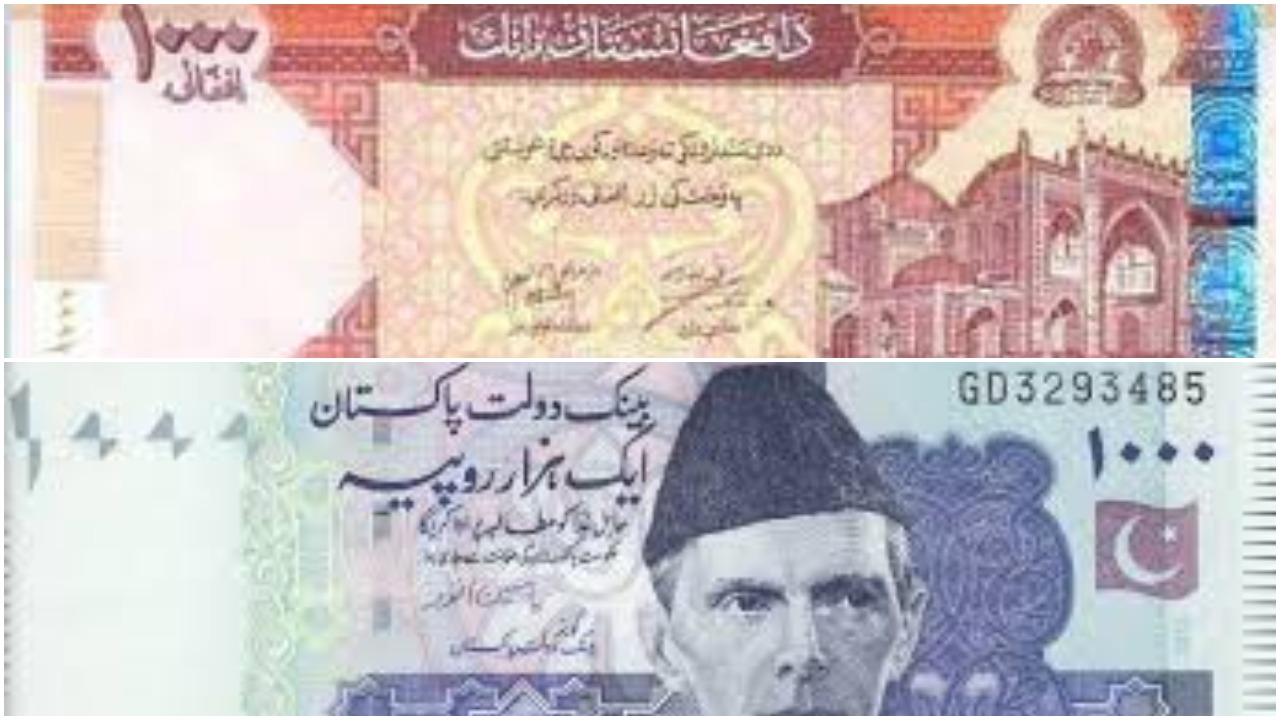
Afghan currency which is double in value against Pakistani rupee, being exchanged at the same value in business transactions in eastern Paktia province of Afghanistan.
Local residents said that despite the authorities have imposed restrictions on the usage of Pakistani rupees, the foreign currency still being widely used in the province.
Currently, one thousand Pakistani rupees can be exchanged with 536 Afghanis in the markets; however, local residents said that both currencies have the same value when purchasing the foodstuff in Paktia province.
They said this situation makes them do their transaction in Pakistani currency.
The provincial governor Shamim Katawazai, meanwhile, said that they will soon address the issue by forming a price list for the items in the local markets.
This comes as most of the border provinces in Afghanistan have been under the economic and cultural influence of neighboring countries including Paktia province which located near the Pakistan border in the eastern part of the country.

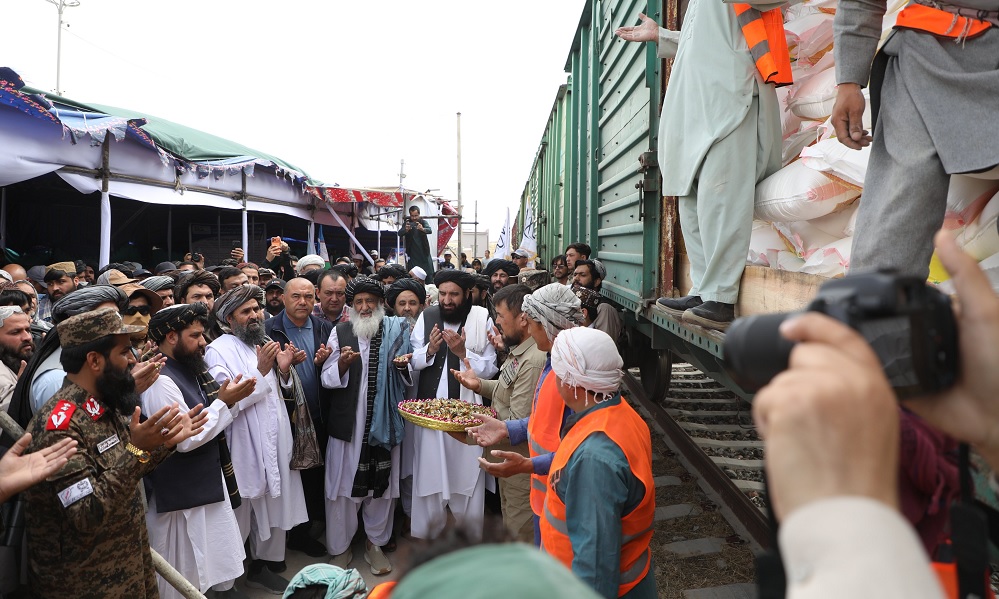
Mullah Abdul Ghani Baradar, the Deputy Prime Minister for Economic Affairs, on Thursday officially reopened the fifth section of the Hairatan–Mazar-e-Sharif railway line in northern Balkh province, marking another step in Afghanistan’s efforts to expand its rail infrastructure and regional trade connectivity.
Speaking at the reopening ceremony, Baradar praised the Ministry of Public Works for its efforts in developing Afghanistan’s railway network and expressed appreciation for Uzbekistan’s cooperation in the project.
He said economic and commercial ties between Afghanistan and Uzbekistan have strengthened significantly in recent years, adding that a joint committee led by the governor of Balkh and involving relevant institutions has been established to further enhance bilateral cooperation.
Officials said the newly reopened section of the railway is 70 kilometers long and includes 30 kilometers of branch lines, five railway stations, and the capacity to unload up to 50 wagons simultaneously.
The government said the reopening of the railway section is expected to improve the transportation of commercial goods, increase trade volume, and facilitate regional economic connectivity between Afghanistan and neighboring countries.
The Hairatan–Mazar-e-Sharif railway is considered one of Afghanistan’s most important trade corridors, linking the country to Central Asia through Uzbekistan.
Business
Kabul, Tashkent push industrial cooperation with planned factory transfers
The talks focused on strengthening collaboration in the light industry sector and making use of Uzbekistan’s experience in manufacturing and industrial development.
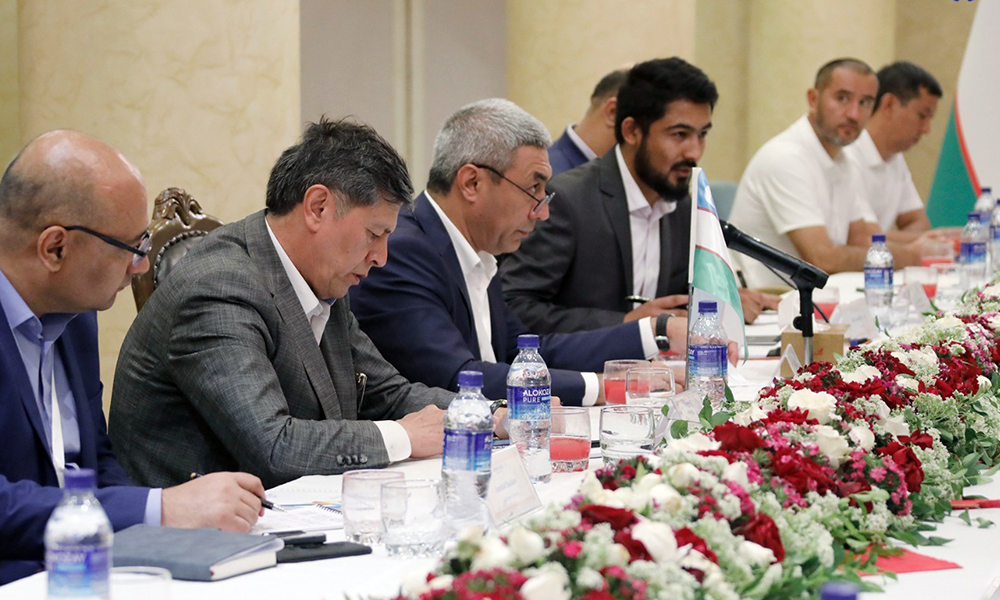
Afghanistan and Uzbekistan have discussed the transfer of 20 light industry factories to Afghanistan as part of efforts to deepen economic cooperation and expand industrial investment between the two countries.
According to Afghanistan’s Ministry of Industry and Commerce, the discussions took place during a bilateral meeting between Nooruddin Azizi, Afghanistan’s Minister of Industry and Commerce, and Nozimjon Kholmurodov, head of the Light Industry Development Agency under Uzbekistan’s Council of Ministers, along with their respective delegations.
The talks focused on strengthening collaboration in the light industry sector and making use of Uzbekistan’s experience in manufacturing and industrial development.
Key topics included standard cotton cultivation in Afghanistan, cotton processing and yarn production, as well as the relocation of cotton processing, leather and cashmere factories from Uzbekistan to Afghanistan. The two sides also discussed the production of leather boots and textiles in Afghanistan and the export of Uzbek-made garments to Afghan markets.
Officials further reviewed plans for transferring 20 factories from Uzbekistan to Afghanistan across various industrial sectors.
Discussions also covered organizing a specialized international light industry exhibition at the Termez joint market and promoting joint investment in Afghanistan’s yarn production industry.
At the conclusion of the meeting, both sides introduced technical and liaison teams tasked with following up on the implementation of the agreed initiatives.
Business
Afghanistan’s domestic pharmaceutical production sees major growth: Mullah Baradar
Officials attending the exhibition said 134 pharmaceutical manufacturing factories are currently operating across Afghanistan, producing around 1,170 types of medicines.
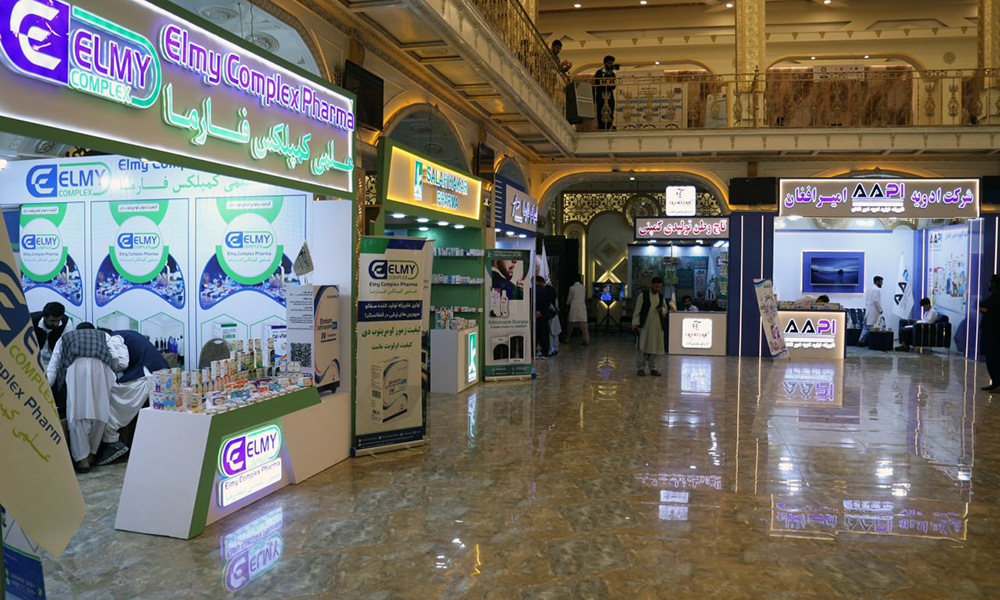
Mullah Abdul Ghani Baradar on Tuesday announced a significant increase in Afghanistan’s domestic pharmaceutical production, saying local manufacturers are now supplying a much larger share of the country’s medicine demand.
Speaking at the opening ceremony of the second national and international Abu Ali Sina Balkhi specialized exhibition in Kabul, Baradar said strengthening domestic production is one of the most effective ways to counter economic pressure and sanctions.
According to him, a decline in imports of foreign medicines in recent months has helped accelerate growth in Afghanistan’s pharmaceutical sector, while public trust in locally produced medicines has also increased.
“Today, a considerable portion of the country’s pharmaceutical needs is being supplied through domestic production,” Baradar said.
He noted, however, that despite recent progress, Afghan pharmaceutical factories still need to improve production standards and expand output in line with international requirements.
Baradar also called on traders to avoid hoarding medicines or selling them at inflated prices, urging relevant authorities to take firm action against such practices.
The deputy prime minister invited both domestic and foreign investors to invest in Afghanistan, saying the Islamic Emirate is working to simplify investment procedures and introduce electronic systems to facilitate business operations.
He added that the Islamic Emirate is not only focused on strengthening the domestic economy but is also seeking to expand regional and international economic ties.
According to Baradar, economic engagement with neighboring and regional countries has increased in recent months.
Officials attending the exhibition said 134 pharmaceutical manufacturing factories are currently operating across Afghanistan, producing around 1,170 types of medicines.
They added that nearly $450 million has been invested in the sector so far, and domestic production now meets 38 percent of the country’s pharmaceutical demand — up from 25 percent just eight months ago.
The Abu Ali Sina Balkhi specialized exhibition, which features dozens of pharmaceutical companies, will continue for four days in Kabul.


Uzbekistan plans to build new railway line at Nayebabad station

Tahawol: Push for agreement between Iran and US discussed

Saar: Afghanistan in China-Russia’s limelight discussed

IEA says marriage separation regulation aligns with Sharia

Fifth section of Hairatan–Mazar-i-Sharif railway reopens in northern Afghanistan

New Afghanistan-China transport corridor launched via Turkmenistan

Afghanistan signs $46 million deal to develop standard laboratory complexes

Bayat Power extends gas supply deal with Afghan Gas

Germany to launch online visa system for Afghan study and work applicants in Pakistan

Afghanistan launches first 5G trial in Kabul to boost telecom services
Tahawol: Push for agreement between Iran and US discussed
Saar: Afghanistan in China-Russia’s limelight discussed

Tahawol: Call for handing over Afghanistan’s UN seat to IEA discussed

Saar: Pakistan’s emphasis on peaceful ties with Kabul discussed

Tahawol: Reason for postponing US attack on Iran reviewed
-
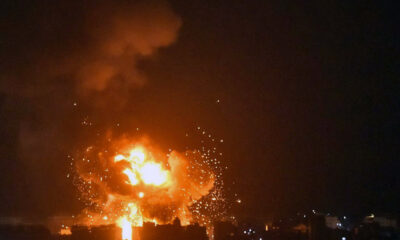
 World5 days ago
Large blast near Beit Shemesh part of pre-planned test: Israeli defense firm
-
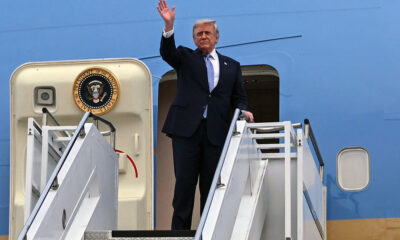
 World4 days ago
Trump returns from China with stability but little progress
-
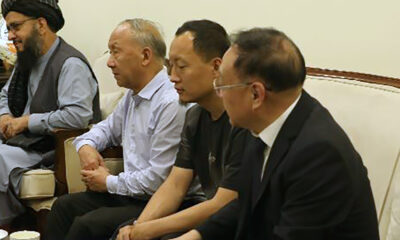
 Business4 days ago
Chinese and Uzbek investors express interest in Afghanistan’s mining sector
-
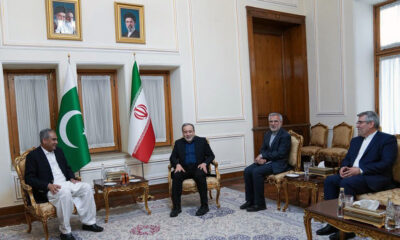
 Regional3 days ago
Revised Iranian proposal to end war shared with US, Pakistani source says
-
 Latest News3 days ago
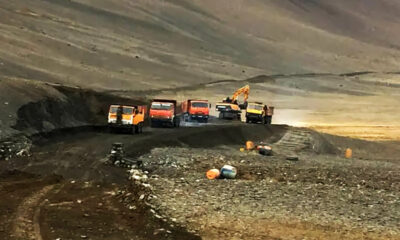
Afghanistan, China discuss Wakhan Corridor cooperation and future infrastructure projects
-
 Regional4 days ago
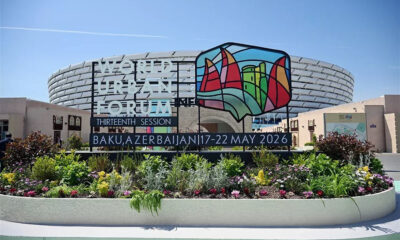
Azerbaijan hosts record-breaking World Urban Forum in Baku
-
 Sport3 days ago
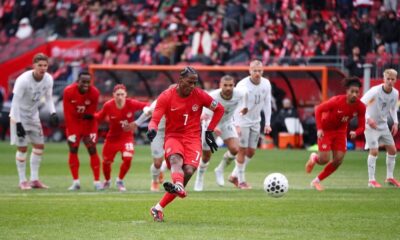
Canada aim for historic first World Cup win on home soil in 2026
-
 Sport4 days ago
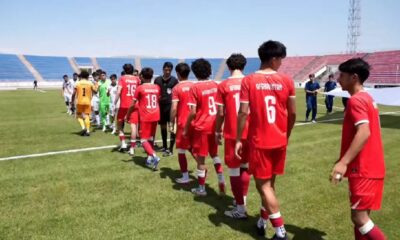
Afghanistan, Kyrgyzstan play out stalemate in CAFA U-20 Championship