
Latest News
U.S. Assures Taliban of Afghanistan Pullout: Sources

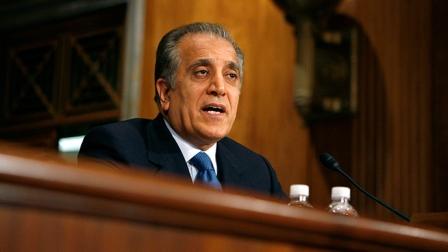
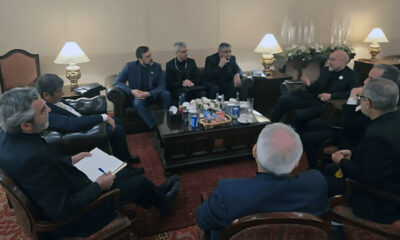
The peace talks between the U.S. and the Taliban representatives aimed at reaching a political settlement in Afghanistan were set for second day in Doha, capital of Qatar.
The Taliban met the U.S. officials in Doha, days after threatening to pull out of Afghan peace talks and a day after Taliban fighters killed dozens of the Afghan security forces in Wardak province.
The Taliban said that their eight-member delegation was led by Abbas Stanikzai in the meeting with Zalmay Khalilzad, U.S. special representative for Afghanistan political reconciliation, who was leading the U.S. delegation.
Taliban sources told Ariana News on Tuesday, that in the meeting the U.S. special envoy Zalmay Khalilzad has assured the Taliban representatives on withdrawal of foreign troops from Afghanistan.
“Taliban wants to guarantee that Afghanistan will not be a threat to the United States. Zalmay Khalilzad should also give assurance to the Taliban that the U.S. troops will leave Afghanistan. These were the two issues as they discussed in Qatar,” a source close to the Taliban said.
Following the matter, the High Peace Council said that the U.S.-Taliban meetings would not have an impact on the Afghan peace process unless the Taliban engage in talks with the Afghan government.
It comes as Khalilzad has held several rounds of talks with Taliban representatives in Qatar in recent months, and the last meeting between the two sides had taken place in the United Arab Emirates in December.







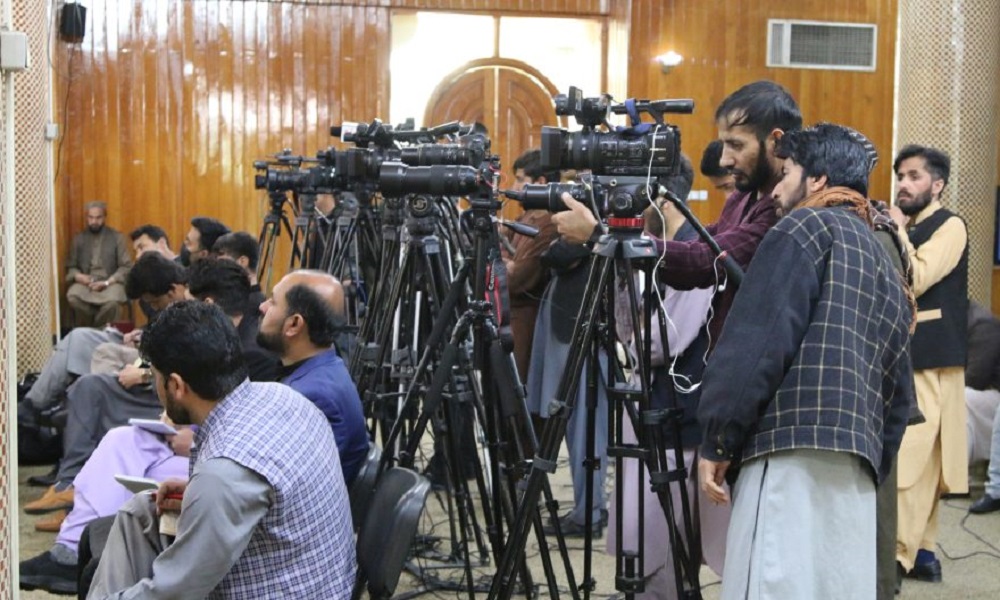
The Media Violations Review Commission in Afghanistan says it held dozens of meetings over the solar year 1404 to review complaints from journalists and assess regulatory breaches across media outlets nationwide.
According to officials, the commission also issued new licences during the year to 16 radio stations, one website, five print publications, two news agencies, 90 YouTube channels, and 27 cultural institutions.
In addition, operating licences were renewed for two television channels, 29 radio stations, four print outlets, and 12 cultural organisations.
The report states that 76 violations were recorded in broadcast media, including radio and television, while a further 35 cases were identified across digital platforms such as YouTube, websites, X (formerly Twitter), and others. All cases, officials said, were reviewed and processed by the commission.
Authorities also said the body addressed complaints raised by 26 journalists and examined around 7,000 copies of newspapers, weekly papers, and monthly magazines from both Kabul and the provinces.
Officials say the commission’s work is aimed at regulating media activity, handling complaints, and improving working conditions for journalists across the country.
Latest News
EU in quiet contacts with IEA over Afghan migrant returns
The clarification comes amid increasing political pressure within parts of the EU to advance deportations to Afghanistan.
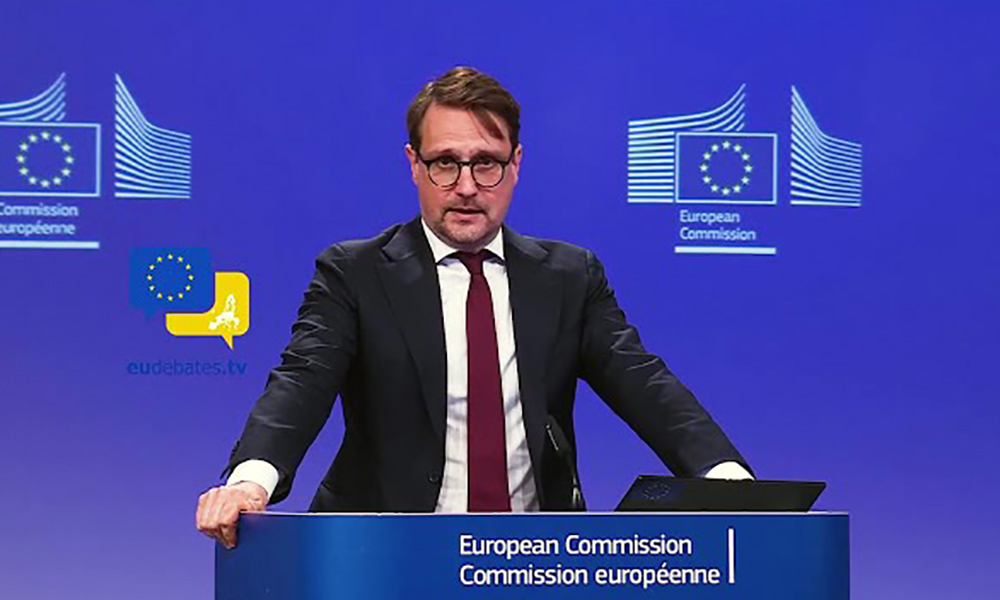
The European Commission has addressed growing speculation over whether the EU is engaging with the Islamic Emirate of Afghanistan (IEA) on deportations and migration returns, confirming that while no formal political contact or recognition exists, limited technical-level discussions are taking place.
At a press briefing in Brussels, the Commission said there had been no official meetings, invitations, or diplomatic recognition of the IEA.
However, it acknowledged that some operational contacts are ongoing at a technical level, following requests from EU interior and migration ministers to improve coordination on the return of Afghan nationals who have no legal right to remain in Europe, including individuals assessed as security risks.
The clarification comes amid increasing political pressure within parts of the EU to advance deportations to Afghanistan.
The Commission emphasised that Afghanistan remains a highly sensitive case due to ongoing humanitarian concerns and human rights restrictions under the IEA administration. These conditions, it noted, make any return policy legally and operationally difficult under EU and international law.
It also stressed that return decisions remain the responsibility of individual member states and must comply with fundamental rights protections.
The issue has gained further momentum following reports that Sweden is set to take a leading role in EU-level outreach to the IEA, as the bloc weighs how to handle increasing numbers of Afghan nationals subject to deportation orders across Europe.
While some member states are pushing for more structured cooperation with Kabul authorities to facilitate returns, others remain cautious, warning that engagement with the IEA could raise legal and political concerns given its international status and domestic policies.
The Commission reiterated that any contacts are strictly technical and focused on practical migration management rather than political recognition or broader engagement with the IEA government.
Latest News
UK sets new limits on Afghan relocation, ends evacuation assistance
The National Audit Office warned in March that it could take nearly three more years to complete relocations unless sped up.
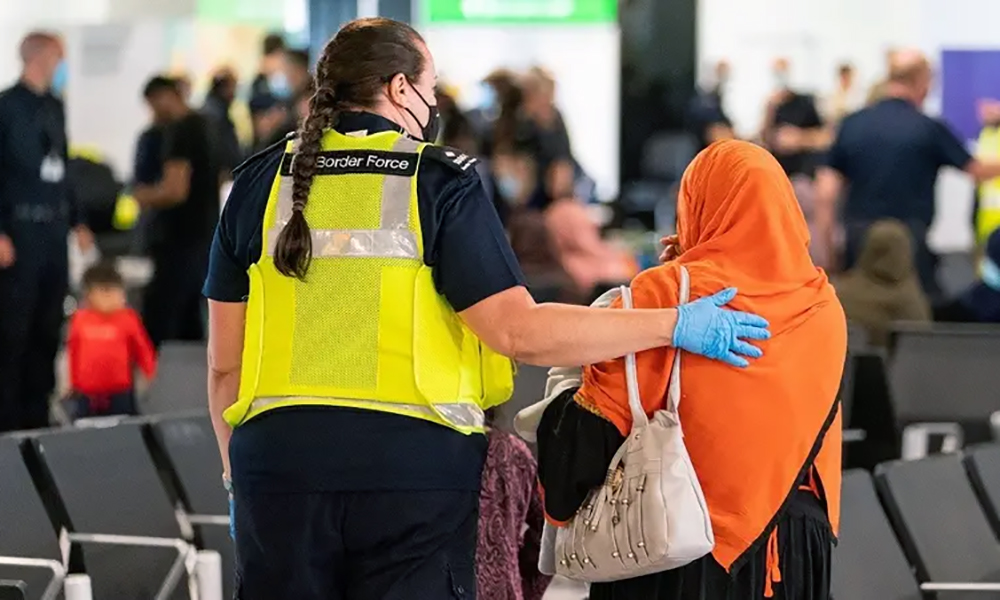
Afghan families approved for resettlement in Britain will now have to get to the UK without assistance, the Ministry of Defence (MoD) has confirmed.
Defence Minister Luke Pollard told MPs in a written statement that around 9,000 Afghans still awaiting relocation will no longer receive help to leave the country. Instead, they are expected to “make their own way to a third country when they are able to do so,” where visa and housing support will be provided until 2028.
He said some eligible families had already moved independently to countries such as Pakistan, and the decision followed evidence of “successful self-moves,” reassessment of risk, and cost considerations. He added that in-country relocation support was no longer sustainable.
The National Audit Office warned in March that it could take nearly three more years to complete relocations unless sped up. The schemes closed to new applicants in July last year, shortly before a major MoD data breach affecting applicants was revealed.
The Afghan Resettlement Programme had aimed to complete relocations by March 2029, but a new deadline of December 2028 has been set, after which all support will end. The British government is also winding down temporary accommodation, with six hotels still in use and two due to close shortly.


Afghan women’s refugee team cleared to compete in FIFA competitions

Dozens of media violations reviewed as Afghanistan expands licensing in 1404

FIFA offers ATN official World Cup Preview Series ahead of tournament

Afghanistan launches first 5G trial in Kabul to boost telecom services

EU in quiet contacts with IEA over Afghan migrant returns

IEA supreme leader orders replacement of foreign terminology in official documents

Afghanistan hosts inaugural Afghanistan–Central Asia Consultative Dialogue to strengthen regional cooperation

TAPI gas pipeline advances 25 km in Afghanistan

Russia backs Uzbekistan–Afghanistan trade hub, praises regional economic cooperation

Tripartite agreement to launch new Russia–Turkmenistan–Afghanistan transit corridor

Tahawol: Russian special representative trip to Kabul discussed

Saar: World’s reactions to Pakistani attacks in Kunar discussed

Tahawol: Kabul and Riyadh Push to Expand Ties

Saar: Kunar Under Attack by Pakistani Military Forces

Saar: Anti-immigration wave gains ground worldwide
-
 Latest News3 days ago
Bayat Power extends gas supply deal with Afghan Gas
-
 Sport3 days ago
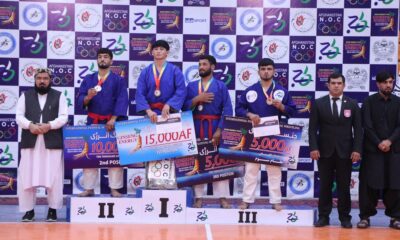
Afghanistan, Uzbekistan and Tajikistan secure top spots at Kabul wrestling festival
-

 Latest News4 days ago
UK considers talks with IEA over deporting Afghan asylum seekers
-
 Latest News3 days ago
IEA responds to Global Terrorism Index 2026, highlights security gains
-
 Latest News4 days ago
Afghanistan-Pakistan talks in Urumqi were positive: Muttaqi
-
 Regional4 days ago
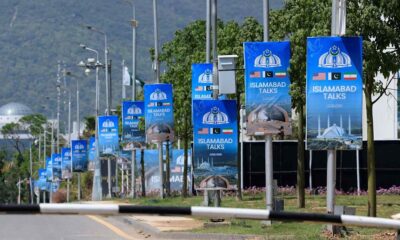
Iran’s foreign minister arrives in Pakistan, Trump expects offer satisfying US demands
-
 Latest News3 days ago
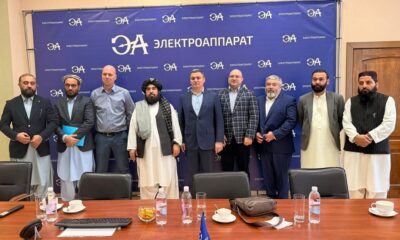
Afghanistan seeks Russian investment to boost power sector development
-

 Latest News2 days ago
Six Pakistani soldiers killed in clashes with Afghan forces in Kandahar