
Business
No relief yet for Pakistan as FATF keeps it on global grey list

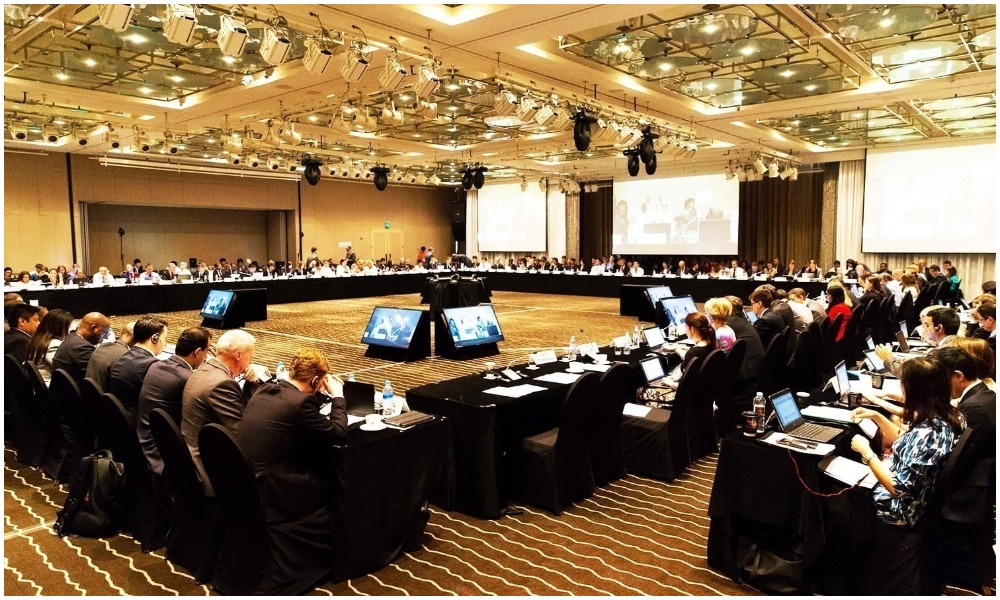
The Financial Action Task Force (FATF) on Friday announced it would keep Pakistan on the grey list until at least February next year.
Speaking at a virtual press conference in Paris on Friday the anti-money laundering/terror financing watchdog’s president Marcus Pleyer said there were still conditions Pakistan needs to comply with before they can be removed from the grey list.
“Pakistan must comply with the remaining six items, then the FATF will send its onsite team to verify progress on the ground. After completion of this process, the FATF will consider Pakistan to be excluded from the list of jurisdictions with increased risk of terror financing that is called the grey list.”
Pleyer said although Pakistan has made progress in terms of carrying out reforms and implemented measures such as imposing sanctions against those financing terrorism, more still needed to be done.
The FATF plenary removed Iceland and Magnolia from the grey list. North Korea and Iran will remain on the blacklist.
Meanwhile, Pakistan’s Federal Minister for Industries Hammad Azhar said on Twitter: “FATF acknowledges that any blacklisting is off the table now. Pak has achieved impressive progress on its FATF action plan. 21 out of 27 action items now stand cleared. Remaining 6 rated as partially complete. Within a year, we progressed from 5/27 to 21/27 completed items.”
According to a statement issued by FATF Pakistan’s continued political commitment has led to progress in a number of areas including taking action to identify and sanction illegal MVTS, implementing cross-border currency and controls, improving international cooperation in terrorist financing cases and applying sanctions where necessary, among others.
The statement noted that Pakistan should continue to work on implementing its action plan to address its strategic deficiencies.
One area FATF said Pakistan needs to work on is to demonstrate effective implementation of targeted financial sanctions against all 1,267 and 1,373 designated terrorists and those acting for or on their behalf.
However, the FATF said it “takes note of the significant progress made on a number of action plan items. To date, Pakistan has made progress across all action plan items and has now largely addressed 21 of the 27 action items. As all action plan deadlines have expired, the FATF strongly urges Pakistan to swiftly complete its full action plan by February 2021.”



Business
$30 million pharmaceutical investment launched in Herat as new production line opens
Meanwhile, the newly inaugurated serum and injectable production line is capable of producing up to 100,000 packages of serum per day.

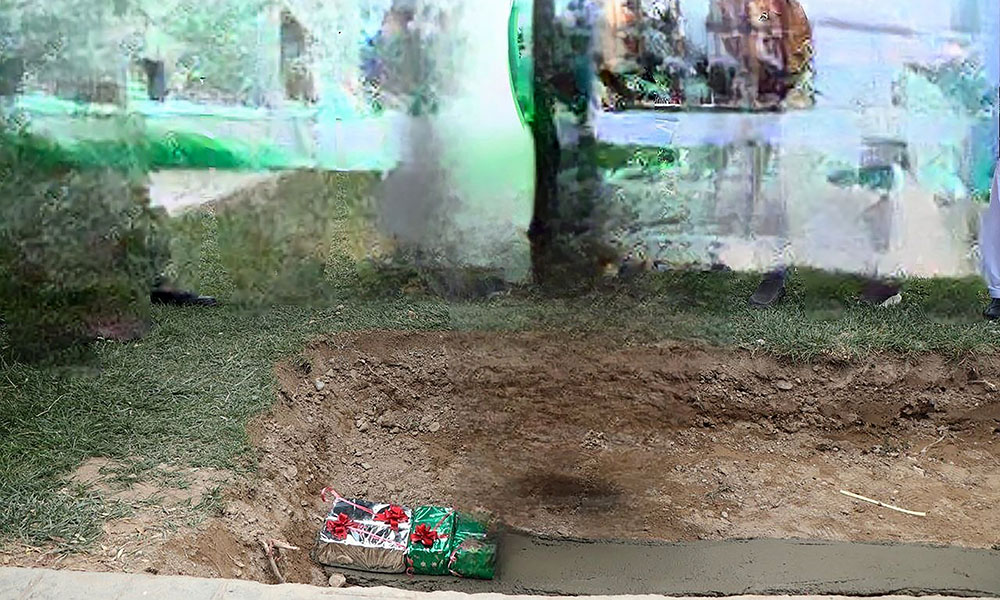
The foundation stone has been laid for three new pharmaceutical production blocks at Ovison Pharma in Herat, with an investment of $30 million, while the factory’s new serum and injectable production line has also been inaugurated.
The new production blocks will be constructed on a 3,000-square-metre site, with each facility planned to have five floors. Equipped with advanced machinery and designed to meet international standards, the expansion is expected to significantly increase the factory’s pharmaceutical production capacity.
Meanwhile, the newly inaugurated serum and injectable production line is capable of producing up to 100,000 packages of serum per day.
The expansion marks a significant step toward strengthening Afghanistan’s pharmaceutical industry, increasing domestic production and reducing the country’s reliance on imported medicines.
The investment is also expected to support the development of local manufacturing capacity and improve access to domestically produced pharmaceutical products.
Business
Afghanistan approves new foreign investment policy in bid to attract international investors
The decisions have been forwarded to the office of the Supreme Leader of the Islamic Emirate for final approval.
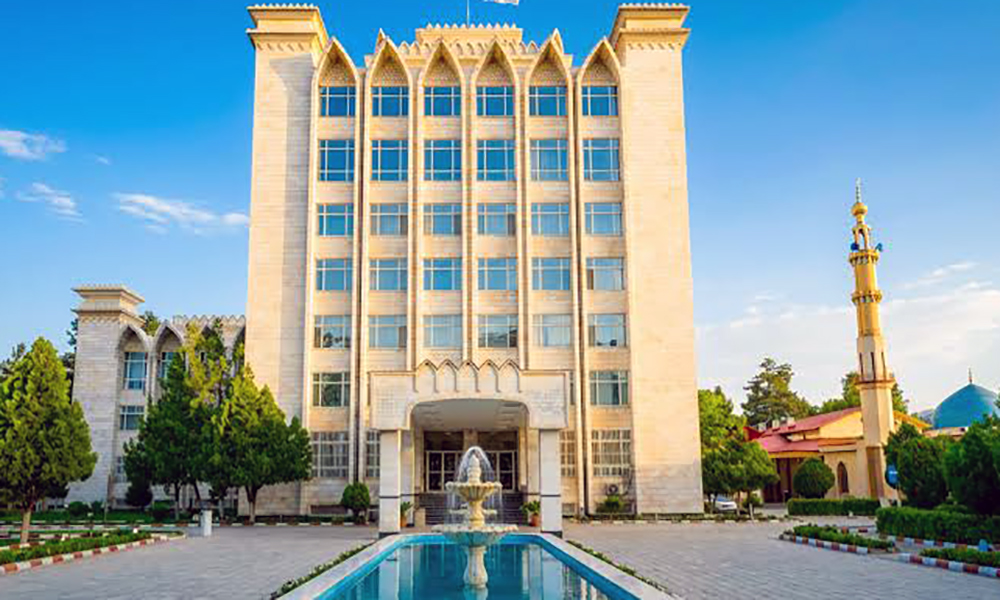
Afghanistan’s Economic Commission has approved a new foreign investment policy aimed at attracting international investors, improving investment opportunities and supporting the country’s economic growth.
The decision was made during the commission’s regular meeting, chaired by Mullah Abdul Ghani Baradar, Deputy Prime Minister for Economic Affairs, at the Marble Palace on Monday.
According to the Deputy Prime Minister’s Office for Economic Affairs, the proposed policy was presented by a committee established under the leadership of the economic deputy office. Following a comprehensive review and consideration of the commission’s recommendations, the policy was approved.
The policy aims to regulate foreign investment activities, facilitate investment procedures, create a favourable environment for investors, ensure investment security and promote Afghanistan’s economic growth and development.
During the meeting, the commission also approved a proposal concerning the payment of fixed taxes by commercial import companies at the country’s customs offices.
Officials said implementing the proposal would create additional facilities and simplify procedures for importing businesses.
The decisions have been forwarded to the office of the Supreme Leader of the Islamic Emirate for final approval.
Business
Afghanistan and Iran discuss boosting trade and investment ties
Both sides agreed to follow up on the issues raised, improve coordination between relevant economic institutions and work towards removing barriers to trade.
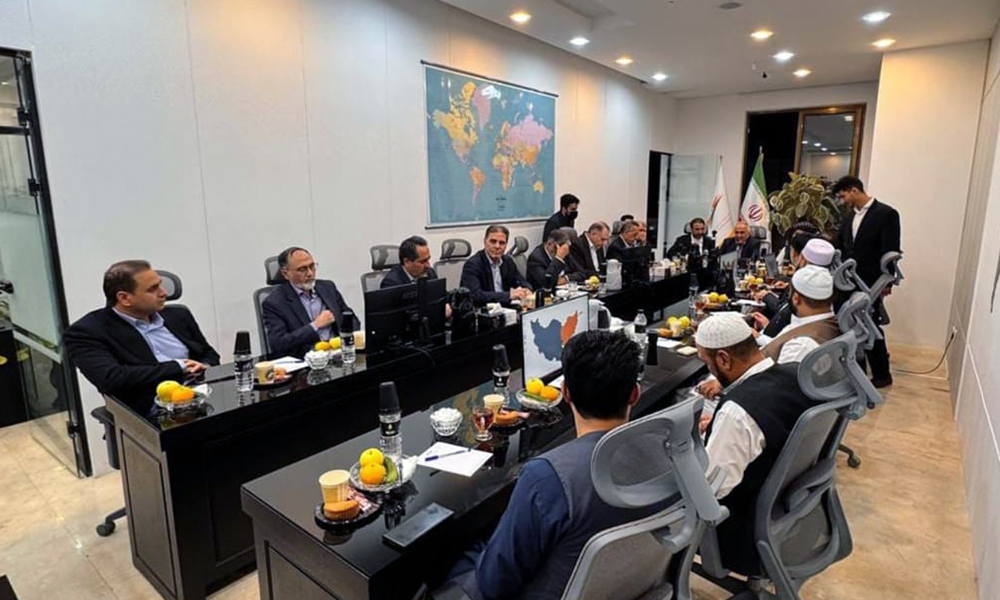
Afghanistan and Iran have held talks on expanding bilateral trade, improving cross-border commerce and creating new investment opportunities for businesses in both countries.
The discussions took place during a meeting between a trade delegation from Afghanistan’s Kandahar province and representatives of the Iran-Afghanistan Joint Chamber of Commerce.
The Afghan delegation was led by Kamaluddin Tawhid, Chairman of the Afghanistan-Iran Joint Chamber of Commerce, who met with his Iranian counterpart, Mahmoud Seyadat, along with members of the chamber’s board of directors. Afghanistan’s Consul General in Mashhad, Noor Mohammad Mutawakkil, also attended.
The talks focused on strengthening economic cooperation, streamlining trade procedures at ports and border crossings, and encouraging joint investment by Afghan and Iranian companies.
Participants also raised several practical obstacles affecting commercial activities, including foreign exchange obligations, visa arrangements for Afghan truck drivers and the movement of Afghan freight vehicles through Iranian territory.
Tawhid highlighted Kandahar’s economic potential and investment opportunities across Afghanistan, urging Iranian businesses to play a greater role in the country’s economy.
He also pointed to investment opportunities identified by Afghanistan’s Ministry of Industry and Commerce, stressing the need for improved facilities for private-sector businesses and closer cooperation between the two countries’ commercial communities.
Both sides agreed to follow up on the issues raised, improve coordination between relevant economic institutions and work towards removing barriers to trade.
The meeting concluded with a commitment to strengthen commercial exchanges and expand trade and investment relations between Afghanistan and Iran.


Tahawol: Efforts to halt deportation of Afghan refugees from US discussed
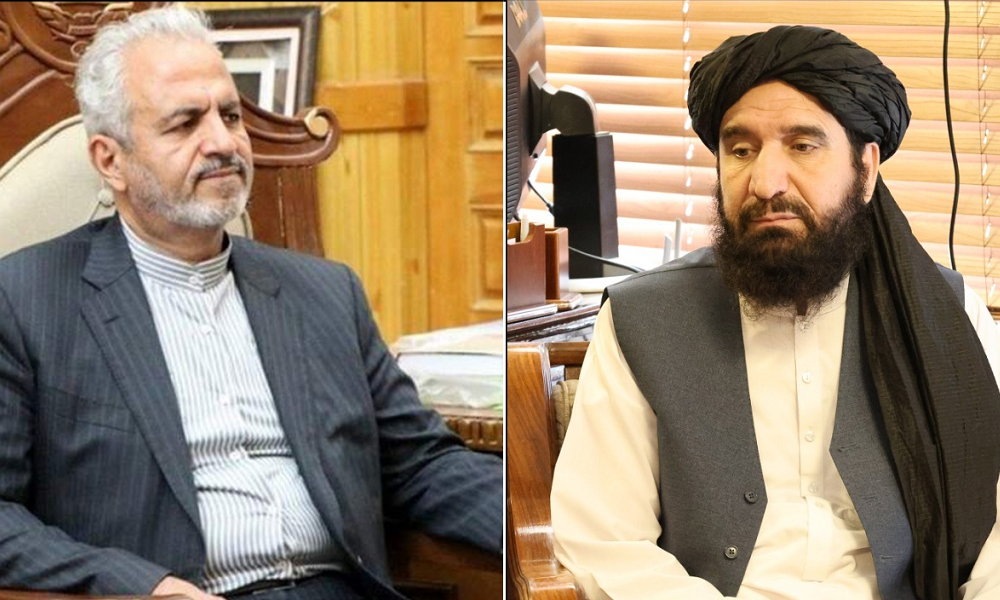
Afghan and Iranian officials discuss expanding economic cooperation
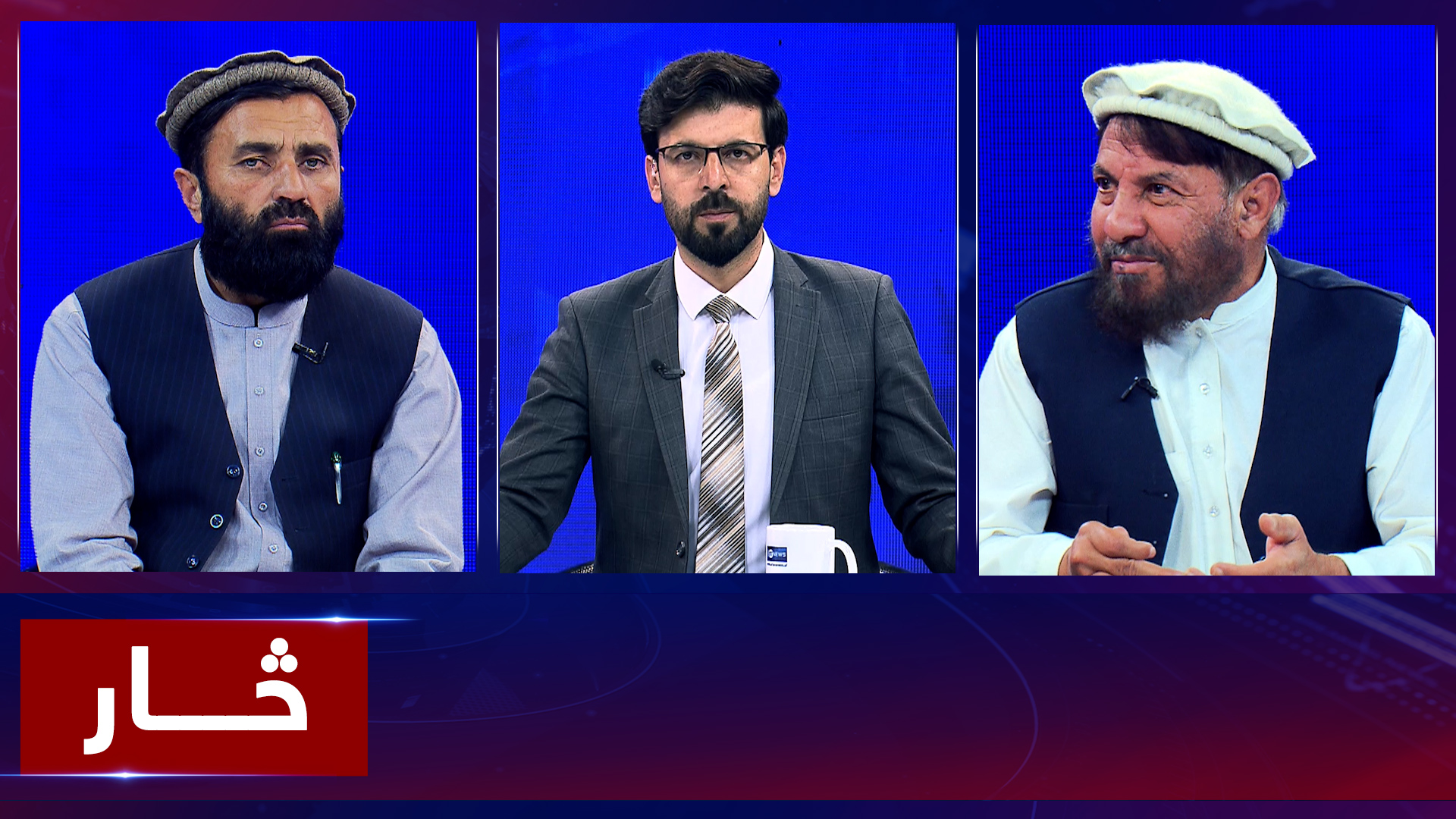
Saar: Russia’s stance on Afghanistan discussed
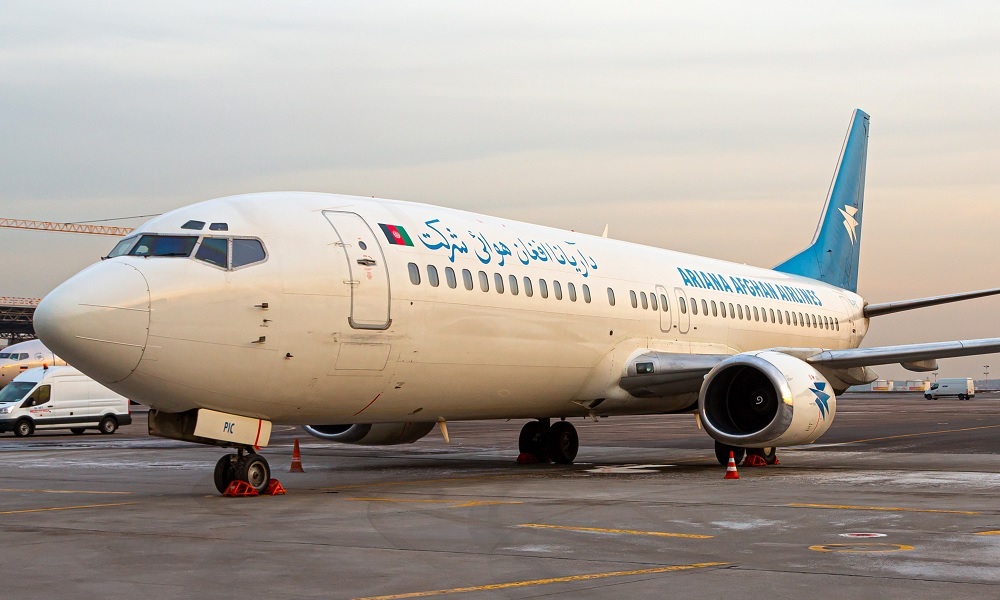
Ariana Airlines reduces Kabul–Islamabad–Kabul airfares by $20
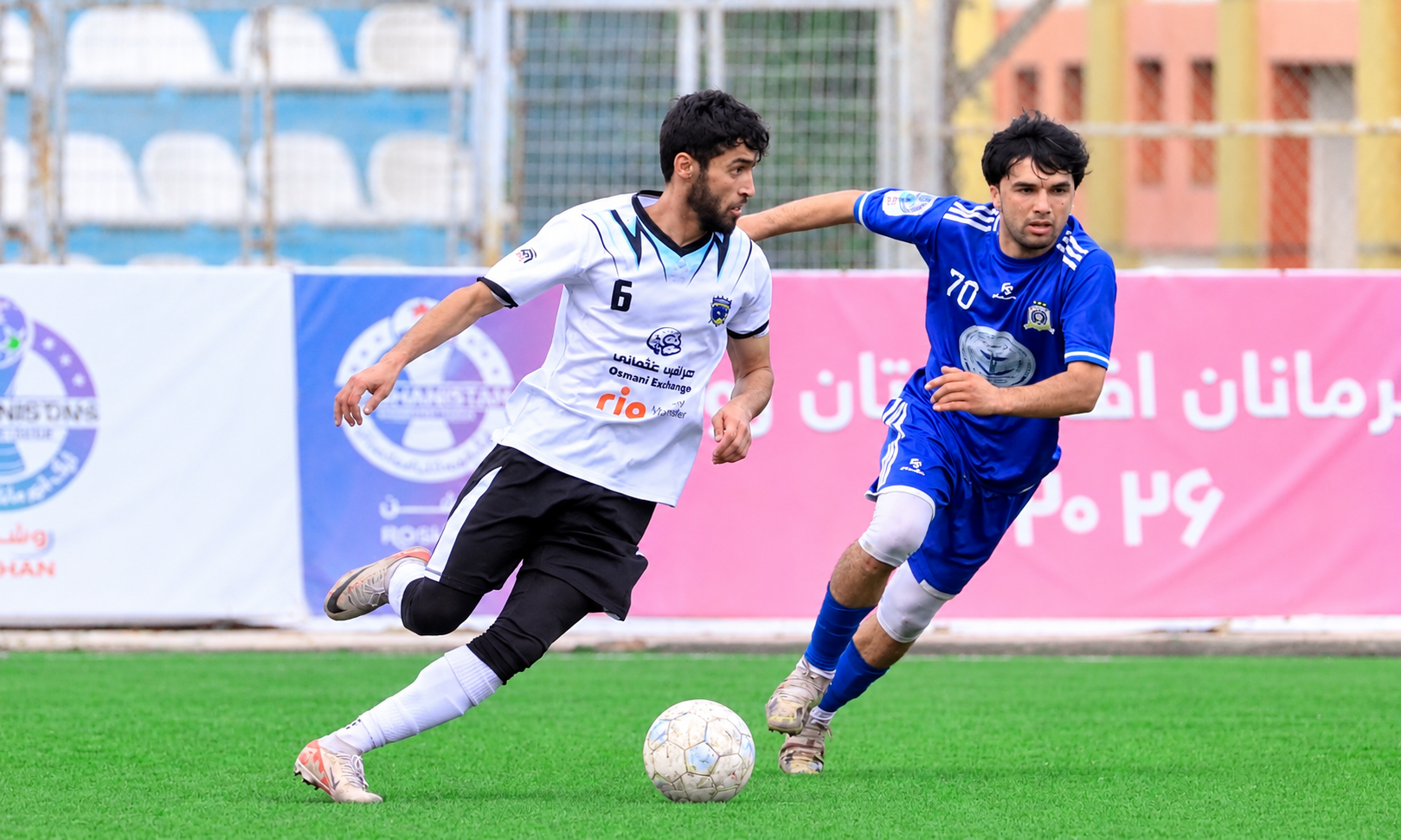
Omar Zawak thrash Istiqlal Kabul 5-1 in ACL

Afghanistan finish runners-up after 6-0 defeat to Brazil in futsal final

Trump says US may strike Iran’s ‘Pickaxe Mountain’ nuclear facility

Afghan futsal coach: Brazil tournament is first step towards new goals and World Cup

Pakistan deploys military to Peshawar after emergency rule declared

Violent protests spread across Europe as Albanian PM blames ‘foreign hand’
Tahawol: Efforts to halt deportation of Afghan refugees from US discussed
Saar: Russia’s stance on Afghanistan discussed

Trump says further US attacks on Iran ‘highly unlikely’ as peace talks gain momentum
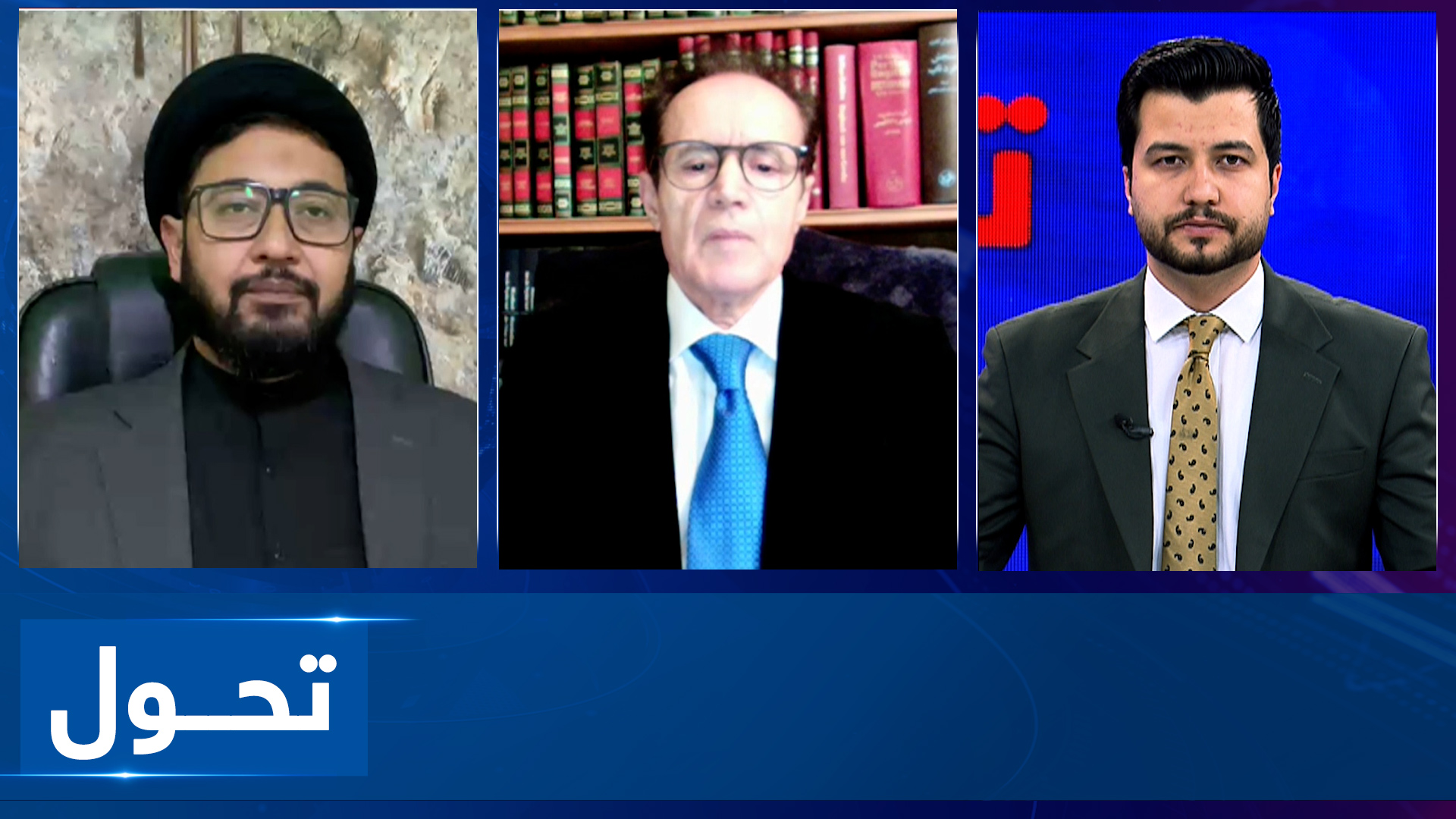
Tahawol: Geopolitical developments in the Middle East
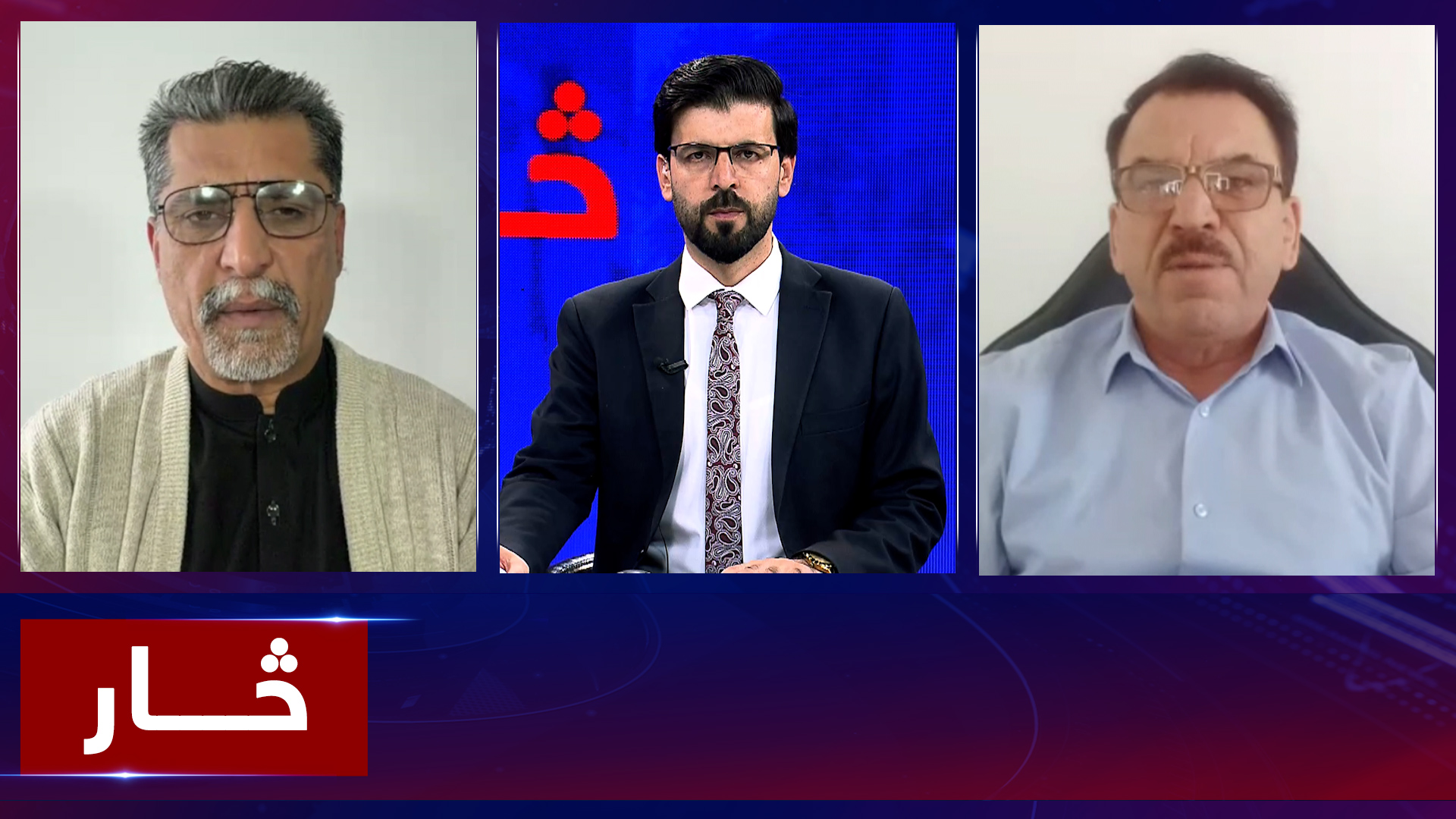
Saar: EU’s engagement with Afghanistan
-
 Regional5 days ago
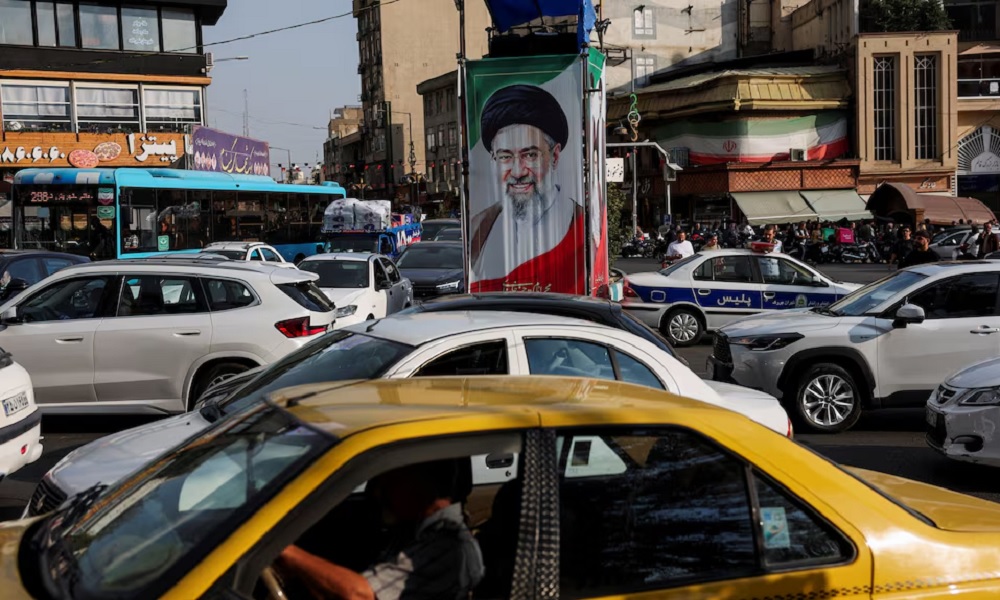
Iran sent nuclear proposal to the US via Qatar, senior Iranian official tells Reuters
-
 Sport2 days ago
Afghanistan’s record partnership highlights fourth day of Test against Zimbabwe
-
 World3 days ago
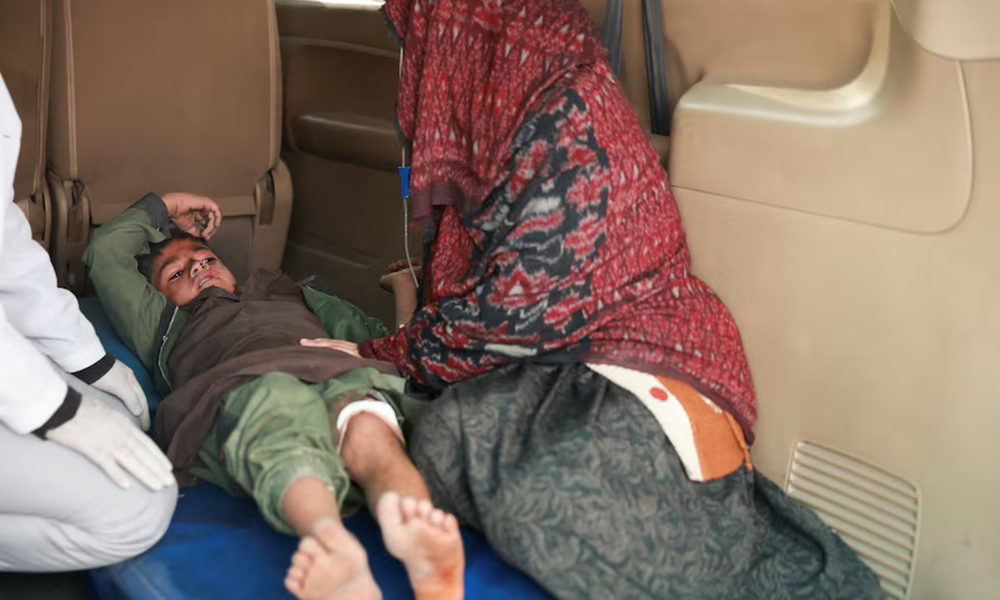
Houthi-run health ministry says airstrikes kill 33 near Yemen capital
-
 Sport3 days ago
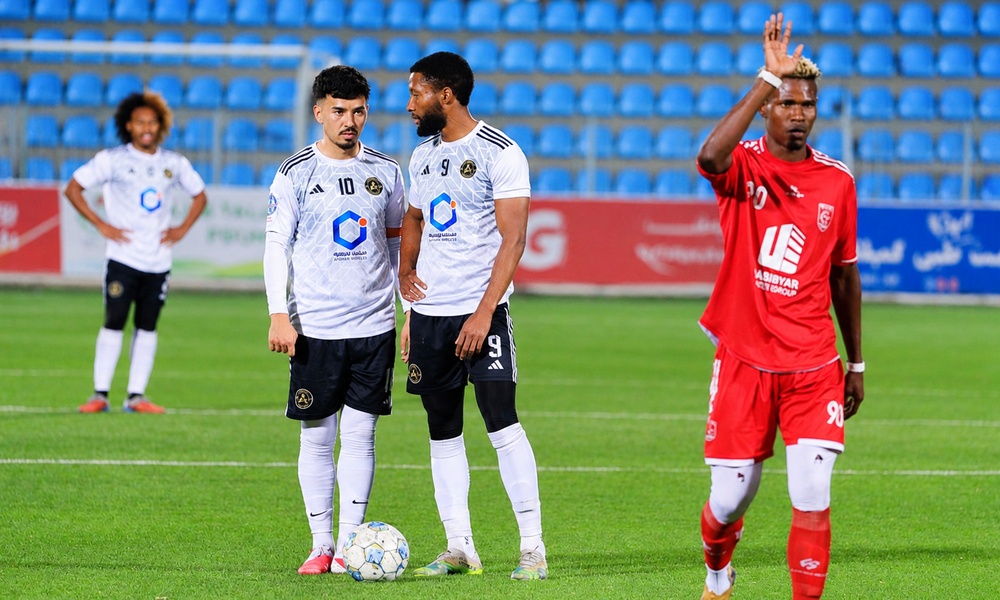
Toofan Herat defeat Arman FC 2–0 in Afghanistan Champions League
-
 Regional4 days ago
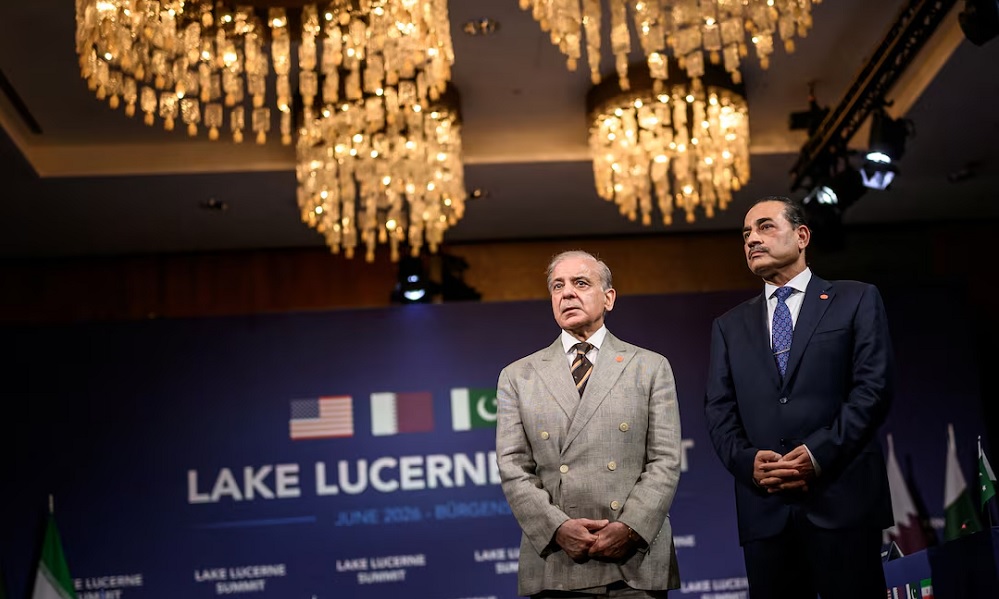
Pakistan’s leaders dread US Democrats’ win but its households are praying for it
-
 Sport4 days ago
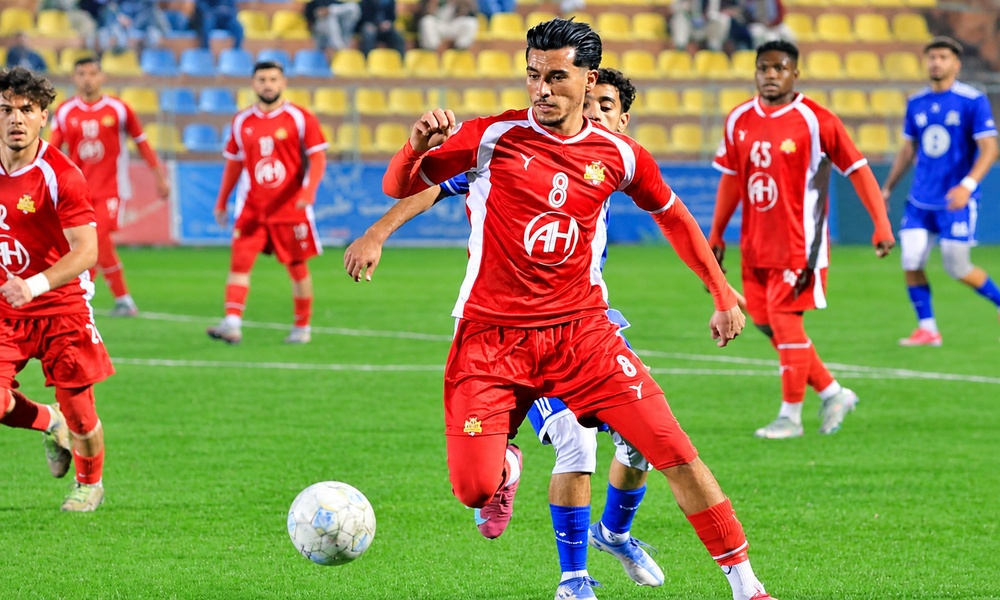
Abu Muslim Farah claim convincing 3-0 win over Omar Zawak in ACL
-
 Sport2 days ago
Afghanistan thrash Senegal 6-0 to reach Dakar Youth Olympics futsal semi-finals
-
 Sport2 days ago
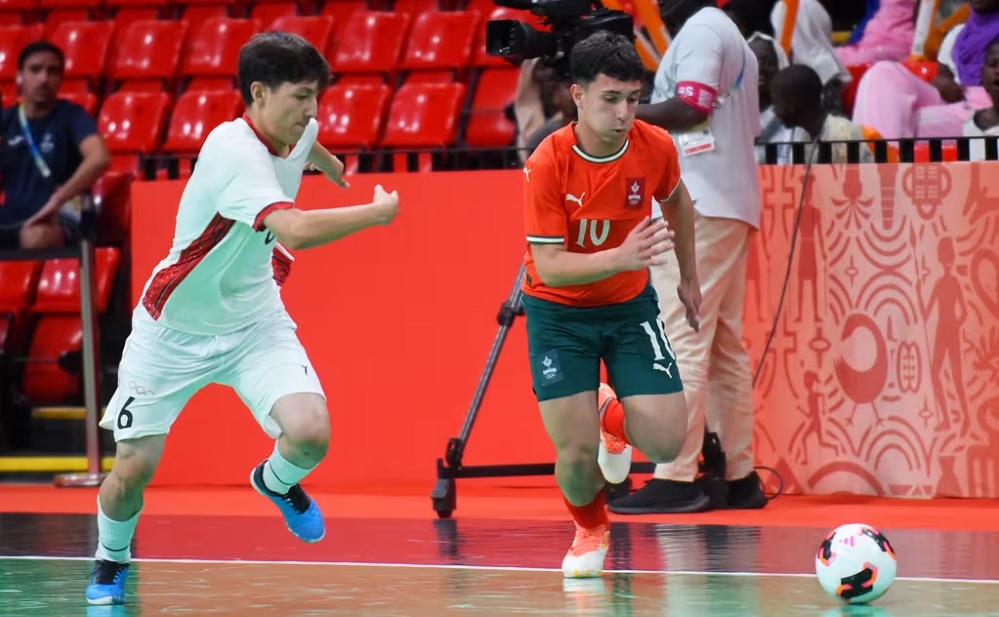
Portugal beat Afghanistan 2-0 in Dakar Youth Olympics futsal semi-finals