
Latest News
U.S. authorizes some transactions with IEA to keep aid flowing to Afghanistan

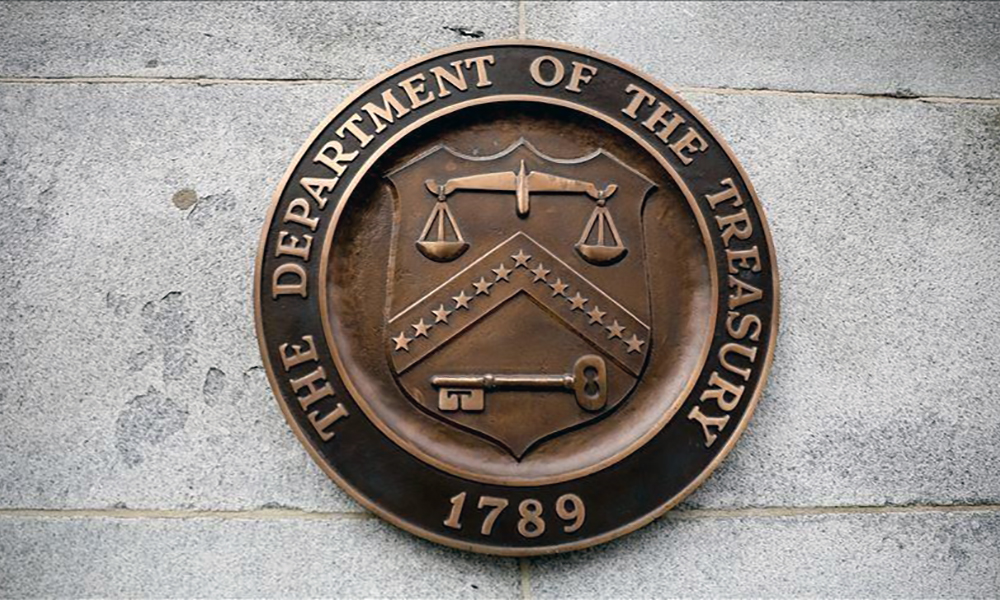
The United States formally exempted on Wednesday U.S. and U.N. officials doing permitted business with the Islamic Emirate of Afghanistan [IEA] from U.S. sanctions to try to maintain the flow of aid to Afghanistan as it sinks deeper into a humanitarian crisis, Reuters reported.
According to Reuters it was unclear, however, whether the move would pave the way for proposed U.N. payments of some $6 million to the IEA for security.
Reuters on Tuesday exclusively reported a U.N. plan to subsidize next year the monthly wages of IEA-run Interior Ministry personnel who guard U.N. facilities and to pay them monthly food allowances, a proposal that raised questions about whether the payments would violate U.S. sanctions.
The Treasury Department declined to say whether the new license would exempt the proposed U.N. payments from U.S. sanctions on the IEA.
Having designated the IEA as a terrorist group for years, Washington has ordered its U.S. assets frozen and barred Americans from dealing with them, read the report.
The Treasury on Wednesday issued three general licenses aimed at easing humanitarian aid flows into Afghanistan.
According to Reuters two of the licenses allow U.S. officials and those of certain international organizations, such as the United Nations, to engage in transactions involving the IEA or Haqqani Network for official business.
A third license gives non-governmental organizations (NGOs) protection from U.S. sanctions on the IEA and the Haqqani Network for work on certain activities, including humanitarian projects.
According to the report a senior U.S. administration official said the Islamic Emirate [IE] would have to take action to prevent Afghanistan’s economy from contracting further.
“What we can attempt to do, what we’re going to work to do, is to mitigate the humanitarian crisis by getting resources to the Afghan people, and these general licenses will allow us to allow organizations that are doing this work to do exactly that,” the official told reporters.
The top Republican on the U.S. House of Representatives Foreign Affairs Committee criticized the decision by Democratic President Joe Biden’s administration, Reuters reported.
The exemption “could result in using American taxpayer funds to reward, legitimize and enable the same IEA that took power by force and has shown no interest in abiding by international norms,” Representative Michael McCaul said in a statement.
Afghanistan’s economic crisis accelerated after the IEA seized power in August, as the former Western-backed government collapsed and the last U.S. troops withdrew.
The United States and other donors cut financial assistance, and more than $9 billion in Afghanistan’s hard currency assets were frozen, Reuters reported.
The United Nations says nearly 23 million people – about 55% of the population – are facing extreme levels of hunger, with nearly 9 million at risk of famine as winter takes hold, read the report.
“We will continue to support efforts by our partners to scale up assistance and deliver necessary relief during this moment of particular need,” U.S. Secretary of State Antony Blinken said in a statement.
In a separate bid to address the crisis, the U.N. Security Council passed a resolution exempting donors, aid groups and financial institutions involved in humanitarian assistance from U.N. asset freezes on leaders of the IEA and associated entities.
The exemption is “solely for the provision of humanitarian assistance and other activities that support basic human needs in Afghanistan which the council will review in one year,” Jeffrey DeLaurentis, a senior adviser to the U.S. mission to the United Nations, said in urging approval of the measure, Reuters reported.












Kazakhstan’s Foreign Minister Mukhtar Tileuberdi has called for pragmatic and coordinated international engagement with Afghanistan, saying the country’s long-term stability is closely linked to the security and sustainable development of Central Asia.
Speaking during the general debate of the 81st session of the United Nations General Assembly in New York on Friday, Tileuberdi said humanitarian assistance to Afghanistan remains essential but alone cannot break the cycle of poverty, displacement and dependency.
He said Kazakhstan supports a “pragmatic, coordinated and step-by-step” approach to international engagement with Afghanistan, with the United Nations playing a central role.
Tileuberdi also said Kazakhstan is working with the UN to operationalize the United Nations Regional Centre for the Sustainable Development Goals for Central Asia and Afghanistan in Almaty.
He said the success of the centre should be measured by the results and assistance it delivers to the region.


Abu Muslim Farah defeat Khurasan Faryab 2-0 in ACL season six

Saar: Concerns over Pakistan’s political crisis discussed

Afghanistan Champions League: Omar Zawak Herat beat Toofan Herat 1-0

Blast in Pakistan’s Dera Ismail Khan kills 11, injures 30

Ariana Afghan Airlines increases Kabul-Delhi cargo flights

Saudi energy group signs major Afghanistan deals covering gas exploration and pipeline plans

Trump floats idea of renaming Atlantic or Pacific Ocean

US hits Egyptian bank branches with Iran sanctions as war marks six months

Nepal flood rescue mission enters critical phase as thousands remain missing

Iranian clubs to face Gulf opponents at neutral venues in Asian Champions League Elite
Saar: Concerns over Pakistan’s political crisis discussed

Exclusive interview with Abdul Latif Mansoor, Minister of MRRD

Tawsia: Overview of Afghanistan’s iron mines

Tahawol: Discussion on fresh Pakistani airstrikes on Afghanistan

Saar: Calls for international support for Afghanistan discussed
-

 World5 days ago
CNN, MS NOW and Politico sue Trump, challenging White House ban
-

 Latest News4 days ago
Ariana Afghan Airlines ranks seventh among 45 Central Asian airlines
-

 Latest News5 days ago
UN reiterates call for respect for international law after Kunar airstrikes
-

 Regional4 days ago
US and Iran hold first talks since June after Trump’s ‘annihilation’ threat
-

 Latest News4 days ago
Silk Road highway in Wakhan corridor now reaches the China border
-

 Regional3 days ago
Iran airlines cancel flights as US sanctions hit
-

 Latest News5 days ago
Afghan Official: Pakistan’s airstrikes will not go unanswered
-
 Regional5 days ago
G7 foreign ministers call on Iran to stop arming Houthis