
Raisin production drops by 50% in Herat

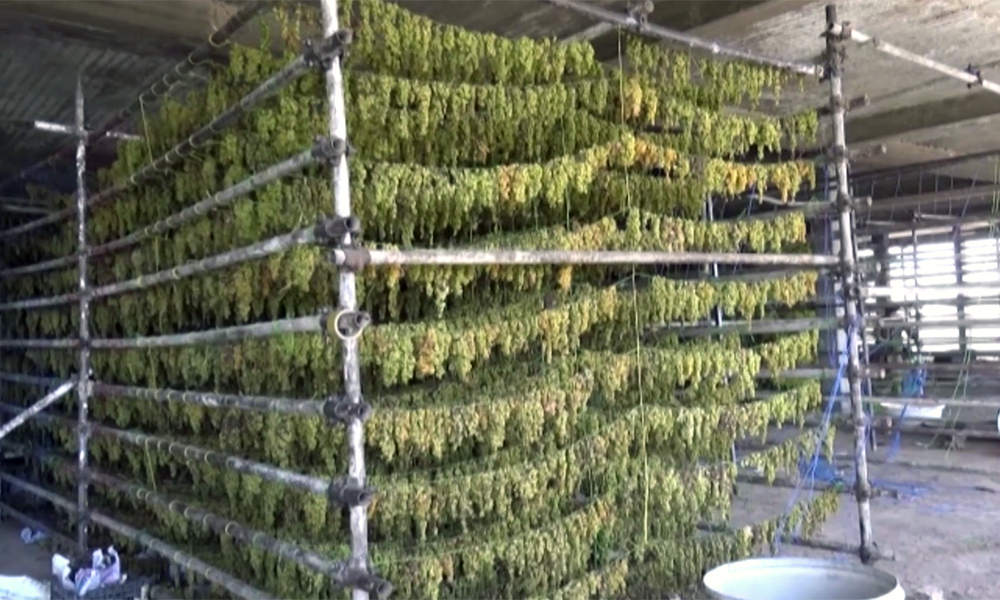
Herat’s Department of Agriculture and Livestock says this year’s production of raisins in the province has dropped by a staggering 50% compared to previous years.
According to officials, gardeners will end up with about 7,000 metric tons of raisins this year, against an average annual yield of up to 15,000 metric tons in the past.
“Last year we harvested between 15,000 metric tons of grapes and this year we will have approximately five to seven thousand metric tons of raisins,” said Bashir Ahmad Ahmadi, director of agricultural affairs of Herat Department of Agriculture and Livestock.
According to officials, there are about 12,125 hectares of vineyards in Herat, and every year gardeners harvest up to 150,000 metric tons of grapes.
However, due to drought and extreme cold last winter, their harvests have dropped considerably.

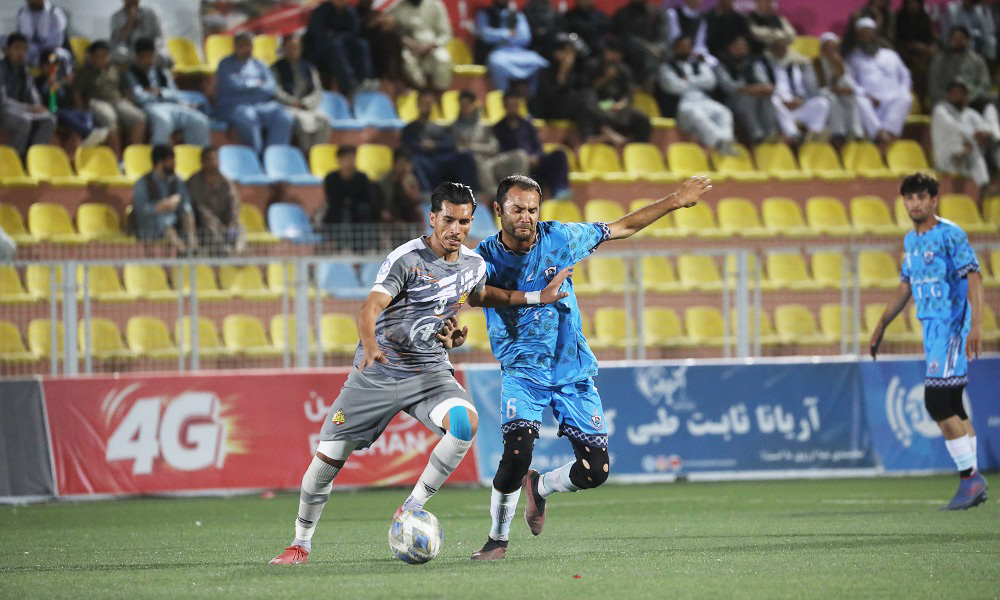
Abu Muslim Farah defeated Khurasan Faryab 2-0 in the 25th match of the sixth season of Afghanistan Champions League Roshan.
The match was played on Saturday at the Afghanistan Football Federation Stadium in Kabul.
Both teams pushed for an opening goal in the first half, but neither side managed to find the net, and the teams went into the break goalless.
Just two minutes into the second half, Abu Muslim Farah broke the deadlock to take a 1-0 lead.
Alireza Panahi later doubled Abu Muslim Farah’s advantage, sealing a 2-0 victory for the Farah side.
Abu Muslim Farah committed 13 fouls and received two yellow cards, while Khorasan Faryab committed seven fouls and received one yellow card.
Matches from the sixth season of the Roshan Afghanistan Champions League are being broadcast live and exclusively on Ariana Television.

Omar Zawak Herat secured a 1-0 victory over Toofan Herat in the 24th match of the sixth season of Afghanistan Champions League Roshan in Kabul.
The match was played on Saturday at the Afghanistan Football Federation Stadium.
Both sides created scoring opportunities in the first half, but neither team managed to find the net before the break.
Omar Zawak Herat broke the deadlock in the 86th minute when Shadab Malikzadah scored with a fine strike to give his side the lead.
Toofan Herat committed eight fouls and received two yellow cards, while Omar Zawak Herat recorded six fouls and received one yellow card and one red card.
Toofan Herat will face Aino Mina Kandahar on September 29, while Omar Zawak Herat will take on Abu Muslim Farah on September 30.
Matches from the sixth season of the Roshan Afghanistan Champions League are being broadcast live on Ariana Television.


Abu Muslim Farah defeat Khurasan Faryab 2-0 in ACL season six

Saar: Concerns over Pakistan’s political crisis discussed

Afghanistan Champions League: Omar Zawak Herat beat Toofan Herat 1-0

Blast in Pakistan’s Dera Ismail Khan kills 11, injures 30

Ariana Afghan Airlines increases Kabul-Delhi cargo flights

Saudi energy group signs major Afghanistan deals covering gas exploration and pipeline plans

Trump floats idea of renaming Atlantic or Pacific Ocean

US hits Egyptian bank branches with Iran sanctions as war marks six months

Nepal flood rescue mission enters critical phase as thousands remain missing

Iranian clubs to face Gulf opponents at neutral venues in Asian Champions League Elite
Saar: Concerns over Pakistan’s political crisis discussed

Exclusive interview with Abdul Latif Mansoor, Minister of MRRD

Tawsia: Overview of Afghanistan’s iron mines

Tahawol: Discussion on fresh Pakistani airstrikes on Afghanistan

Saar: Calls for international support for Afghanistan discussed
-

 World5 days ago
CNN, MS NOW and Politico sue Trump, challenging White House ban
-

 Latest News3 days ago
Ariana Afghan Airlines ranks seventh among 45 Central Asian airlines
-

 Latest News5 days ago
UN reiterates call for respect for international law after Kunar airstrikes
-

 Regional4 days ago
US and Iran hold first talks since June after Trump’s ‘annihilation’ threat
-

 Latest News4 days ago
Silk Road highway in Wakhan corridor now reaches the China border
-

 Regional3 days ago
Iran airlines cancel flights as US sanctions hit
-

 Latest News5 days ago
Afghan Official: Pakistan’s airstrikes will not go unanswered
-
 Regional5 days ago
G7 foreign ministers call on Iran to stop arming Houthis