
Latest News
Former Canadian envoy says Ottawa should reopen mission in Afghanistan

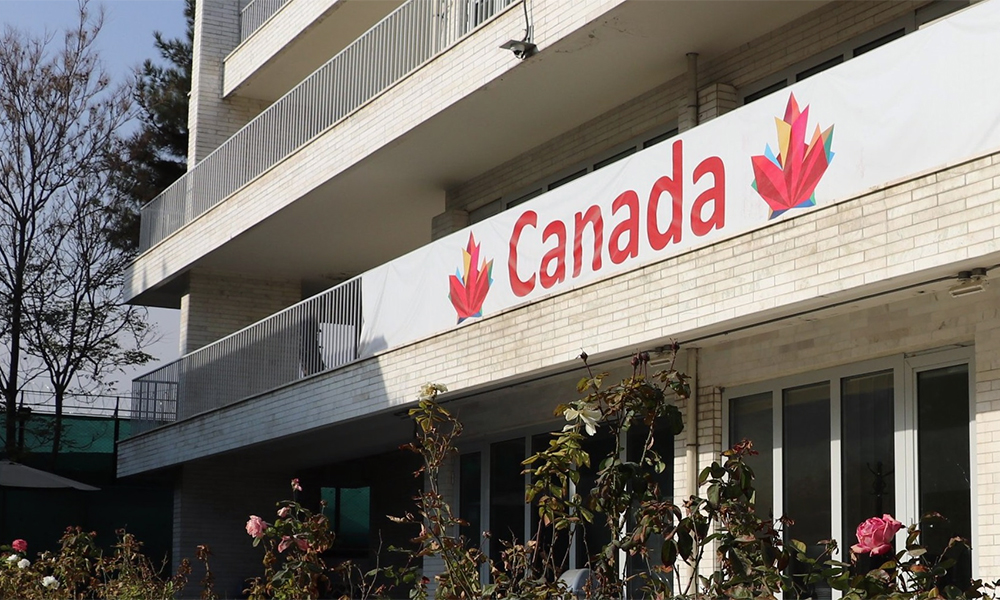
Two of Canada’s former ambassadors to Afghanistan are debating whether it’s time to establish a diplomatic presence in Kabul, and how best to keep tabs on the Islamic Emirate of Afghanistan (IEA).
“There are ways for us to be on the ground and to see for ourselves, and to act for ourselves and act directly to help Afghans – without lending direct support to the Taliban (IEA),” former envoy Arif Lalani said in an interview this week.
“We should be able to decide for ourselves and inform others about what is really going on in Afghanistan. And the degree to which we can’t do that ourselves, I don’t think it does a service to anyone.”
Chris Alexander, a former Conservative foreign-affairs minister who also served as Canada’s ambassador in Kabul, meanwhile says that recognizing the IEA would compromise fundamental Canadian values, the Canadian Press reported.
“The cost would be too high, in terms of legitimizing an absolutely depraved regime,” he said Wednesday.
Lalani told the Senate’s foreign-affairs committee last month that the IEA “seems to have taken hostage an entire society, and our (Canada’s) response has been to neither use force nor to use diplomacy.”
“We are at a standstill, and Afghans are suffering. We actually need to take a decision.”
Lalani said Canada should be “looking at creative ways to find assistance to help Afghans” while understanding how countries like China, Russia and Iran are engaging with the IEA.
Lalani said Ottawa could better help individual Afghans sustain themselves economically, otherwise “what little economic development is taking place will slide backwards” as governments grapple to respond to multiple humanitarian crises worldwide.
“We have a government in Afghanistan that no one likes, that is doing incredible damage to its own population. But we need to now think about the Afghan people, as opposed to our own sense of outrage,” he said.
He also said if Canadians were to establish a presence in Afghanistan, it could in the form of “specific development programming” that has measured outcomes.
“The alternative is us sort of standing still from the sidelines and pretending that we’re going to do more,” he said.
“If we take that position, let’s please stop the selfies and hashtags and suggest we’re going to do more and we stand with Afghans, because we’re not.”





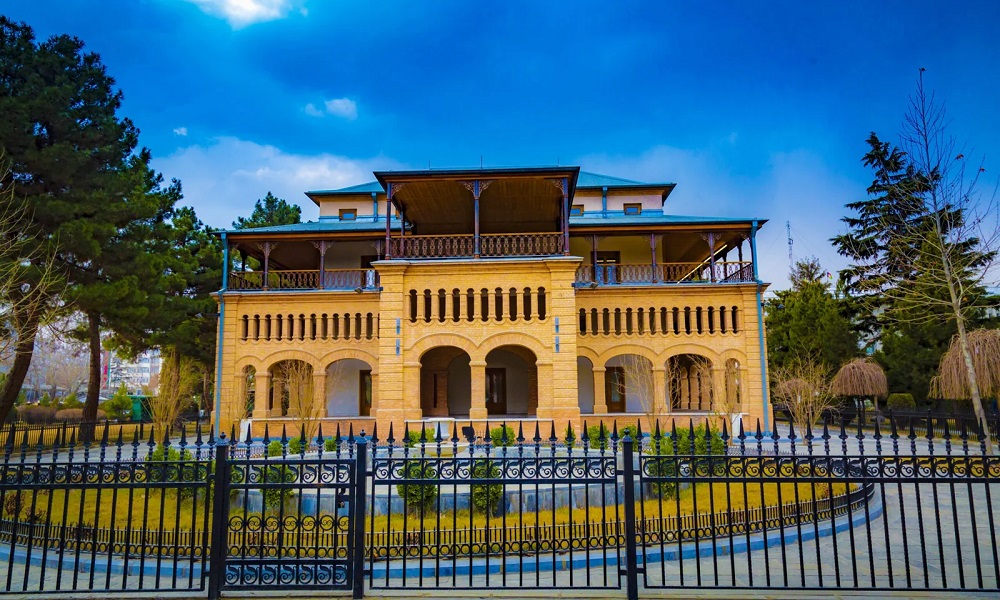
Afghanistan’s Ministry of Foreign Affairs summoned Pakistan’s chargé d’affaires to Kabul and lodged a strong protest against the violation of Afghan airspace and Pakistani military airstrikes on several Afghan provinces.
The ministry handed the Pakistani diplomat a formal protest note following the attacks on Kandahar, Paktia and Khost provinces on Wednesday night, which reportedly caused civilian casualties.
The Islamic Emirate strongly condemned the strikes, calling them a violation of Afghanistan’s sovereignty and territorial integrity and contrary to Islamic, international, humanitarian and good-neighborly principles.
The ministry also rejected what it called baseless claims that Afghan territory was being used as a source of Pakistan’s recent security incidents.
It said using such claims to justify military action was an attempt to distort facts, mislead public opinion and conceal Pakistan’s internal failures.
The Islamic Emirate further accused Pakistan’s military leadership of avoiding commitments made to regional countries and warned that such actions could further escalate tensions in the region.
Latest News
Museum dedicated to preserving ‘Jihadi’ artefacts opens in Kandahar
The museum’s collection includes more than 100 items gathered from different locations.
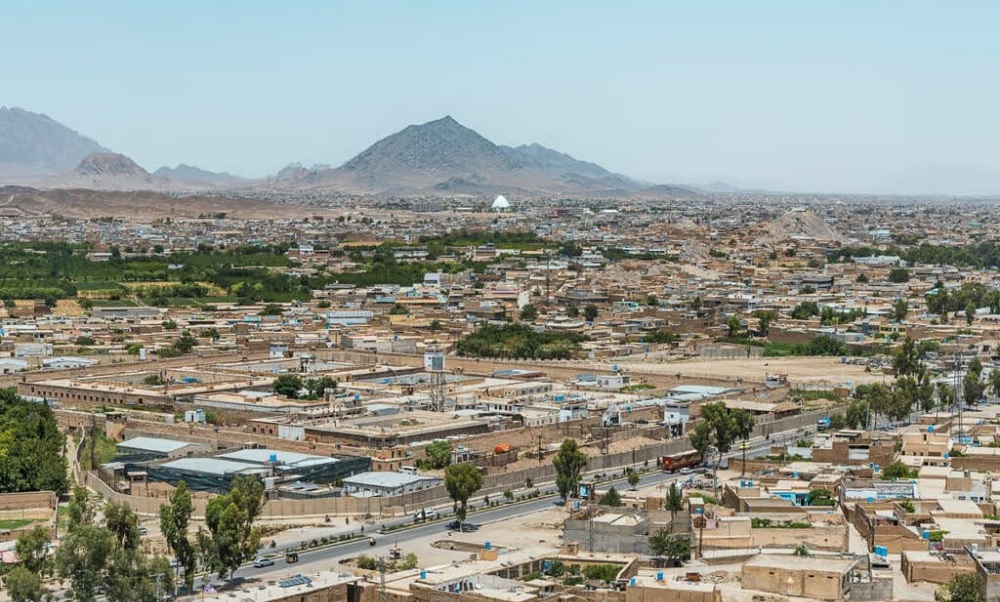
A museum dedicated to preserving what Afghan authorities describe as “Jihadi artefacts” has officially opened in Kandahar, with officials saying more than 100 items have so far been collected for display.
Mufti Mohammad Tahir Ahmad, Director General for the Preservation of Jihadi Artefacts at the Ministry of Information and Culture, attended the inauguration ceremony alongside Qari Ahmadullah Saeed Khosti, Director of Registration for Jihadi Artefacts and Documents.
Mufti Inamullah Samangani, head of the Kandahar Information and Culture Department, and officials from several government departments also attended the ceremony.
According to the official responsible for preserving the artefacts in Kandahar, the museum’s collection includes more than 100 items gathered from different locations.
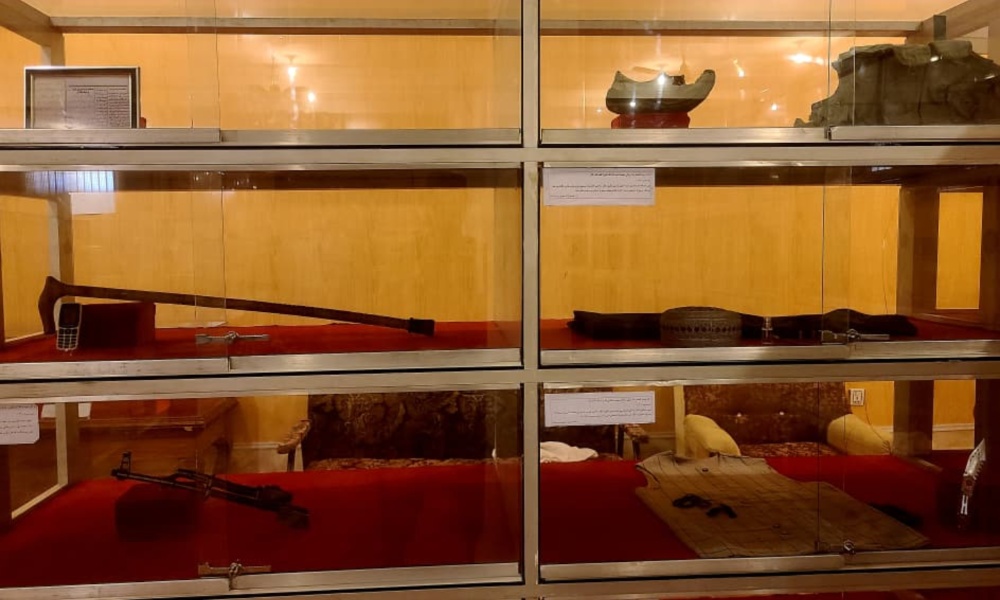
The collection includes weapons that officials say were captured from British, Soviet and US forces, as well as personal belongings and other items associated with people killed during Afghanistan’s conflicts over the past two decades.
Officials said efforts to collect additional artefacts would continue in order to expand the museum’s collection.
The museum is now open to visitors, according to the officials.
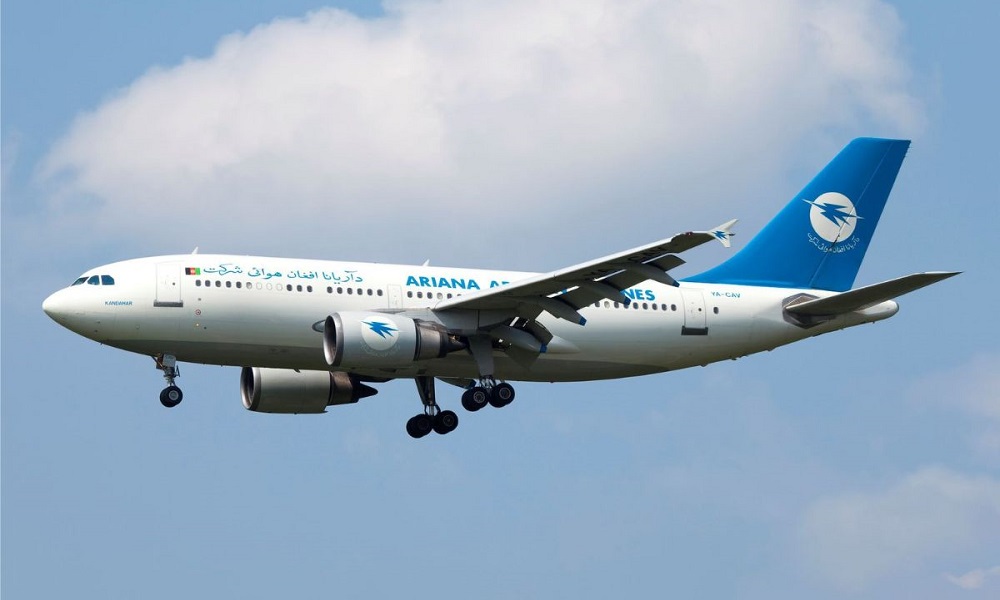
Ariana Afghan Airlines has ranked seventh among 45 airlines in Central Asia in Skytrax’s 2026 rankings.
Company officials say Ariana Afghan ranked eighth on the list in 2025, but moved up one place this year following improvements in service quality and the expansion of its operations.
According to the officials, in 2026 the airline met criteria including service quality, flight safety, professional cabin crew, and experience in the aviation sector, placing it among the top 10 airlines in Central Asia.
Skytrax is an international organization that evaluates and ranks the quality of services in the aviation industry and airlines, assessing and ranking carriers annually based on specific criteria.


Afghanistan summons Pakistani chargé d’affaires over latest airstrikes

Australia says OpenAI model breached government health website

Museum dedicated to preserving ‘Jihadi’ artefacts opens in Kandahar

Afghanistan open Asian Games cricket campaign with win over Japan

Trump welcomes Chinese President Xi as US-China summit gets underway

Saudi energy group signs major Afghanistan deals covering gas exploration and pipeline plans

ATN secures exclusive rights to broadcast T20I series in India across Afghanistan

Trump floats idea of renaming Atlantic or Pacific Ocean

US hits Egyptian bank branches with Iran sanctions as war marks six months

Nepal flood rescue mission enters critical phase as thousands remain missing

Tahawol: Opening of the 81st UN General Assembly Session

Saar: OIC Assessment of Afghanistan’s humanitarian and development situation discussed

Tahawol: Reactions to Pakistan’s attacks on Afghanistan discussed

Saar: Uncertain fate of Afghanistan’s seat at UN discussed

Tahawol: Uncertain future of Afghanistan’s permanent UN seat
-

 Sport3 days ago
Afghanistan to face Japan and Nepal in Asian Games cricket group stage
-
 Latest News4 days ago
Pakistan says Kohat attackers had roots in Afghanistan
-
 Latest News4 days ago
OIC to hold Afghanistan Contact Group meeting on sidelines of UN General Assembly
-
 Regional4 days ago
Flames, smoke seen near Riyadh airport; Houthis claim attacks on Saudi capital
-
 Regional3 days ago
Iran and US trade threats after Houthi attacks escalate regional conflict
-

 Sport5 days ago
Abu Muslim Farah and Ariana Khost play out goalless draw in ACL
-
 Business4 days ago
Dogharoun handles 60% of Iran’s exports to Afghanistan
-
 World4 days ago
World leaders return to UN amid wars in Middle East and Ukraine