
Latest News
UNICEF marks ‘sad’ 1,000-day milestone of ban on Afghan girls’ education
The Islamic Emirate has however stated in the past that the issue of education of girls and women is an internal matter and countries should not interfere in it.


Today marks 1,000 days since Afghan girls were banned from attending secondary schools – a ruling imposed by the Islamic Emirate in December 2021.
In a statement marking the day, UNICEF Executive Director Catherine Russell said: ““Today marks a sad and sobering milestone: 1,000 days since the announcement banning girls in Afghanistan from attending secondary schools.
“1,000 days out-of-school amounts to 3 billion learning hours lost.
“For 1.5 million girls, this systematic exclusion is not only a blatant violation of their right to education, but also results in dwindling opportunities and deteriorating mental health.”
She said the rights of children, especially girls, “cannot be held hostage to politics” and that their lives, futures, hopes and dreams are hanging in the balance.
Russell also stated that the ban impacts the humanitarian crisis and has serious ramifications for Afghanistan’s economy and development trajectory.
“Education doesn’t just provide opportunities. It protects girls from early marriage, malnutrition and other health problems, and bolsters their resilience to disasters like the floods, drought, and earthquakes that frequently plague Afghanistan.”
She called on the Islamic Emirate to allow all children to resume learning immediately.
The UN has not however been the only organization to repeatedly call on the Islamic Emirate to lift the ban on girls’s education.
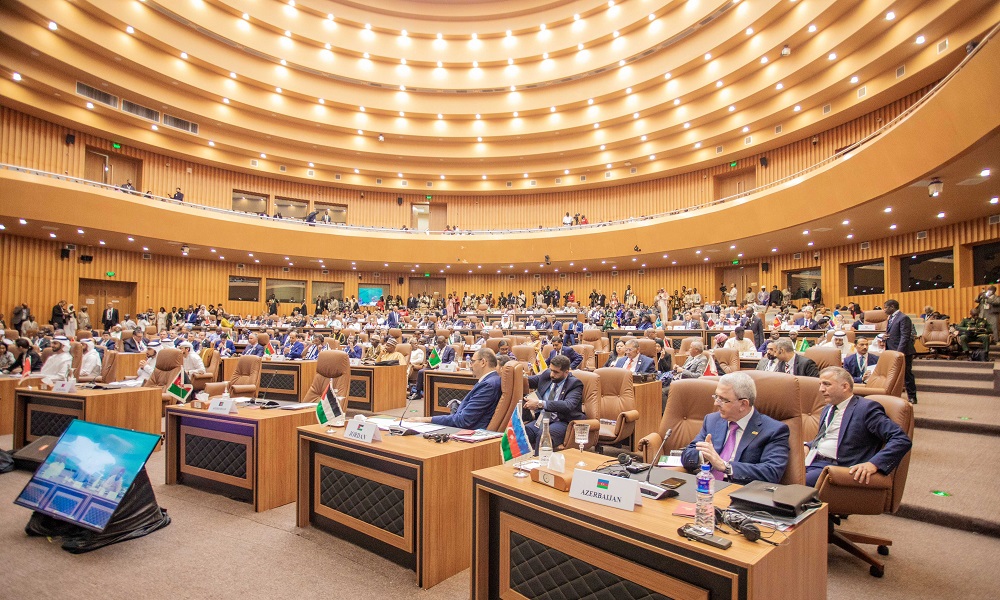
Just last month, the Organization of Islamic Cooperation (OIC) called on the Islamic Emirate of Afghanistan (IEA) to respect Afghan girls and women’s right to education and work.
In a declaration issued after the OIC summit in Gambia, the organization described the right to education and work as the fundamental rights of Afghan girls and women, and called for more communication with the IEA authorities on these issues.
The Islamic Emirate has however stated in the past that the issue of education of girls and women is an internal matter and countries should not interfere in it.
Related Stories:
OIC summit urges IEA to respect girls’ right to education
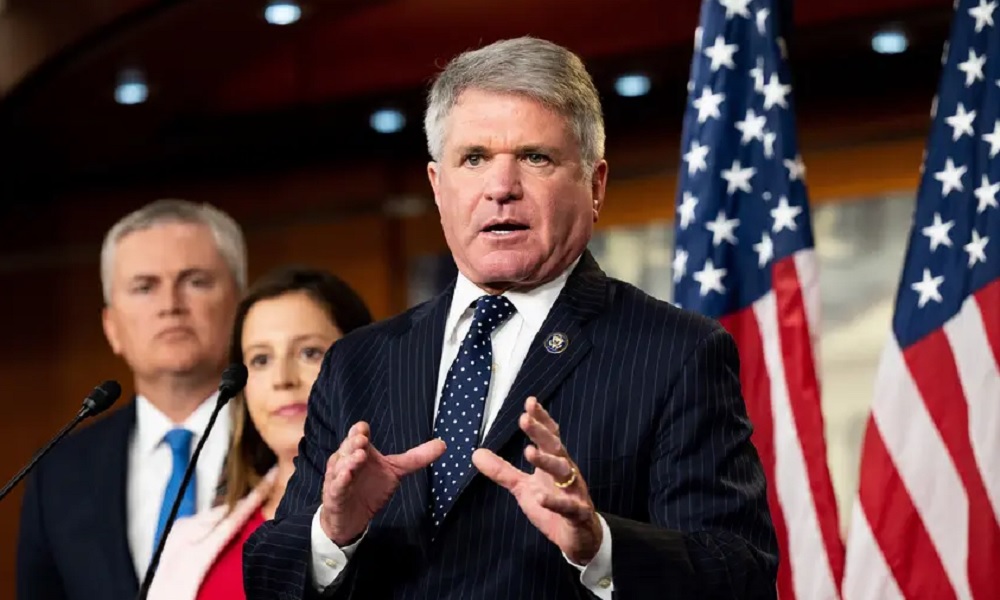
McCaul stresses pressuring IEA to lift bans on Afghan women and girls




Latest News
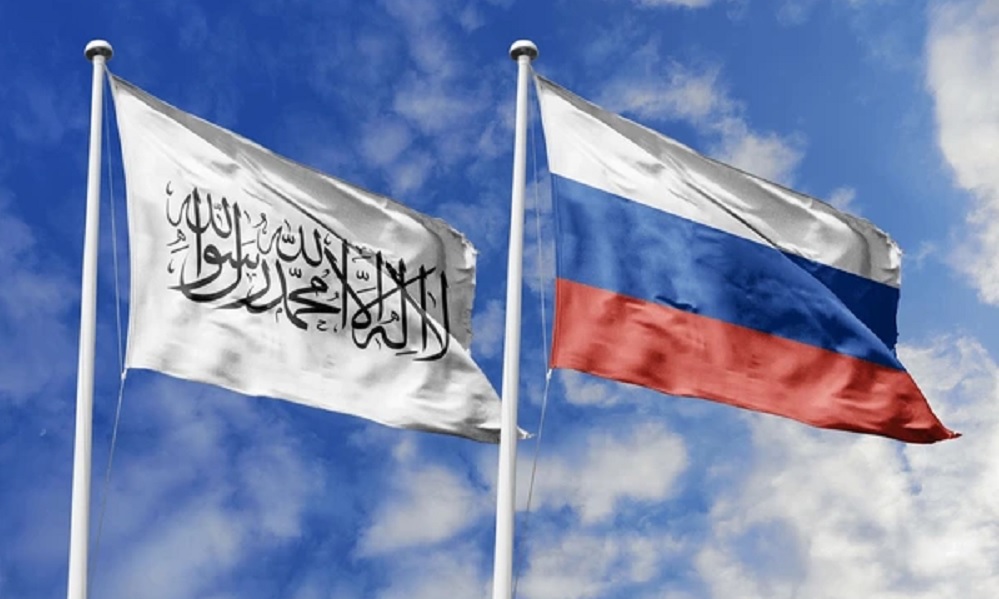
Afghanistan, Russia convene first meeting of joint economic and trade commission in Kazan
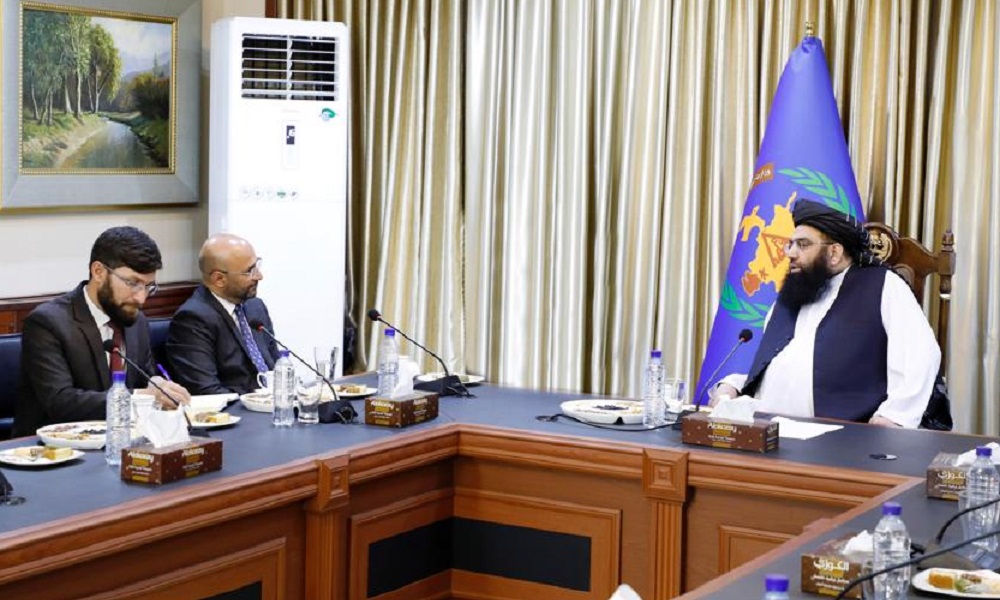
Mawlawi Abdul Kabir, the Minister of Refugees and Repatriation, met Wednesday with Sadin Ay Yildiz, head of Turkey’s diplomatic mission in Afghanistan, and discussed the expansion of bilateral cooperation as well as addressing the problems of Afghan migrants in Turkey.
In a statement issued on Wednesday, the Ministry of Refugees quoted Yildiz as saying: “Afghanistan holds special importance for the Government of Turkey, and currently, in addition to governmental assistance, several Turkish non-governmental organizations and institutions are also engaged in providing aid to those in need and implementing development projects in Afghanistan.”
According to Yildiz, Turkey supports a stable and self-reliant Afghanistan and believes that Afghanistan holds an important position in regional connectivity.
He added that Ankara supports dialogue in resolving Afghanistan’s issues and continues its efforts in this regard.
He further stated that Turkey has issued work visas for 20,000 Afghan citizens in the livestock sector alone and is seeking solutions to irregular migration.
During the meeting, Mawlawi Abdul Kabir expressed appreciation for Turkey’s assistance and cooperation in various fields, adding that relations between Kabul and Ankara have always been based on mutual respect and cooperation, and expressed hope that ties between the two countries will become even closer and more expanded.
Abdul Kabir stated that Afghanistan, by achieving full security and stability, has numerous opportunities, and efforts are ongoing to make Afghanistan an important and active part of regional connectivity.
Emphasizing cooperation between the private sectors of Afghanistan and Turkey, he also referred to some of the challenges faced by Afghan migrants in Turkey and said that the Islamic Emirate supports the voluntary return of Afghan migrants.
At the end of the meeting, Mawlawi Abdul Kabir once again expressed satisfaction with Turkey’s mediation in talks between Afghanistan and Pakistan and described Turkey as a friendly country to Afghanistan.


Afghanistan, Russia convene first meeting of joint economic and trade commission in Kazan

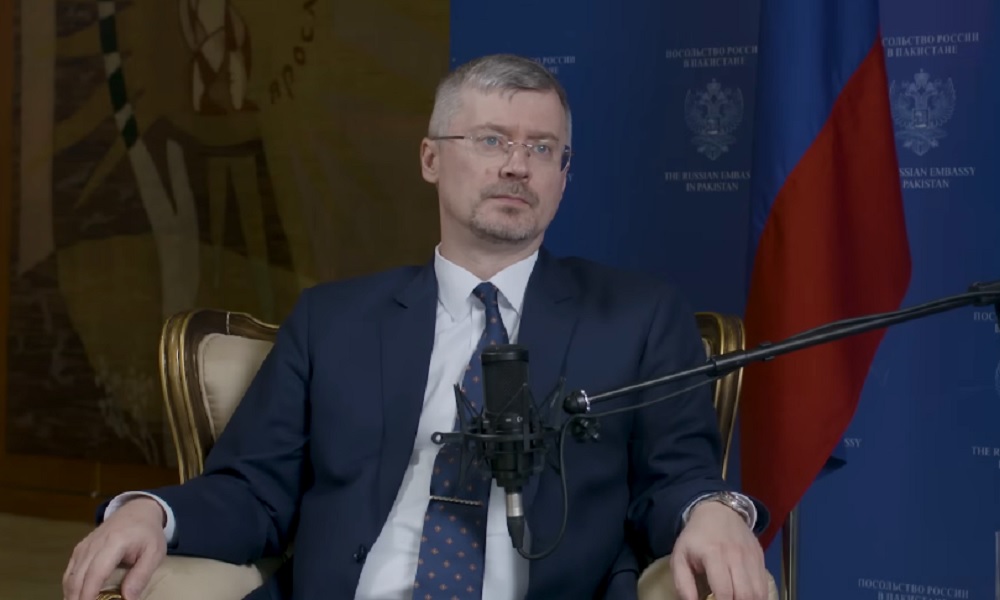
Afghanistan-Pakistan tensions delaying major projects across the region: Russian envoy

China’s Xi signals trade progress as ‘biggest summit’ with Trump begins

Tahawol: Donald Trump’s trip to China discussed

Saar: Hopes for easing tensions between Kabul-Islamabad discussed

New Afghanistan-China transport corridor launched via Turkmenistan

Bayat Power extends gas supply deal with Afghan Gas

Germany to launch online visa system for Afghan study and work applicants in Pakistan

Afghanistan moves toward self-sufficiency in car battery production

War driving hidden climate crisis in Middle East, think tank warns
Tahawol: Donald Trump’s trip to China discussed
Saar: Hopes for easing tensions between Kabul-Islamabad discussed

Tahawol: China’s optimism on Kabul–Islamabad talks discussed

Saar: IEA high-ranking delegation’s visit to Kazan discussed

Tahawol: Fresh Remarks About Ending the Ukraine War
-

 Sport5 days ago
Canada to host opening ceremony for FIFA World Cup 2026 in Toronto
-
 Latest News5 days ago
SAARC failure pushes Pakistan toward trilateral ties with Afghanistan, China, Bangladesh: Dar
-

 Latest News3 days ago
Japan announces MEXT scholarships for Afghan students for 2027 academic year
-
 Business4 days ago
Afghanistan, Uzbekistan sign 13 trade MoUs worth over $100 million
-
 Sport5 days ago
Afghan cricket delegation travels to China for technical cooperation
-

 Sport5 days ago
Los Angeles to welcome the world with historic FIFA World Cup 2026 opening event
-
 Latest News5 days ago
Karzai: Pakistan seeking to legitimize Durand Line, authorities must clarify
-

 Science & Technology4 days ago
Meta turns off Instagram’s private messaging encryption worldwide