
Latest News
UN report claims Afghanistan’s morality police are violating human rights
According to the report, the ministry has enforced decrees that have a disproportionate impact on women and girls, like dress codes, segregated education and employment, and having a male guardian when they travel.

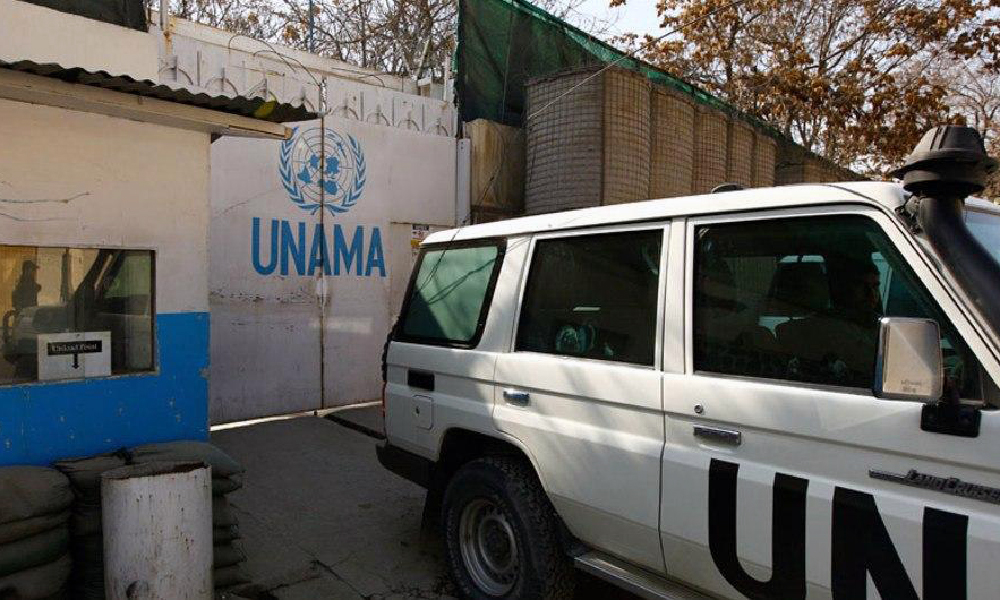
The UN said Tuesday the ministry for the propagation of virtue and prevention of vice were violating human rights and fundamental freedoms and that decrees and methods used to enforce rules were contributing to “a climate of fear and intimidation among segments” of society in Afghanistan.
The report, titled ‘De Facto Authorities’ Moral Oversight in Afghanistan: Impacts on Human Rights’ was published Tuesday and also contained the Islamic Emirate’s response to the UN’s findings.
The report stated: “As part of this engagement, Afghanistan’s de facto authorities were invited to provide factual comments on the content of the report.”
According to the report, the ministry has enforced decrees that have a disproportionate impact on women and girls, like dress codes, segregated education and employment, and having a male guardian when they travel.
“The punishments attached to non-compliance with instructions and decrees are often arbitrary, severe and disproportionate,” the report read.
“Sweeping bans with a discriminatory effect on women have been introduced. Human rights violations, as well as the unpredictability of enforcement measures, contribute to a climate of fear and intimidation among segments of the population,” the report stated.
UNAMA said it had recorded at least 1,033 instances between August 2021 and March 2024 where ministry employees “applied force during the implementation of instructions, resulting in violations of the liberty, and physical and mental integrity” of people.
The IEA responded by saying the decrees issued by the supreme leader lay “the foundation of the formal documents that are based on Islamic sources. It is a widely recognized principle in all common regimes that decrees and relevant legal documents are issued to reform society and should have their implementation ensured.”
UNAMA also stated that the use of corporal punishment was a violation of the prohibition on torture and cruel, inhuman and degrading treatment or punishment.
The organization added that the requirement for women to travel with a mahram (male guardian) beyond 78 kilometers from their home limits their right to freedom of movement and creates financial and logistical barriers for them to access employment and healthcare.
In response to this, the Islamic Emirate said the presence of mahram with a woman “is not only an Islamic value; it is also a cultural value.”
“A woman encounters criticism from the general public when she travels without a mahram. It is frowned upon in Afghan society for women to travel without a mahram.”
The IEA added that Islam also “specifies a certain distance for a woman to be accompanied by a mahram when she travels. To this end, the mahram’s presence with a woman serves to safeguard her honor and chastity.”
The report meanwhile stated that since the ministry’s establishment, its scope of responsibility has continued to expand. “In addition to intensifying monitoring of compliance with existing policies, it has introduced new instructions and expanded into new areas of enforcement,” UNAMA stated.
These areas include monitoring of the media, the eradication of drug addiction, policing of gold dealers, regulating businesses and dispute mediation between individuals, among others.
The Islamic Emirate in turn said “acts are seen as either legal or illegal,” and that the ministry was a key organization within the Islamic Emirate’s governing framework and that its “role is growing as required by the situation”.
However, Fiona Frazer, the head of UNAMA’s Human Rights Service said: “Given the multiple issues outlined in the report, the position expressed by the de facto authorities that this oversight will be increasing and expanding gives cause for significant concern for all Afghans, especially women and girls.”
Overall, the ministry rejected the UN report, calling its findings false and contradictory.
“Decrees and relevant legal documents are issued to reform society and should have their implementation ensured,” the ministry said.
CLICK HERE FOR THE FULL REPORT
Related stories:
Protection of Islamic system ‘obligatory’: virtue and vice minister Hanafi
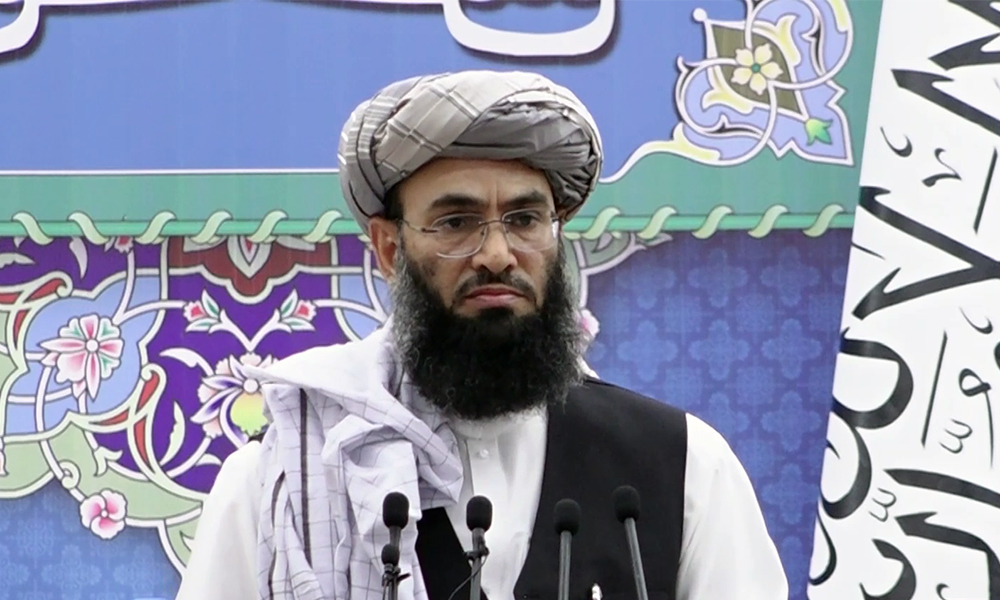
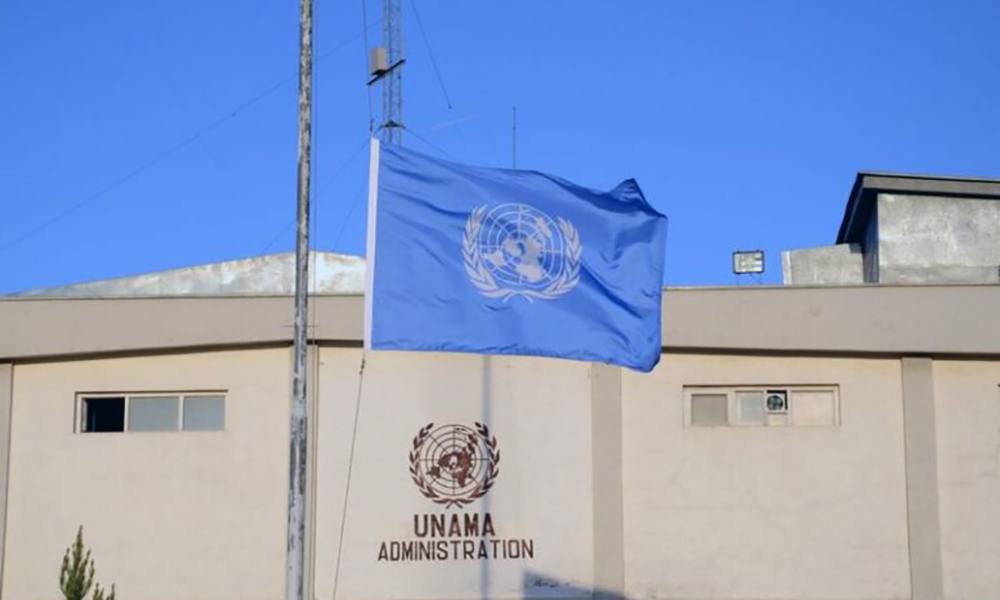
UNAMA issues latest rights report, notes ongoing challenges for women, girls and media

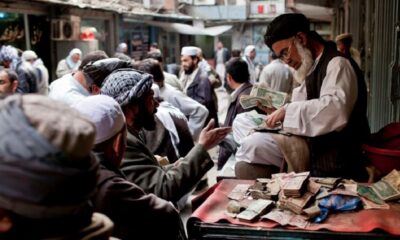



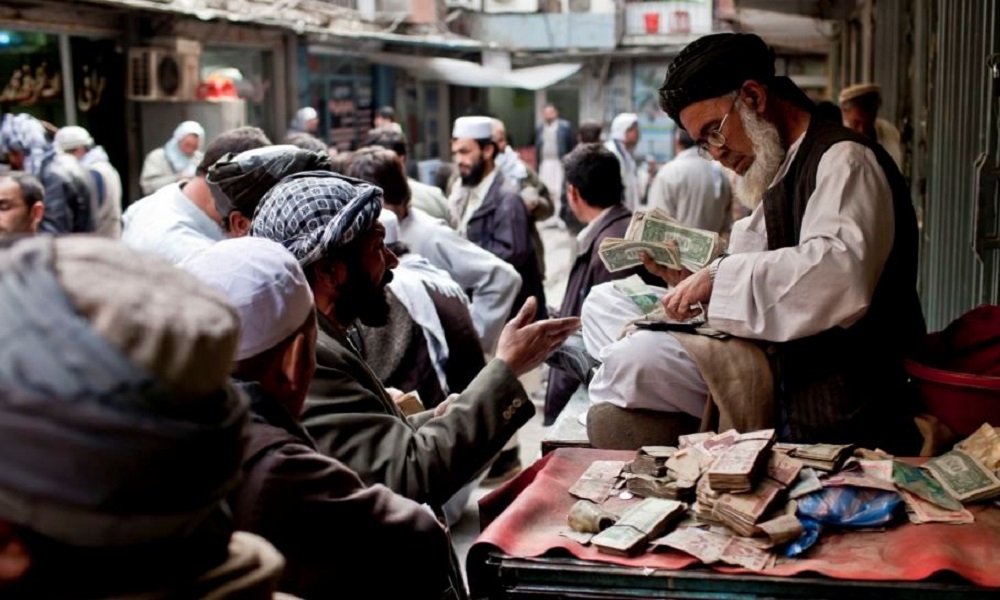
Officials of the Islamic Emirate say Afghanistan has made progress in various economic sectors over the past five years, with trade, exports, mining and infrastructure projects expanding despite political challenges and the closure of some trade routes.
According to information provided by officials, the value of the Afghan afghani has remained stable against foreign currencies and has strengthened against some currencies. They also point to the launch of major infrastructure projects, increased domestic production and expanded mining activities.
Zabihullah Mujahid, spokesperson for the Islamic Emirate, said significant work has been carried out over the past five years in mining, electricity generation, agriculture, transport and regional connectivity. He said work is also underway on regional projects such as TAPI, TAP and CASA-1000.
He said: “It is true that the TAPI project is currently underway on Afghan soil and, God willing, it will be completed up to Herat in 2026. But two other phases remain, in Helmand and Kandahar, after which it will connect to Balochistan in Pakistan. The region needs these projects, and they should not be politicized.”
Officials say Afghanistan’s exports have doubled during this period, while hundreds of thousands of jobs have been created in mining and public infrastructure projects. Increased national revenues, funding the national budget through domestic revenues, rebuilding major highways and improving transit facilities are among the other achievements the government highlights from the past five years.
According to figures from the Ministry of Industry and Commerce, Afghanistan’s total trade reached $13.932 billion last year. Of this, $1.807 billion was exports and $12.125 billion was imports.
The figures come as Afghanistan faced serious trade challenges with Pakistan during the second half of 2025. Following clashes and the closure of transit routes between the two countries, including the Torkham crossing, trade between Afghanistan and Pakistan was suspended for a period.
The Deputy Prime Minister’s Office for Economic Affairs had previously accused Pakistan of using the closure of transit routes as a tool to pressure Afghanistan over the years.
Mullah Abdul Ghani Baradar, Deputy Prime Minister for Economic Affairs, also called for trade with Pakistan to be halted following the escalation of tensions and urged traders to seek alternative routes for transporting Afghan goods.
According to the Ministry of Industry and Commerce, India, Pakistan, Uzbekistan, the United Arab Emirates, Kazakhstan, Iran, Türkiye, China, Iraq and Tajikistan are among Afghanistan’s main export markets.
Major Afghan exports include figs, raisins, asafoetida and its seeds, coal, cotton, pistachios, almonds, saffron, apricots, cumin, apples, grapes, honey, beverages, mineral stones, carpets, pomegranates and pine nuts.
Officials of the Islamic Emirate also say efforts are continuing to increase domestic production and reduce dependence on imports. They say Afghanistan can strengthen its position in regional trade in the coming years by developing agriculture, mining, industry and transit.
Latest News
Afghanistan expresses regret over civilian death in Tajikistan border incident
Tajik media outlet Asia-Plus reported that Dushanbe urged Kabul to respect Tajikistan’s state border and take effective measures to prevent similar incidents from happening again.
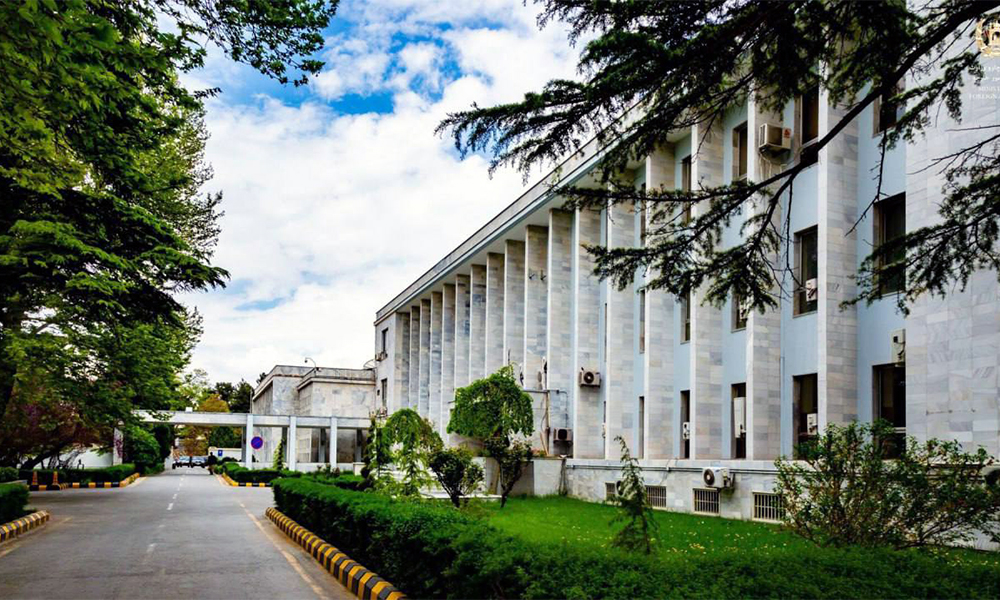
Afghanistan’s Foreign Ministry has expressed deep regret over the death of a woman in Tajikistan’s Darvoz district, saying the incident was caused by gunfire from the Afghanistan-Tajikistan border area by what it described as “destructive and opportunistic elements.”
Abdul Qahar Balkhi, spokesman for Afghanistan’s Foreign Ministry, said the ministry had learned with “deep sorrow” of the death of a woman from Dashtak village in Darvoz district, Gorno-Badakhshan Autonomous Region, on the evening of August 13.
Balkhi conveyed condolences to the victim’s family and the people of neighboring Tajikistan.
He said recent reports indicated that some “destructive and opportunistic elements” were attempting to create disorder in parts of Afghanistan’s Badakhshan province, potentially undermining regional security and stability as well as trust between Afghanistan and Tajikistan.
The spokesman said the Islamic Emirate remains committed to security, stability, good-neighborly relations and respect for the sovereignty and territorial integrity of other countries.
“Afghanistan will not allow anyone to use its territory to create disorder or undermine security,” Balkhi said.
The statement comes after Tajikistan’s Foreign Ministry sent a formal protest note to Afghan authorities over what it described as an airspace violation, damage to residential buildings and the death of a civilian in Darvoz.
Tajik media outlet Asia-Plus reported that Dushanbe urged Kabul to respect Tajikistan’s state border and take effective measures to prevent similar incidents from happening again.
Latest News
UK Special Envoy: Afghanistan’s future matters to its people, region and Britain
Lindsay acknowledged that Afghanistan faces major challenges but said Afghans continue to demonstrate significant strength and determination.
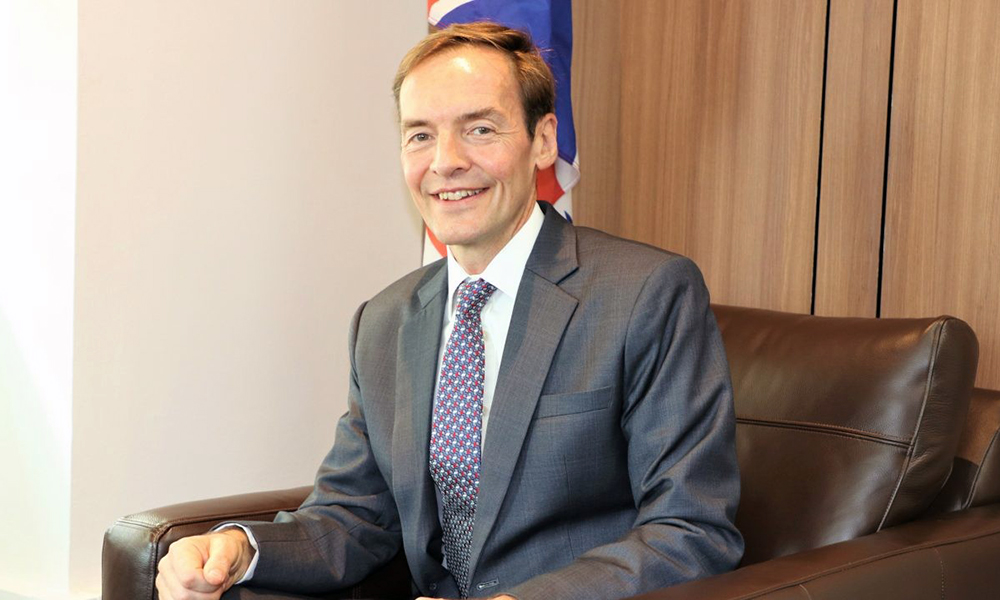
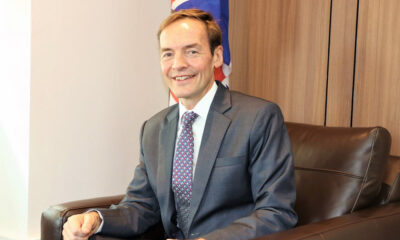
Richard Lindsay, the UK Special Envoy for Afghanistan, says the country’s future matters to the Afghan people, the region and Britain, pledging that London will continue engaging with Afghanistan, listening to Afghan perspectives and supporting its people.
In a post on X marking the fifth anniversary of the Islamic Emirate’s return to power, Lindsay reflected on his first year as the UK’s special envoy for Afghanistan.
He said that during his visits to Kabul, he held discussions with Islamic Emirate officials on Britain’s priorities, but stressed that dialogue must be accompanied by practical action.
According to Lindsay, the Islamic Emirate must fulfill its commitments on counterterrorism, take steps to address regional security threats and respect the rights of women and girls.
Lindsay described Afghans as hospitable and resilient people, saying he had met inspiring Afghans during his travels, including artisans, entrepreneurs, radio presenters and civil society activists.
He said the determination of these individuals to shape Afghanistan’s future is of fundamental importance.
The UK envoy also said he had witnessed British-funded assistance being delivered across Afghanistan, including lifesaving healthcare and nutrition services, education for children, support for vulnerable people, livelihood opportunities and efforts to strengthen resilience to climate change.
He said Britain had also held important discussions with the international community on the need for engagement in an Afghanistan political process led by the United Nations.
Lindsay added that in London, he had met Afghan activists, aid workers and members of the Afghanistan Women’s Refugee Cricket Team, giving him an opportunity to hear perspectives from Afghans of diverse backgrounds.
He announced that Britain has renewed its longstanding commitment to supporting the people of Afghanistan.
Under the renewed commitment, Britain will provide £105 million annually—around 9.2 billion Afghanis—for the next three years to support lifesaving services, essential education, protection for vulnerable people, livelihoods and climate resilience.
Lindsay acknowledged that Afghanistan faces major challenges but said Afghans continue to demonstrate significant strength and determination.
He said Britain will continue to engage with Afghanistan, listen to the views of its people and support Afghans working toward a more inclusive government and a more prosperous future.


Afghanistan crowned champions of five-match ODI series against Ireland

Debate with Nooruddin Azizi, Minister of Industry and Commerce

Saar: Marking IEA’s fifth anniversary in Afghanistan discussed

Afghanistan’s economy has seen significant growth over the past five years: IEA

Afghanistan expresses regret over civilian death in Tajikistan border incident

Pakistan’s governance system has ‘collapsed’: Mohsin Naqvi

Spain sweep FIFA World Cup player awards after historic triumph

Afghanistan temporarily eases fuel import standards to help curb rising prices

First Chinese transit shipment arrives in Herat via Iran’s railway corridor

Afghanistan, India discuss ways to boost trade and investment ties
Debate with Nooruddin Azizi, Minister of Industry and Commerce
Saar: Marking IEA’s fifth anniversary in Afghanistan discussed

Tawsia: $420M investment in TAPI gas distribution network in Herat discussed

Tahawol: Trade cooperation between Afghanistan and Iran discussed

Saar: Discussion on Islamic Emirate’s five-year journey
-
 Latest News3 days ago
HesabPay unveils new visa card and digital payment app in Kabul
-

 International Sports3 days ago
AFC Champions League Elite draw nears as Al-Nassr seeded above Al-Hilal
-
 Sport5 days ago
Abasin Defenders beat Shamshad Eagles by four wickets in Kabul Premier League
-

 Sport4 days ago
Afghanistan to host India for three-match T20I series in Delhi
-
 Sport4 days ago
Afghanistan face Ireland with series win in sight
-
 Latest News3 days ago
Afghan envoy invites Fazlur Rehman to embassy event marking IEA’s return to power
-

 Latest News5 days ago
IEA denies it is holding Afghan-American Mahmood Shah Habibi
-
 World4 days ago
US military operations killed 153 civilians in 2025, Pentagon assessment shows