
Regional
Israel, Hamas ceasefire accord followed by airstrikes on Gaza, residents say

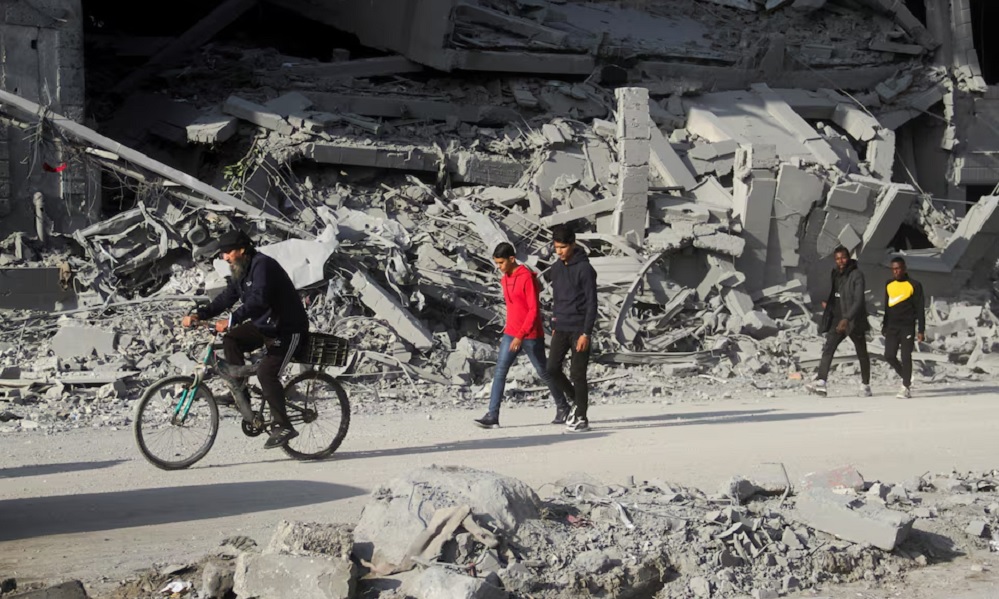
Israel intensified strikes on Gaza hours after a ceasefire and hostage release deal was announced, residents and authorities in the Palestinian enclave said, and mediators sought to quell fighting ahead of the truce’s start on Sunday.
The complex ceasefire accord between Israel and militant group Hamas, which controls Gaza, emerged on Wednesday after months of mediation by Qatar, Egypt and the U.S. and 15 months of bloodshed that devastated the coastal territory and inflamed the Middle East, Reuters reported.
The deal outlines a six-week initial ceasefire with the gradual withdrawal of Israeli forces from the Gaza Strip, where tens of thousands have been killed. Hostages taken by Hamas would be freed in exchange for Palestinian prisoners held by Israel.
At a news conference in Doha, Qatari Prime Minister Sheikh Mohammed bin Abdulrahman Al Thani said the ceasefire would take effect on Sunday. Negotiators are working with Israel and Hamas on steps to implement the agreement, he said.
“This deal will halt the fighting in Gaza, surge much-needed humanitarian assistance to Palestinian civilians, and reunite the hostages with their families after more than 15 months in captivity,” U.S. President Joe Biden said in Washington.
His successor, Donald Trump, takes office on Monday and claimed credit for the breakthrough in Gaza.
Israel’s acceptance of the deal will not be official until it is approved by the country’s security cabinet and government, with votes slated for Thursday, an Israeli official said.
The accord was expected to win approval despite opposition from some hardliners in Israeli Prime Minister Benjamin Netanyahu’s coalition government.
While people celebrated the pact in Gaza and Israel, Israel’s military escalated attacks after the announcement, the civil emergency service and residents said.
Heavy Israeli bombardment, especially in Gaza City, killed 32 people late on Wednesday, medics said. The strikes continued early on Thursday and destroyed houses in Rafah in southern Gaza, Nuseirat in central Gaza and in northern Gaza, residents said.
Israel’s military made no immediate comment and there were no reports of Hamas attacks on Israel after the ceasefire announcement.
A Palestinian official close to the ceasefire negotiations said mediators were seeking to persuade both sides to suspend hostilities ahead of the ceasefire going into effect.
JUBILATION IN GAZA
In social media posts, some Gaza residents urged Palestinians to exercise extra caution in the belief Israel could step up attacks in the next few days to maximize gains before the ceasefire starts.
Nevertheless, news of the ceasefire deal sparked jubilation in Gaza, where Palestinians have faced severe shortages of food, water, shelter and fuel. In Khan Younis, throngs clogged the streets amid the sounds of horns as they cheered, waved Palestinian flags and danced.
“I am happy. Yes, I am crying, but those are tears of joy,” said Ghada, a displaced mother of five.
In Tel Aviv, families of Israeli hostages and their friends likewise welcomed the news, saying in a statement they felt “overwhelming joy and relief (about) the agreement to bring our loved ones home.”
In a social media statement announcing the ceasefire, Hamas called the pact “an achievement for our people” and “a turning point.”
If successful, the ceasefire will halt fighting that has razed much of heavily urbanised Gaza, killed over 46,000 people and displaced most of the tiny enclave’s pre-war population of 2.3 million, according to Gaza authorities.
That in turn could defuse tensions across the wider Middle East, where the war has stoked conflict in the Israeli-occupied West Bank, Lebanon, Syria, Yemen and Iraq, and raised fears of all-out war between arch regional foes Israel and Iran.
With 98 Israeli hostages remaining in Gaza, phase one of the deal entails the release of 33 of them, including all women, children and men over 50. Two American hostages, Keith Siegel and Sagui Dekel-Chen, were among those to be released in the first phase, a source said.
FOOD LINED UP AT THE GAZA’S BORDERS
The agreement calls for a surge in humanitarian assistance to Gaza, and the U.N. and the International Committee of the Red Cross said they were preparing to scale up their aid operations.
“A ceasefire is the start – not the end. We have food lined up at the borders to Gaza – and need to be able to bring it in at scale,” said Cindy McCain, World Food Program executive director, on X.
Global reaction to the ceasefire was enthusiastic. Leaders and officials of Egypt, Turkey, Britain, the United Nations, the European Union, Jordan, Germany and the United Arab Emirates, among others, celebrated the news.
Biden and Trump both claimed credit for the deal that was months in the making but was helped across the line by a Trump emissary.
Trump’s Mideast envoy Steve Witkoff was in Qatar along with White House envoys for the talks, and a senior Biden administration official said Witkoff’s presence was critical to reaching a deal after 96 hours of intense negotiations.
Biden said that the two teams had “been speaking as one”.
Israeli hostage families expressed concern that the accord may not be fully implemented and some hostages may be left behind in Gaza.
Negotiations on implementing the second phase of the deal will begin by the 16th day of phase one, and this stage was expected to include the release of all remaining hostages, a permanent ceasefire and the complete withdrawal of Israeli forces from Gaza.
The third stage is to address the return of all remaining dead bodies and the start of Gaza’s reconstruction supervised by Egypt, Qatar and the United Nations.
If all goes smoothly, the Palestinians, Arab states and Israel must still agree on a vision for post-war Gaza, including the unanswered question of who will run Gaza after the war.
Israeli troops invaded Gaza after Hamas-led gunmen burst into Israeli border-area communities on Oct. 7, 2023, killing 1,200 soldiers and civilians and abducting over 250 hostages, according to Israeli tallies.


Regional
Pakistan’s leaders dread US Democrats’ win but its households are praying for it
Pakistan’s courtship of Trump, capped by its mediation in the Iran war, earned it a close relationship with his administration. That access has yet to deliver clear economic gains, and congressional scrutiny of Islamabad’s dealings with Trump’s inner circle now threatens the rewards its leaders hoped would follow.
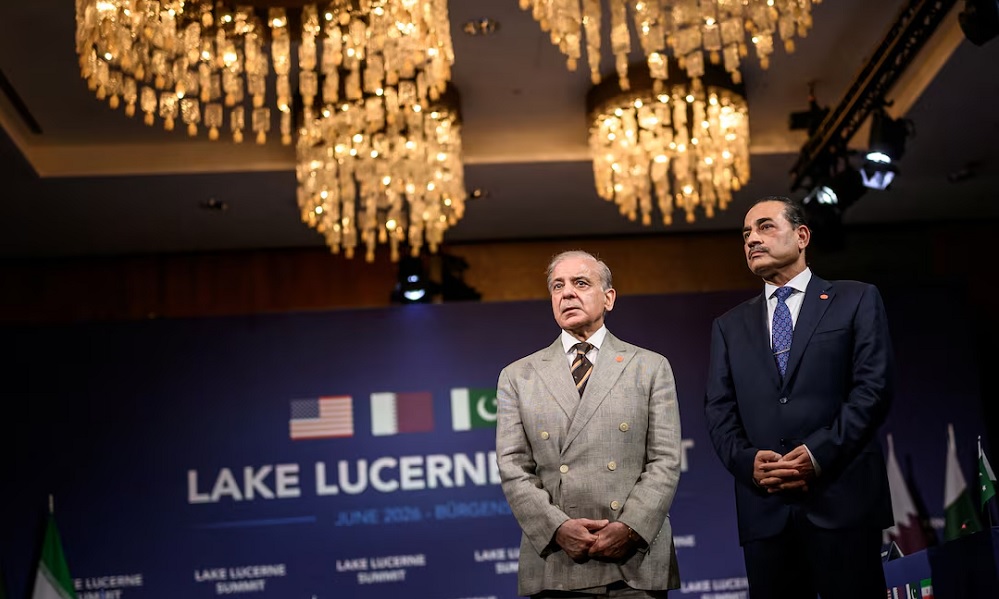
Pakistan’s leaders spent two years courting US President Donald Trump, but after the Democrats’ win in Tuesday’s congressional vote, they are preparing for scrutiny of their access to the White House.
Ordinary Pakistanis see the result differently. Many hope the shift in Washington will ease a cost-of-living crisis intensified by the US-Israel war on Iran, Reuters reported.
“We believe meaningful negotiations with the current US administration are not possible, and the ongoing bloodshed will not end until there is a change in [the US] government,” Karachi resident Sajjad Ali said.
“We want peace, economic improvement and a reduction in the rising oil prices.”
Asim Zafar, also from Karachi, said he hoped the results would rein in Trump. “It could bring changes in important policies and perhaps help prevent some of the injustices being committed against Muslim countries,” he said.
But for Pakistan’s government and powerful military leadership, analysts say, the outcome is far more worrying.
Pakistan’s courtship of Trump, capped by its mediation in the Iran war, earned it a close relationship with his administration. That access has yet to deliver clear economic gains, and congressional scrutiny of Islamabad’s dealings with Trump’s inner circle now threatens the rewards its leaders hoped would follow.
A BET ON ONE MAN
The courtship began early in Trump’s second term, with army chief Asim Munir — who Trump has repeatedly described as his “favourite field marshal” — as Islamabad’s main channel to the White House.
Their June 2025 lunch took place unusually without Pakistani civilian officials present, which put the military at the centre of the rapprochement.
According to Pakistan’s military, their talks went beyond security to cooperation in mining, energy and cryptocurrency.
Pakistan then joined Trump’s Board of Peace and nominated him for the Nobel Peace Prize, crediting him with helping end its May 2025 conflict with India. New Delhi denies US mediation halted hostilities.
Earlier this year, Iran mediation gave the courtship strategic substance: Islamabad relayed messages and hosted April talks between the US and Iran, but the eventual Islamabad Agreement quickly faltered.
For consumers, Pakistan’s rising diplomatic influence has offered little protection from the war’s costs while the payoff for the state has also been thin. The US Export-Import Bank approved $1.25 billion for Pakistan’s Reko Diq copper and gold project in December 2025. But Pakistan’s signature $10 billion request for a US Treasury facility remains unanswered.
DEALS UNDER SCRUTINY
Pakistan’s outreach, public and private, now carries political risk because several arrangements involve Trump’s family or close associates.
Islamabad has signed memoranda to explore payments in USD1, a stablecoin issued by the Trump-linked World Liberty Financial. At the signing in January, Finance Minister Muhammad Aurangzeb said innovation should be “aligned with regulation, stability, and national interest.”
It has also signed another memorandum to redevelop Manhattan’s Roosevelt Hotel, a deal negotiated by envoy Steve Witkoff, and placed a limited drone order with Powerus, whose investors include Trump’s sons Donald Jr. and Eric.
“There are no conflicts of interest,” White House spokeswoman Anna Kelly told Reuters in September, when asked about Powerus.
Husain Haqqani, a former Pakistani ambassador to Washington and senior fellow at the Abu Dhabi-based Anwar Gargash Diplomatic Academy, said Pakistan’s leaders had “built a transactional relationship” with Trump’s team. Some arrangements involving the president’s friends and relatives “might not last,” he said. “Pakistan seems totally unprepared for that scrutiny.”
Daniel Markey, a senior fellow at the Washington-based Stimson Center, warned that investigations could taint the wider relationship if dealings appeared driven by private interests.
From Pakistan’s perspective, there may still be cards left to play, analysts said.
The Atlantic Council’s Michael Kugelman said Pakistan’s counterterrorism cooperation and Iran diplomacy enjoyed bipartisan support, and Democrats would be more likely to blame problematic deals on Trump than on Pakistan.
But “the risk for Pakistan is that it put so many of its diplomatic eggs in the White House basket that it won’t have anything left for the Democrats,” Kugelman said.
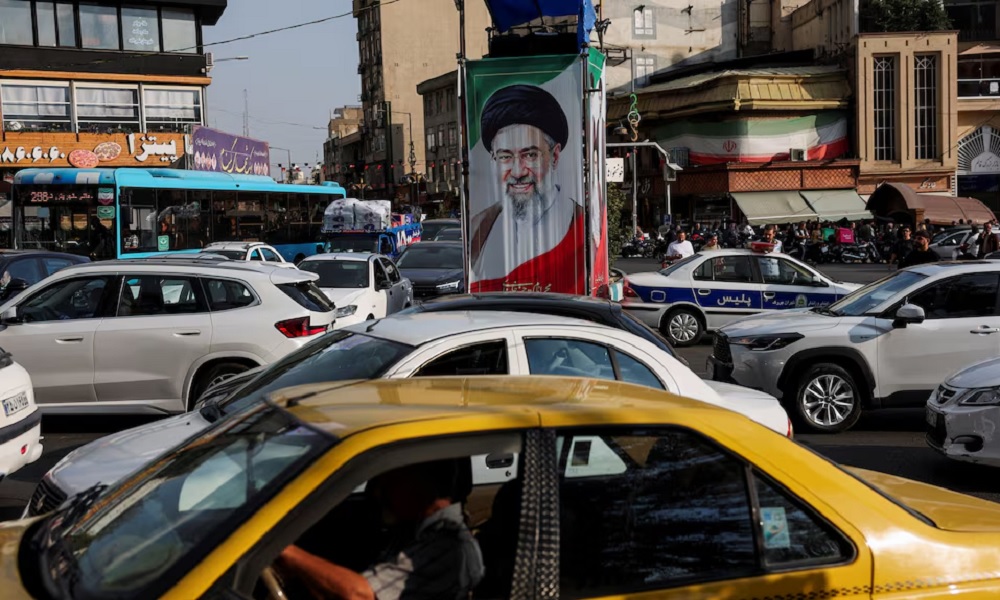
Iran has sent the United States a nuclear proposal via Qatar, to be discussed only after Washington meets Tehran’s seven demands, a senior Iranian official told Reuters on Thursday.
The official, who spoke on condition of anonymity, said the US was reviewing the proposal but declined to provide further details.
Mediators have intensified efforts to end the war between Iran and the United States amid fears it could reignite after the US midterm elections, with Trump on Tuesday declining to rule out a resumption of combat operations after the vote and Iran planning wider retaliation if war resumes.
Iran’s top security official Mohsen Rezaei had said earlier on Thursday, during a visit to Russia: “On the issue of diplomacy, we have announced seven conditions to the Americans. As long as they do not execute our seven conditions, we will neither open the Strait of Hormuz nor have negotiations”.
Iran has demanded the lifting of US sanctions, the release of frozen Iranian assets and war reparations, among other conditions, while Washington has said nuclear issues must be part of any initial negotiations.
The US and Israel attacked Iran on February 28, and Iran responded with strikes on Israel and Gulf states that host US bases. Conflict also erupted in Lebanon between Iran-backed Hezbollah and Israel, and more recently spread to Yemen, from where the Iran-aligned Houthis have struck energy facilities, airports and other targets in Saudi Arabia.
Regional
Iran says US voted ‘No to War’ after Republican midterm losses
The comments came after US President Donald Trump acknowledged that the war with Iran and rising petrol prices had contributed to the Republicans’ poor election performance.


Astronomers discover white dwarf surrounded by two rings of planetary debris
UN official warns Afghanistan’s humanitarian crisis could threaten regional stability and security

Afghanistan U-19 crush Malaysia by 10 wickets for second straight Asia Cup win
Pakistan reviews US plan to deport Afghans through its territory

Pakistan’s Bank Alfalah exits Afghanistan after 20 years

Afghanistan finish runners-up after 6-0 defeat to Brazil in futsal final

Trump says US will not attack Iran before midterm elections in November

Trump says US may strike Iran’s ‘Pickaxe Mountain’ nuclear facility

Afghan futsal coach: Brazil tournament is first step towards new goals and World Cup

WHO calls for greater mental health support in Afghanistan
Tahawol: Calls for stronger joint action against terrorism discussed
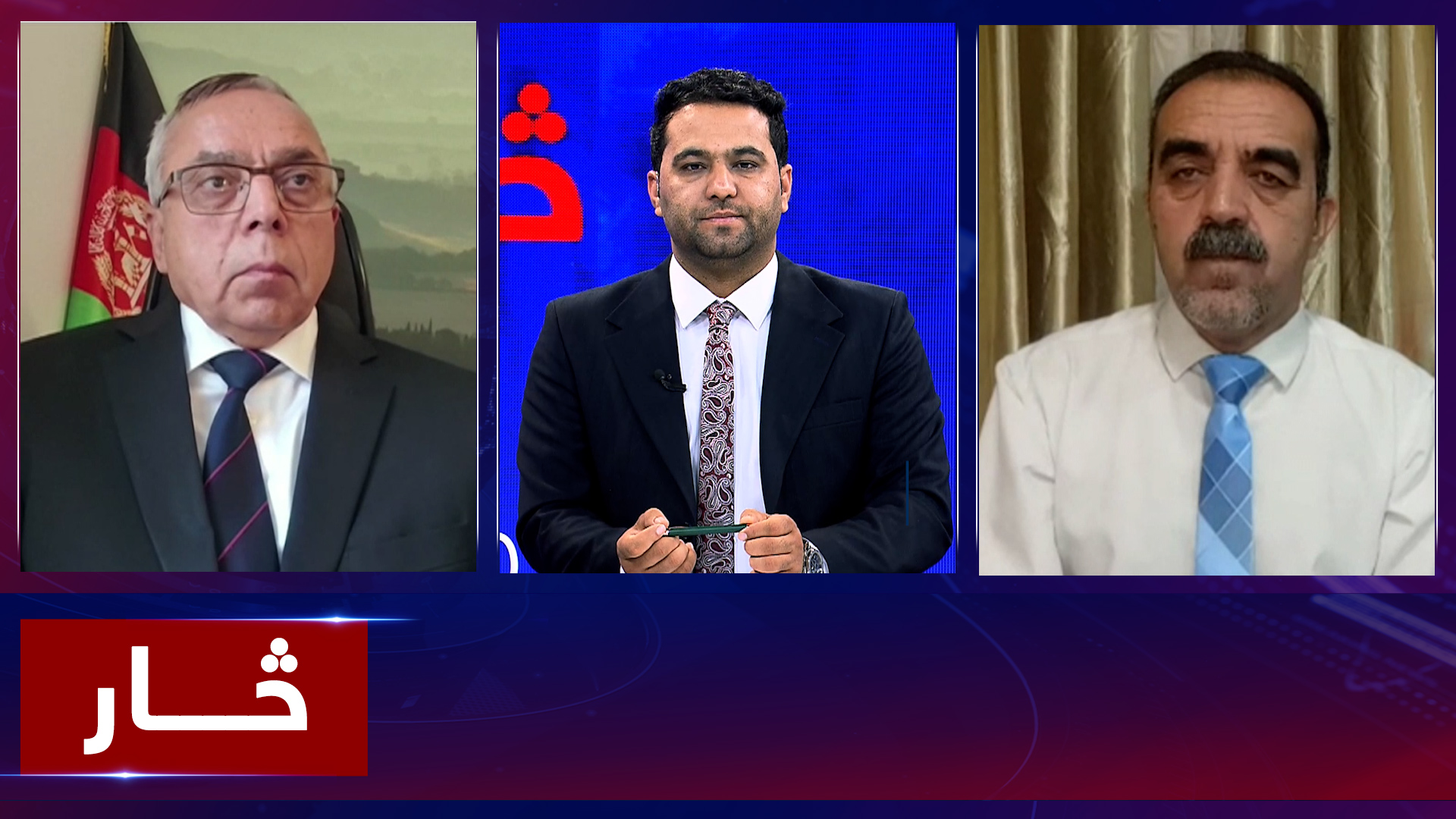
Saar: Impact of closing trade routes between Kabul-Pakistan discussed

El-Sayed’s historic victory opens a new chapter for Muslim Americans
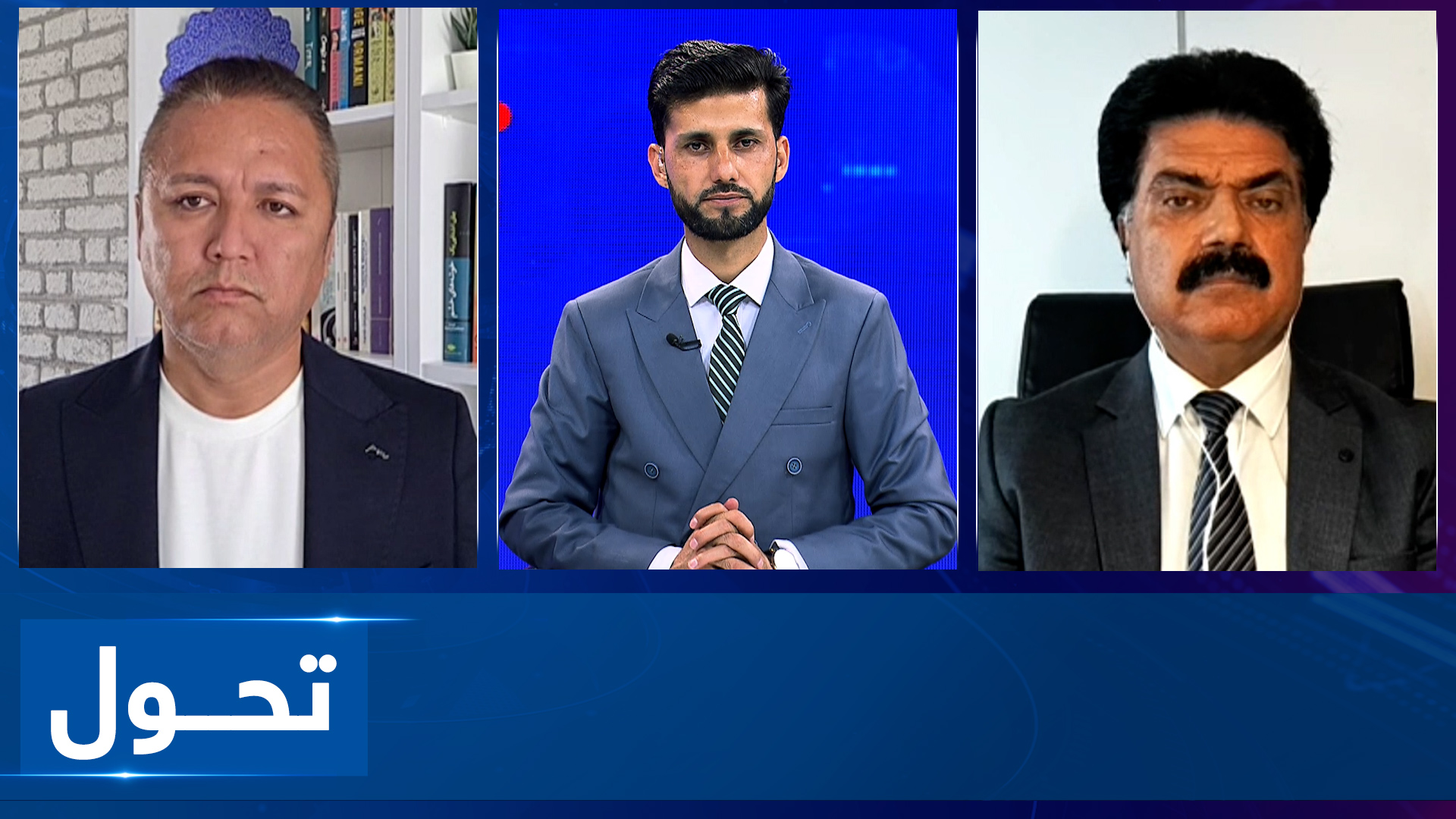
Tahawol: Russia’s Moscow Format for Afghan issues discussed
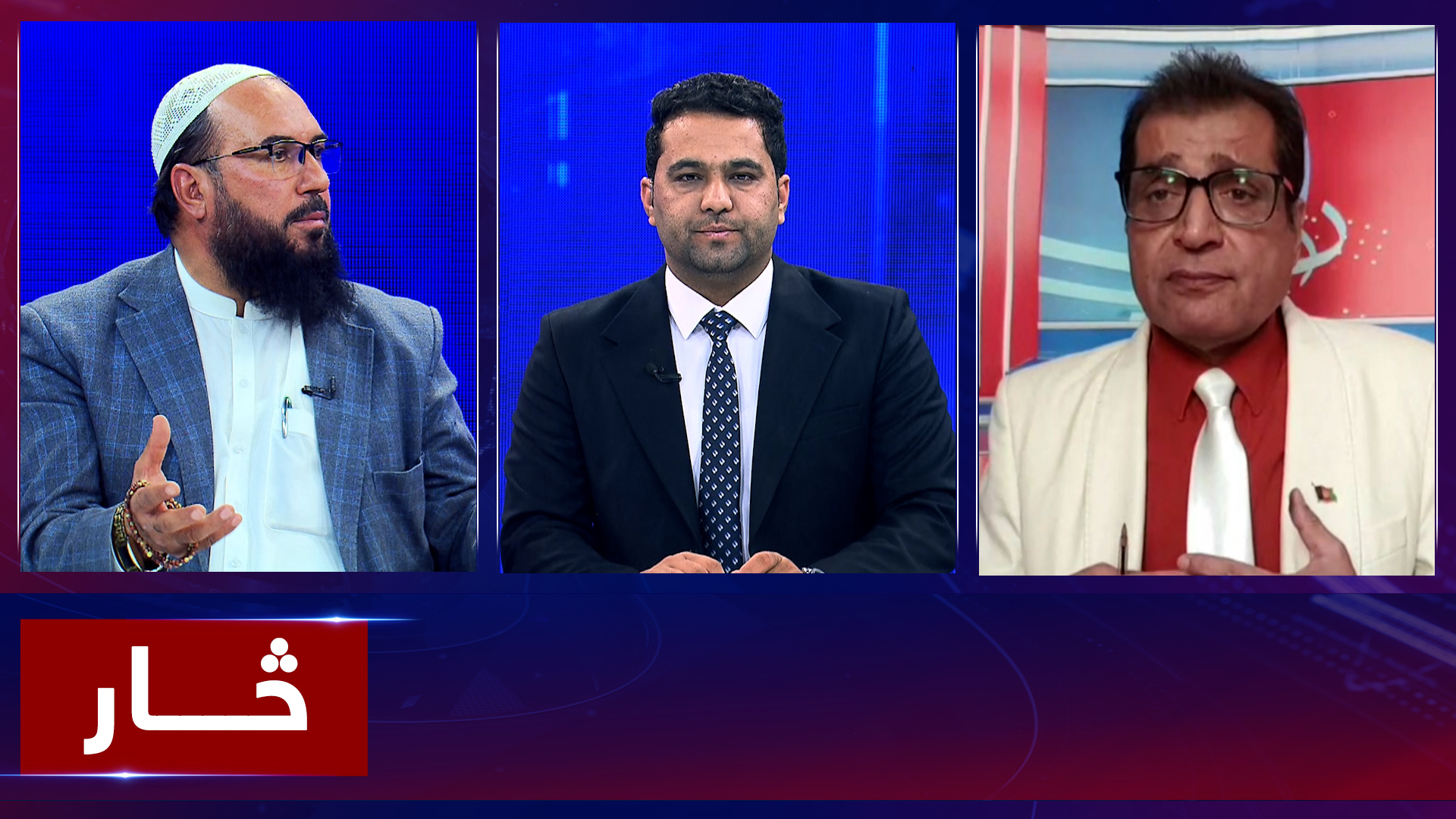
Saar: Afghanistan’s second invitation to Global Climate Summit discussed
-
 Sport5 days ago
Afghanistan futsal team thrash Panama 5-0 in flying start to Dakar Youth Olympics
-
 World4 days ago
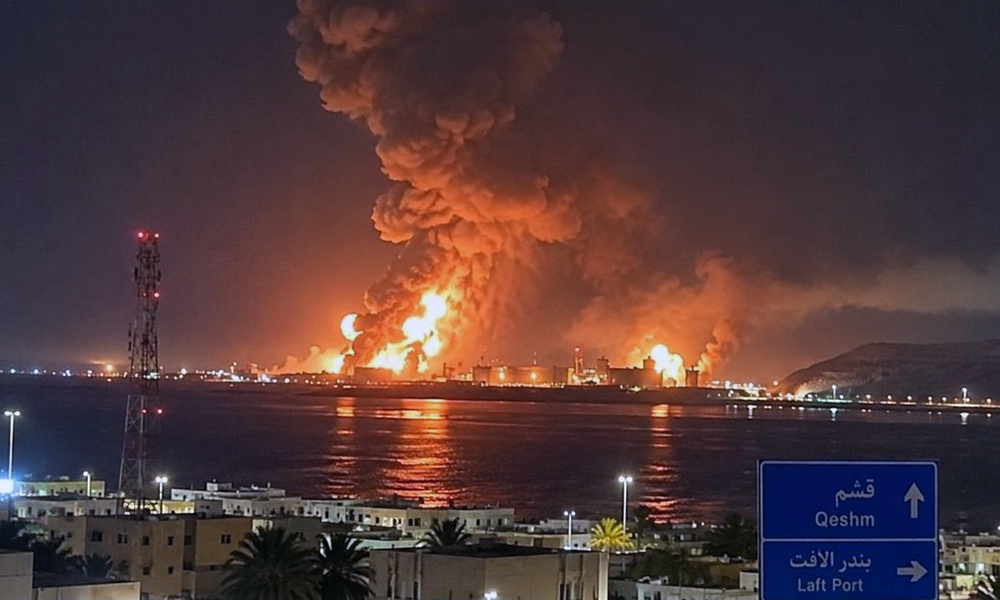
US carries out ‘defensive’ strikes on Iran’s Qeshm Island, officials say
-
 Sport2 days ago
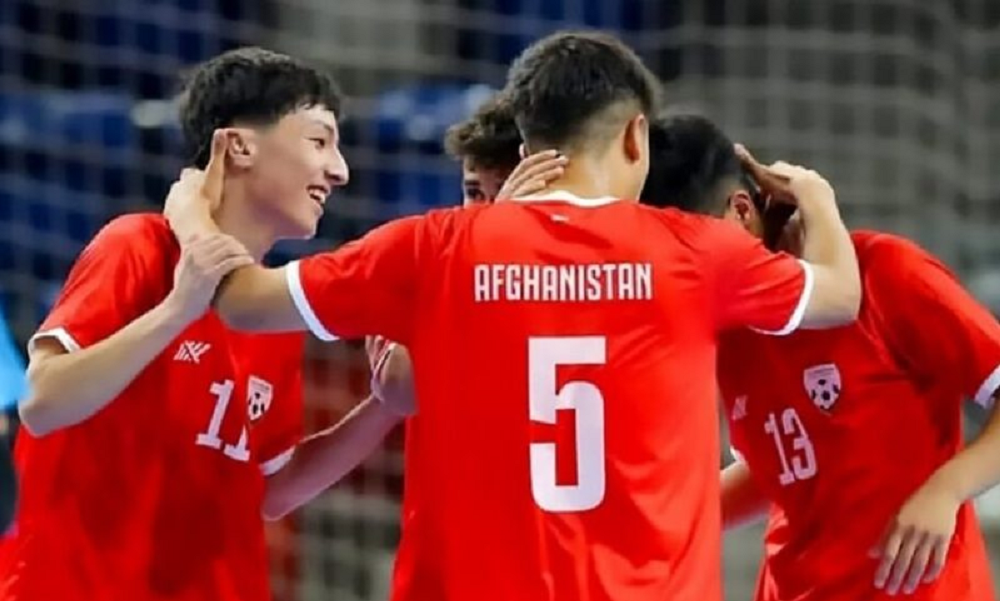
Afghanistan suffer narrow defeat against Argentina at Dakar Youth Olympics
-
 Regional4 days ago
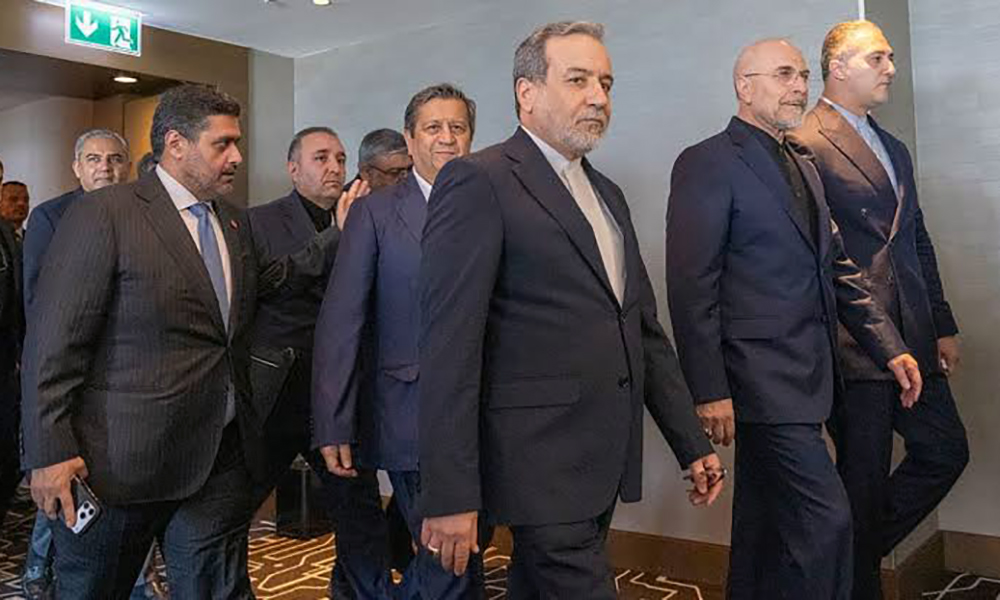
Iran says contacts over ending war continue after talks finish with no breakthrough
-
 Latest News4 days ago
Iran plans new four-nation meeting on Afghanistan amid regional diplomatic efforts
-
 Latest News3 days ago
US judge temporarily blocks deportation of detained Afghans
-
 Tahawol5 days ago
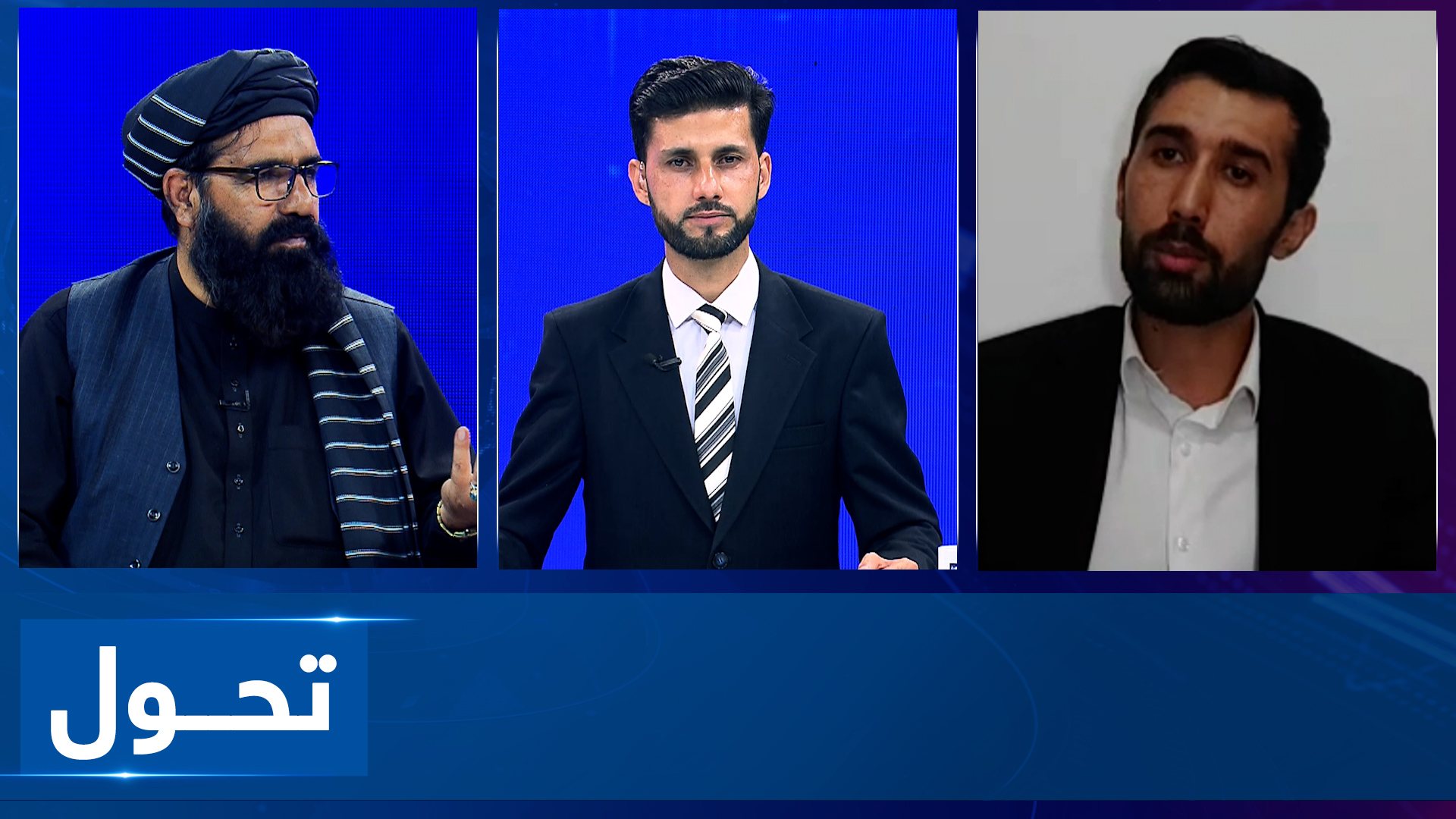
Tahawol: calls for dialogue between Kabul and Islamabad
-

 Latest News4 days ago
US lawmakers urge Trump administration to halt Afghan deportations