
Latest News
Pakistan rejects IEA’s claims of mistreatment of migrants
“We have noted the remarks made by the Afghan Charge d’ Affaires in Islamabad, about Pakistan’s Illegal Foreigners Repatriation Plan,” the foreign office said.

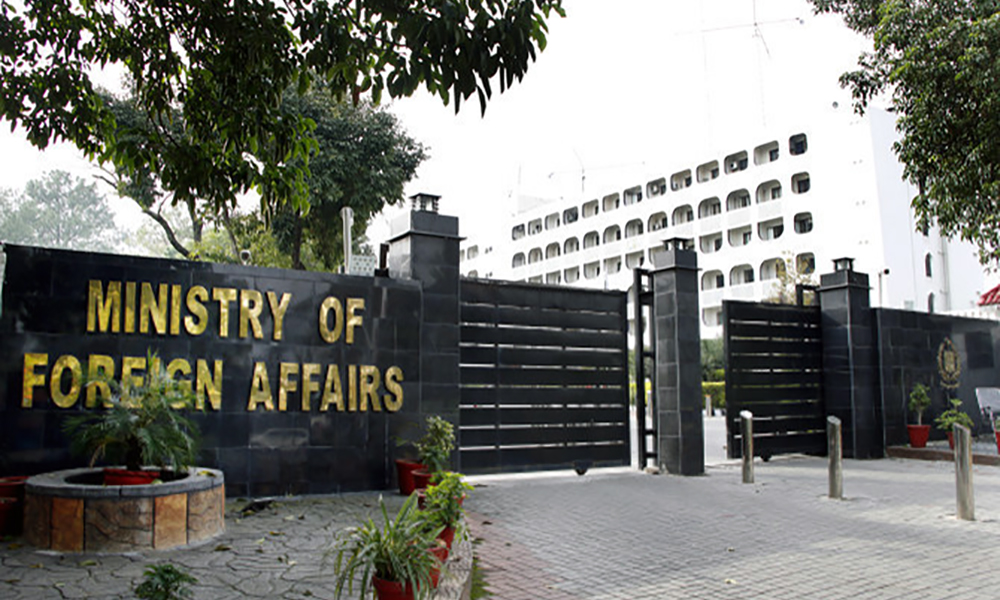
Pakistan’s foreign office spokesperson on Wednesday rejected allegations by the Afghan chargé d’affaires that Islamabad was mistreating Afghan refugees in the country, describing them as “misplaced” and calling on Kabul to ensure its nationals’ smooth repatriation.
Pakistan’s response comes a few hours after the Afghan embassy in Islamabad issued a strongly worded statement on Wednesday, saying Afghan nationals in Islamabad and the nearby garrison city of Rawalpindi have been subjected to arrests, searches and orders from the police to leave the twin cities and relocate to other parts of Pakistan.
Islamabad launched a deportation drive in 2023 mainly targeting Afghan nationals after a spike in suicide bombings which the Pakistan government, without providing evidence, says were carried out by Afghan nationals. Islamabad has also blamed them for smuggling, militant violence and other crimes.
The Afghan embassy said Pakistan’s foreign ministry has confirmed that there is a “definitive and final plan” to deport all Afghan refugees from the entire country in the near future. Pakistan has so far deported over 800,000 Afghan nationals since it launched the deportation drive in 2023.
“We have noted the remarks made by the Afghan Charge d’ Affaires in Islamabad, about Pakistan’s Illegal Foreigners Repatriation Plan,” the foreign office said.
“His assertions regarding mistreatment of Afghan nationals are misplaced,” the ministry added.
It said that Pakistan has hosted millions of Afghans for decades “with respect and dignity” with little support from the international community.
The foreign office said Islamabad began its deportation drive against illegal immigrants in 2023 and put in place appropriate mechanisms to ensure that no one is mistreated or harassed during the repatriation process.
It said Pakistani authorities extensively engaged Afghanistan to ensure a smooth repatriation of Afghan nationals.
“While Pakistan has done what it could, we expect interim Afghan authorities to create conducive conditions in Afghanistan so that these returnees are fully integrated in the Afghan society,” the foreign office said.
“The real test of Afghan authorities would be to ensure that the rights of these people about whom the Afghan Cd’A talked are protected in Afghanistan.”
Other than Afghan officials, international rights agencies have also expressed concerns over the alleged harassment of Afghan nationals by Pakistani law enforcement agencies.
In January, Amnesty International expressed its concern over reports of arbitrary detention and harassment of Afghan refugees and asylum-seekers by law enforcement agencies in Islamabad.
Until the government initiated the expulsion drive in 2023, Pakistan was home to over four million Afghan migrants and refugees out of which around 1.7 million were undocumented, as per government figures.
Afghans make up the largest portion of migrants, many of whom came after the Islamic Emirate took over Kabul in 2021, but a large number have been present since the 1979 Soviet invasion of Afghanistan.
Islamabad insists the deportation drive is not aimed specifically at Afghans but at all those living illegally in Pakistan.





Latest News
UN reaffirms commitment to supporting Afghan people
The UN envoy acknowledged that Afghanistan continues to face significant challenges but said the talents, aspirations and potential of its people are even greater.
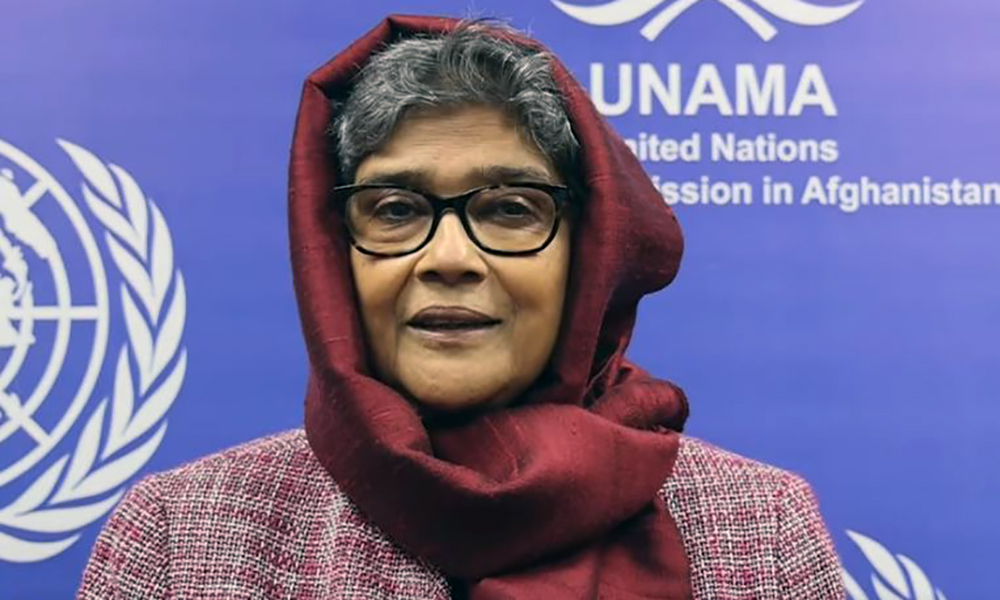
Rabab Fatima, the UN Secretary-General’s Special Representative for Afghanistan, has reaffirmed the United Nations’ commitment to supporting the Afghan people, praising their resilience and determination despite decades of conflict and hardship.
In a statement marking the 81st anniversary of the United Nations on October 24, Fatima said Afghanistan had been part of the organization’s history since joining the UN in 1946.
She noted that for nearly eight decades, the United Nations and its partners had supported Afghans through conflict, natural disasters, displacement, drought and humanitarian emergencies.
Fatima also praised Afghan women and men, young people, community leaders, teachers, healthcare workers and humanitarian staff for continuing to serve their communities despite challenging circumstances.
“As I begin my responsibilities in Afghanistan, I do so with deep respect for the Afghan people, and your culture and rich heritage,” she said, pledging to listen, engage and work alongside Afghans.
The UN envoy acknowledged that Afghanistan continues to face significant challenges but said the talents, aspirations and potential of its people are even greater.
She reaffirmed that the United Nations would continue supporting the Afghan people and advocating for their dignity, opportunities and well-being.
“The future of Afghanistan belongs to its people, and the United Nations will remain a committed partner as Afghans shape that future,” Fatima said.
Latest News
UN praises resilience of Afghans, raises concerns over restrictions on women and girls
The UN’s renewed commitment comes as millions of people across Afghanistan continue to depend on humanitarian assistance.
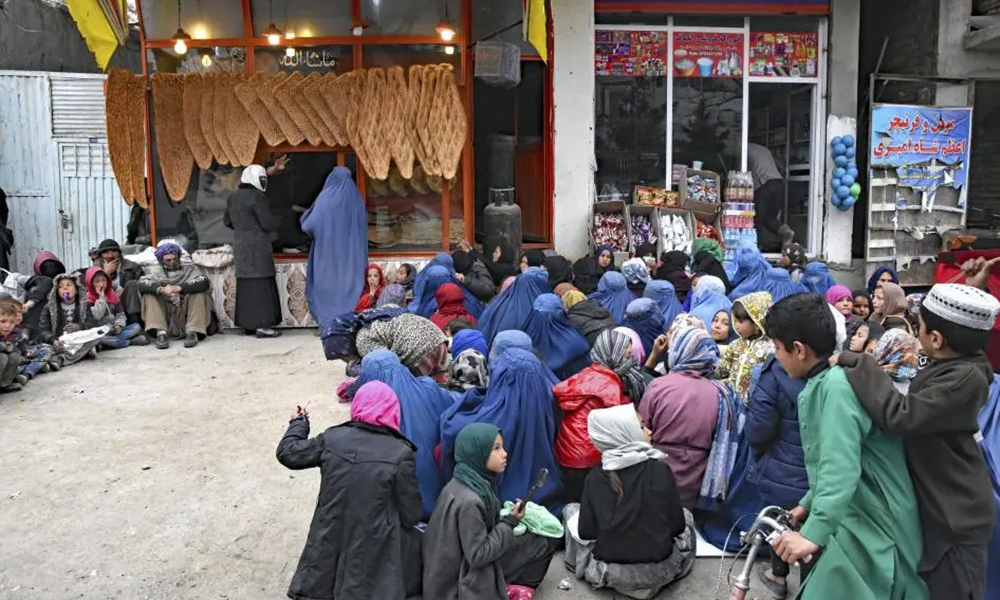
The United Nations has praised the resilience of the Afghan people in the face of decades of conflict, poverty, displacement and climate change, while expressing concern over restrictions imposed on women and girls.
In a statement issued Saturday to mark the 81st anniversary of the UN’s founding, the organization said Afghans continue to face widespread humanitarian and economic challenges, while people returning to the country are also confronting numerous difficulties.
The UN said it remains committed to supporting Afghanistan through humanitarian assistance, healthcare, education, human rights protection, economic opportunities and disaster preparedness.
The statement emphasized that Afghanistan’s future belongs to its people and reaffirmed the organization’s commitment to helping Afghans address ongoing humanitarian and economic challenges.
United Nations Day is observed annually on October 24, marking the entry into force of the UN Charter in 1945.
The UN’s renewed commitment comes as millions of people across Afghanistan continue to depend on humanitarian assistance.
Meanwhile, the Islamic Emirate of Afghanistan has previously said that human rights are now better protected than ever in the country under Islamic Sharia.

Hamdullah Fitrat, Deputy Spokesperson for the Islamic Emirate of Afghanistan, has strongly rejected the repeated allegations by Pakistani officials that Afghanistan is involved in insecurity in Pakistan, saying that creating or supporting insecurity in Pakistan is not in Afghanistan’s interests.
In a statement published on his account, Fitrat said that whenever Pakistani officials are unable to ensure security in their own country, they blame Afghanistan for incidents in an attempt to mislead public opinion.
According to Fitrat, Afghanistan neither has the necessary means to create insecurity in other countries nor would it benefit from such actions, as insecurity in Pakistan also harms Afghanistan economically, socially and in humanitarian terms.
The deputy spokesperson added that instead of focusing on their own security responsibilities, Pakistani officials wrongly blame Afghanistan and spend resources on plans aimed at destabilizing the country.
Fitrat described this approach as a way of evading core responsibilities, destabilizing the region and wasting economic resources. He further said that this misguided stance has distracted Pakistan’s security forces from their primary duties.

UN reaffirms commitment to supporting Afghan people

UN praises resilience of Afghans, raises concerns over restrictions on women and girls

Afghanistan defeat Zimbabwe to win Tri-Series ahead of 2027 Cricket World Cup
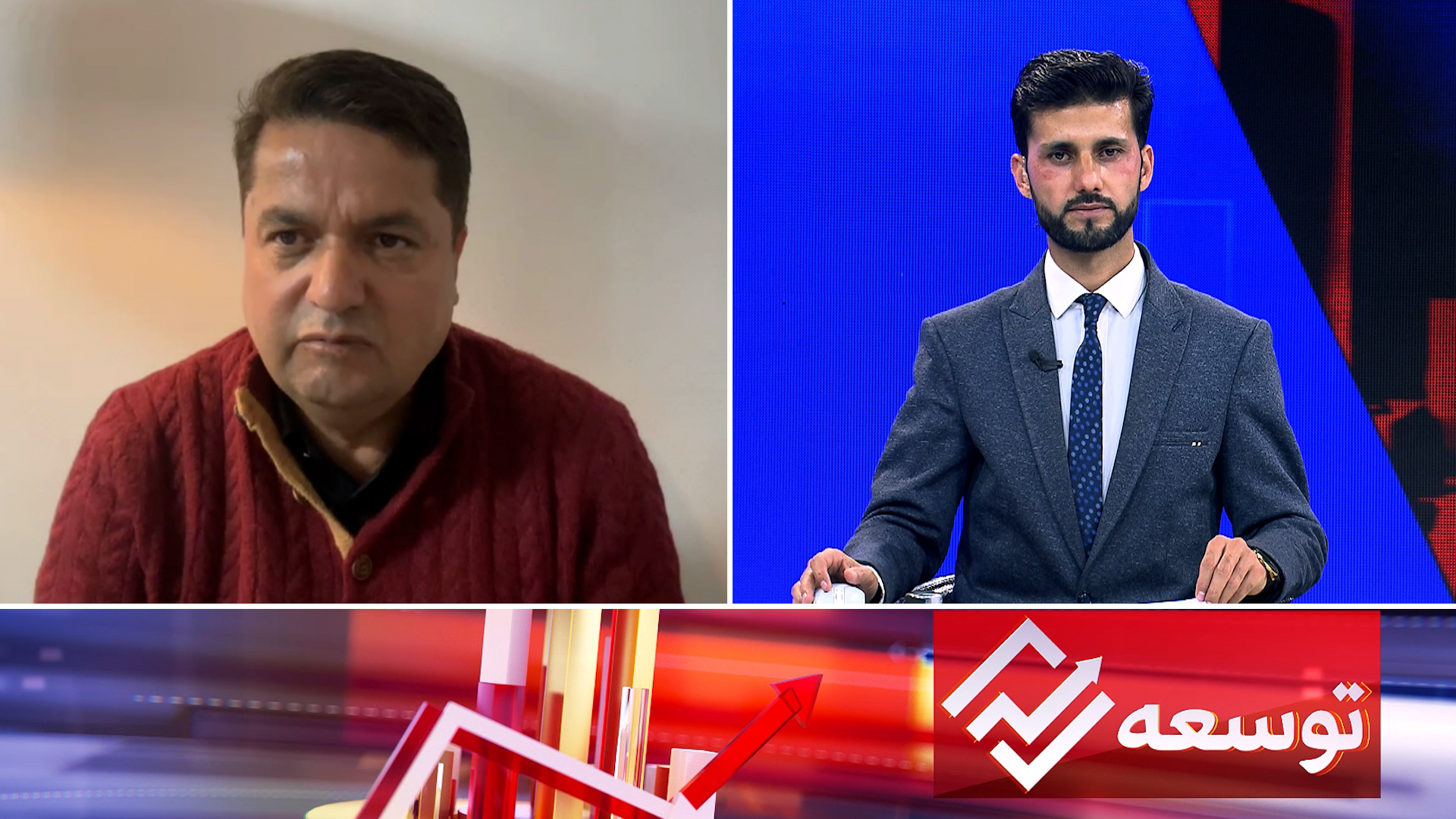
Tawsia: New opportunities in Afghanistan’s energy, trade and agriculture sectors discussed

IEA rejects Pakistan’s allegations linking Afghanistan to insecurity

Cricket Bonanza: Afghanistan set for packed international schedule

Afghanistan says 28 killed, 32 captured in Nuristan operation

Afghanistan on climate front line as Kabul faces groundwater warning

ACB announces Afghanistan squads for Bangladesh, Zimbabwe series

Trump rejects Iranian proposal to open Hormuz and end fighting
Tawsia: New opportunities in Afghanistan’s energy, trade and agriculture sectors discussed

Exclusive interview with Ali Bilal, runner-up in Mr. Olympia Men’s Physique category

Tahawol: Doha meeting and Afghanistan’s political and economic future discussed

Saar: Concerns over expansion of conflict between Iran and US discussed

Governments warn citizens over security risks in France after riots
-
 Latest News2 days ago
Afghanistan’s new Wakhan road to China faces major hurdles
-
 Business5 days ago
Iran calls for extending Herat railway to Uzbekistan border
-
 Latest News4 days ago
Russian troops arrive in Uzbekistan for joint military exercises
-
 Latest News3 days ago
Qatar calls for shift from humanitarian aid to economic recovery in Afghanistan
-

 Latest News4 days ago
Trump blames migrants for violence in France as US midterms loom
-
 World3 days ago
Governments warn citizens over security risks in France after riots
-

 Latest News5 days ago
Poland hits back at Hegseth over NATO sacrifices in Afghanistan
-

 Tahawol5 days ago
Tahawol: US–Iran tensions escalate with mutual threats