
Business
Pakistan grants temporary relief on certificate of origin for Afghan imports
The exemption applies to imports into Pakistan of cotton, beans, coal, and soapstone—categories that have faced significant disruption due to non-compliance

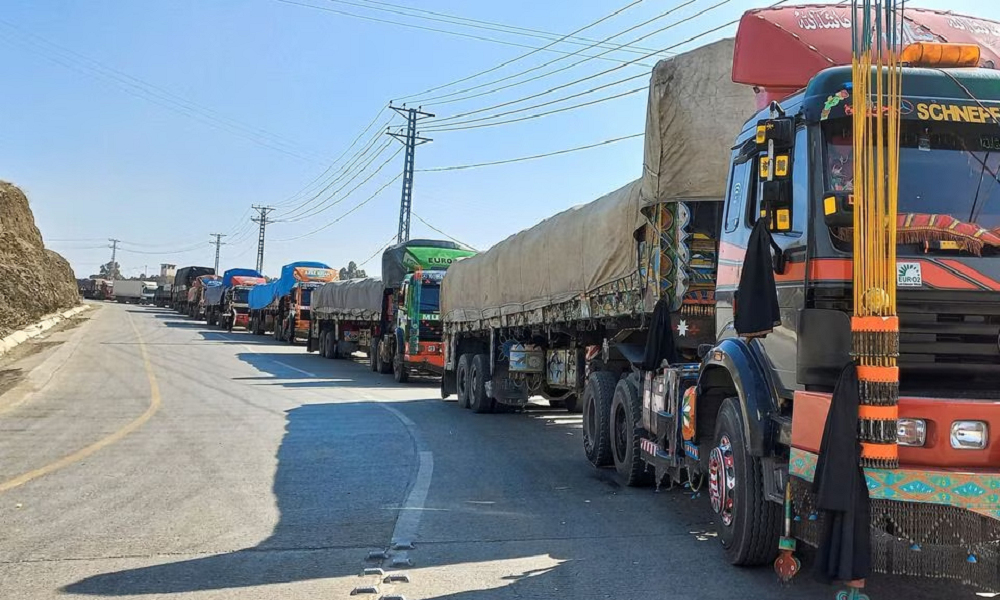
A breakthrough in negotiations between customs authorities and traders has led to a temporary exemption from the Certificate of Origin requirement for select Afghan imports, easing a growing trade bottleneck at the Torkham border.
Customs Collector Azood Mehdi confirmed that the agreement was reached after productive discussions with a delegation representing Afghan goods importers.
Under Pakistan’s Federal Board of Revenue (FBR) regulations, the Certificate of Origin is typically mandatory for all imports from Afghanistan to verify the provenance of goods. However, a special waiver has now been granted until June 30, 2025, for specific commodities.
The exemption applies to imports into Pakistan of cotton, beans, coal, and soapstone—categories that have faced significant disruption due to non-compliance with documentation requirements.
Prior to the exemption, 667 cargo vehicles carrying these goods were held at the Torkham crossing due to the absence of the certificate.
Under the new arrangement, these consignments will be cleared on the basis of a written affidavit provided by traders, serving as a temporary substitute for the Certificate of Origin. This measure is valid only until the June 30 deadline, after which strict enforcement of FBR documentation rules will resume.
Mehdi emphasized that the waiver is a one-time relief measure and urged traders to ensure full compliance going forward. “This decision reflects our commitment to facilitate trade while upholding regulatory standards,” he said.





Business
Afghanistan raises import tariffs on several goods to support domestic industry
Under the new rates, the customs tariff on bottles has increased from 12% to 16%, while the tariff on construction paint has risen from 16% to 30%.
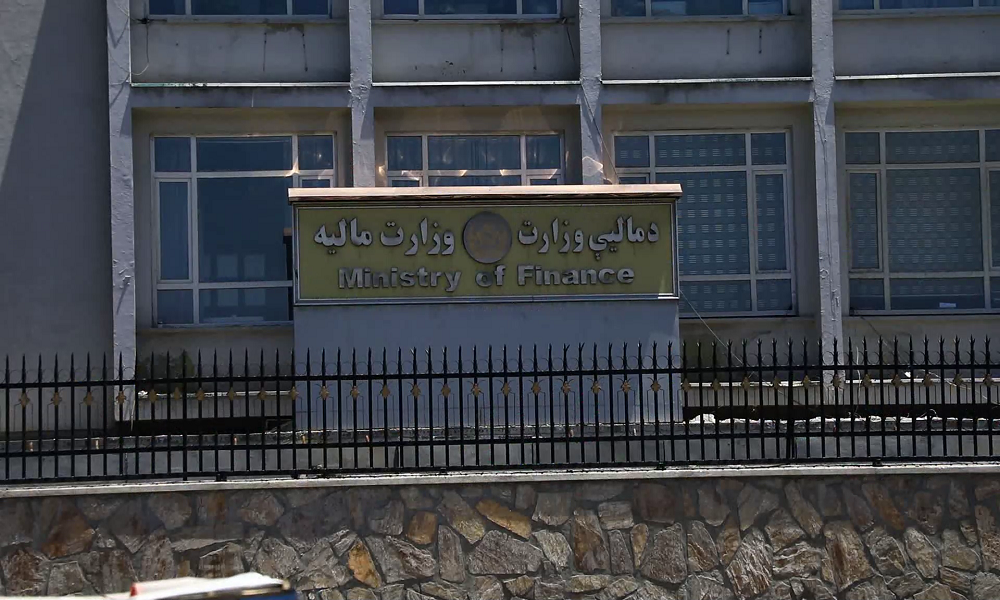
Afghanistan’s Ministry of Finance says it has increased customs tariffs on several imported goods as part of measures aimed at supporting domestic production and industrial growth.
The ministry said the Tariff Committee approved the changes during its third meeting of the 1405 solar year.
Under the new rates, the customs tariff on bottles has increased from 12% to 16%, while the tariff on construction paint has risen from 16% to 30%.
Tariffs on leather footwear and plaster have each increased from 50% to 80%, while the rate on sanitary diapers has risen from 20% to 25%.
At the same time, the tariff on heart springs has been reduced from 8% to 3.5%.
The Ministry of Finance said customs tariffs on cement, iron pipes, refrigerators and raw materials used in carpet production are also under review.
According to the ministry, the tariff adjustments are intended to protect domestic industries, strengthen local production and create conditions for further growth in trade.
Business
Afghanistan-Kazakhstan trade reaches $581 million in six months
The latest discussions come as Kabul and Astana work on a bilateral economic cooperation roadmap, with the two countries aiming to increase annual trade to $3 billion.
Trade between Afghanistan and Kazakhstan reached $581 million in the past six months, officials in Afghanistan’s western Herat province said.
The figure was discussed during a meeting between Herat Governor Noor Ahmad Islam Jar and a Kazakh delegation led by Yerkin Tukumov, Kazakhstan’s special representative for Afghanistan.
Tukumov stressed the need to expand transit capacity and remove customs barriers to facilitate increased trade between the two countries. He also invited Afghan officials to attend a joint economic meeting scheduled to take place in Kazakhstan.
Islam Jar highlighted Herat’s strategic location and security, describing the province as having significant potential to serve as a hub for investment and regional trade.
Afghanistan and Kazakhstan have previously discussed expanding trade in agricultural products, including Afghan agricultural exports in exchange for flour imports from Kazakhstan.
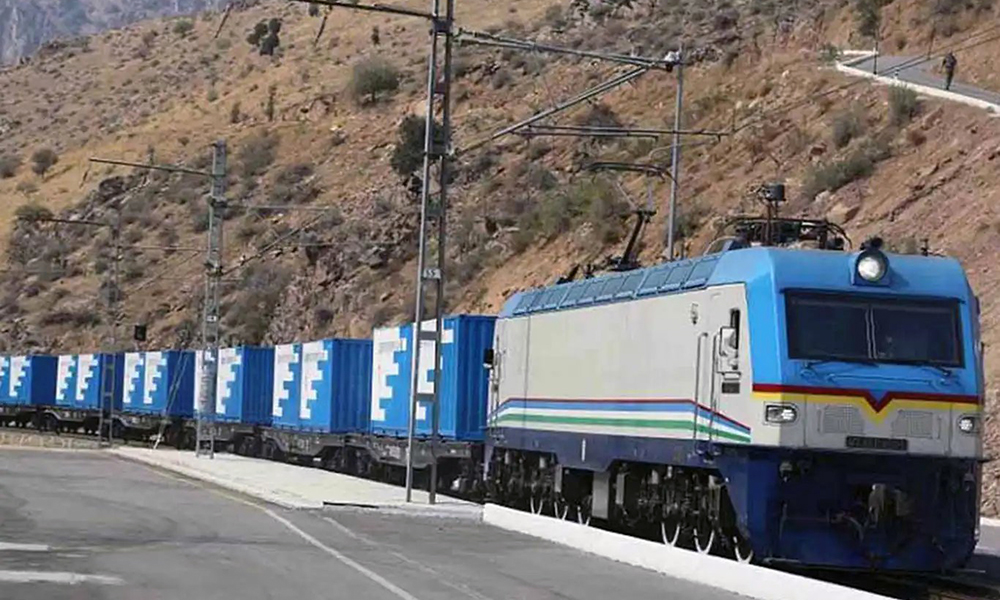
The two sides have also reached understandings on cooperation over the Torghundi-Herat railway project, which is intended to strengthen transport and trade links.
The latest discussions come as Kabul and Astana work on a bilateral economic cooperation roadmap, with the two countries aiming to increase annual trade to $3 billion.
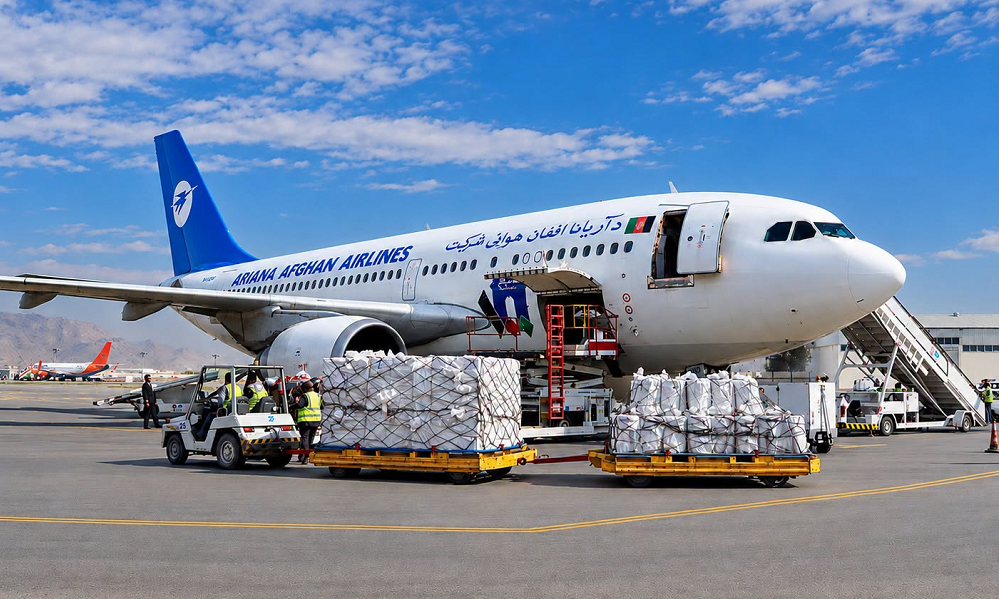
Ariana Afghan Airlines has increased cargo flights between Kabul and Delhi to facilitate the transportation of commercial goods and support Afghan traders.
In a statement issued Saturday, the airline said it will now operate two scheduled cargo flights daily on the Kabul-Delhi route, up from one flight per day previously.
The airline said Afghan traders and commercial companies can use the daily cargo services to transport their goods quickly, safely and reliably between Afghanistan and India.
Ariana Afghan Airlines said it is working to further expand and improve its air cargo services to support trade, meet the needs of Afghan traders and facilitate Afghanistan’s exports and imports.


Sarsabz Yashlar edge Arman FC 1-0 in Afghanistan Champions League

Kunduz football ground to be built with FIFA funding

ACL: Sorkh Poshan Khafi maintain perfect record with 1-0 win over Ariana Khost

Health minister visits Belarus to expand medical cooperation

Afghanistan vs India Asian Games quarter-final abandoned without a toss

Saudi energy group signs major Afghanistan deals covering gas exploration and pipeline plans

Trump floats idea of renaming Atlantic or Pacific Ocean

Nepal flood rescue mission enters critical phase as thousands remain missing

Iranian clubs to face Gulf opponents at neutral venues in Asian Champions League Elite

Khalilzad: Afghanistan ready to attract major investment

Saar: Afghanistan’s image at UNGA

Saar: Concerns over Pakistan’s political crisis discussed

Exclusive interview with Abdul Latif Mansoor, Minister of MRRD

Tawsia: Overview of Afghanistan’s iron mines

Tahawol: Discussion on fresh Pakistani airstrikes on Afghanistan
-

 Regional5 days ago
Iran airlines cancel flights as US sanctions hit
-

 Sport4 days ago
Afghanistan open Asian Games cricket campaign with win over Japan
-
 World4 days ago
Trump welcomes Chinese President Xi as US-China summit gets underway
-

 World2 days ago
Trump rejects Iranian proposal to open Hormuz and end fighting
-

 Latest News1 day ago
Afghanistan says 28 killed, 32 captured in Nuristan operation
-

 Sport1 day ago
Afghan bodybuilder Ali Bilal finishes runner-up at Mr Olympia for third straight year
-
 Latest News4 days ago
Khalilzad warns Pakistan-Afghanistan tensions likely to worsen after fresh airstrikes
-

 Sport3 days ago
Afghanistan to face India in Asian Games cricket quarter-final