
Climate Change
UN warns worsening drought threatens farming in half of Afghanistan
The report also warned of rising cases of livestock disease—particularly foot-and-mouth disease—adding to the pressure on farming communities already struggling with dwindling feed and water supplies.

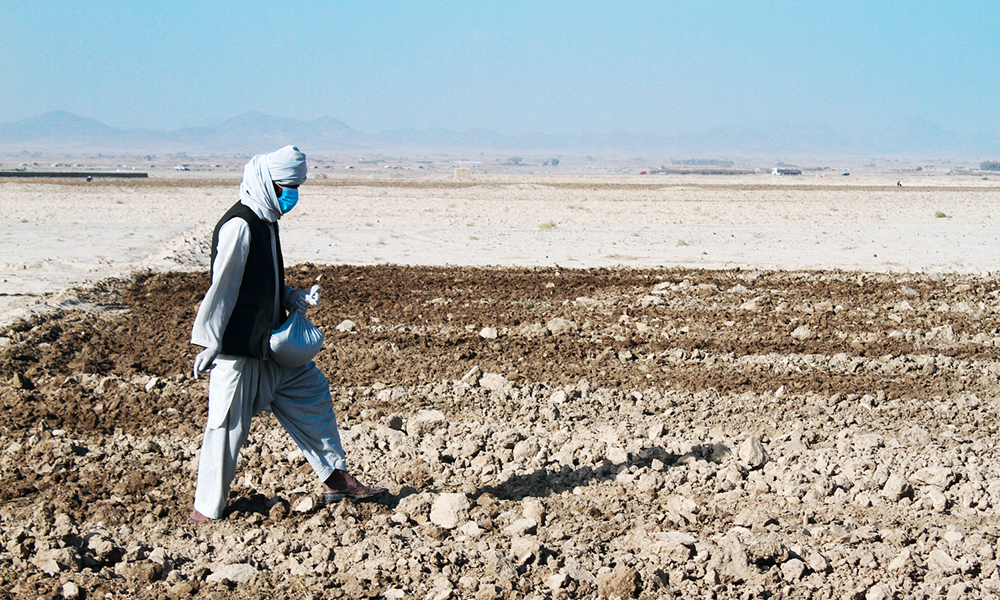
The Food and Agriculture Organization of the United Nations (FAO) has sounded the alarm over a worsening drought crisis in Afghanistan, warning that prolonged dry conditions are severely affecting agriculture and livestock across at least half of the country.
In a new report based on satellite imagery and field assessments, the FAO identified the northern, northwestern, and northeastern regions as the hardest hit, noting that the situation is “deteriorating rapidly” and likely to spread further in the coming months.
“Drought has become a serious threat to the survival of farming and herding families in many parts of Afghanistan,” the report said. Years of insufficient rainfall have eroded soil moisture, decimated pastures, and weakened local economies.
Meanwhile, the effects of climate change have compounded the crisis, undermining the resilience of rural communities and pushing vulnerable families closer to the brink.
The FAO has appealed for $34.5 million in emergency funding to support more than 1 million people in 16 drought-affected provinces, including Bamyan, Ghor, Herat, Balkh, Faryab, Jawzjan, Samangan, Sar-e Pul, Daikundi, Kandahar, Uruzgan, Zabul, Ghazni, Nangarhar, Paktika, and Panjshir.
The report also warned of rising cases of livestock disease—particularly foot-and-mouth disease—adding to the pressure on farming communities already struggling with dwindling feed and water supplies.
Rain-fed agriculture has largely failed in many areas, while irrigated farming is also under threat due to falling groundwater levels and ongoing water scarcity. As a result, food production has been severely curtailed, increasing the risk of food insecurity across wide swathes of the country.
Beyond its immediate impact on crops and livestock, the drought is expected to deepen related challenges, including access to clean water, public health, displacement, environmental degradation, and the reintegration of returnees.
The FAO has called for urgent international assistance to help mitigate the crisis and avert a deepening humanitarian emergency in rural Afghanistan.








Climate Change
Heavy monsoon rains claim lives across India as flooding and landslides continue
Further northeast, flood conditions in Assam have shown slight improvement, although nearly 179,000 people remain affected across seven districts.
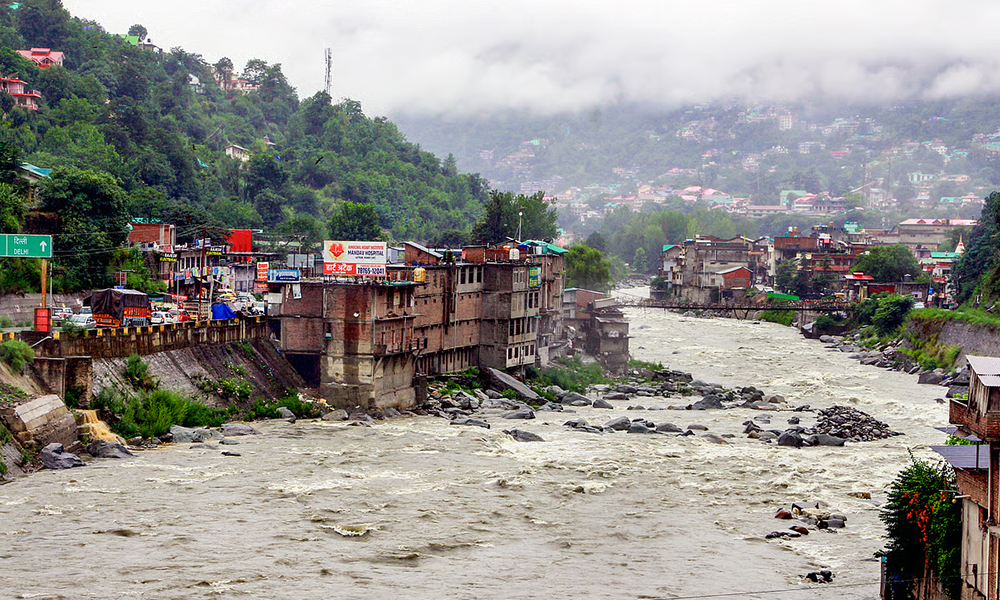
Heavy monsoon rains continue to batter large parts of India, triggering deadly landslides, flash floods and widespread disruption across several states.
In the southern state of Karnataka, three members of the same family were killed early Sunday after a rain-triggered landslide caused a hill to collapse onto their home in Shivamogga district. The state has experienced moderate to heavy rainfall over the past two days, with schools closed in several districts, including Karwar, Udupi, Chikkamagaluru and Dakshina Kannada.
Rivers in parts of Karnataka remain above danger levels, while flooded roads and waterlogged homes have prompted authorities to issue a high alert and urge residents to avoid rivers and low-lying areas.
In neighbouring Kerala, at least eight people have died in rain-related incidents after torrential downpours triggered landslides, flash floods and extensive damage, particularly in the state’s hilly regions. Several rivers burst their banks overnight, inundating towns across central districts. Authorities have opened 65 relief camps, providing shelter to more than 1,400 displaced residents.
Further northeast, flood conditions in Assam have shown slight improvement, although nearly 179,000 people remain affected across seven districts. The death toll from the state’s floods stands at 82, with thousands still living in relief camps. Several rivers, including the Dikhow and Dhansiri, continue to flow above danger levels, while more than 15,000 hectares of farmland remain submerged.
The Indian government has approved the early release of more than 21 billion rupees from the State Disaster Response Fund to support seven flood-affected states.
The India Meteorological Department has forecast heavy to very heavy rainfall across several regions, including Karnataka, Kerala, Rajasthan, Assam, Nagaland, Manipur, Mizoram, Tripura, West Bengal and Sikkim. Thunderstorms, lightning and strong winds are also expected in many parts of the country, with authorities urging residents in vulnerable areas to remain alert.
Climate Change
Hundreds of thousands flee as devastating wildfires rage across France and Spain
Firefighters, military personnel and emergency responders have been deployed across the affected regions, while thousands of residents remain displaced.
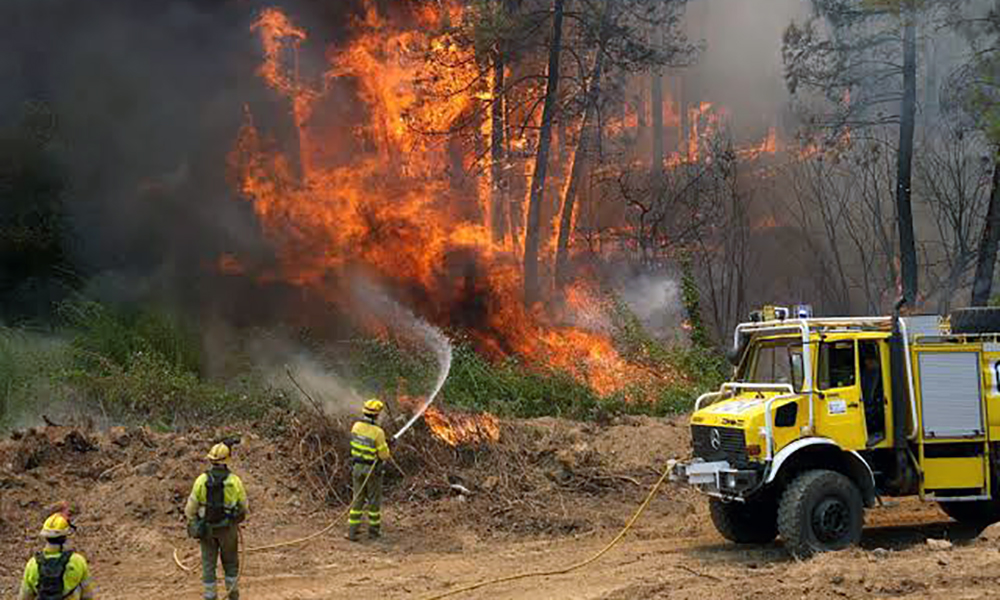
Hundreds of thousands of people have been forced to evacuate their homes as massive wildfires continue to sweep across parts of France and Spain, prompting emergency declarations and international assistance.
Authorities say more than 267,000 people have been evacuated as the fast-moving blazes, fueled by high temperatures, strong winds and dry conditions, continue to spread across large areas of both countries.
In France, officials ordered the complete evacuation of the Cap Ferret peninsula on the Atlantic coast as wildfires burned through more than 10,000 hectares of forest. Thousands of residents and tourists were instructed to leave the area by road and boat as flames advanced despite extensive firefighting efforts.
French President Emmanuel Macron described the situation as “very intense,” while the government activated the European Union’s Civil Protection Mechanism, bringing in additional firefighting aircraft from other EU member states to help battle the blazes.
In neighboring Spain, the government declared a national emergency after multiple wildfires threatened communities west of Madrid and in the province of Ávila. Authorities warned that several fires risked merging into larger fronts, complicating efforts to contain them.
Firefighters, military personnel and emergency responders have been deployed across the affected regions, while thousands of residents remain displaced.
Scientists have repeatedly warned that climate change is increasing the frequency and intensity of extreme heatwaves and wildfire conditions across southern Europe, with prolonged drought and soaring temperatures creating ideal conditions for rapidly spreading fires.
No final estimate of the damage has yet been released, and officials cautioned that dangerous weather conditions are expected to persist, raising concerns that the fires could continue to spread in the coming days.
Emergency services remain on high alert as authorities urge residents in affected areas to follow evacuation orders and avoid travel near active fire zones.
Climate Change
At least 3,700 excess deaths reported during heatwave in France, Belgium and Netherlands

France, the Netherlands and Belgium have recorded 3,700 excess deaths during the June heatwave that sent temperatures soaring across Europe, with authorities warning that the numbers are preliminary and could rise.
Experts have said the heatwave, which lasted from about June 20-28, was the worst recorded in Europe, causing disruption to power generation, damaging infrastructure and overwhelming healthcare systems. The extreme heat was almost certainly driven by climate change, scientists said, Reuters reported.
There were 2,025 excess deaths recorded in France during the heatwave, with a particular increase in deaths among people aged over 45, French Health Minister Stephanie Rist told local television on Friday.
Deaths at home rose 91% between June 22-28 compared to the previous week, while deaths in nursing homes and healthcare facilities also increased, the country’s public health authority said in a bulletin.
“Mortality will … be higher than these initial figures suggest,” the authority warned.
‘UNPRECEDENTED’ MORTALITY DATA
In Belgium, the Health Ministry said on Thursday it had registered excess mortality of about 1,200 deaths between June 18 and June 29, adding that 530 of the deaths were among people aged 85 or older. People aged under 65 accounted for 180 of the excess deaths.
“Such excess mortality during a heatwave is unprecedented in our country,” the ministry said in a statement.
Authorities in the Netherlands said the heatwave led to about 480 excess deaths, mainly among the over 80s.


Kabul’s Omid Sabz Township declared state-owned, occupants told to seek compensation from seller

Turkmenistan reviews TAPI pipeline progress at government energy meeting

Mullah Baradar visits flood-hit Nuristan, pledges continued support for victims

KP chief minister says Islamabad has lost control of Khyber Pakhtunkhwa and Balochistan

Afghan agriculture delegation visits Moldova to boost scientific cooperation

Pakistan’s governance system has ‘collapsed’: Mohsin Naqvi

India offers 1,000 online scholarships for Afghan students for 2026-27 academic year

Cricket world pays tribute to Afghanistan fast bowler Shapoor Zadran

Turkey spent over $120 million to prepare airport for Qatar-donated U.S. presidential aircraft

Thousands pay final respects as Afghan cricketer Shapoor Zadran buried in Kabul

Tahawol: US cancelling strikes on Iran

Saar: Strained relations between Kabul and Islamabad

Saar: Trade shifts from Pakistan to Central Asia and Iran discussed

Tawsia: Efforts to increase Ghori cement production discussed

Tahawol: Germany’s deportation of non-criminal Afghan refugees
-
 Latest News3 days ago
Pakistan’s governance system has ‘collapsed’: Mohsin Naqvi
-

 Sport4 days ago
Qosh Tepa crowned champions of inaugural Afghanistan Wrestling Premier League
-

 Latest News3 days ago
World Bank: Afghanistan’s economic growth too weak to improve living standards
-

 Sport4 days ago
Afghanistan Wrestling Premier League crowns inaugural champion in tonight’s grand final
-

 Latest News2 days ago
Uzbek president calls for Central Asia-Afghanistan development space
-

 World2 days ago
US to make visa bond program permanent for people from dozens of countries
-

 Regional4 days ago
Seven police officers killed in fresh militant assault on Pakistan checkpoint
-

 Business4 days ago
Afghanistan invites Iranian investors to expand economic cooperation