
Health
Aid group warns of deepening health crisis in Afghanistan
In a new report Emergency found that over 70% of the population lacks access to free or affordable healthcare.

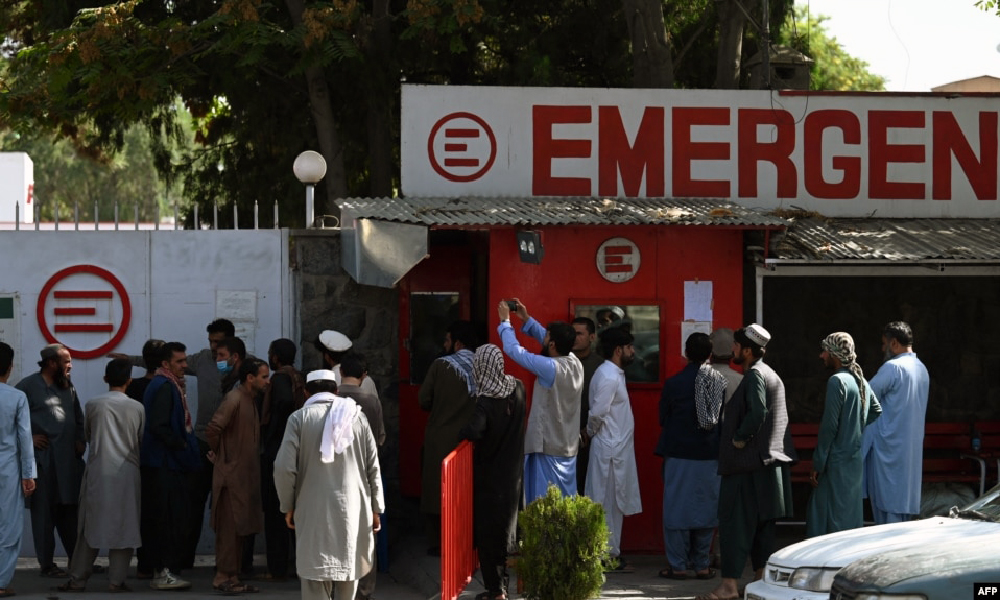
Millions of Afghans are being left without essential medical care amid an economic collapse, severe restrictions on women, and dwindling resources, the international aid organization Emergency warned on Wednesday, marking the fourth anniversary of the government’s fall and the withdrawal of foreign troops.
In a new report based on interviews with more than 1,600 patients, caregivers, and health workers across 11 provinces, Emergency found that over 70% of the population lacks access to free or affordable healthcare.
The group says the country’s health system is under unprecedented strain, with 22.9 million people—more than half the population—now requiring humanitarian assistance.
“The combination of damaged infrastructure, sweeping human rights restrictions, and limited medical access has turned Afghanistan into a post-war survival test,” said Dejan Panic, Emergency’s country director.
The report cites particularly severe conditions in Panjshir’s Anabah district, where restrictions on women’s movement have delayed treatment for female patients, in some cases leading to preventable deaths. Training medical staff—especially women—remains a priority, with women currently making up 23% of Emergency’s workforce.
Emergency, which has operated in Afghanistan since 1999, runs three surgical centers in Kabul, Lashkar Gah, and Anabah; a maternity hospital in Panjshir; and more than 40 first-aid and primary healthcare posts nationwide.
The organization warns that without urgent international support, access to healthcare will deteriorate further, deepening the country’s humanitarian crisis. It has called on the global community to uphold healthcare as a protected and fundamental right, even in the face of ongoing political and economic upheaval.


Health
Afghanistan to launch nationwide polio vaccination campaign
UNICEF said that 12.7 million children in Afghanistan have been vaccinated against polio through ongoing immunization campaigns.
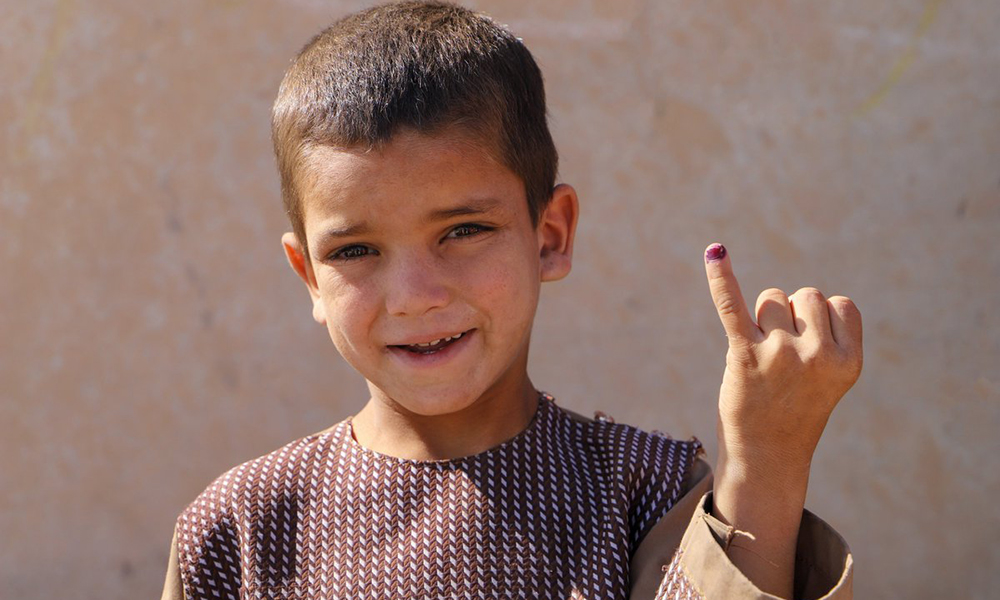
Afghanistan is set to launch a new nationwide polio vaccination campaign on Monday, November 2, as health authorities continue efforts to eradicate the disease, following the vaccination of 12.7 million children across the country.
Afghanistan’s Polio-Free Initiative announced that the campaign will begin nationwide on Monday, while vaccination activities in the southern zone will start a day later, on Tuesday, November 3.
Meanwhile, the United Nations Children’s Fund (UNICEF) said that 12.7 million children in Afghanistan have been vaccinated against polio through ongoing immunization campaigns.
The UN agency noted that despite progress in vaccination coverage, efforts to completely eliminate polio in Afghanistan are continuing.
Polio is a highly infectious viral disease that mainly affects children under the age of five and can cause permanent paralysis.
Health organizations have urged families to cooperate with vaccination teams and ensure that all eligible children receive the required vaccine doses to protect them against the disease.
Health
Afghanistan urges polio vaccination as cases reach 42
World Polio Day is observed annually on October 24 to raise awareness and strengthen global efforts to eliminate the disease.
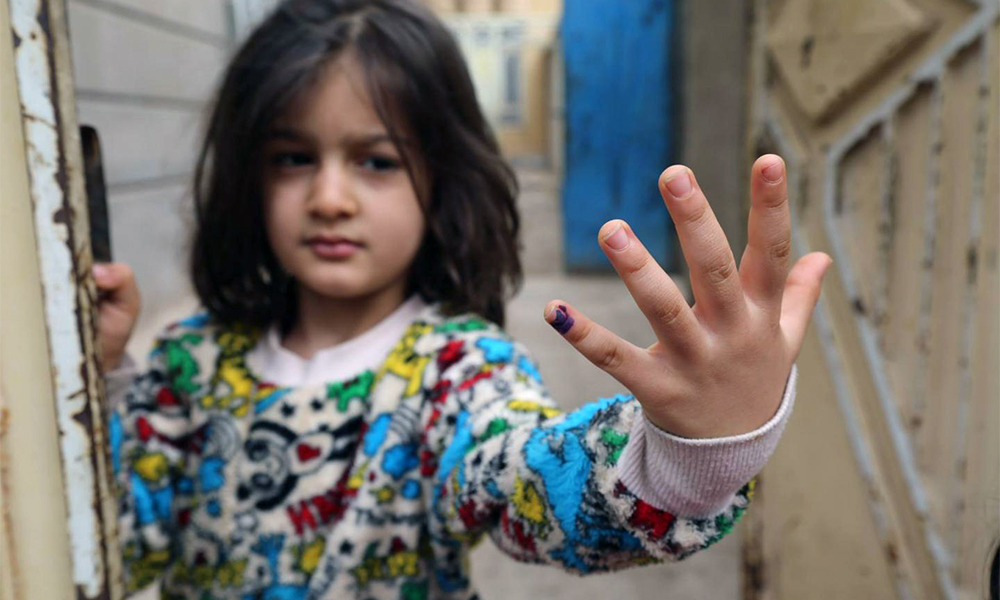
Afghanistan Free Polio has urged parents and caregivers to vaccinate their children against polio, warning of the continued need for vaccination efforts as the country marks World Polio Day on October 24.
In a message issued on Saturday, the organization called on families to ensure their children receive polio vaccines, stressing that every child has the right to grow up free from the disease.
The organization also emphasized the role of families and communities in preventing the spread of the virus and achieving a polio-free Afghanistan.
According to a previous report by the World Health Organization (WHO), six new polio cases had been recorded in Afghanistan, bringing the total number of cases reported since the beginning of 2026 to 42.
Afghanistan and Pakistan remain the only countries where polio has not been eradicated.
World Polio Day is observed annually on October 24 to raise awareness and strengthen global efforts to eliminate the disease.
Health authorities and public health organizations continue to stress that vaccination and community participation are essential to protecting children and preventing further transmission of the virus.
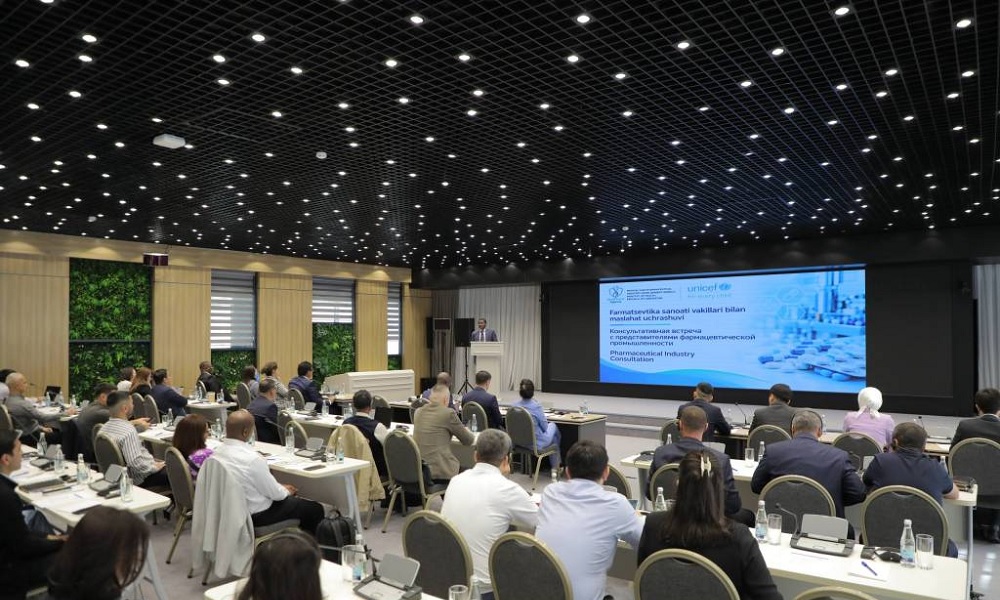
Uzbekistan’s Agency for the Development of the Medical and Pharmaceutical Industry has held talks with UNICEF representatives and local pharmaceutical companies on expanding cooperation and opportunities to supply medicines to Afghanistan.
The meeting was attended by Agency Director Abdulla Azizov, UNICEF Representative in Afghanistan Tajudeen Oyewale, and UNICEF Deputy Representative in Uzbekistan Geoffrey Ijumba.
According to Uzbekistan’s National News Agency, discussions focused on expanding access to international procurement platforms for Uzbek-made medicines, ensuring compliance with international quality standards, and improving transparency in pharmaceutical procurement and tender procedures.
The participants also explored mechanisms for bilateral agreements and potential medicine supplies to Afghanistan.
During the visit, the delegation toured BioPharma City, a pharmaceutical cluster under construction in the Tashkent region, and the Pharmaceutical Technical University. They were briefed on projects aimed at expanding domestic pharmaceutical production and training qualified specialists.

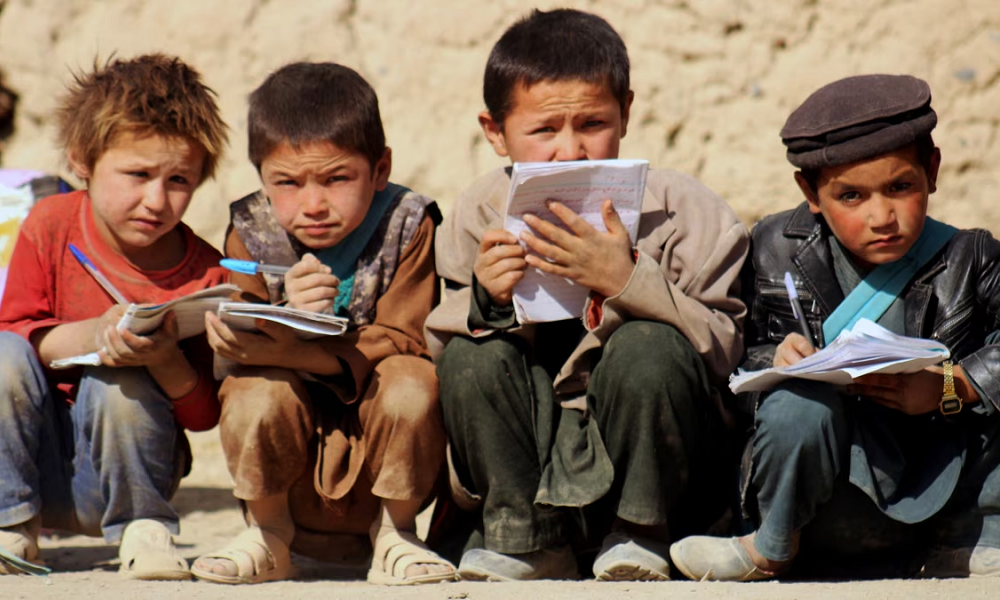
More than half of Afghan primary school-age children out of school: UN report

Cristiano Ronaldo announces international retirement
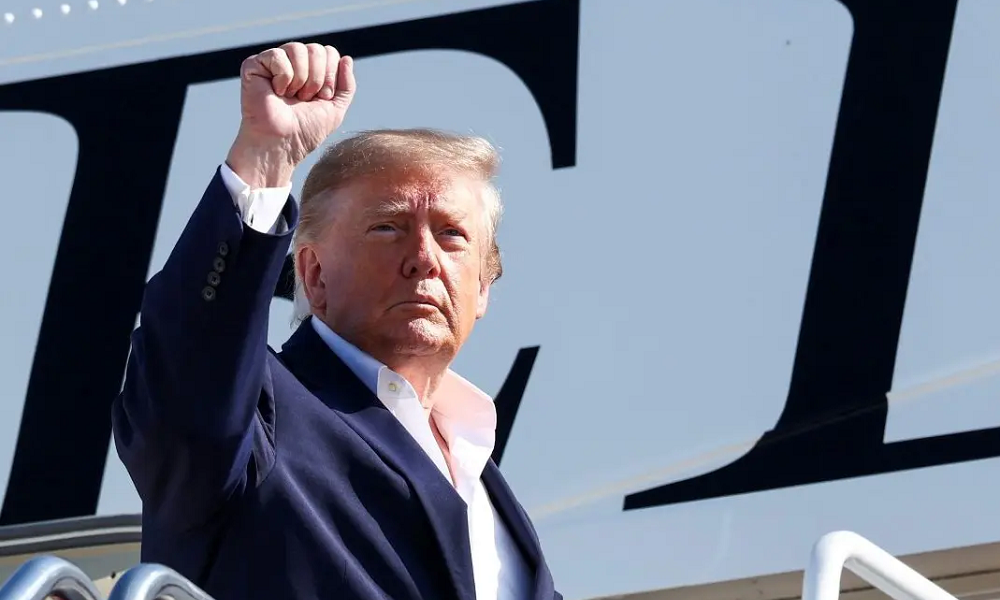
White House declares ‘Trump is still your president’ after Republicans suffer sweeping midterm defeats
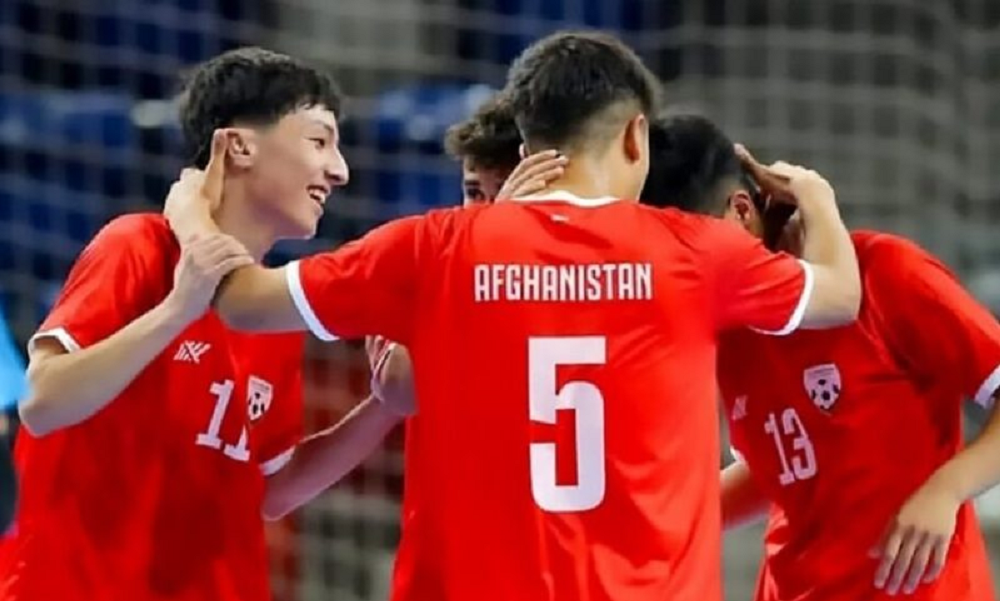
Afghanistan suffer narrow defeat against Argentina at Dakar Youth Olympics
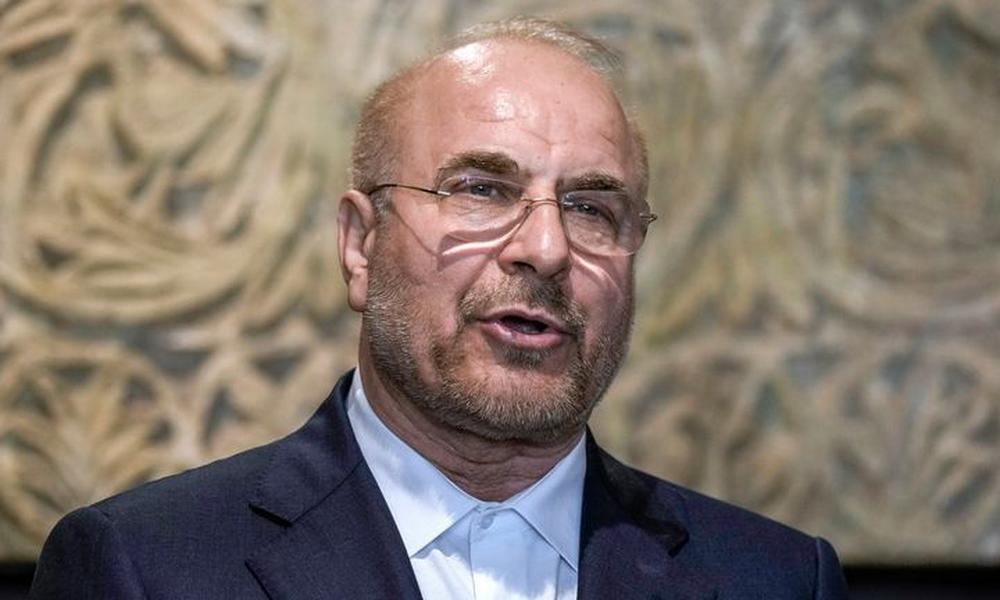
Iran says US voted ‘No to War’ after Republican midterm losses

Afghanistan finish runners-up after 6-0 defeat to Brazil in futsal final

Trump says US will not attack Iran before midterm elections in November

Lionel Messi bids tearful farewell to Argentina after 3-0 win over Benin

Afghan futsal coach: Brazil tournament is first step towards new goals and World Cup

Trump says US may strike Iran’s ‘Pickaxe Mountain’ nuclear facility
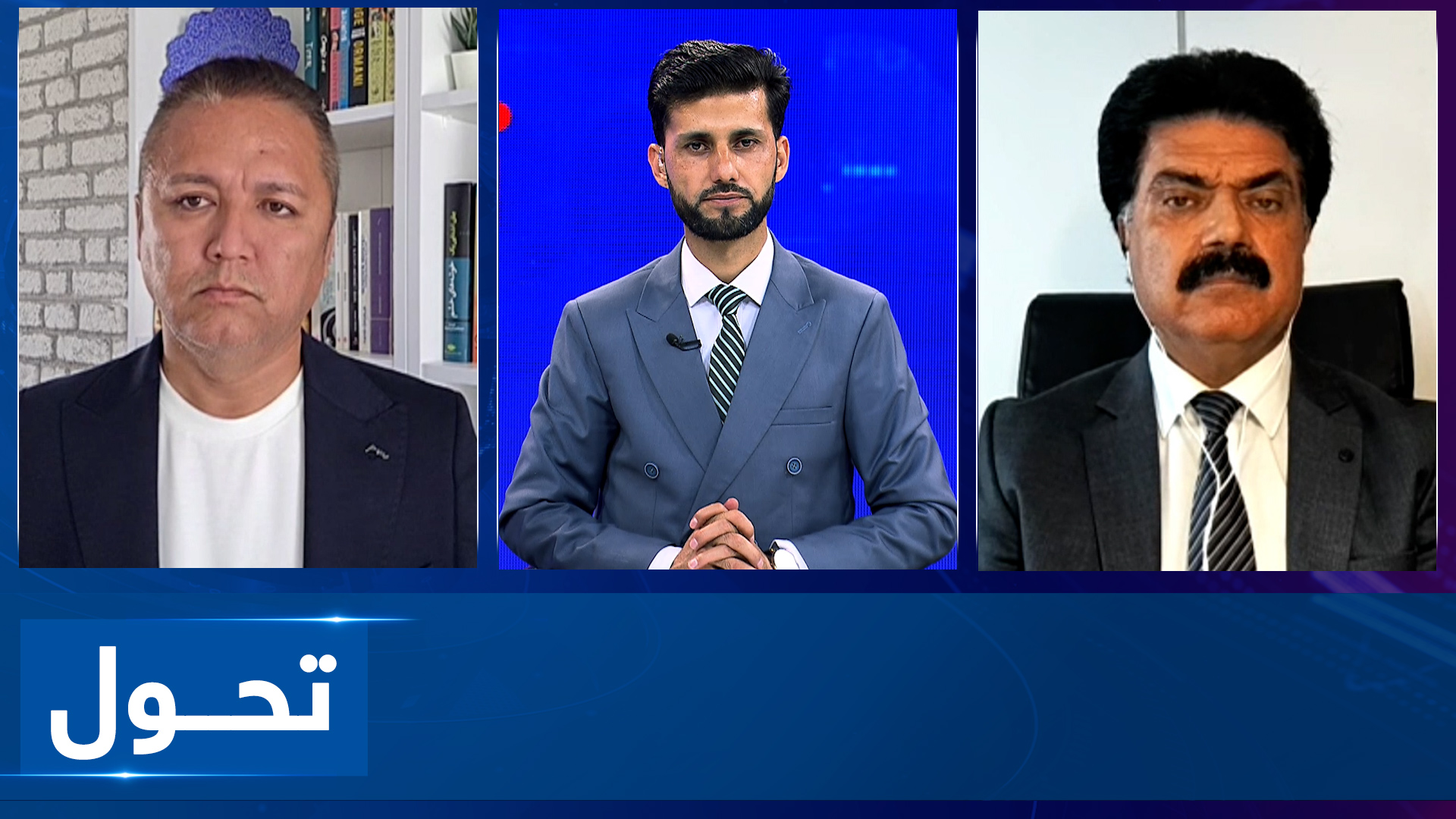
Tahawol: Russia’s Moscow Format for Afghan issues discussed
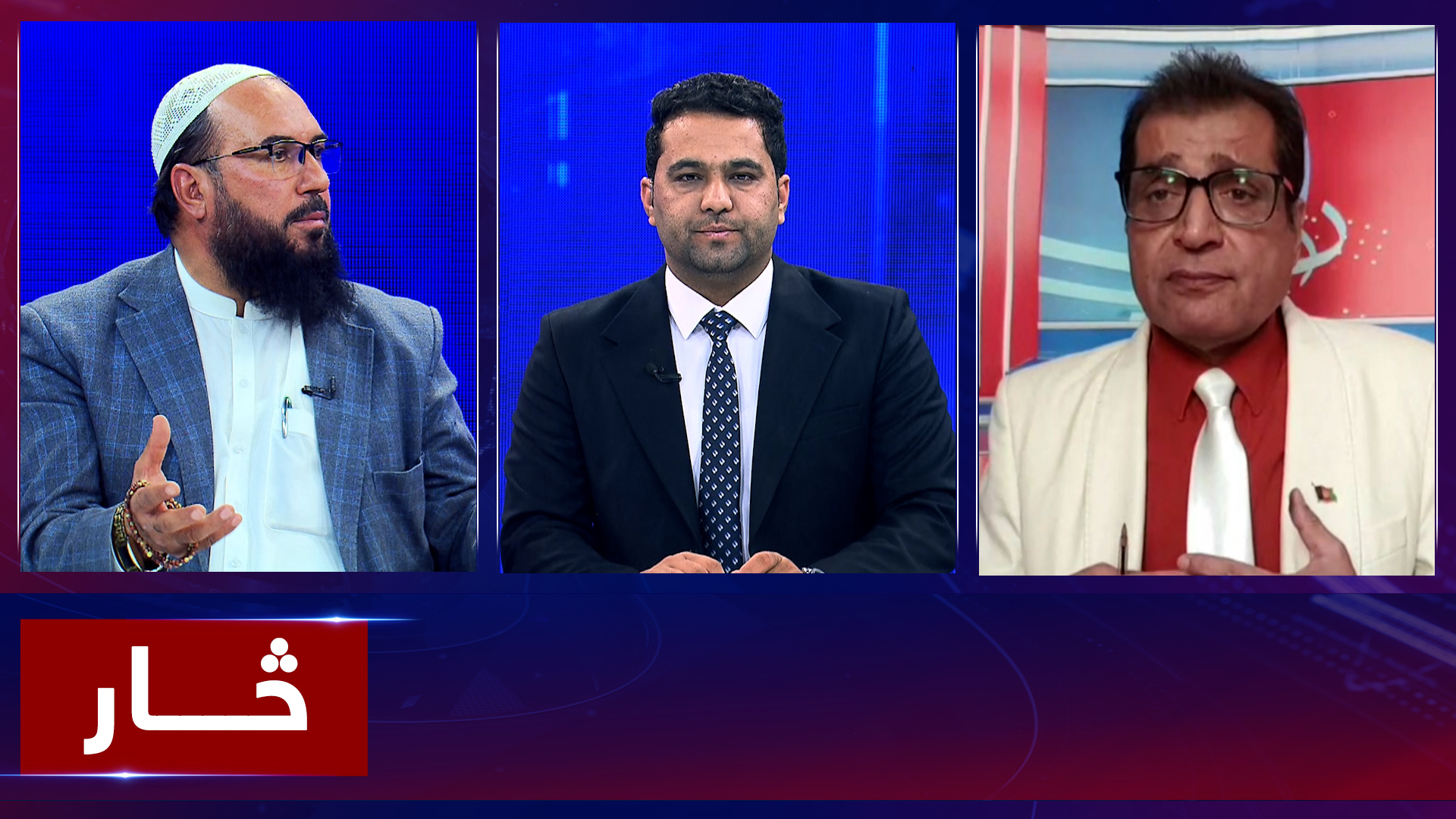
Saar: Afghanistan’s second invitation to Global Climate Summit discussed
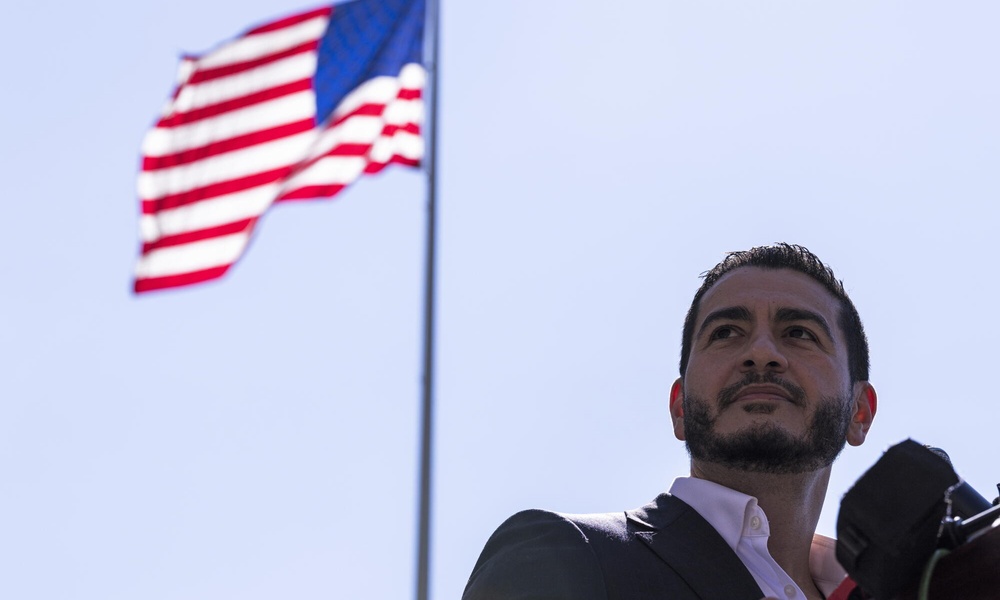
Democrat Abdul El-Sayed becomes first Muslim elected to US Senate
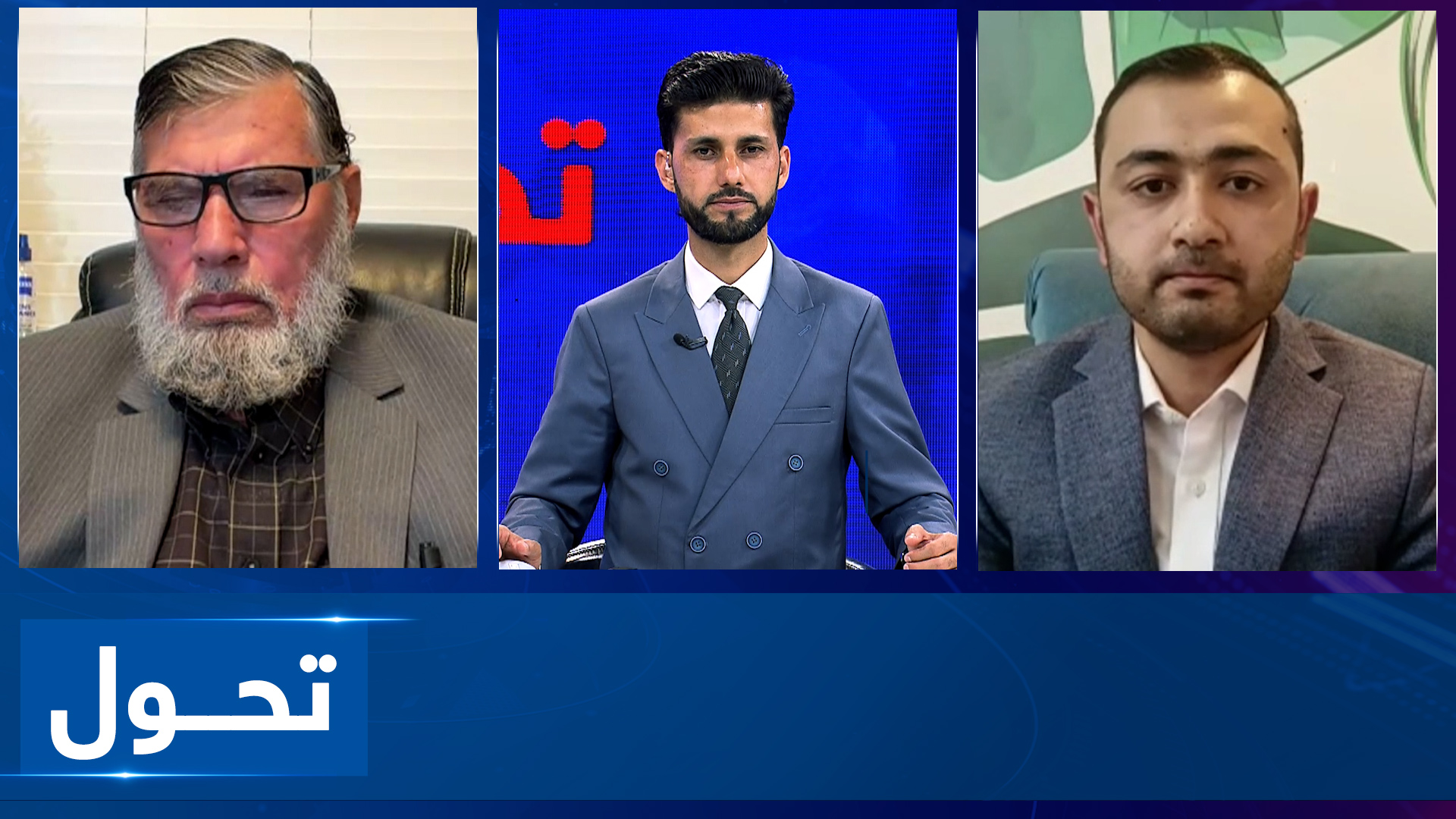
Tahawol: Iran hosts quadrilateral talks on Afghanistan discussed
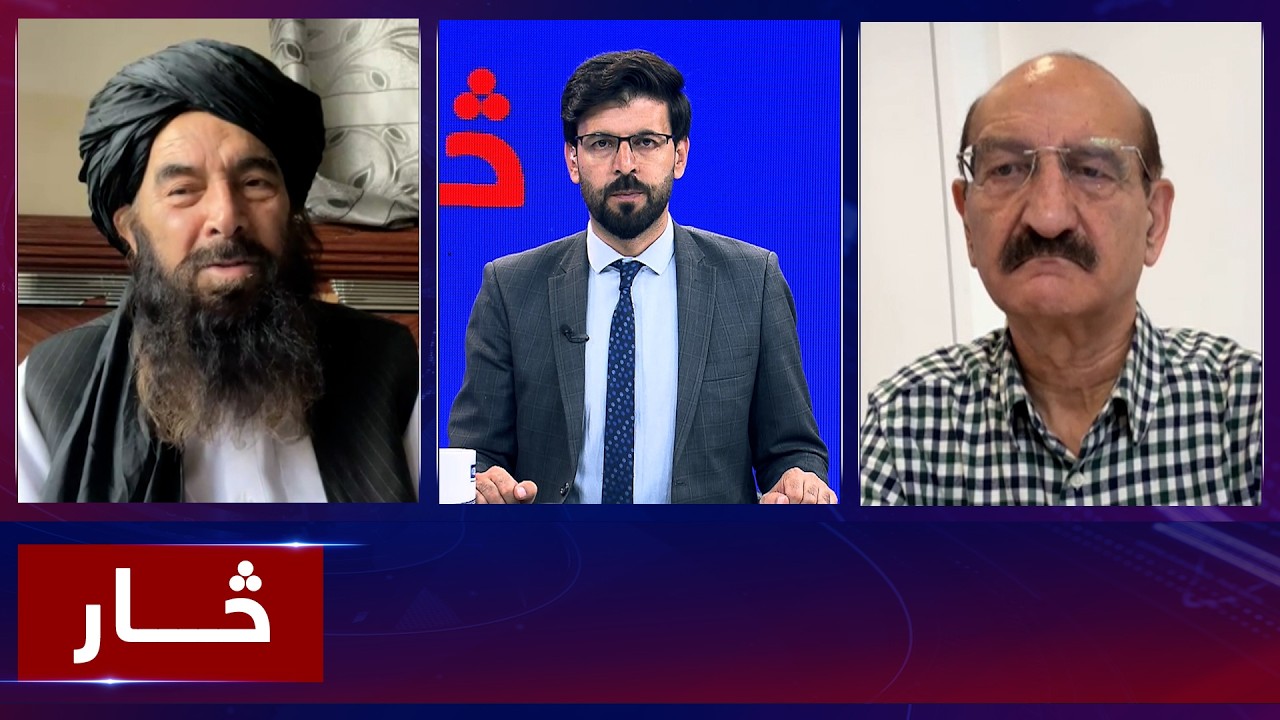
Saar: Deportation of undocumented Afghans from France discussed
-
 Sport4 days ago
Afghanistan crowned 2026 Hong Kong Sixes champions after beating Australia in final
-
 Sport5 days ago
Afghanistan storm into Hong Kong Sixes final after beating Scotland
-
 Sport3 days ago
Afghanistan futsal team thrash Panama 5-0 in flying start to Dakar Youth Olympics
-
 Sport3 days ago
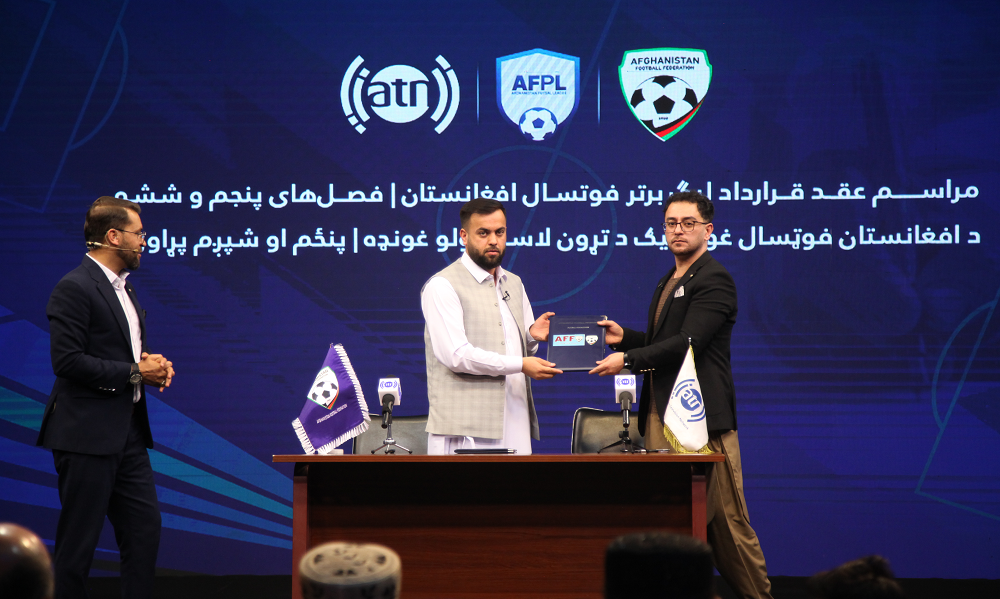
ATN signs deal to broadcast Afghanistan Futsal Premier League seasons 5 and 6
-
 Sport4 days ago
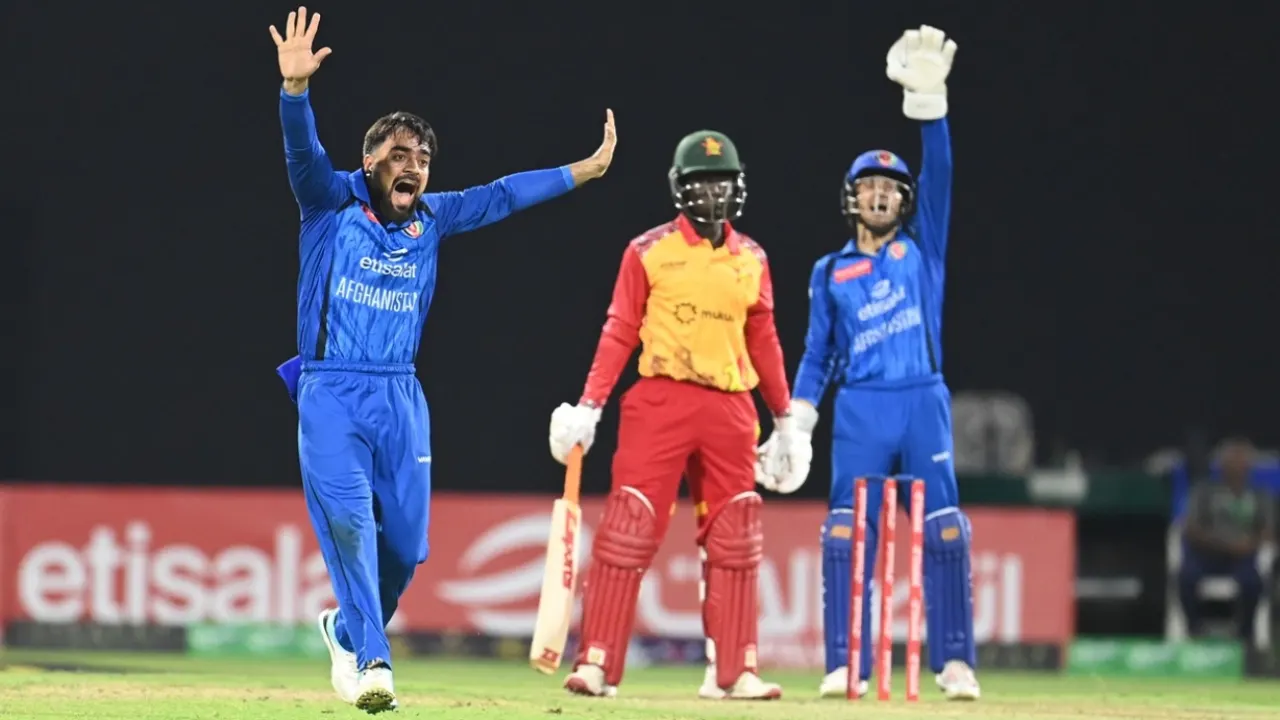
Afghanistan target T20I clean sweep against Zimbabwe in Sharjah
-
 World2 days ago
US carries out ‘defensive’ strikes on Iran’s Qeshm Island, officials say
-
 Sport5 days ago
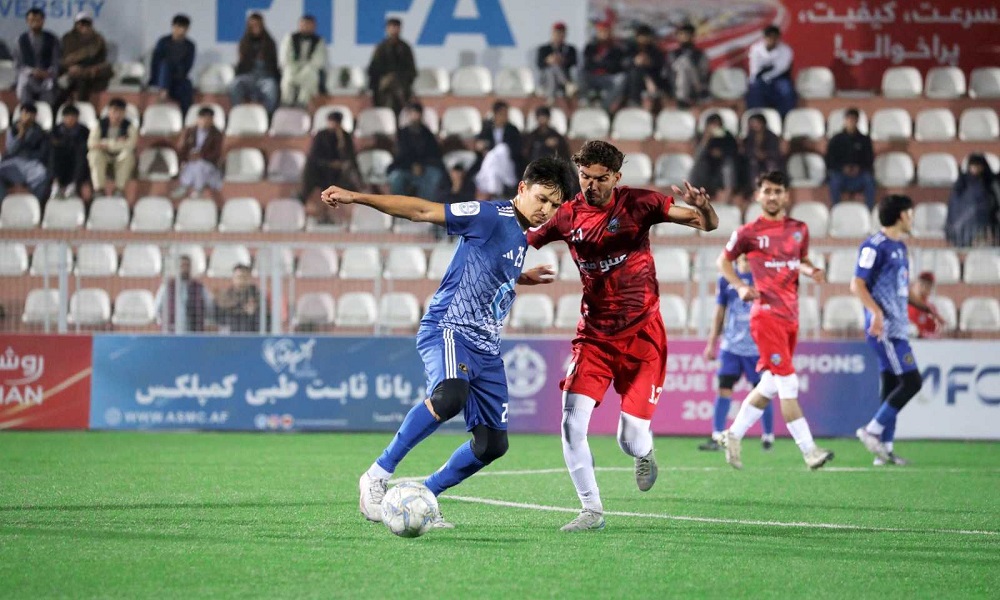
Arman FC fall 2–0 to Aino Mina in Afghanistan Champions League
-
 Latest News4 days ago
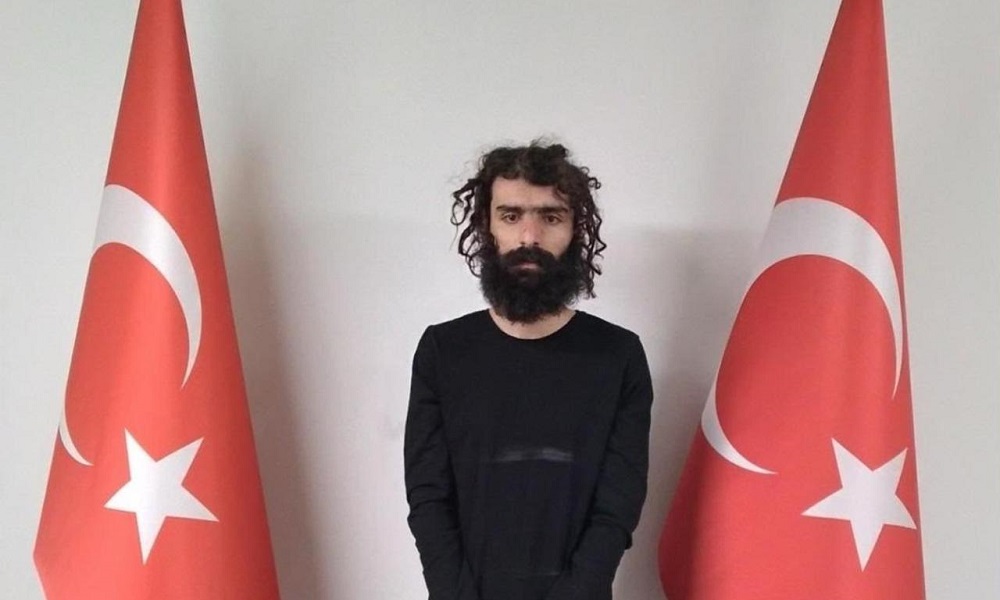
Turkish Daesh suspect Uğur Bahadır arrived at Islamabad airport, trained in Balochistan: sources