
Regional
No spoils of war: Syria’s new ruler lays down the law to loyalists

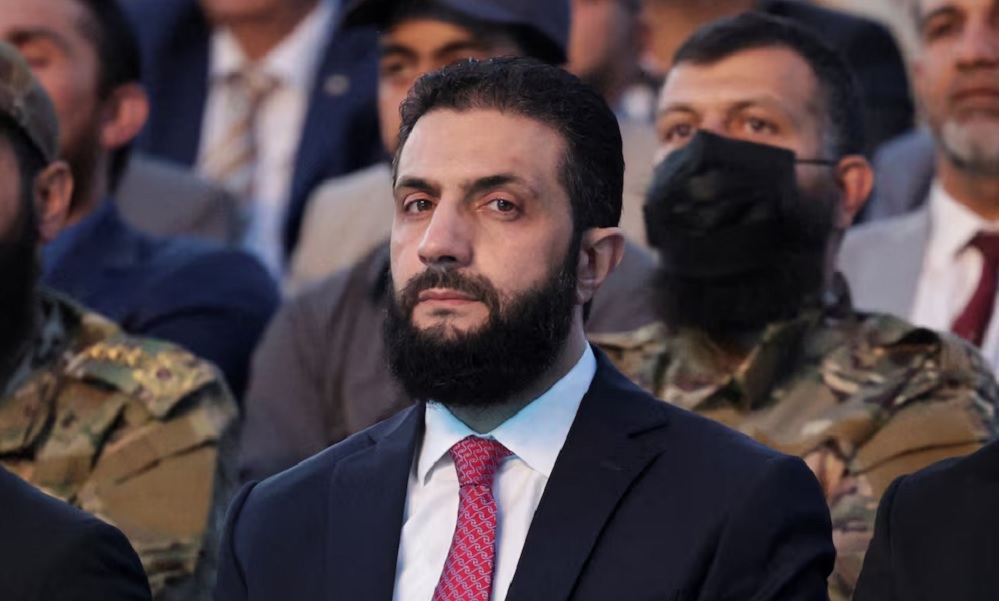
“I didn’t know the salaries the government pays were this high!” Syrian President Ahmed al-Sharaa joked after more than 100 loyalists arrived at his former rebel base, many pulling up in luxury SUV, Reuters reported.
“Have you forgotten you are the sons of the revolution?” Sharaa rebuked the gathered officials and business leaders, according to two people present, remarking upon the large number of Cadillac Escalades, Range Rovers and Chevrolet Tahoes parked outside. “Have you been tempted so quickly?”
Syria’s militant commander-turned-ruler has faced a turbulent 10 months since toppling President Bashar al-Assad after 14 years of civil war. The country has suffered sporadic bouts of sectarian violence involving ex-rebel factions linked to his new government, leaving more than 2,000 people dead, and there’s been a spate of forced evictions and property seizures.
The meeting on August 30, which hasn’t been reported before, took place at Sharaa’s former headquarters in Idlib province in northwestern Syria, far from his official presidential offices in Damascus. The leader, a one-time al Qaeda commander, was flanked by two senior security officials as he spoke.
Sharaa ordered civil servants with luxury cars to hand over the keys or face being investigated for illicit gains, according to the two attendees as well as two civil servants briefed on the address, who all requested anonymity to discuss confidential matters. A handful of keys were handed in as people filed out at the end, the attendees told Reuters.
The message delivered to loyalists points to a critical challenge facing the 43-year-old president, according to Syrian officials and analysts: how to pivot from an insurgency to a civilian government without replicating the endemic corruption of Assad’s reviled police state.
At stake: the legitimacy Sharaa has gained among many Syrians, and abroad, by ousting the dictator.
“Sharaa lacks any institutional framework or textbooks to rely on,” said Hossam Jazmati, a Syrian researcher on Islamist groups who has studied the former warrior-sheikh for more than a decade.
“He’s not a product of a state institution but of a faction. Since 2003, he has operated within a militia environment,” he said. “Power was based on alliances, favouritism and monopoly.
Now, loyalists taking spoils of war would threaten his ability to consolidate power, Jazmati said: “He requires substantial financial resources to sustain his administration — not necessarily for personal gain, but to maintain authority.”
Syria’s Ministry of Information told Reuters that Sharaa had arranged a “friendly, informal meeting” in Idlib with former commanders, officials and other notables which touched on political and security challenges as well as the need to change the “investment culture established by the former regime”.
“He stressed that he would not tolerate any suspicion of corruption among state employees,” the ministry said.
It denied any car keys were handed over.
SHARAA SHUTS OUT BROTHER, SOURCES SAY
Sharaa’s balancing act can be seen even within his own family.
Two older brothers hold top jobs in the new government. Hazem oversees foreign and local business and investment in Syria, including the work of former rebel fighters tasked with overhauling Syria’s economy. Maher, a gynaecologist with Syrian-Russian dual nationality, is secretary-general of the presidency, chairing official meetings and attending talks with foreign dignitaries, including Sharaa’s meeting with Vladimir Putin in Moscow this month.
Multiple Syrian officials said Sharaa’s reliance on relatives and others close to him was a result of needing to quickly fill gaps in his new administration following the unexpected collapse of Assad’s government. Critics see it as a worrying emulation of family rule under the old regime.
But another elder brother – Jamal, a businessman – has fallen foul of Sharaa’s fledgling anti-corruption drive, according to six people familiar with the matter including government officials and business figures.
Following Sharaa’s rise to power, Jamal set up an office in the capital Damascus from where he ran various ventures including import-export and tourism businesses, they said.
He became a common sight in upmarket hotel lobbies and restaurants, to which he was driven in a black Mercedes S-class saloon with tinted windows and no license plates.
Sharaa ordered the office be shut in August and instructed government entities not to deal with his brother, the sources told Reuters. The decision concerned allegations that Jamal had used his family link to the president to set up dozens of meetings with government and business figures to advance his personal interests, they said.
A Reuters reporter found the office shut and locked this month, with red wax blotched on the doors. No one answered the doorbell.
Red wax is often used in the region, including in Syria, to seal properties ordered shut pending corruption investigations.
Syria’s information ministry confirmed the office had been closed down. “Jamal al-Sharaa was not permitted to work as an investment or commercial entity,” it told Reuters. “The presidency has clarified since the formation of the government that Jamal al-Sharaa did not hold any official position.”
The ministry didn’t say whether, or what, specific charges authorities had been levelled against the president’s brother.
Reuters was unable to contact Jamal for comment. Reached by phone, the head of Jamal’s office said the pair were outside Damascus and didn’t comment further.
Shortly after closing Jamal’s office, Sharaa held a meeting with family members, including his 79-year-old father, warning them against exploiting the family name for personal gain, according to a relative who attended the meeting.
FACTORY BOSS: I PAID $200,000 FOR WORKER
The warning that Sharaa delivered to loyalists in August followed complaints voiced by ordinary Syrians at a meeting with the president earlier that month over the newfound luxury of some former rebels now in the civil service, according to an attendee.
Sharaa has since reiterated his anti-corruption message in public in Damascus.
In an October 13 clip released by state media, he told officials they must disclose existing investments and were banned from entering into new private projects. He also said personal relationships with businessmen should be avoided, warning them not to repeat the model seen under Assad.
Corruption nonetheless persists in post-Assad Syria, including the payment of bribes to get out of jail or recover houses, vehicles and other valuables seized by members of the new ruling order, according to interviews with nine Syrian business figures and former and current officials.
One industrialist and two senior factory managers, who all requested anonymity to speak freely, said they had been forced to pay cash to well-connected intermediaries, with no receipt or formal documentation, to keep their businesses running or secure the release of employees detained over alleged past ties to the Assad regime.
One said he paid $100,000 for the release of a worker, only to be told he would have to fork out another $100,000 if he wanted the employee to be allowed to resume work.
Another said he paid $25,000 to get an employee released.
Reuters was unable to independently verify the accounts.
The information ministry said such practices were not widespread and that some people suspected of taking bribes in exchange for releasing detainees or doing other official business had been referred for “immediate investigation”.
A major area of concern within Syria’s business community, according to the people interviewed, is the opaque process of settlement deals struck by government officials with people accused of links to Assad. The deals, in which business owners hand over assets in exchange for being allowed to return to work in Syria, began to take shape immediately after Damascus fell.
Authorities are trying to route all such settlements via a committee on illicit gains formed in May, before turning the assets over to a new sovereign wealth fund that is still being set up, according to six people including government officials and businessmen familiar with the matter.
The fund now holds hundreds of companies, office buildings, factories and other assets linked to people accused of connections to the Assad regime, the six people said.
But these two fledgling entities have also come under scrutiny.
Two lawyers working for the fund have been arrested pending investigations over alleged graft, with one detained for more than a month, the people told Reuters.
The information ministry confirmed the arrests, saying the lawyers were being investigated over “alleged theft that has not yet been proven”. Some members of the illicit gains committee, which is tasked with investigating corruption, have also been detained for investigations about suspected wrongdoing though not formally arrested, the ministry said.

Regional
Iran tells Pakistan army chief no talks with Washington until demands are met
The demands include ending a US blockade on its ports, the lifting of sanctions on its oil exports as well as ending hostilities on all regional fronts.
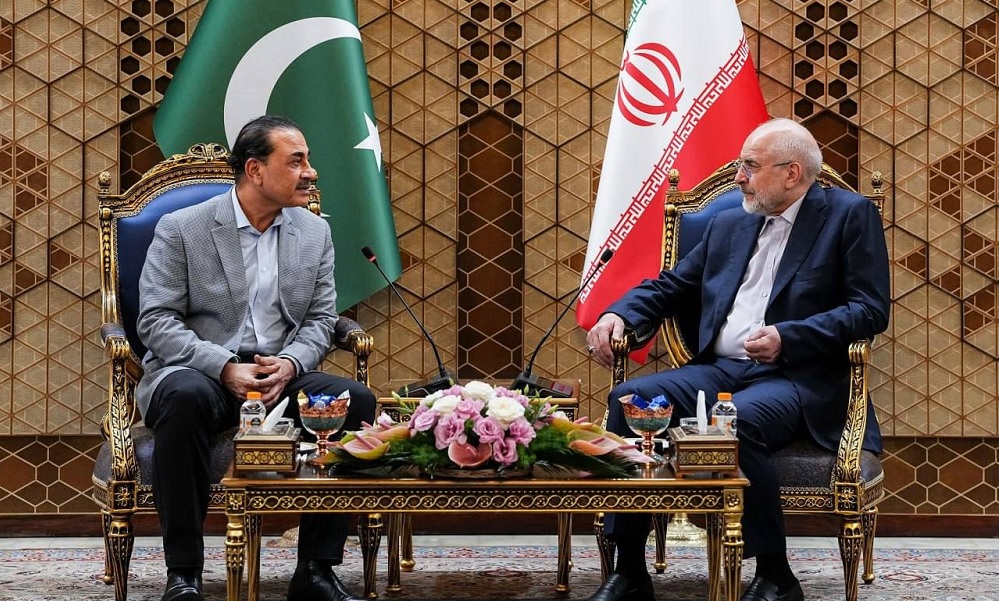
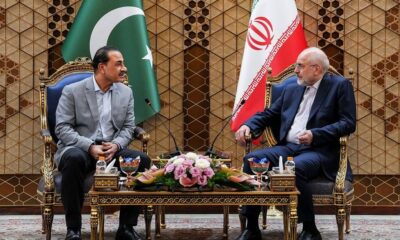
Iran told Pakistan’s army chief on Tuesday that there would be no talks with Washington until Tehran’s demands were met, Iranian media reported, underscoring its hardening stance despite mediation efforts by key interlocutor Pakistan.
President Masoud Pezeshkian discussed mediation efforts and regional developments with Field Marshal Asim Munir in Tehran, according to Nournews.
Pakistan is a key intermediary between the United States and Iran. Earlier mediation efforts helped produce an interim peace agreement in June, but the Islamabad Memorandum quickly unravelled as fighting between Iran and the US resumed weeks after.
Munir also met Iranian parliament speaker Mohammad Baqer Qalibaf, who said Washington could not regain Tehran’s trust until it fulfilled seven conditions Iran set last month for reopening the Strait of Hormuz, according to an Iranian readout of the meeting.
The demands include ending a US blockade on its ports, the lifting of sanctions on its oil exports as well as ending hostilities on all regional fronts.
Iran’s security chief, Mohsen Rezaei, delivered a similar message during a separate meeting with Munir, saying there would be no talks with Washington until Tehran’s demands were met, according to Iranian media.
Rezaei also said all enriched nuclear materials would remain in Iran, reiterating Supreme Leader Ayatollah Mojtaba Khamenei’s position that near-weapons-grade uranium should not be shipped abroad.
US Vice President JD Vance said earlier this month that Iran must make a “meaningful” reduction in its uranium enrichment capacity to satisfy US demands and end the countries’ eight-month-old war.
Israel, the United States and other Western states have long accused Iran of seeking nuclear weapons, including pointing to its move to enrich uranium to 60%, far higher than needed for civilian uses and closer to the 90% needed for a weapon.
Iran denies seeking nuclear weapons.
Regional
Rubio heads to Central Asia while other US officials hit foreign policy hot spots
US officials have portrayed resource-rich Central Asia — the region between China, Russia and Iran — as worthy of more attention than it received from US President Donald Trump’s predecessors.
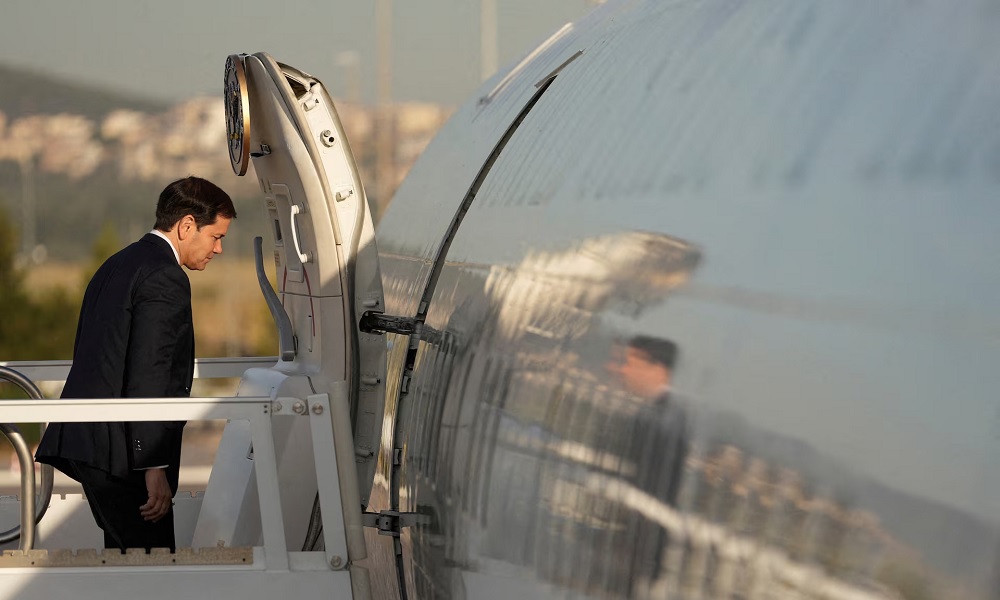
While the Iran war smolders, Saudi Arabia fights the Houthis and a new rift opens in US-Ukraine relations, Secretary of State Marco Rubio travels on Sunday to Uzbekistan, a nation far removed from the biggest US foreign policy challenges.
The top US diplomat is scheduled to land in Samarkand on Sunday to meet with leaders from the C5+1, a grouping that brings together the United States and the Muslim-majority post-Soviet states of Uzbekistan, Kazakhstan, Kyrgyzstan, Tajikistan and Turkmenistan.
US officials have portrayed resource-rich Central Asia — the region between China, Russia and Iran — as worthy of more attention than it received from US President Donald Trump’s predecessors.
Trump hosted C5 leaders at the White House last November, when Kazakhstan agreed to join the Abraham Accords, a series of agreements under which Muslim-majority countries have normalized or deepened relations with Israel. Separately, Trump met with Uzbek President Shavkat Mirziyoyev at the United Nations General Assembly last September.
Regional politics aside, the trip fits an emerging pattern in which Rubio often visits regions not at the center of the news cycle, while leaving some more fraught foreign-policy portfolios to other Trump aides, including special envoys Steve Witkoff and Jared Kushner and Vice President JD Vance.
For instance, Rubio has not visited Kyiv or Moscow since becoming secretary of state. He was not present for talks between US and Ukrainian officials in Florida earlier this month, when US officials pressed Ukraine to stop hitting Russian refineries. Vance, not Rubio, represented the US in Pakistan during peace talks with Iran in April.
Rubio’s previous foreign trip, in early October, took him to Greece, Portugal and Iceland.
Trump administration officials have typically rejected any suggestion that cabinet-level officials should focus their travels on geopolitical capitals and hot spots.
Deputy Secretary of State Christopher Landau, for instance, said on X last week that the idea only certain destinations were worthy of visits from secretaries of state “perfectly encapsulates the decadence and degeneracy of the contemporary US foreign policy establishment.”
US-RUSSIA RELATIONS LOOM
One Central Asian diplomat, speaking on the condition of anonymity, said officials in the region are wondering to what extent the US will continue targeting Russian sanctions evasion. All C5 states, while drawing closer to the US, have deep historical ties with Moscow, and the region has facilitated Russian imports and exports that violate US and European Union sanctions, Western officials say.
In the past, the US has pushed regional states to clamp down on those illicit flows.
But Trump struck a deal with Moscow this month to import Russian diesel, a move to lower domestic fuel prices before the congressional midterm elections. On Friday, Trump waived all provisions of legislation that would have allowed him to slap massive tariffs on some nations that buy significant amounts of Russian crude or otherwise help Moscow evade sanctions. Among the nations that could have been affected, experts have said, are India and Kazakhstan.
India, which Rubio will visit after Uzbekistan, remains the world’s No. 2 Russian crude importer after China, despite Trump saying in February that India had agreed to stop buying oil from Russia.
Additional questions hang over a potential trade deal with India and an expansion of the Abraham Accords in Central Asia.
A US official, speaking on the condition of anonymity, described the trade deal on Friday as “pretty much done,” raising the possibility that an agreement could be announced during the Rubio trip.
Separately, the US has talked to additional Central Asian nations about joining the Abraham Accords, Reuters reported last year, conversations that could in theory continue in Samarkand.
More than 200 business executives will accompany Rubio to Uzbekistan, the State Department said. The Central Asian diplomat said the Trump administration has focused its commercial efforts on expanding access to the area’s rare earth mineral resources.
The trip to Uzbekistan was largely organized by Sergio Gor, the US ambassador to India, the Central Asian diplomat said. Gor, who was born in Uzbekistan and is a friend of Rubio, also serves as the US special envoy for South and Central Asian affairs.
After Uzbekistan, Rubio will visit the Indian cities of Mumbai and Jamnagar to meet with business leaders, including Reliance Industries Chairman Mukesh Ambani, who earned the Trump administration’s favor earlier in the year by backing a new refinery in Texas. Rubio most recently visited India five months ago.
The trip is due to wrap up on Thursday.
Regional
Trump says US may strike Iran’s ‘Pickaxe Mountain’ nuclear facility
Pickaxe Mountain is a heavily fortified underground facility linked to Iran’s nuclear programme, located near one of the country’s major nuclear sites.
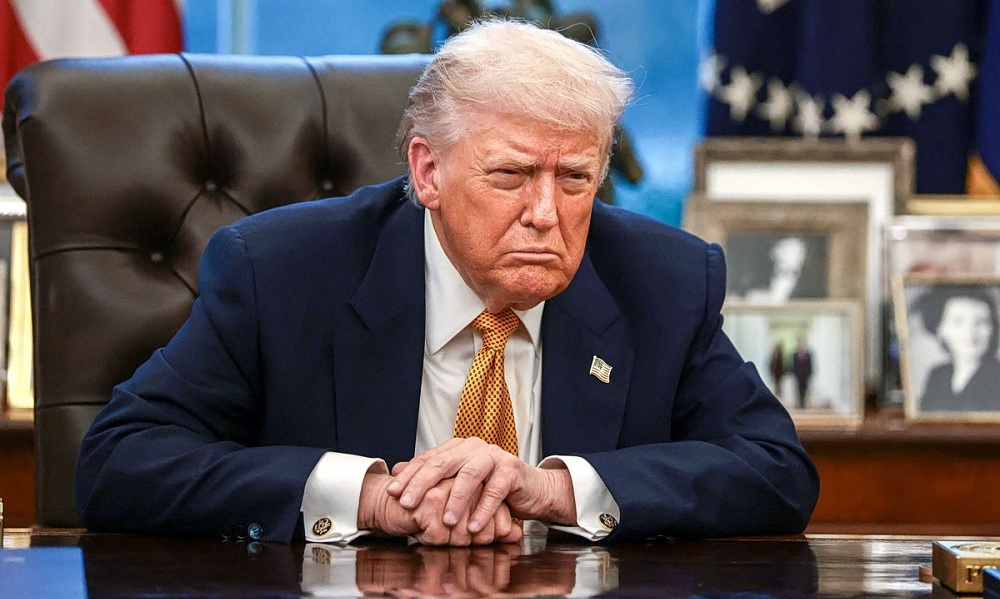
US President Donald Trump has said Washington may launch further strikes against Iran’s underground nuclear facilities, including the site known as Pickaxe Mountain, as he seeks to prevent Tehran from developing a nuclear weapon, Reuters reported.
In an interview with Newsmax on Thursday night, Trump said the United States was determined to ensure Iran never obtains a nuclear weapon, arguing that such a development would pose a serious threat.
“Their nuclear is buried under millions of tons of mountain. Now we’re looking at Pickaxe Mountain. We may have to go there. We’ll take a shot at that one. We’ll knock it out fast,” Trump said.
Pickaxe Mountain is a heavily fortified underground facility linked to Iran’s nuclear programme, located near one of the country’s major nuclear sites.
Trump also ruled out the use of nuclear weapons in the conflict, saying conventional military capabilities would be sufficient to achieve US objectives.
“I wouldn’t use nuclear. We don’t have to,” he said.
The US president reiterated that he was not considering deploying American ground troops into Iran, signalling that Washington’s military approach would continue to rely on other forms of military action.
Trump did not confirm whether he had authorised the use of the GBU-43/B Massive Ordnance Air Blast (MOAB) bomb, commonly known as the “Mother of All Bombs,” against Iranian energy infrastructure or nuclear facilities. He stressed that the weapon was not nuclear, read the report.
The remarks come amid escalating tensions between Washington and Tehran following US-Israeli strikes on Iran that began in February, with Iran’s nuclear programme remaining a central issue in the conflict.
The potential targeting of deeply buried nuclear facilities could further intensify the conflict and raise concerns about the broader regional security situation.

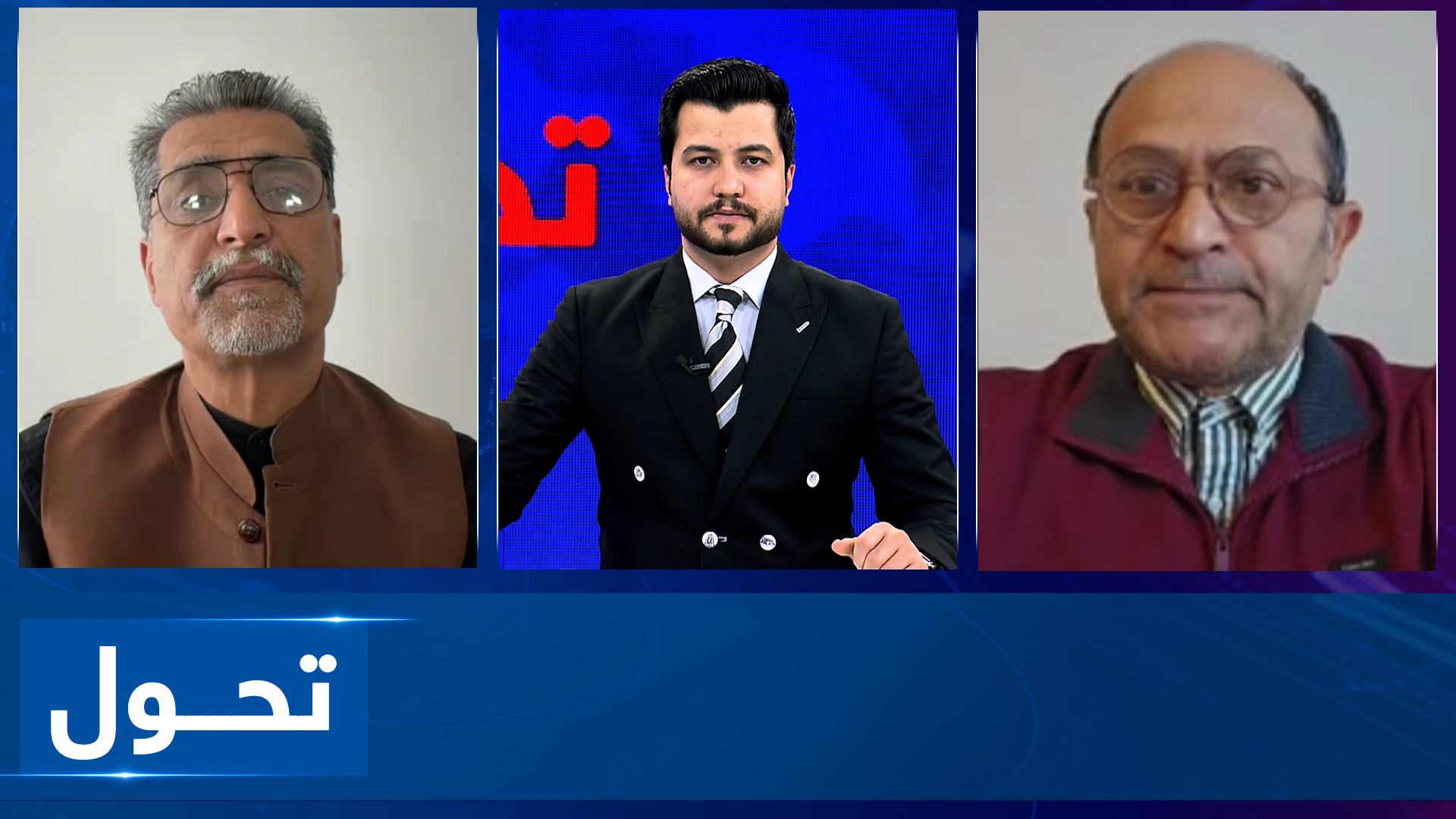
Tahawol: Ukraine war and ongoing peace efforts
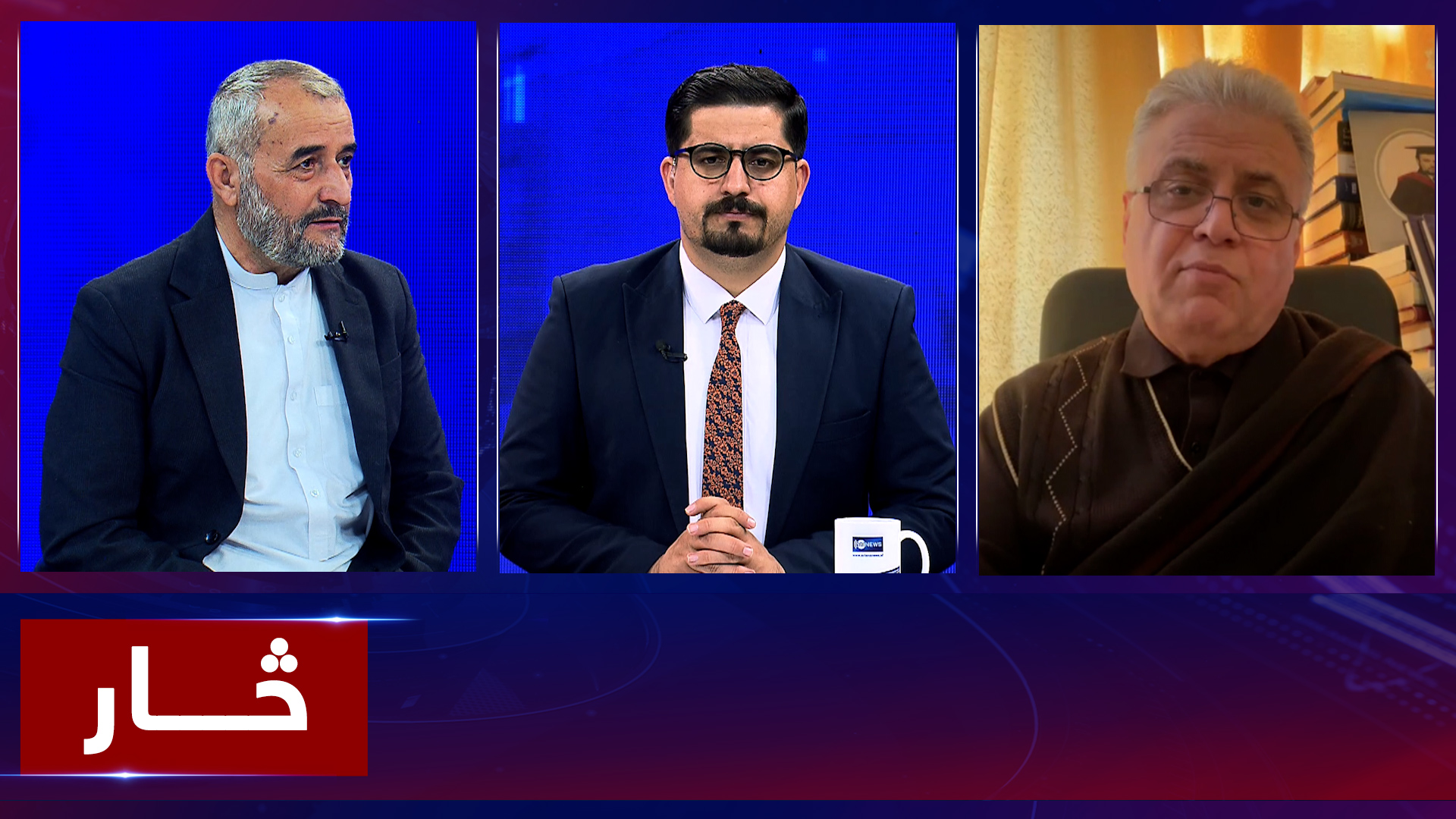
Saar: Obama’s remarks on Iran war
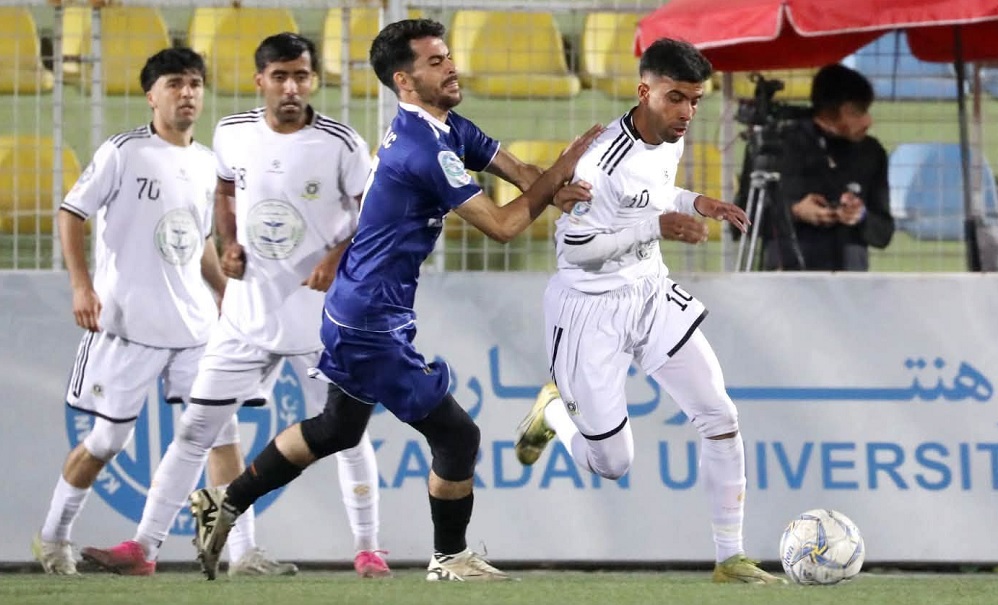
Aino Mina edge Omar Zawak 5-4 in Afghanistan Champions League
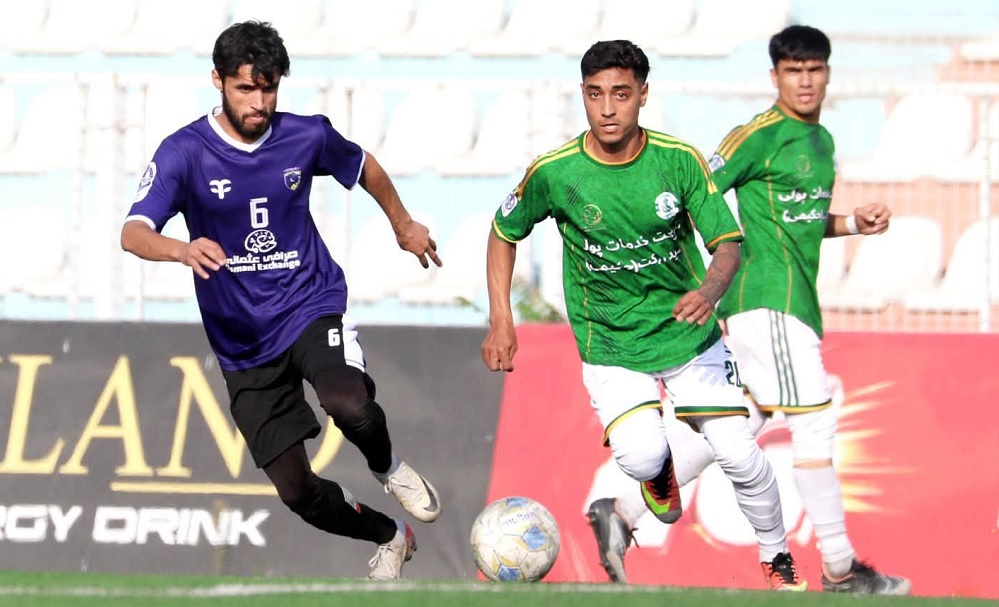
ACL: Istiqlal Kabul and Sarsabz Yashlar play out 1-1 draw
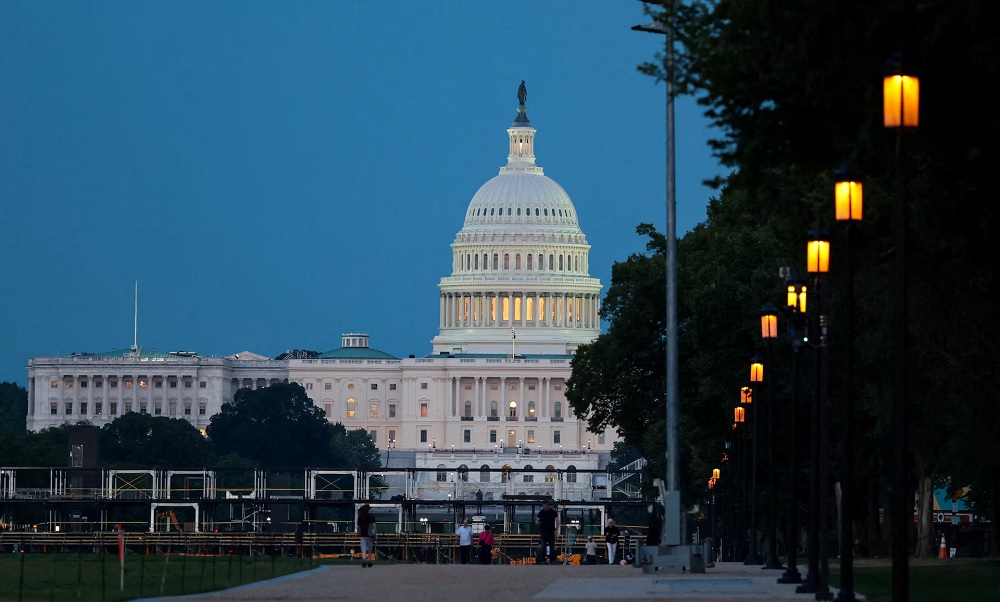
Four ways US foreign policy could change if Democrats win in November

Cricket Bonanza: Afghanistan set for packed international schedule

Afghanistan on climate front line as Kabul faces groundwater warning

Afghanistan says 28 killed, 32 captured in Nuristan operation

ACB announces Afghanistan squads for Bangladesh, Zimbabwe series

Trump rejects Iranian proposal to open Hormuz and end fighting
Tahawol: Ukraine war and ongoing peace efforts
Saar: Obama’s remarks on Iran war
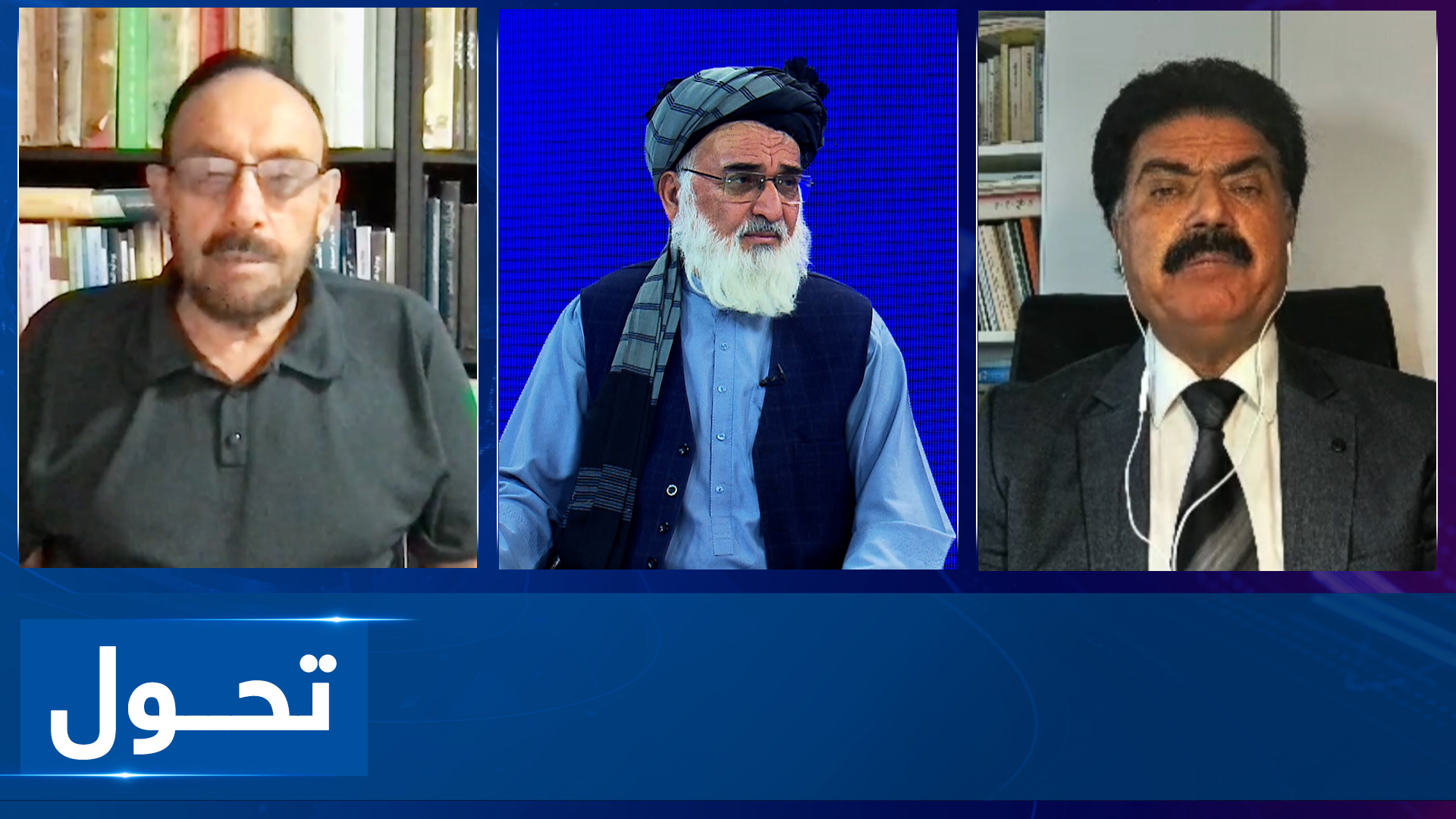
Tahawol: UN’s role in tackling global crises discsused
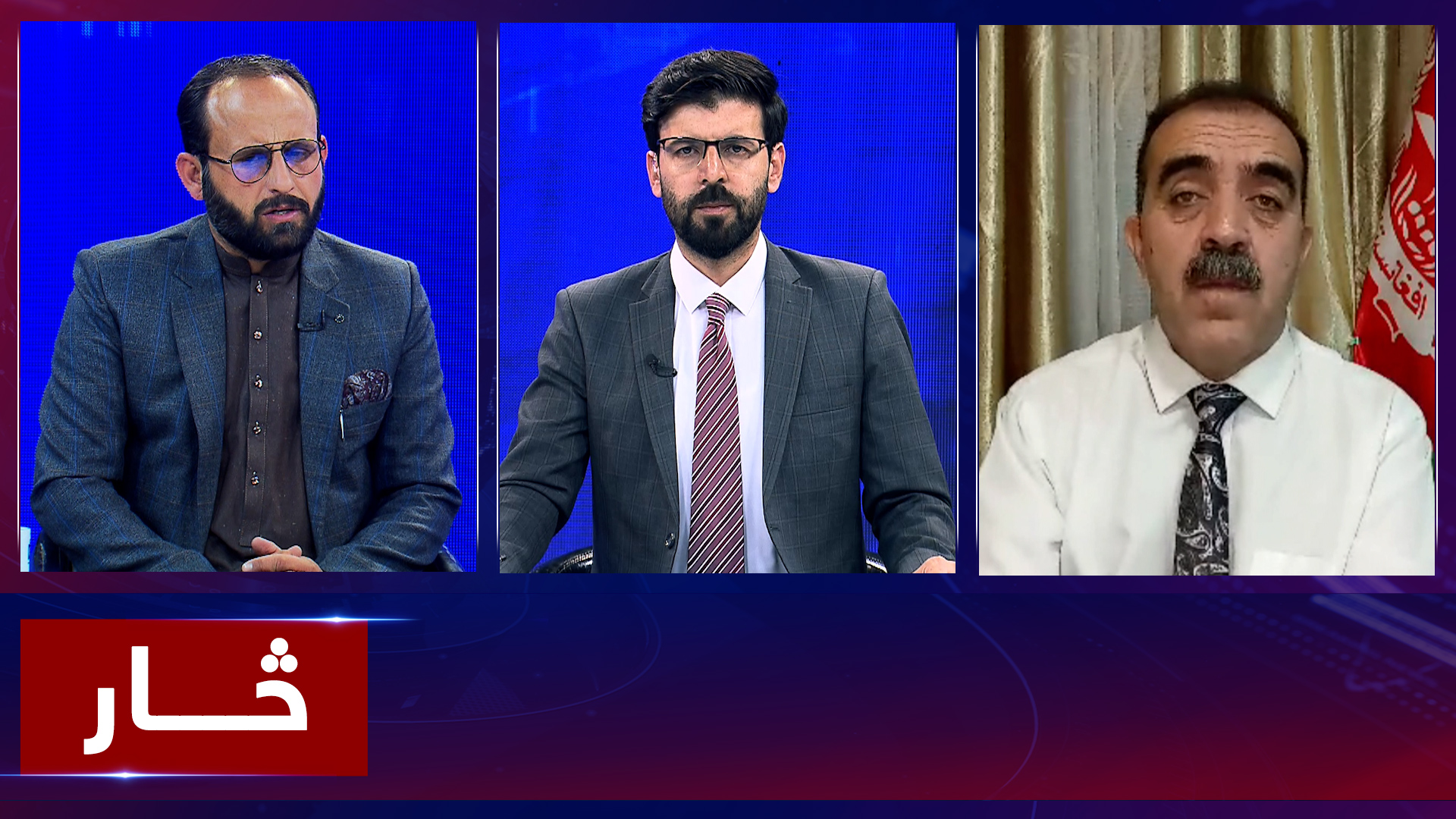
Saar: Pakistan’s blame on Kabul for its own failures discussed
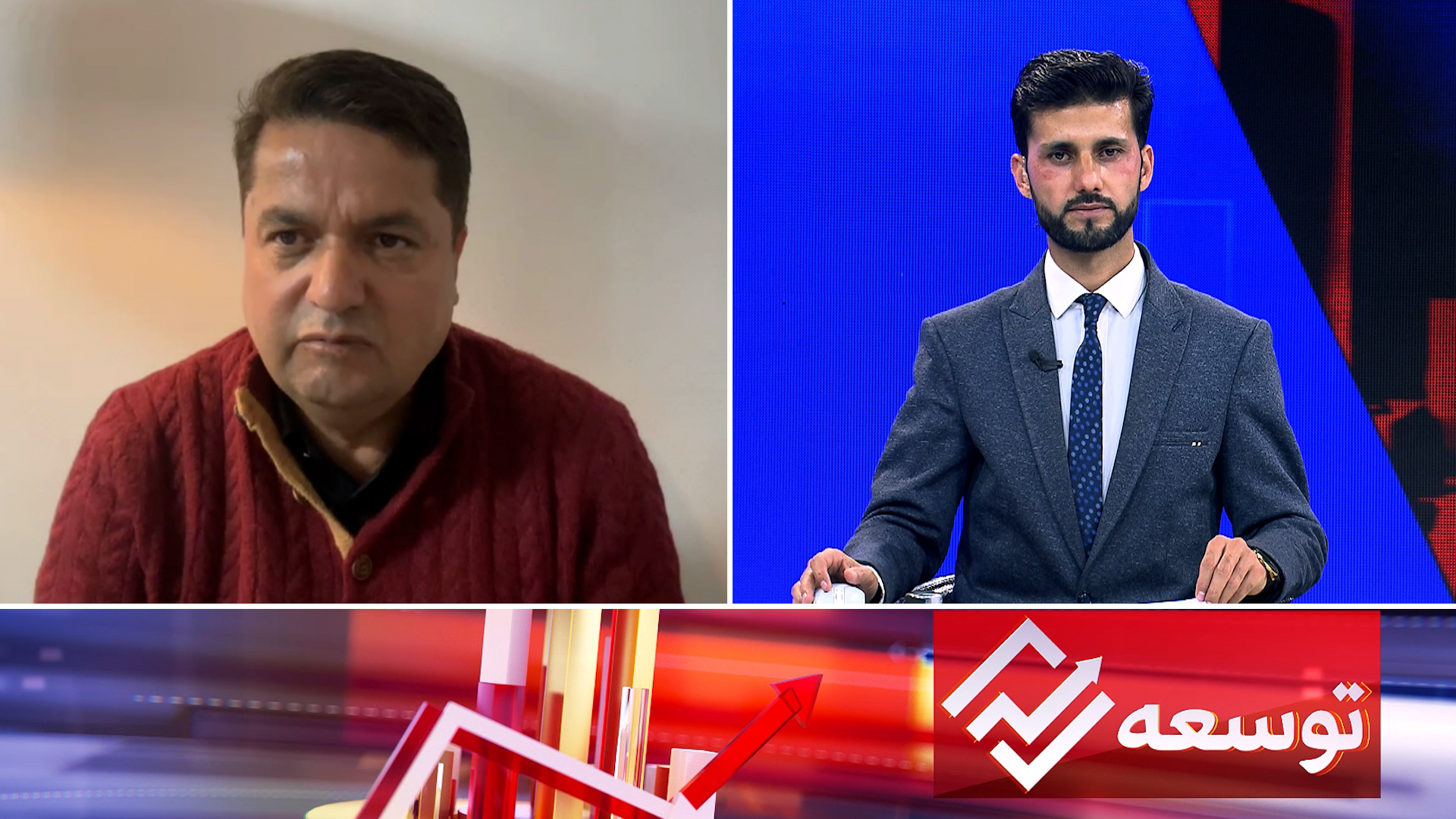
Tawsia: New opportunities in Afghanistan’s energy, trade and agriculture sectors discussed
-
 Latest News3 days ago
Afghanistan’s new Wakhan road to China faces major hurdles
-
 Latest News5 days ago
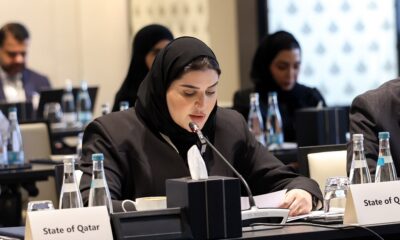
Qatar calls for shift from humanitarian aid to economic recovery in Afghanistan
-

 Science & Technology4 days ago
Governments take websites offline as critical cyber flaws trigger global alert
-
 World5 days ago
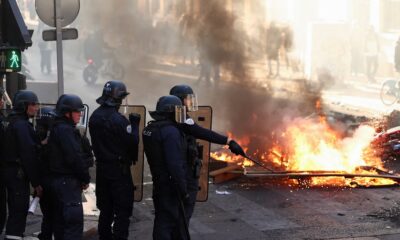
Governments warn citizens over security risks in France after riots
-
 Business5 days ago
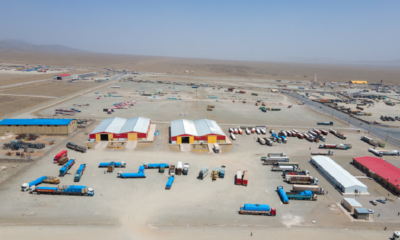
Transit of Afghan goods through Sheikh Abu Nasr Farahi border crossing doubles
-
 Latest News4 days ago
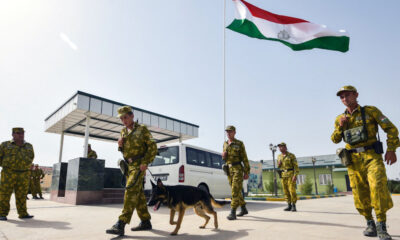
CSTO to supply Tajikistan with weapons to strengthen Afghan border
-
 Latest News3 days ago
Russia to expand security and defence cooperation with Afghanistan
-
 Regional5 days ago
Iran tells Pakistan army chief no talks with Washington until demands are met