
Business
Mango growers suffer heavy losses as exports fall and climate takes its toll
Last year, Pakistan exported about 109,600 tonnes of mangoes, with Afghanistan accounting for 22,500 tonnes, or more than 20% of total exports.

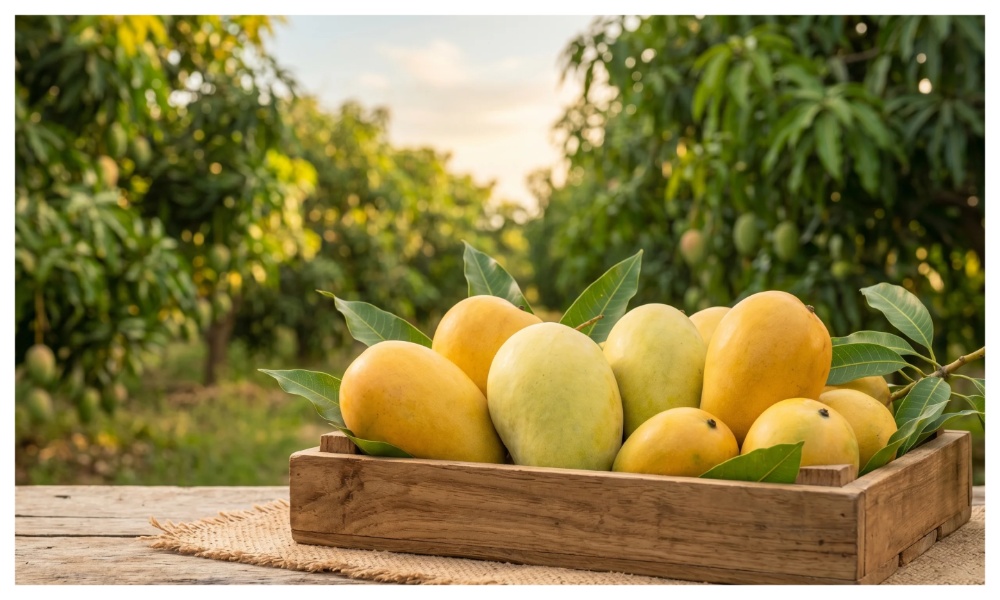
Pakistan’s mango industry is facing one of its toughest seasons, with farmers suffering heavy financial losses due to declining exports and worsening climate conditions.
A major factor has been the sharp fall in exports caused by geopolitical tensions, particularly the prolonged closure of the Pakistan-Afghanistan frontier. Afghanistan has traditionally been one of Pakistan’s largest markets for fresh produce because of its proximity, minimal sanitary requirements and role as a gateway to Central Asia.
Last year, Pakistan exported about 109,600 tonnes of mangoes, with Afghanistan accounting for 22,500 tonnes, or more than 20% of total exports. The previous season, exports to Afghanistan reached 28,700 tonnes. This year, however, Pakistan has exported no mangoes to Afghanistan despite shipping fruit to markets around the world.
The conflict in Iran has also disrupted exports to Gulf countries by affecting shipping routes, reducing vessel availability and increasing freight costs. As a result, exports to the United Arab Emirates—Pakistan’s largest mango market—have fallen sharply. Although shipments to Iran and Oman have risen, they have not offset losses elsewhere. By July 6, Pakistan had exported just 42,343 tonnes of mangoes, compared with 55,684 tonnes during the same period last year.
Climate change has further compounded growers’ problems. Erratic rainfall, prolonged heatwaves, rising temperatures and damaging windstorms during flowering and fruit development have reduced yields and fruit quality.
The changing climate has also increased pest and disease outbreaks. Mango malformation disease caused widespread damage in Sindh, while growers spent heavily on pesticides and fungicides with limited success. As a result, lower-quality B- and C-grade fruit make up a much larger share of this year’s crop than premium A-grade mangoes.
Some experts estimate climate-related stresses have cut production by 20 to 30 percent this season. Farmers now face lower yields, poorer quality fruit, rising production costs and weak market demand.
Growers in Sindh say low export volumes and falling prices have left many unable to recover even their production costs, raising concerns about the long-term viability of mango farming.
Domestic demand has also weakened as rising inflation and falling purchasing power make premium fruits increasingly unaffordable for many households.
The decline is reflected in the shrinking area under fruit cultivation, which fell from 0.80 million hectares in FY2013 to 0.69 million hectares in FY2024. Many farmers are replacing long-term orchards with annual crops that provide quicker and more reliable returns.
Experts say Pakistan must invest in climate-resilient fruit varieties, modern orchard management, value-added processing and diversified export markets if its horticulture sector is to remain competitive in the face of climate change and shifting global trade conditions.








Business
Afghanistan signs nearly $400 million in regional trade and investment deals
The event also featured business-to-business meetings, providing Afghan and foreign companies with opportunities to discuss potential joint investments and commercial partnerships.

Afghanistan has signed trade and investment memorandums of understanding worth nearly $400 million with regional and international companies, according to the Afghanistan Chamber of Commerce and Investment (ACCI).
The agreements were signed on Friday evening during a business matchmaking event held on the sidelines of the fifth Imam Abu Hanifa National and International Exhibition in Kabul.
The event brought together Afghan business representatives, foreign investors and diplomatic officials, with participants from Uzbekistan, India, Kazakhstan, Turkmenistan and Kyrgyzstan attending discussions aimed at expanding economic cooperation and strengthening commercial ties with regional markets.
The ACCI said the meetings highlighted Afghanistan’s strategic geographic location, natural resources, agricultural potential, industrial capacity and domestic products as areas offering opportunities for foreign investment.
Zulgi Arin Azimi, the chamber’s deputy head for investment affairs, described the exhibition and business meetings as important platforms for building trust, strengthening economic partnerships and encouraging international investors to explore opportunities in Afghanistan.
Sherzad Ibrahimov, deputy chairman of the Uzbekistan Chamber of Commerce and Industry, stressed the importance of implementing previously signed agreements and removing technical and administrative barriers to trade.
The event also featured business-to-business meetings, providing Afghan and foreign companies with opportunities to discuss potential joint investments and commercial partnerships.
The ACCI said the newly signed agreements could help boost trade, attract foreign investment and create opportunities for businesses in Afghanistan and partner countries. However, it did not disclose the sectors covered by the agreements or provide details on their implementation timelines.
The agreements come as Afghanistan seeks to expand regional economic cooperation and attract foreign investment through international trade exhibitions and direct engagement between businesses.
Business
Afghan-Austrian partnership aims to boost carpet exports to European markets
Under the MoU, the Austrian company will cooperate in carpet design, marketing and efforts to expand access to international markets, particularly in Europe.
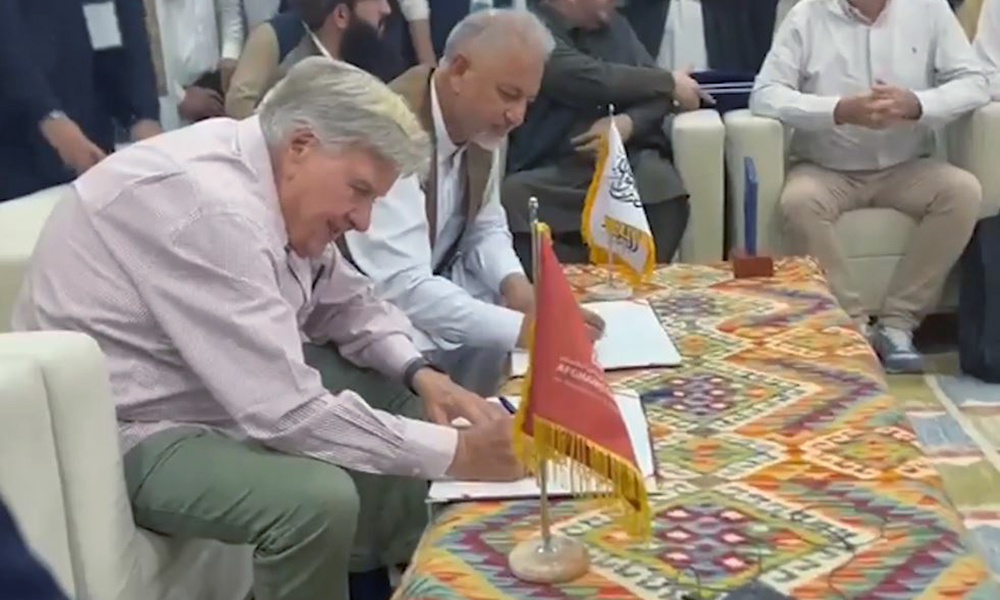
An Afghan company and an Austrian firm have signed a memorandum of understanding (MoU) aimed at facilitating the export of Afghan carpets to European markets, opening new opportunities for the country’s traditional carpet industry.
The agreement was signed on the sidelines of the 5th Imam Abu Hanifa National and International Exhibition in Kabul.
Under the MoU, the Austrian company will cooperate in carpet design, marketing and efforts to expand access to international markets, particularly in Europe.
Austrian businessman Fritz Langauer said Afghan carpets meet the requirements of European markets in terms of colours, raw materials, designs and quality.
The partnership is expected to help Afghan carpet producers reach a wider customer base, strengthen export opportunities and promote one of Afghanistan’s long-established traditional industries.
Afghan carpets are known for their distinctive designs and craftsmanship, and improved access to international markets could create new opportunities for local producers, traders and artisans.
The agreement marks a step towards strengthening commercial ties between Afghan and Austrian businesses and expanding the international presence of Afghan-made products.
Business
Iran allocates over 110 hectares in Chabahar for Afghan economic activities
The talks also covered expanding industrial cooperation, establishing a joint industrial park and increasing bilateral trade to $10 billion.
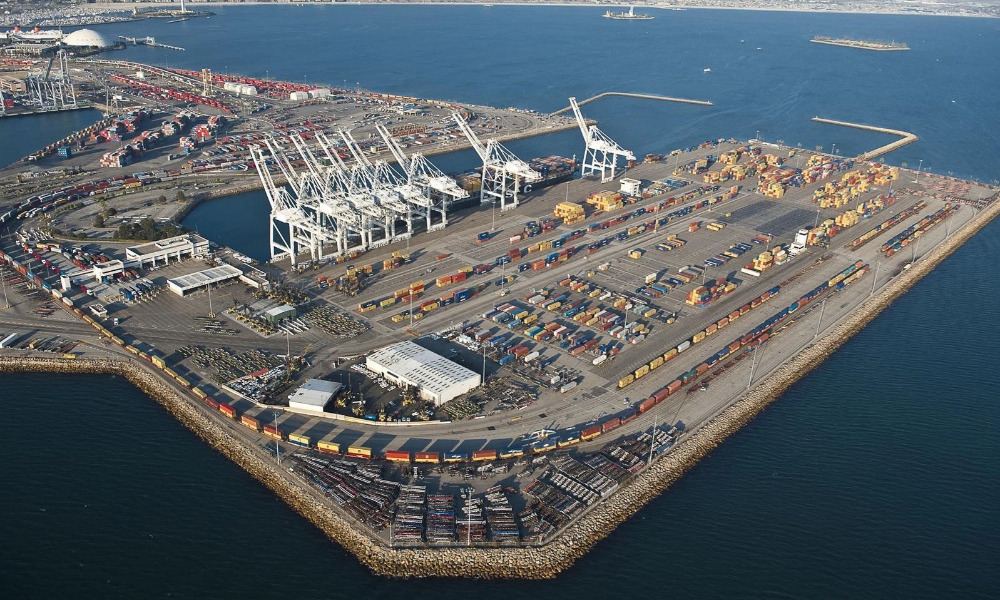
Iran has reportedly allocated more than 110 hectares of land at the strategic port of Chabahar for Afghanistan’s economic and commercial activities, in a move aimed at strengthening bilateral trade and industrial cooperation.
According to Iranian media reports, Mohsen Zanganeh, head of the Iranian Parliament’s Special Commission for Supporting Production and Supervising the Implementation of Article 44 Policies, announced the development following economic consultations between the two countries on Thursday.
Zanganeh said the proposal to set aside land for Afghanistan in the Chabahar Free Trade Zone was raised by Afghanistan’s industry minister.
“Under an agreement reached, we have agreed to allocate 10 hectares of land at Chabahar Port and approximately 100 hectares in the Free Trade Zone for Afghan investment. This arrangement will enable Afghanistan to invest in the designated area and facilitate its access to open waters.” said Zanganeh.
He added that Afghan officials had requested additional space within the port itself, but limited coastal land had made the request difficult to accommodate. The two sides reached a preliminary understanding and are expected to continue discussions.
The talks also covered expanding industrial cooperation, establishing a joint industrial park and increasing bilateral trade to $10 billion.
Located on the Gulf of Oman, Chabahar Port offers Afghanistan a potential gateway to international markets and could help diversify the country’s trade and transit routes.
The proposed arrangement could create new opportunities for Afghan businesses, strengthen regional connectivity and support the expansion of commercial ties between Kabul and Tehran.


Tahawol: EU appointing new envoy for Afghanistan

Saar: Pakistan’s political, security and economic crises

Bangladesh take 329-run lead against Afghanistan in one-off Test

Afghanistan Champions League second half to kick off on October 16

Karzai calls for reopening schools and universities to Afghan girls on International Day of the Girl

EU and FAO launch €5m programme to strengthen Afghanistan’s agrifood sector

Cricket Bonanza: Afghanistan set for packed international schedule

Houthi advance in Yemen puts U.S. in a new bind

New warnings reignite debate over AI threat to humanity

UN warns of mounting humanitarian and human rights pressures in Afghanistan
Tahawol: EU appointing new envoy for Afghanistan
Saar: Pakistan’s political, security and economic crises

Saar: Ongoing expulsion of Afghan refugees from Iran and Pakistan discussed

Tahawol: CSTO meeting on Afghanistan reviewed

Saar: Guterres’s talks with Pakistani officials on Afghanistan discussed
-

 Regional3 days ago
Trump says US will not attack Iran before midterm elections in November
-
 Business5 days ago
Baradar opens Fifth Imam Abu Hanifa International Exhibition in Kabul
-

 International Sports5 days ago
Lionel Messi bids tearful farewell to Argentina after 3-0 win over Benin
-
 Business4 days ago
Russia-Afghanistan trade surges 150% in first seven months of 2026
-

 World4 days ago
Denmark says Russia has conducted sabotage attacks against its defense firms
-

 World5 days ago
Vance says Iran must cut enrichment to end war
-
 World3 days ago
Witkoff, Kushner to meet Ukrainians for talks on the war, says US source
-

 Sport3 days ago
Arman FC defeat Istiqlal Kabul 3-2 in thrilling comeback