
Business
ADB Approves $100 Million Grant to Support Afghanistan’s COVID-19 Response

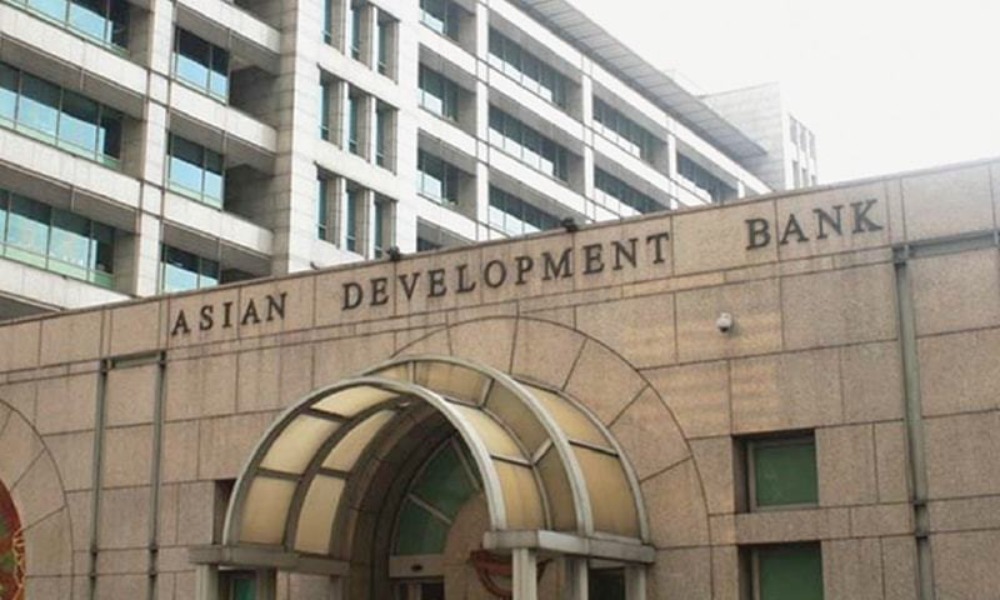
The Asian Development Bank (ADB) on Wednesday approved a $100 million grant to help the Government of Afghanistan respond to the coronavirus disease (COVID-19) pandemic, the statement said.
“ADB reaffirms its full commitment to supporting Afghanistan in its fight against COVID-19 and reducing the adverse impact of the pandemic on the lives of Afghans and the economy,” said ADB President Masatsugu Asakawa. “The assistance will help strengthen the health system, expand social protection for the poor and vulnerable population while ensuring gender mainstreaming, and support macroeconomic stabilization and job creation in Afghanistan.”
Afghanistan’s economic outlook has deteriorated during the COVID-19 pandemic because of business lockdowns, a sharp drop in household incomes, and a downturn in regional trade and remittances. ADB forecasts Afghanistan’s gross domestic product (GDP) to contract by 5.0% this year. Nearly 250,000 micro, small, and medium-sized enterprises (MSMEs), accounting for over 80% of nonagricultural employment, have been hit hard. The unemployment rate is projected to rise to 37.9% in 2020 from 23.9% in 2019. The budget deficit including grants has nearly tripled, reaching 3% of GDP in 2020, compared to 2019. Spikes in food prices due to disruptions in the food supply have increased the food insecurity risks.
According to the statement the national poverty rate is projected to reach up to 72% this year from 55% in 2017, with an additional 6 million people falling into poverty. A health emergency of such magnitude has aggravated the pressure on the country’s inadequate health care system, compounded by increasing transmission risks from internally displaced persons, returning migrants, and refugees.
To mitigate the adverse impacts of the pandemic, the government rolled out its comprehensive countercyclical pandemic response package of $633.9 million, comprising health, social protection, and macroeconomic stabilization measures. ADB’s COVID-19 Active Response and Expenditure Support (CARES) Program grant will support the delivery of the government’s response package, read the statement.
The program has several components. It will support the government in conducting a nationwide gender-sensitive public awareness campaign for COVID-19, scaling up the capacity of medical facilities, including gender-sensitive treatment facilities and the availability of medical supplies and equipment.
It will help the government extend its targeted social safety nets, including daily bread assistance to at least 310,000 poor households; water and electricity bill coverage for at least 350,000 households in Kabul, with priority given to women-headed households; coverage of over 130,000 old-age pensioners and their female heirs, including biometric registration; one-time cash transfers of 6,000 afghanis ($78) to at least 41,500 internally displaced persons and refugees; and remuneration packages for at least 32,570 disabled persons and the families of people killed in conflicts.
The program will also support the implementation of stabilization measures covering state-owned enterprises, job creation in the agriculture sector, and MSMEs. The MSME support will comprise tax exemptions, subsidized lending, vocational training, and market access.
The grant also features measures to promote good governance and anticorruption, including having a monitoring and evaluation specialist at the Ministry of Finance (MOF) to support program implementation and reporting, electronic tracking of fund flows at the MOF, and auditing of pandemic-related spending by the Supreme Audit Office, which are built into the assistance. ADB had earlier provided technical assistance to strengthen debt management and monitoring of fiscal risks, as well as project management capacity, procurement systems, and safeguards compliance.
The CARES Program is funded through the COVID-19 pandemic response option (CPRO) under ADB’s Countercyclical Support Facility. CPRO was established as part of ADB’s $20 billion expanded assistance for developing member countries’ COVID-19 response announced in April. Visit ADB’s website to learn more about its ongoing response.
This comes after in May, ADB approved a $40 million emergency assistance grant for Afghanistan. It supports the construction of 15 and rehabilitation of 5 hospitals and medical facilities, adding more than 1,100 new hospital beds; procurement of urgent medicines, medical supplies, and equipment; and training of at least 3,000 health workers, including 900 women, in COVID-19 surveillance, prevention, and treatment.




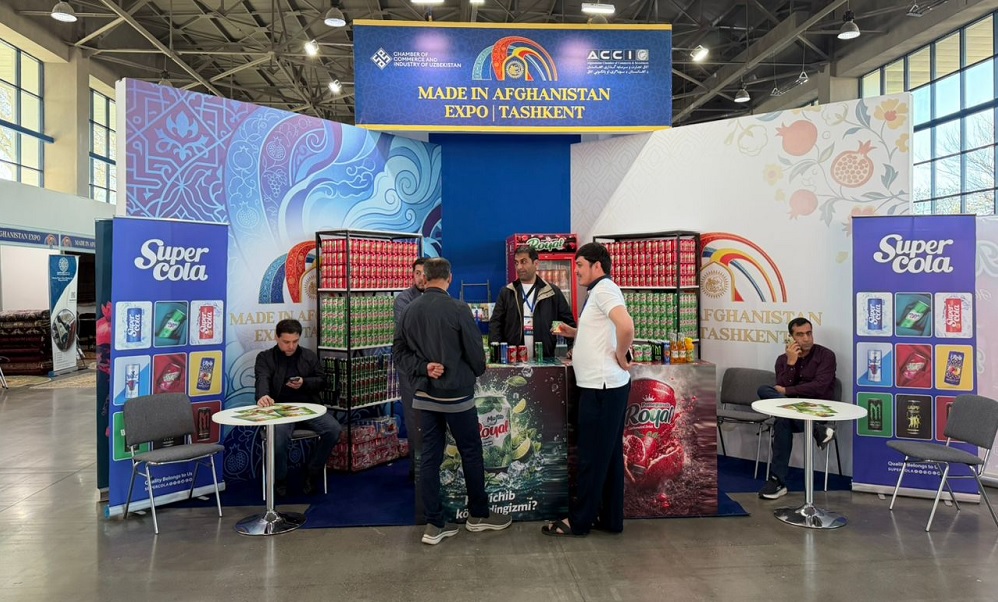
The Afghanistan Chamber of Commerce and Investment has announced that a major exhibition of Afghan products titled “Made in Afghanistan” is opening today (Wednesday) in Uzbekistan’s capital Tashkent.
According to the chamber, the expo—supported financially by the United Nations Development Programme—will run until Friday and aims to showcase Afghanistan’s production and export potential.
More than 60 booths have been set up by Afghan traders, featuring a wide range of products including carpets, dried and fresh fruits, saffron, pine nuts, cotton, precious and semi-precious stones, as well as beverages.
Officials from the chamber expressed hope that the expo will help expand trade relations between Afghanistan and countries in the region, particularly Uzbekistan.
Business
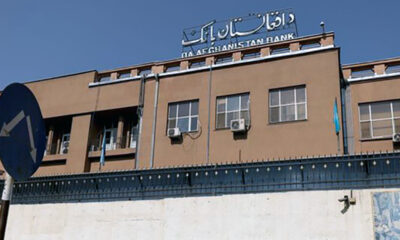
Afghani strengthens nearly 10% against US dollar amid banking sector reforms
The bank said it has expanded oversight of financial institutions and private lenders, improving transparency and promoting more consistent standards across the sector.
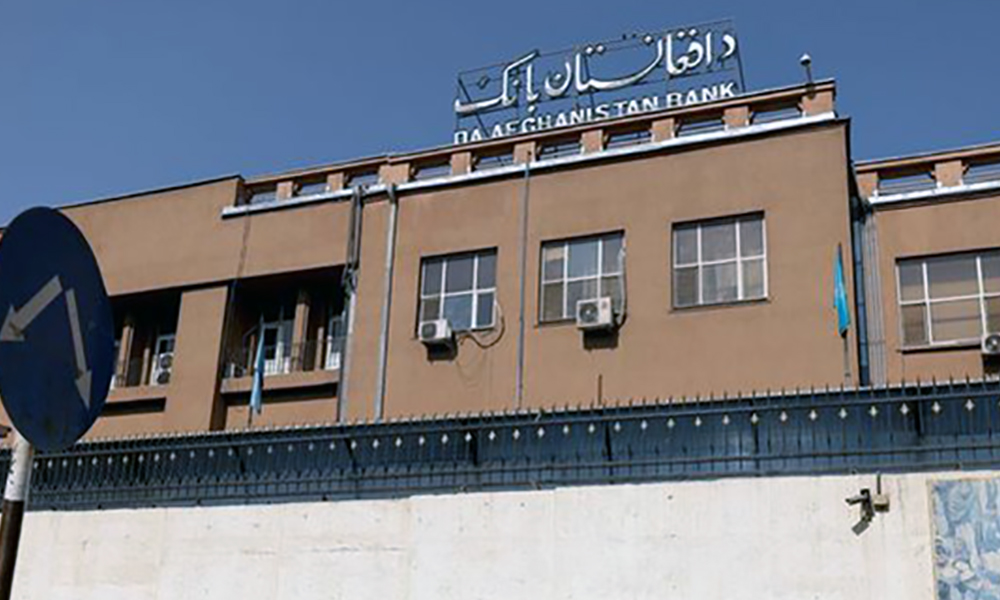
Afghanistan’s central bank, Da Afghanistan Bank, says the national currency has appreciated by 9.93% against the US dollar during the year 1404, citing steady progress in the country’s financial and banking systems.
Officials attributed the gains to cautious monetary policies that have helped stabilise the Afghani against major global currencies while also boosting its value against the dollar.
The bank said it has expanded oversight of financial institutions and private lenders, improving transparency and promoting more consistent standards across the sector.
As part of efforts to better manage liquidity, authorities also collected and destroyed worn-out banknotes in circulation. At the same time, officials reported growth in electronic banking, with digital payment usage rising in recent months.
Central bank spokesperson Haseebullah Noori said initiatives are underway to broaden access to banking services nationwide, including the wider rollout of Islamic banking options.
Analysts welcomed the stabilisation efforts but stressed the need to address ongoing challenges facing domestic banks, including the impact of international financial sanctions on Afghanistan.
They added that expanding Islamic banking could help draw more savings into the formal financial system, noting that a significant share of personal wealth remains outside banks. Bringing those funds into the sector, they said, could inject billions of Afghanis into the economy and further support financial stability.
Business
Uzbekistan delivers over 290 tons of aid to Afghanistan
The assistance, provided ahead of Eid al-Fitr, is intended to support vulnerable communities while reinforcing ties between the neighboring countries.
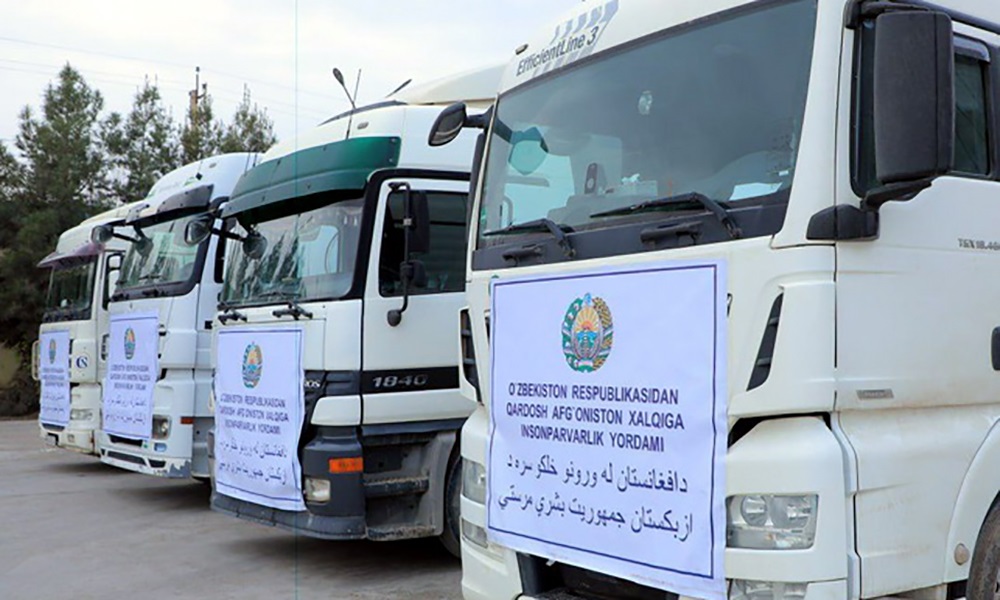
Uzbekistan has delivered more than 290 tons of humanitarian aid to Afghanistan, according to the country’s Ministry of Foreign Affairs.
The assistance, provided ahead of Eid al-Fitr, is intended to support vulnerable communities while reinforcing ties between the neighboring countries.
The shipment includes essential food supplies such as flour, rice, wheat, vegetable oil, instant meals, pasta, and confectionery. An official handover ceremony was held in the border town of Hairatan.
Local officials, including Balkh province representatives and authorities from Hairatan, expressed appreciation for the continued support, acknowledging Uzbekistan’s efforts to assist the Afghan people.
Among those present at the ceremony were Uzbekistan’s Ambassador to Afghanistan, Oybek Usmanov, and Surkhandarya regional governor Ulugbek Kosimov.
The aid delivery underscores Uzbekistan’s ongoing humanitarian engagement and its broader efforts to promote regional cooperation and stability.


Tahawol: Discussion on day 27 of Iran–US war

Turkey invites IEA’s commerce minister to Antalya Diplomacy Forum

Saar: Islamic Emirate confident of Durand Line control

Afghan, Malaysian PMs discuss situation between Kabul and Islamabad

Myanmar trump Afghanistan 2-1 in Asian Cup Qualifier

Pakistani military jet downed in Afghanistan’s Jalalabad, pilot captured alive

Afghan Air Force conducts airstrikes in Islamabad, other cities

Prominent Muslim scholar issues fatwa calling for Afghanistan-Pakistan ceasefire

Afghan air force strikes key Pakistani military installations in retaliatory operation

IEA: Special circle in Pakistan has launched mission to destabilize region
Tahawol: Discussion on day 27 of Iran–US war
Saar: Islamic Emirate confident of Durand Line control

Tahawol: Efforts to release Mohammad Rahim from Guantanamo Bay Detention Camp

Saar: End of ceasefire between Afghanistan-Pakistan reviewed

Tahawol: Escalating threats between Iran-US discussed
-
 Latest News4 days ago
Deadly violence likely without dialogue between Afghanistan and Pakistan: ICG
-

 Latest News3 days ago
Pakistan seeks Russian mediation to resolve Afghanistan tensions
-
 International Sports4 days ago
FIFA World Cup 2026: Play-Off Tournament takes centre stage
-
 Sport4 days ago
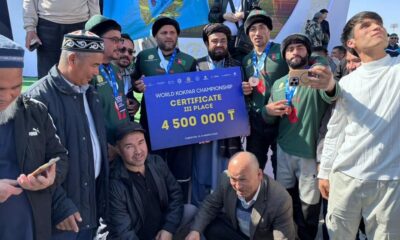
Afghanistan secures third place at 2026 World Kokpar Championship
-
 Business4 days ago
Afghani strengthens nearly 10% against US dollar amid banking sector reforms
-
 Latest News4 days ago
World must re-engage to prevent all-out Afghanistan-Pakistan war: Financial Times
-

 Sport2 days ago
Afghanistan squad hit by withdrawals ahead of AFC Asian Cup Qualifiers
-
 Latest News2 days ago
Around 2.3 million tourists visited Afghanistan’s recreational areas during Eid: Ghufran