
Latest News
Afghan interpreters with Australian visas unable to get to safety

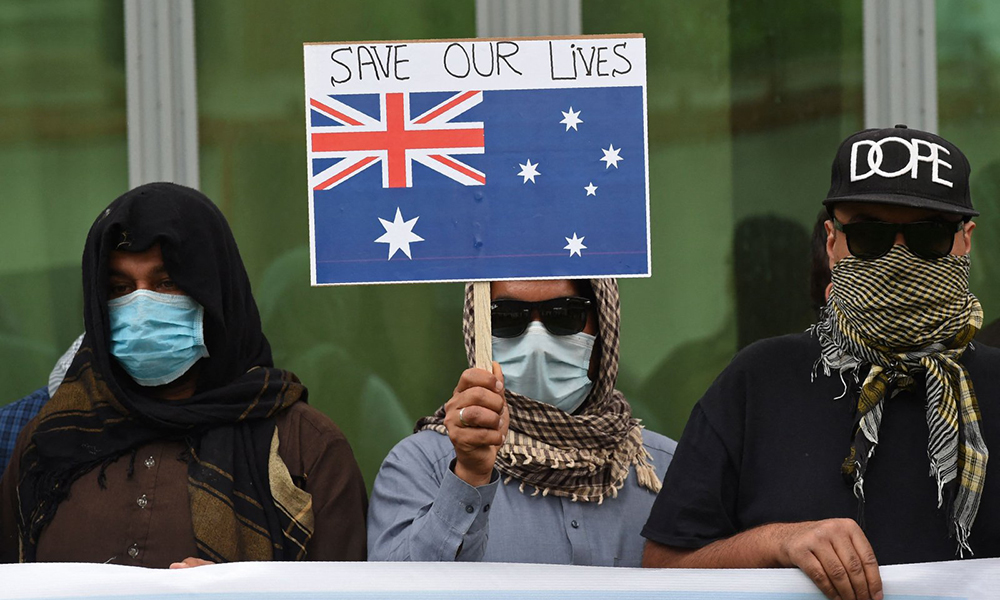
The Australian government has granted 90 visas since the beginning of May to Afghans who worked alongside Australian forces but the interpreters say they have been unable to leave Afghanistan due to COVID-19 restrictions.
The Guardian Australia reported that while officials have offered to help the Afghans get on commercial flights to Australia in the near future, this has not been possible for many.
Speaking from Kabul on Tuesday, one interpreter said that without access to military flights, their situation would not change.
“If they can’t relocate us, what is the point of having a visa?” the man said. He was among 41 interpreters who wrote to the government twice earlier this year pleading for urgent help.
Last month Australia suddenly closed its Kabul embassy, saying it could not guarantee the security of staff in the light of the impending withdrawal of Australian troops by 11 September.
The Guardian reported that on Tuesday another interpreter said his family was awaiting passports, but without access to the embassy and its staff he had no certainty of being able to leave.
Another former translator has been sent into hiding after a letter stamped and signed by the Taliban was taped to his front gate, ABC reported.
Earlier on Tuesday Scott Morrison told reporters the government was “working urgently and steadfastly” to resolve the matter.
“This is not the first time that we have had to support in these circumstances, bringing people to Australia under the appropriate visa arrangements for humanitarian visas that are in place,” the prime minister said.
“We have done this before safely. And we will be able to do it again … We are very aware of it. And we are working urgently and steadfastly and patiently to ensure that we do this in the appropriate way as we have done on earlier occasions. I was the minister responsible at the time last time we were doing this when I was in immigration, so I’m very well aware of the sensitivities and the need to move swiftly.”
In March 2020, Australia closed its borders to non-nationals and non-residents due to the Coronavirus pandemic and has since been allowing only limited international arrivals, mainly citizens returning from abroad.

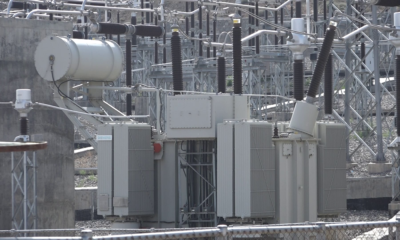


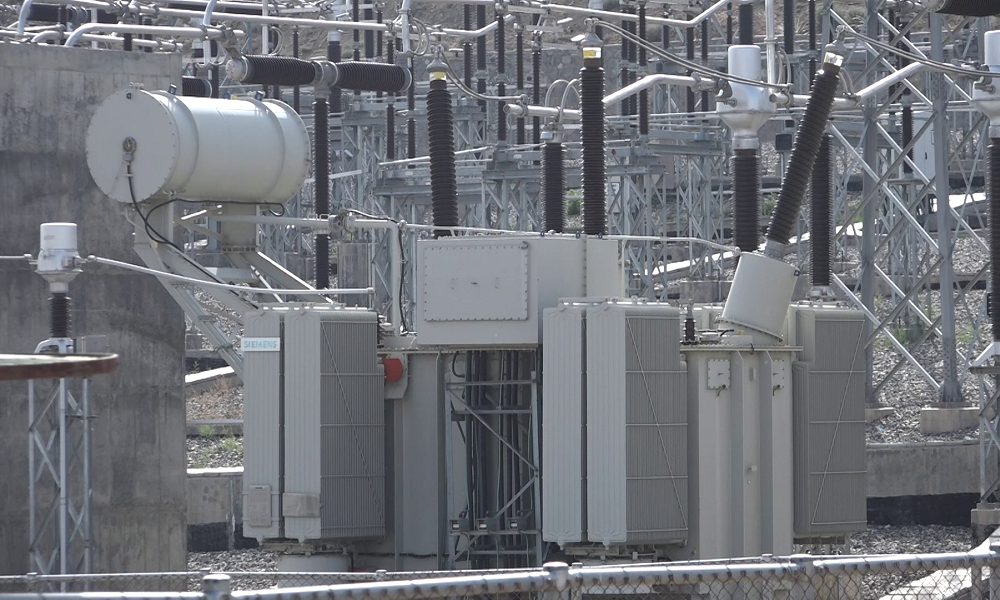
Officials of Da Afghanistan Breshna Sherkat (DABS) say several major companies from neighboring countries, including Russia, are interested in investing in the production of electrical equipment in Afghanistan.
The officials added that Afghanistan has the capacity to attract millions of dollars in investment in the production of electrical equipment.
According to DABS officials, a large portion of the equipment required by Breshna is purchased from neighboring and other countries, and increasing domestic production could reduce the country’s reliance on imports to some extent.
Meanwhile, private-sector representatives said investment in the production of electrical equipment is a serious need. They stressed that investment in the development and production of electrical equipment should be accelerated to reduce imports and increase domestic production.
They said the move would not only reduce reliance on imports but also create employment opportunities for thousands of people.
Economic analysts also said that, alongside electricity generation, investment in the production of equipment used for electricity generation and transmission should be increased. This would allow domestically produced electrical equipment to enter the local market and help reduce imports of foreign products.
Currently, electrical equipment is imported into Afghanistan from various countries, including China, Iran and Turkey.

Mawlawi Hibatullah Akhundzada, the supreme leader of the Islamic Emirate of Afghanistan (IEA), has said that obedience, solidarity and unity are important factors in strengthening the system, and that religious scholars should work to promote these values in society.
He made the remarks during a meeting with the Minister of Higher Education, deputy ministers, directors, and heads of religious seminaries and state universities.
The Supreme Leader said religious scholars have a major responsibility toward society and should help people become familiar with religious matters and Sharia rulings.
He added that if religious scholars follow the right path and government officials properly carry out their responsibilities, the people will also follow their example.
Akhundzada also urged university officials to pay serious attention to the education and training of students and to familiarize them with religious matters alongside their academic studies.
He said students will in the future take on responsibilities in different sectors of the government and society, including medicine, engineering and other fields. He called on university officials to make greater efforts to properly educate and train them.
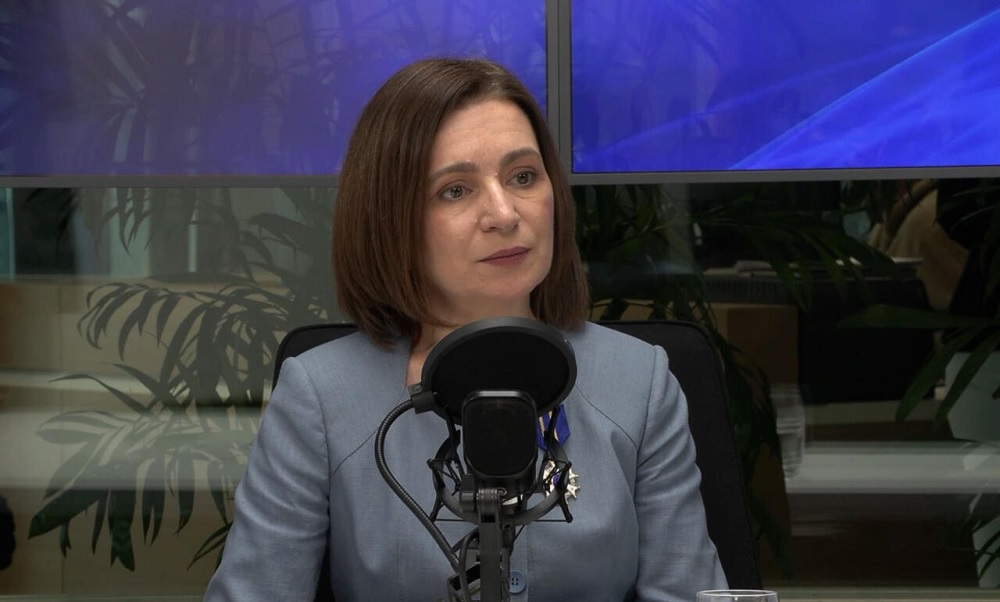
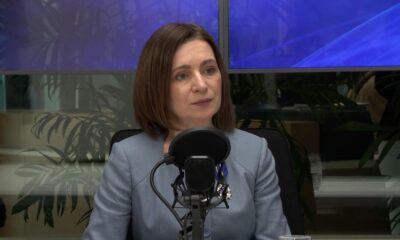
Moldovan President Maia Sandu has criticized the decision to issue visas to a delegation of Islamic Emirate of Afghanistan (IEA), saying the visit resulted from government officials failing to understand Moldova’s policy toward the IEA.
Speaking on Jurnal TV, Sandu said a state secretary at the Ministry of Agriculture had not checked the government’s position on relations with the IEA before submitting the visa request.
According to Sandu, officials at the Ministry of Foreign Affairs processed the request based on the senior position of the official who submitted it, assuming that the request had already received the necessary approval.
The president described the incident as “shameful” and said disciplinary action should be taken against those responsible.
“Based on the information I have at the moment, a State Secretary from the Ministry of Agriculture did not check what the policy of the Republic of Moldova is regarding the Afghan regime. And this is strange. On the other hand, some officials from the Ministry of Foreign Affairs, when they received an official request from another ministry, assumed — even though the procedures did not require consultation — that this rather unusual request was supported and confirmed by a person holding a public position, by a State Secretary. The information did not reach other people, and this is how the incident happened,” Maia Sandu said.
Sandu said the government had informed her that disciplinary sanctions would follow to prevent similar incidents in the future.
Earlier, Moldova’s Agriculture State Secretary Vasile Sarban said the Afghan delegation’s visit was arranged following a request from a Moldovan company that produces phytosanitary products and exports them to Uzbekistan.
The company had expressed interest in expanding its market to Afghanistan. Afghan representatives then sought to visit Moldova to learn about the production of phytosanitary products, according to Sarban.
The delegation that travelled to Moldova was led by Deputy Agriculture Minister Sadr Azam Osmani.


Foreign companies eye investment in Afghanistan’s electrical equipment industry: DABS

Obedience and unity strengthen the system: IEA supreme leader

Goods transporters to go on strike from Saturday after talks with Pakistan govt fail

From Nangarhar to Scotland: Afghan refugee cricketer eyes ODI debut

Iran FM calls for regional self-reliance and ‘true brotherhood’

Pakistan’s governance system has ‘collapsed’: Mohsin Naqvi

India offers 1,000 online scholarships for Afghan students for 2026-27 academic year

Turkey spent over $120 million to prepare airport for Qatar-donated U.S. presidential aircraft

FIFA’s inaugural YouTube Creator Cup to stream live on Ariana Television and Ariana Sport YouTube channels

FIFA World Cup semi-final line-up confirmed

Tahawol: End of US sanctions waiver for Chabahar Port discussed

Saar: US warns of ISIL-K threat in Afghanistan discussed

Tahawol: Limited choices of small states in global politics discussed

Saar: India’s response to Pakistan’s recent remarks discussed

Tahawol: China-Pakistan talks on Afghanistan security reviewed
-

 Sport4 days ago
Afghanistan aim to strengthen ODI ranking in Ireland series
-
 Latest News3 days ago
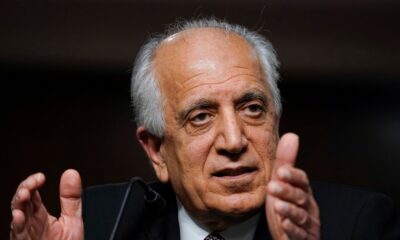
Khalilzad says Pakistan needs ‘reset’ amid economic crisis and rising instability
-
 Latest News3 days ago
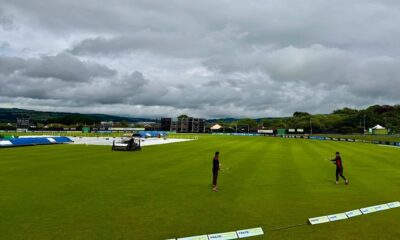
First Afghanistan-Ireland ODI abandoned without a ball bowled
-

 Sport3 days ago
Afghanistan aim for winning start against Ireland
-

 Latest News4 days ago
Afghan boxer charged over death of British woman found in suitcase in Greece
-
 Latest News4 days ago
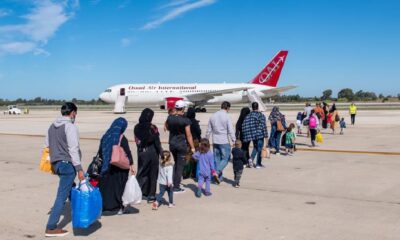
US court rules in favor of Afghan families seeking travel documents
-
 Sport2 days ago
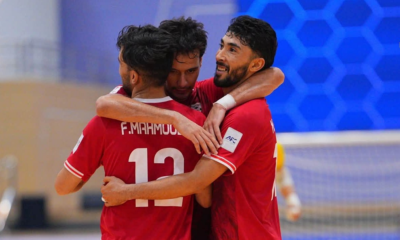
Afghanistan holds Russia to 3-3 draw, earns first point at Continental Futsal Championship
-
 Latest News4 days ago
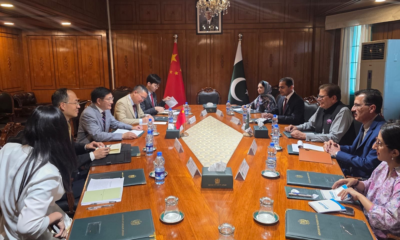
Pakistan, China envoys discuss Afghanistan, pledge closer counterterrorism cooperation