
Business
Afghanistan crops export stop due to pandemic

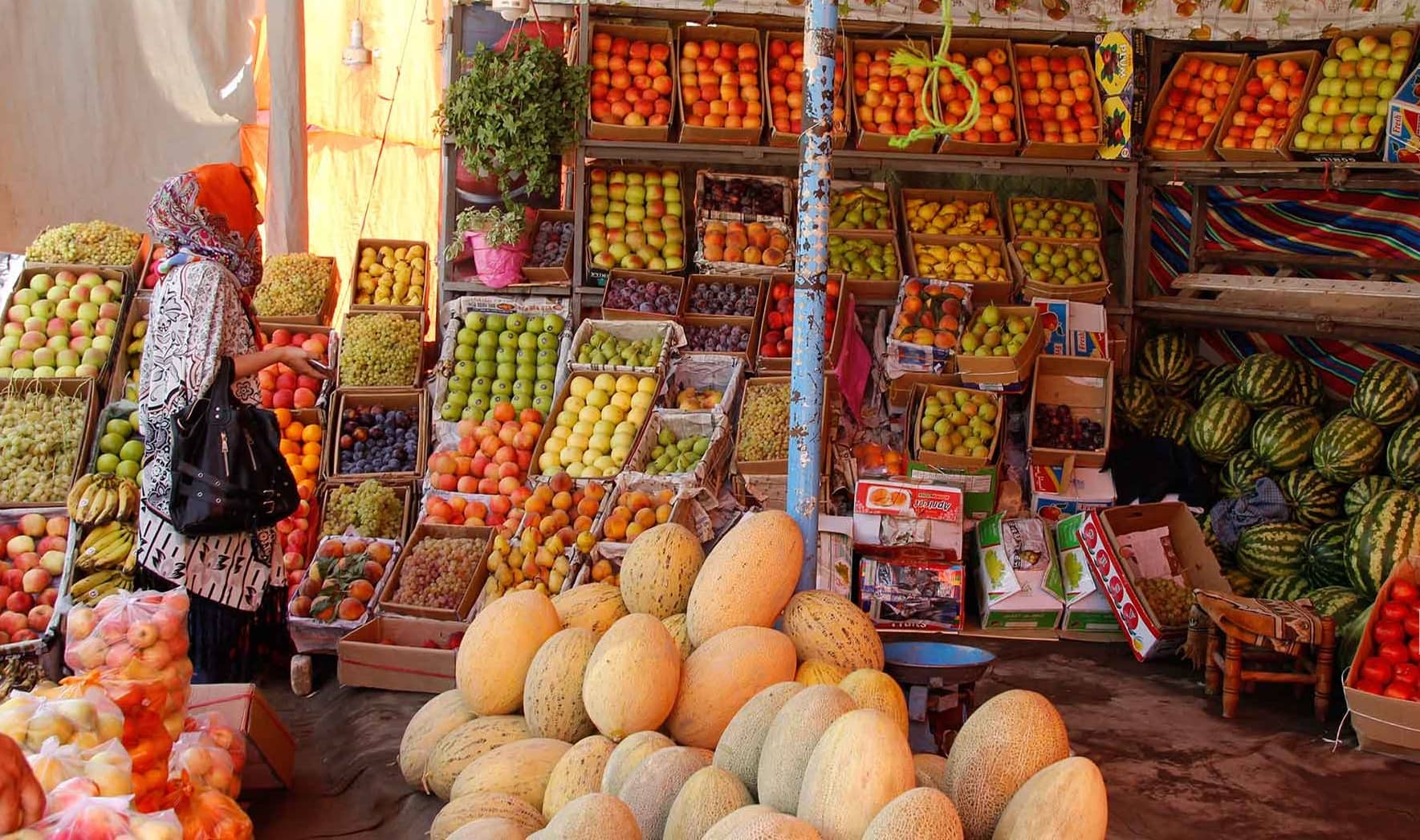
The outbreak of the Coronavirus in the world has prevented Afghan agricultural products from being exported abroad.
The Ministry of Agriculture said that efforts underway to resolve the issue, introducing a plan under which the government would buy agricultural products for consumption in domestic institutions.
According to the plan, the government would buy up to 50% of agricultural products for consumption for the use of governmental institutions, the ministry said.
The ministry added that the plan could prevent crops from spoiling.
According to the officials, the government has allocated 13.7 million AFN to implement the plan.
Meanwhile, the Ministry of Agriculture further says that the plan could create around 6,500 permanent jobs and about 100,000 temporary jobs across the country.






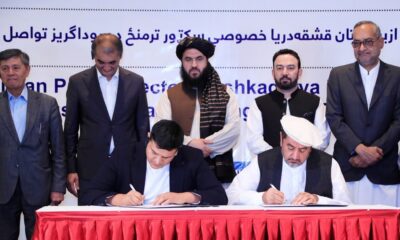

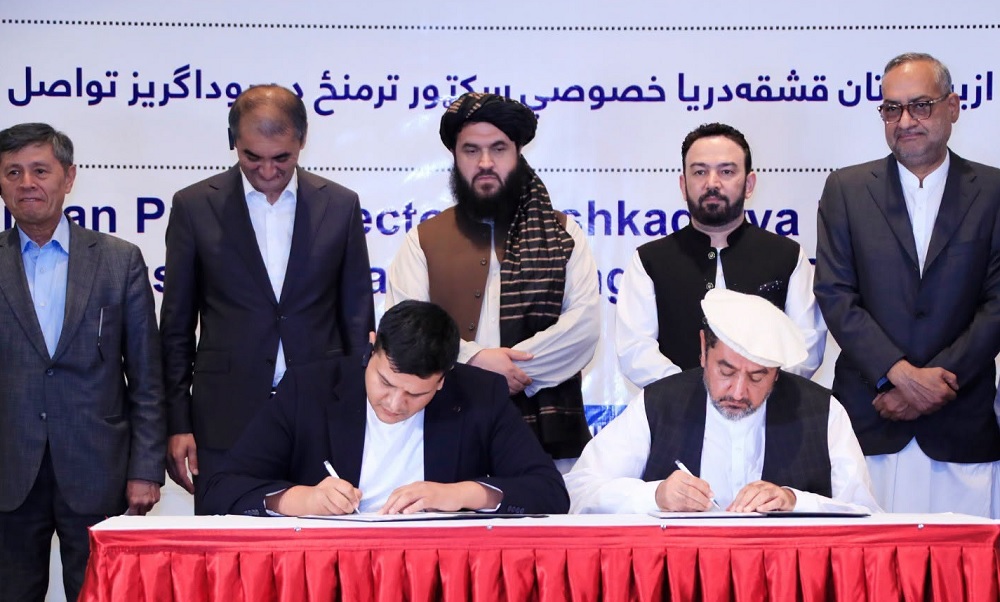
Afghanistan’s Ministry of Industry and Commerce says 20 trade memorandums of understanding (MoUs) worth $267 million have been signed following business meetings between Afghan traders and private-sector representatives and officials from Uzbekistan’s Kashkadarya province.
The agreements were signed on the sidelines of a business networking conference between Afghan private-sector representatives and Kashkadarya in Kabul. Officials from Afghanistan’s Ministry of Industry and Commerce, representatives of Kashkadarya province, Uzbekistan’s ambassador to Kabul, and private-sector representatives from both countries attended the conference.
Ahmadullah Zahid, Deputy Minister of Industry and Commerce, said economic relations and trade between Afghanistan and Uzbekistan have increased following visits by delegations from both sides.
He stressed the need to simplify trade and transit procedures and remove existing obstacles. He also said Afghanistan is ready to discuss the transit of its export goods through Uzbekistan.
Shahret Muradov, Deputy Governor of Kashkadarya, said the province is ready to expand trade and industrial cooperation with Afghanistan and host Afghan delegations and traders.
The agreements cover sectors including food products, clothing, construction, livestock, electronic equipment, and furniture.
Business
Afghanistan transports more than 704,000 tonnes of goods by rail in August
The Hairatan railway route handled the largest share, with 464,767 tonnes, followed by Khaf–Herat with 137,687 tonnes, Torghundi with 62,015 tonnes, and Aqina with 39,831 tonnes.

Afghanistan transported more than 704,000 metric tonnes of goods through its railway network in August 2026, the Ministry of Public Works said.
The ministry said 704,300 metric tonnes of petroleum products, non-petroleum goods and other materials were imported and exported through four major railway routes during the month.
The Hairatan railway route handled the largest share, with 464,767 tonnes, followed by Khaf–Herat with 137,687 tonnes, Torghundi with 62,015 tonnes, and Aqina with 39,831 tonnes.
The ministry said the railway network also supported Afghan exports during the month, including 3,751 tonnes of carbonated beverages shipped abroad.
According to the ministry, expanding rail transportation and exports could contribute to job creation, higher national revenues and greater economic stability and self-sufficiency.
The ministry added that the Islamic Emirate is working to improve trade conditions and expand transportation facilities for Afghan traders.
Business
TAPI pipeline nears first gas sales in Afghanistan
Herat Governor Mawlavi Islam Jar recently said construction of the TAPI pipeline in the province is expected to be completed within two months.
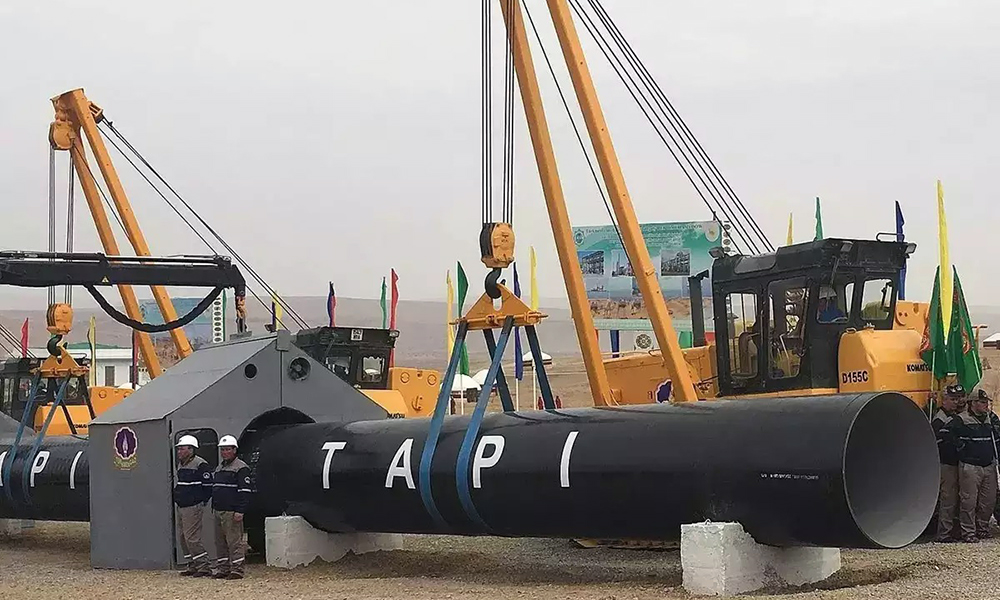
The Turkmenistan-Afghanistan-Pakistan-India (TAPI) gas pipeline is moving closer to its first commercial gas sales in Afghanistan after years of delays, with Herat expected to become the first Afghan market served by the project.
According to the Times of Central Asia, Turkmenistan plans to supply gas to Herat through the TAPI pipeline, while the timeline for extending the project to Pakistan and India remains uncertain.
The report says Turkmengaz and Afghan Gas signed a memorandum on August 10 covering the purchase of gas through TAPI. However, the agreement does not yet specify the price, supply volume or exact date for the start of commercial deliveries.
Afghan and Turkmen officials are also working to develop a gas distribution network in Herat to supply industrial facilities, power plants and households.
Meanwhile, Herat Governor Mawlavi Islam Jar recently said construction of the TAPI pipeline in the province is expected to be completed within two months.
According to the governor, Turkmen officials have completed their work on the project and will hand it over to Herat authorities once the remaining process is finalized.
Jar has also urged residents and factory owners in Herat’s industrial park to make the necessary preparations for the start of gas distribution and pipeline connections.
The TAPI project is designed to transport Turkmenistan’s natural gas through Afghanistan and Pakistan to India, with a planned annual capacity of 33 billion cubic meters.


Iran executes at least 20 Afghan nationals in 2026; rights groups raise concerns

Tahawol: Latest on Stalled Kabul-Islamabad Talks

Saar: Afghanistan’s Relations with Regional Countries

AFN 2.5 billion in worn banknotes removed from circulation over past year

IEA spokesman says government will resolve issue of girls’ education

AFC confirms clubs for 2026/27 competitions; draw set for August 18

Only two days to go before Afghanistan and Ireland begin ODI series

Four mediators struggle to secure lasting Pakistan-Afghanistan ceasefire

Kabul opens cardiac hospital for children

Heavy monsoon rains claim lives across India as flooding and landslides continue
Tahawol: Latest on Stalled Kabul-Islamabad Talks
Saar: Afghanistan’s Relations with Regional Countries

Tahawol: Islamic Emirate seeks to normalize US ties

Saar: Discussion on ensuring Afghanistan’s border security

Tawsia: Afghanistan’s efforts to boost production and exports disucssed
-
 Latest News4 days ago
Pakistan open to state-to-state dialogue with Afghanistan on terrorism
-

 Sport4 days ago
ATN secures exclusive rights to broadcast T20I series in India across Afghanistan
-

 International Sports5 days ago
Tottenham face Charlton as ATN brings live EFL Cup action to Afghan fans
-

 World5 days ago
Trump administration issues pause on visa appointments for applicants worldwide
-
 World5 days ago
US spy chief visits Russia for meetings, media reports
-

 Regional4 days ago
Qatar PM to visit Tehran to pursue mediation efforts
-
 Latest News4 days ago
Standardized orthography for Dari and Pashto languages is essential: official
-

 Latest News4 days ago
Trump says overnight US withdrawal from Bagram left Afghanistan vulnerable to collapse