
Latest News
Biden administration considering a 6-month extension for US forces in Afghanistan

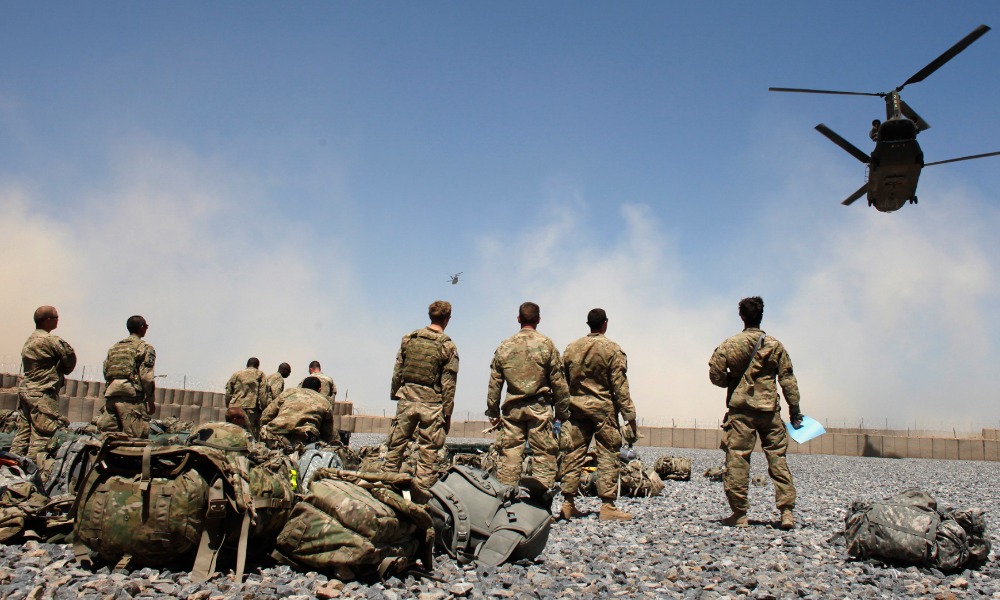
Washington is considering a six-month extension for US forces in Afghanistan, media outlets reported on Friday.
No final decision has been made, the official emphasized. NBC News first reported that a six-month extension is under consideration.
The official noted that the US will want to get the Taliban to agree to the extension. Other options are still on the table, including a full withdrawal by May 1, but a sign of President Joe Biden’s current thinking came this week when he told ABC News he didn’t think it would “take a lot longer,” and said a full withdrawal by May 1 “could happen, but it is tough.”
“I’m in the process of making that decision now as to when they’ll leave. The fact is, that was not a very solidly negotiated deal that the President — the former President — worked out. So, we’re in consultation with our allies as well as the government, and that decision’s — it’s in process now,” Biden told ABC.
This comes after a report from an influential Afghanistan study group co-chaired by former Chairman of Joint Chiefs of Staff Gen. Joseph Dunford recommended a more flexible timeline based on conditions such as reduced violence.
One critical problem is the current agreement with the Taliban does not acknowledge potentially hundreds of US special operations forces in the country that are not part of the current group of 2,500 US troops there. If they stay to help with counter-terrorism missions beyond a drawdown, the US may have to broadly acknowledge that presence.
Several defense officials previously told CNN that the US-led NATO alliance would like to see decisions taken no later than April 1 because of the challenges of removing US weaponry and equipment, amid concerns about some of it falling into the hands of the Taliban.
A Pentagon report said the full withdrawal could be devastating to “the survival of the Afghan state as we know it.”
But as Biden weighs his options, the US military continues its operations in the country, having conducted airstrikes there this week targeting the Taliban in Kandahar.
US airstrikes in recent days targeted “Taliban fighters actively attacking and maneuvering on (Afghan National Security Forces) positions” in Kandahar, US Forces Afghanistan spokesman Col. Sonny Leggett said in a tweet on Wednesday.
The Taliban “strongly condemned” the US airstrikes on Kandahar, with spokesman Qari Mohammad Yusuf Ahmadi affirming that Taliban members were killed and injured, but not specifying how many.
Ahmadi called the attacks “a clear violation of the Doha Agreement, which cannot be justified in any way.”
The “Doha Agreement,” signed by the US and the Taliban just more than a year ago in Doha, Qatar, set out a series of commitments by both sides relating to troop levels, counterterrorism and the intra-Afghan dialogue aimed at bringing about “a permanent and comprehensive ceasefire.”
Currently Washington official reports there are 2,500 US troops in the country but last week New York Times reported there are at least 3,500 US soldiers in Afghanistan.
That’s 1,000 more than Washington has disclosed.
The NYT reported the “cloudy accounting” around troops numbers results from some Special Forces units having been put “off the books”.
According to a senior US official, the presence of some temporary and transitioning units also accounted for the additional troops.
A second official told NYT that these troops include Joint Special Operations Command units, some of them elite Army Rangers, who work under both the Pentagon and the CIA while deployed to Afghanistan.












Kazakhstan’s Foreign Minister Mukhtar Tileuberdi has called for pragmatic and coordinated international engagement with Afghanistan, saying the country’s long-term stability is closely linked to the security and sustainable development of Central Asia.
Speaking during the general debate of the 81st session of the United Nations General Assembly in New York on Friday, Tileuberdi said humanitarian assistance to Afghanistan remains essential but alone cannot break the cycle of poverty, displacement and dependency.
He said Kazakhstan supports a “pragmatic, coordinated and step-by-step” approach to international engagement with Afghanistan, with the United Nations playing a central role.
Tileuberdi also said Kazakhstan is working with the UN to operationalize the United Nations Regional Centre for the Sustainable Development Goals for Central Asia and Afghanistan in Almaty.
He said the success of the centre should be measured by the results and assistance it delivers to the region.


Abu Muslim Farah defeat Khurasan Faryab 2-0 in ACL season six

Saar: Concerns over Pakistan’s political crisis discussed

Afghanistan Champions League: Omar Zawak Herat beat Toofan Herat 1-0

Blast in Pakistan’s Dera Ismail Khan kills 11, injures 30

Ariana Afghan Airlines increases Kabul-Delhi cargo flights

Saudi energy group signs major Afghanistan deals covering gas exploration and pipeline plans

Trump floats idea of renaming Atlantic or Pacific Ocean

US hits Egyptian bank branches with Iran sanctions as war marks six months

Nepal flood rescue mission enters critical phase as thousands remain missing

Iranian clubs to face Gulf opponents at neutral venues in Asian Champions League Elite
Saar: Concerns over Pakistan’s political crisis discussed

Exclusive interview with Abdul Latif Mansoor, Minister of MRRD

Tawsia: Overview of Afghanistan’s iron mines

Tahawol: Discussion on fresh Pakistani airstrikes on Afghanistan

Saar: Calls for international support for Afghanistan discussed
-

 World5 days ago
CNN, MS NOW and Politico sue Trump, challenging White House ban
-

 Latest News3 days ago
Ariana Afghan Airlines ranks seventh among 45 Central Asian airlines
-

 Latest News5 days ago
UN reiterates call for respect for international law after Kunar airstrikes
-

 Regional4 days ago
US and Iran hold first talks since June after Trump’s ‘annihilation’ threat
-

 Latest News4 days ago
Silk Road highway in Wakhan corridor now reaches the China border
-

 Regional3 days ago
Iran airlines cancel flights as US sanctions hit
-

 Latest News5 days ago
Afghan Official: Pakistan’s airstrikes will not go unanswered
-

 Sport5 days ago
Afghan boxing referee heads to China for international festival