
Latest News
Blast at educational center in Kabul sparks domestic and global condemnations

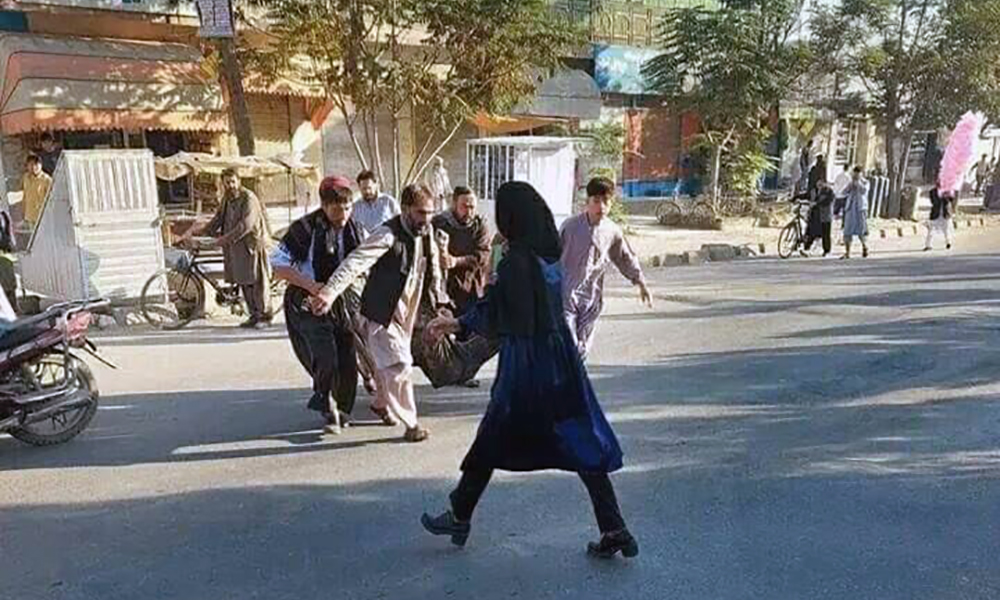
Friday’s deadly explosion at an educational center in Kabul has sparked widespread condemnations domestically and globally.
The blast at “Kaj” educational center left more 19 people dead, including boys and girls, and 27 others wounded, according to Khalid Zadran, a spokesman for Kabul police.
Ministry of Interior also confirmed the blast and the casualties.
The blast was widely condemned by the Islamic Emirate as well as Afghan political leaders and foreign diplomatic missions.
The Islamic Emirate’s spokesman Zabihullah Mujahid in a tweet condemned the attack and called it a “huge horror.”
“In order to arrest and punish the perpetrators of this incident, necessary measures will be taken,” Mujahid tweeted.
Former President Hamid Karzai also condemned the attack.
Karzai called the attack a crime against humanity, adding it was a clear conspiracy of the enemies of the country’s development.
Prime Minister Shehbaz Sharif also condemned the attack in a series of tweets later in the day calling it “sheer barbarism”. He extended Pakistan’s “deepest condolences and most sincere sympathies to the bereaved families and people of Afghanistan”.
Former chairman of the High Council for National Reconciliation (HCNR), Abdullah Abdullah, condemned the attack, saying those responsible for the blast are the enemies of peace and development in the country.
The UN Assistance Mission in Afghanistan (UNAMA) tweeted it “condemns the outrage, extending its deep condolences to all those in mourning.”
UNICEF said that children and adolescents must never be the target of violence.
“Once again, UNICEF reminds all parties in Afghanistan to adhere to and respect human rights, and ensure the safety and protection of all children and young people,” UNICEF tweeted.
US Charge d’Affaires Karen Decker said on Twitter: “The U.S. strongly condemns today’s attack on the Kaj Higher Educational Center. Targeting a room full of students taking exams is shameful; all students should be able to pursue an education in peace & without fear.”
Richard Bennett, the Special Rapporteur on the situation of human rights in Afghanistan, also condemned this attack.
“I condemn today’s horrific attack on students at Kaaj Academy Dasht-e Barchi. Repeat of 2018 ISKP attack at same location. Onslaught on education for Hazaras & Shia must end. Stop attacks on Afghanistan’s future,” said Bennett.
So far, no group has claimed responsibility for the blast.

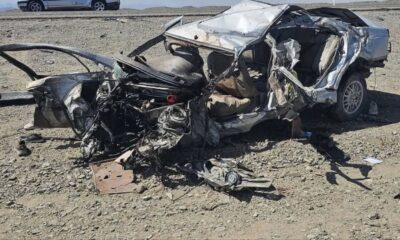

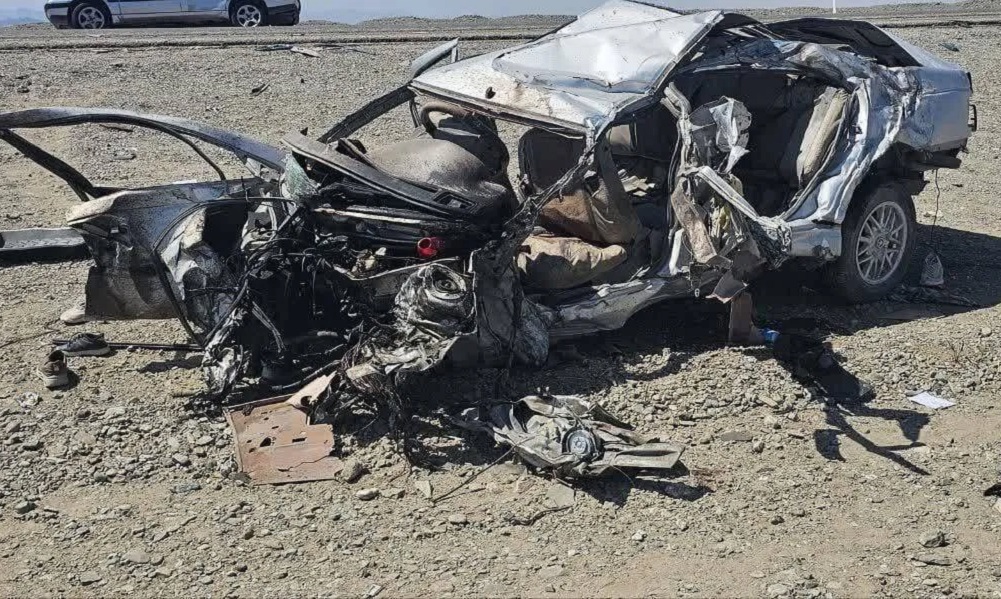
Seven Afghan migrants have been killed after a vehicle carrying Afghan migrants collided with a fuel-carrying vehicle in Iran’s Sistan and Baluchestan province.
According to the human rights organization HalVash, the accident occurred on Friday in the Sarbaz area of Sistan and Baluchestan.
Siyavash Mohbi, the head of Iran’s traffic police in Sistan and Baluchestan, said the Afghan nationals had entered Iran illegally.
He added that nine other people were injured in the incident.
Mohbi attributed the accident to the negligence of the driver of the vehicle carrying the migrants.
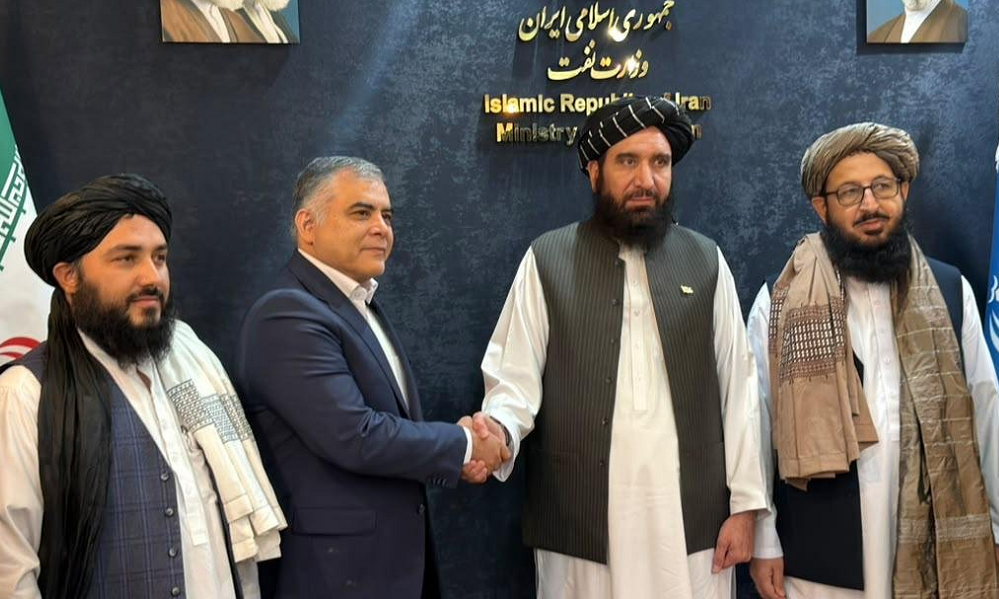
Ahmad Jan Bilal, General Director of State-Owned Corporations, met with Iran’s Oil Minister Mohsen Paknejad during a visit to Iran to discuss expanding cooperation in the oil and gas sector.
Bilal, accompanied by Mohammad Nasir Rahimi, chief executive of the Afghan state-owned Oil and Gas Corporation, held talks with the Iranian minister on supplying Afghanistan with its oil and gas needs, technical and vocational training, and joint cooperation in oil and gas exploration.
Bilal and his delegation also visited the Iranian Oil Ministry’s research center and oil refineries in Tehran, where they reviewed the facilities’ technical and professional activities and capabilities.
The Iranian side expressed readiness for comprehensive cooperation, necessary coordination and implementation of joint projects in the areas discussed.
At the end of the meeting, both sides introduced joint technical teams tasked with coordinating and following up on the necessary measures to implement the agreed areas of cooperation.


World leaders return to UN amid wars in Middle East and Ukraine

Asian Games open in Japan as Afghanistan sends 34 athletes

Seven Afghan migrants killed in traffic accident in Iran’s Sistan and Baluchestan

OIC to hold Afghanistan Contact Group meeting on sidelines of UN General Assembly

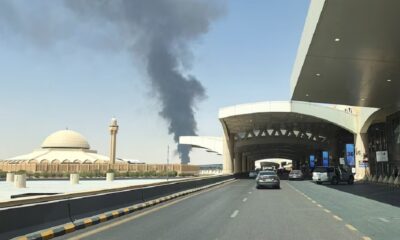
Flames, smoke seen near Riyadh airport; Houthis claim attacks on Saudi capital

Four mediators struggle to secure lasting Pakistan-Afghanistan ceasefire

Syria and Saudi Arabia condemn Kabul bombing, express solidarity with Afghanistan

Afghanistan’s trade diversification challenges Pakistan

Saudi energy group signs major Afghanistan deals covering gas exploration and pipeline plans

ATN secures exclusive rights to broadcast T20I series in India across Afghanistan

Tahawol: Kabul’s warning over any threat from Pakistan discussed

Debate on Afghanistan and New Investment Opportunities

Tahawol: Reasons behind Qatari, Turkish security officials’ Kabul visit discussed

Saar: Outcome of UN Security Council meeting on Afghanistan discussed

Tahawol: Afghanistan’s readiness for US relations discussed
-
 Latest News4 days ago
UN warns of mounting humanitarian and human rights pressures in Afghanistan
-
 Regional4 days ago
Saudi Arabia calls alleged Mecca attack a ‘red line’ as Houthis deny involvement
-
 Latest News5 days ago
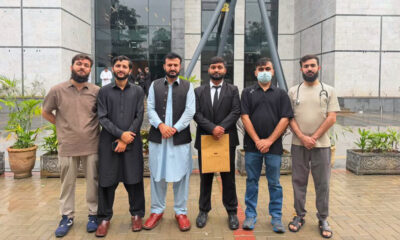
Petition filed in Islamabad High Court against PMDC directive affecting Afghan students
-
 Latest News4 days ago
Five Years On: IEA touts economic growth despite international isolation
-
 Sport4 days ago
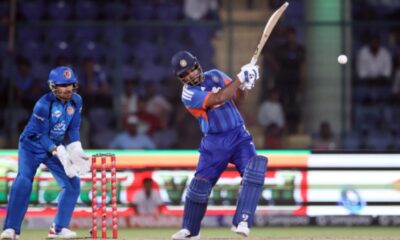
India take 2-0 lead in 3-match series against Afghanistan
-
 Sport5 days ago
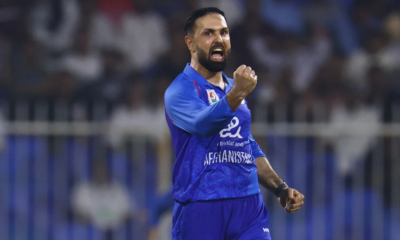
Nabi reaches 2,500 T20I runs
-
 Latest News3 days ago
Five years out of school: Amnesty raises alarm over Afghan girls’ education
-
 Latest News3 days ago
Russia urges dialogue and economic support for Afghanistan, warns against excessive pressure