
Business
Chamber claims corruption, insecurity eradicated in Afghanistan

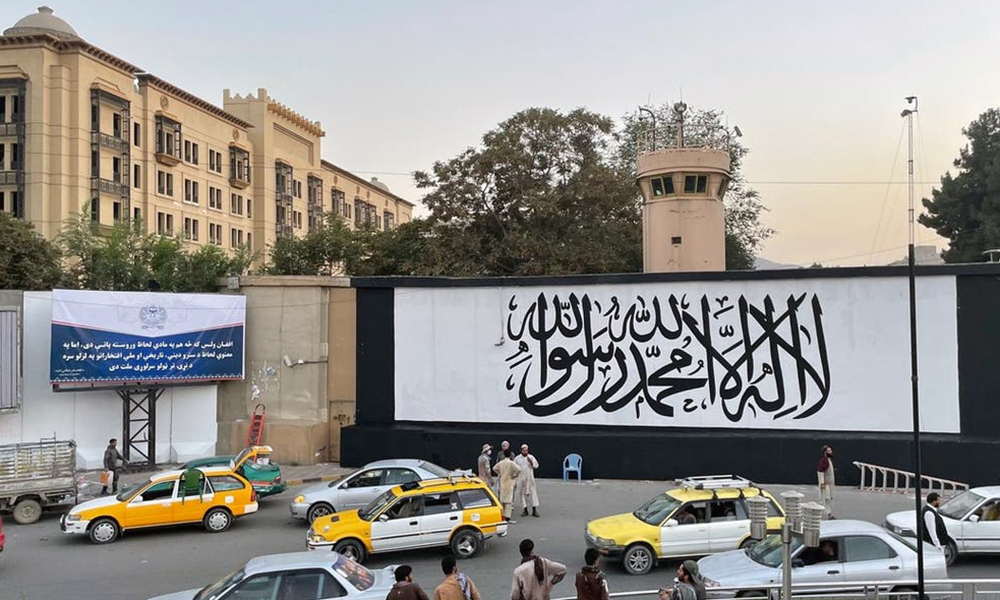
Officials of Afghanistan’s Chamber of Industries and Mines (ACIM) said on Tuesday that corruption and insecurity have been eradicated since the Islamic Emirate of Afghanistan (IEA) took power last year but stated that the country was dealing with a severe economic crisis.
Officials said that one example is that of factories. According to them hundreds of manufacturing businesses have closed down due to the crisis.
The sudden collapse of the former government in August last year resulted in foreign donors cutting off all funding to Afghanistan, freezing of the country’s foreign reserves and imposition of economic sanctions.
Afghanistan, which has for the past 20 years been largely reliant on foreign funding, has been hit hard by these decisions which have contributed enormously to the current humanitarian crisis.
Chamber officials meanwhile said that international sanctions on Afghanistan’s banking system have led to the closure of many factories.
“We are satisfied with the Islamic Emirate, they are trying to promote domestic products and industries. Problems we have are because of international sanctions. The problem must be solved and Afghan money must be released,” said Sakhi Ahmad Paiman, the deputy head of the ACIM.
Members of the Steel Association, which is a major electricity consumer in Afghanistan, said that they still have power supply problems but other issues, including the smuggling of raw materials, has been stopped.
“Our problems have decreased compared to the past. Our expectation is to decrease challenges regarding domestic products,” said Abdul Nasir Rishtia, a member of the Steel Association.
Economic analysts also called on the IEA to help Afghan traders expand the domestic markets.





Business
Afghanistan, Uzbekistan ink $514.8 million deals to deepen trade ties
Addressing the gathering, Azizi described Afghanistan as a dependable partner for regional trade and investment, praising Uzbekistan’s ongoing cooperation.
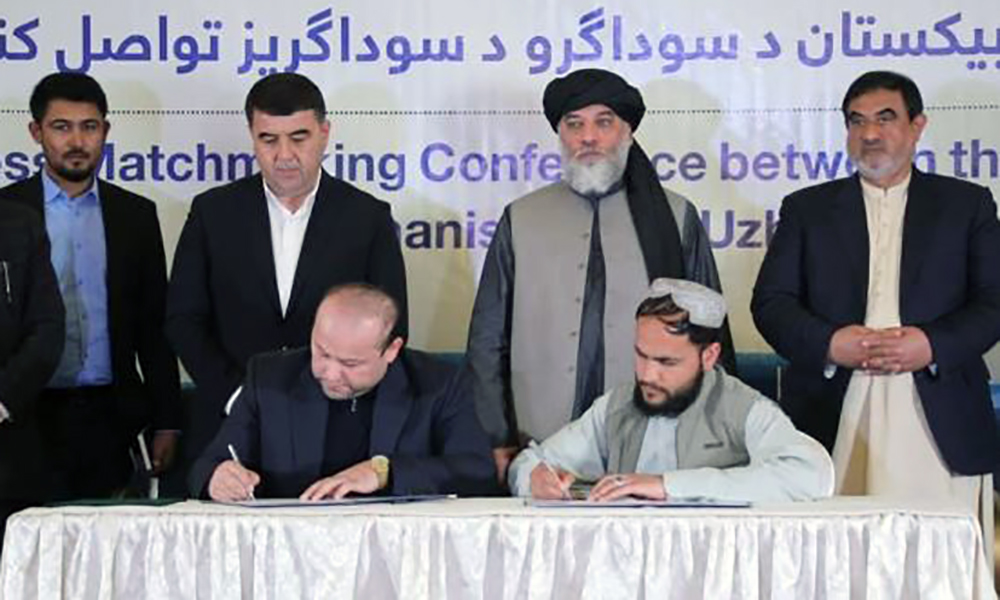
Afghanistan and Uzbekistan have signed cooperation agreements worth $514.8 million, marking a significant push to expand trade and investment between the two neighbours.
The agreements were finalised during a connectivity conference and a series of business meetings that brought together senior officials, private sector representatives, and investors from both countries.
Among those in attendance were Afghanistan’s Minister of Industry and Commerce Nooruddin Azizi and Shavkat Abdurazaqov, chairman of the Afghanistan Chamber of Commerce and Investment, alongside an Uzbek delegation comprising government and business leaders.
Addressing the gathering, Azizi described Afghanistan as a dependable partner for regional trade and investment, praising Uzbekistan’s ongoing cooperation.
He pointed to the country’s broad investment potential and highlighted a preferential tariff agreement between the two sides, which is expected to ease the export of Afghan goods into Uzbek markets.
Officials from Uzbekistan also underscored the importance of stability in Afghanistan.
The governor of Namangan Region noted that peace in Afghanistan is vital for Uzbekistan, adding that stronger economic collaboration could further reinforce regional connectivity and cooperation.
The newly signed agreements cover a range of sectors, including the establishment of a poultry hatchery in Afghanistan, trade in cement and coal, exports of dried fruits and vegetables, imports of food and fuel, production of layer chickens, and sports-related services.
Authorities say the deals represent a key step toward boosting bilateral trade, strengthening economic partnerships, and advancing broader regional integration.
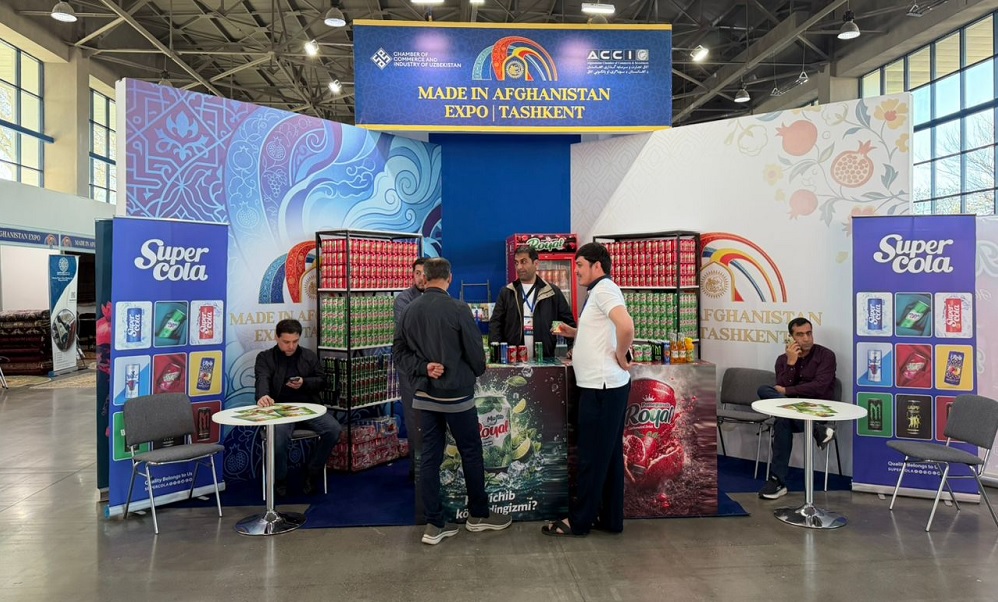
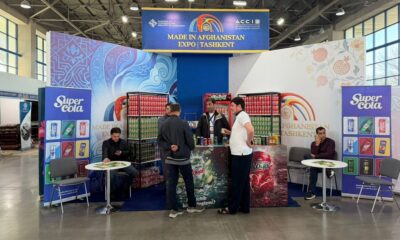
The Afghanistan Chamber of Commerce and Investment has announced that a major exhibition of Afghan products titled “Made in Afghanistan” is opening today (Wednesday) in Uzbekistan’s capital Tashkent.
According to the chamber, the expo—supported financially by the United Nations Development Programme—will run until Friday and aims to showcase Afghanistan’s production and export potential.
More than 60 booths have been set up by Afghan traders, featuring a wide range of products including carpets, dried and fresh fruits, saffron, pine nuts, cotton, precious and semi-precious stones, as well as beverages.
Officials from the chamber expressed hope that the expo will help expand trade relations between Afghanistan and countries in the region, particularly Uzbekistan.
Business
Afghani strengthens nearly 10% against US dollar amid banking sector reforms
The bank said it has expanded oversight of financial institutions and private lenders, improving transparency and promoting more consistent standards across the sector.
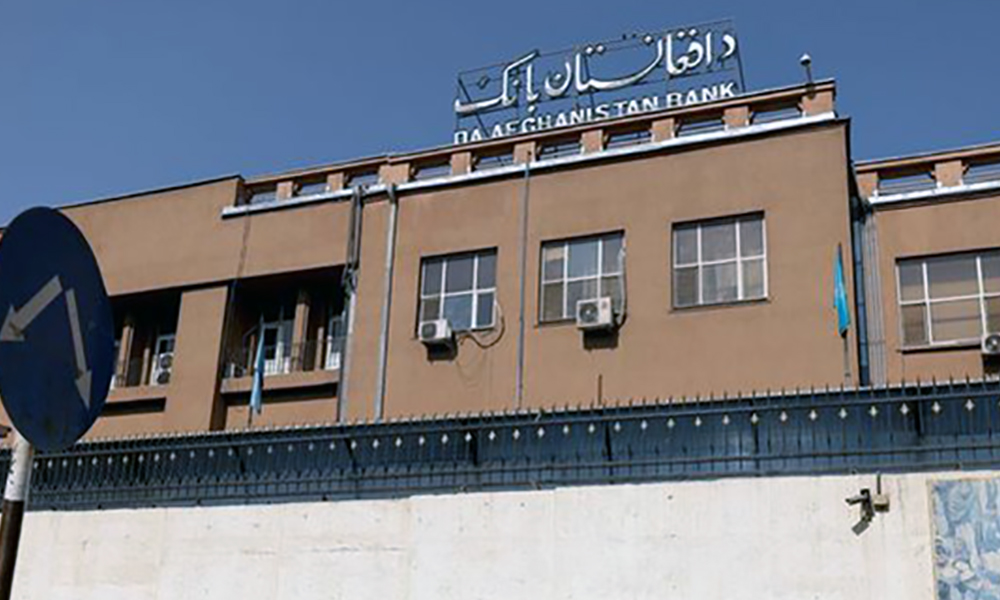
Afghanistan’s central bank, Da Afghanistan Bank, says the national currency has appreciated by 9.93% against the US dollar during the year 1404, citing steady progress in the country’s financial and banking systems.
Officials attributed the gains to cautious monetary policies that have helped stabilise the Afghani against major global currencies while also boosting its value against the dollar.
The bank said it has expanded oversight of financial institutions and private lenders, improving transparency and promoting more consistent standards across the sector.
As part of efforts to better manage liquidity, authorities also collected and destroyed worn-out banknotes in circulation. At the same time, officials reported growth in electronic banking, with digital payment usage rising in recent months.
Central bank spokesperson Haseebullah Noori said initiatives are underway to broaden access to banking services nationwide, including the wider rollout of Islamic banking options.
Analysts welcomed the stabilisation efforts but stressed the need to address ongoing challenges facing domestic banks, including the impact of international financial sanctions on Afghanistan.
They added that expanding Islamic banking could help draw more savings into the formal financial system, noting that a significant share of personal wealth remains outside banks. Bringing those funds into the sector, they said, could inject billions of Afghanis into the economy and further support financial stability.


Tahawol: Efforts for Kabul-Islamabad de-escalation

Saar: Restrictions on girls’ education in Afghanistan discussed

Bamyan hosts ski competition sponsored by AWCC

Afghan FM meets Iran’s acting ambassador in Kabul, discusses regional issues

Pentagon preparing for weeks of ground operations in Iran, Washington Post reports

Pakistani military jet downed in Afghanistan’s Jalalabad, pilot captured alive

Prominent Muslim scholar issues fatwa calling for Afghanistan-Pakistan ceasefire

Afghan air force strikes key Pakistani military installations in retaliatory operation

IEA Supreme Leader issues Eid-ul-Fitr message urging unity and support for Islamic system

14 Pakistani soldiers killed after military post falls along Durand line: MoD
Tahawol: Efforts for Kabul-Islamabad de-escalation
Saar: Restrictions on girls’ education in Afghanistan discussed

Tahawol: Concerns over spread of Middle East crisis discussed

Saar: Weakening relations between Kabul and Washington discussed

Exclusive interview with Indrika Ratwatte, Deputy UN Special Representative for Afghanistan
-
 Latest News3 days ago
Tajikistan shifts stance on Afghanistan amid rising border tensions
-
 Latest News2 days ago
Russia deems US military presence in Afghanistan unacceptable
-
 Latest News2 days ago
IEA says Iranian drivers no longer need visas to enter Afghanistan
-
 Latest News4 days ago
Two civilians killed, eight injured in fresh shelling by Pakistan in Kunar
-

 Sport5 days ago
IPL 2026: RCB sold for $1.78 billion in landmark deal
-

 Sport3 days ago
Myanmar trump Afghanistan 2-1 in Asian Cup Qualifier
-
 Sport3 days ago
Afghanistan to face Myanmar in crucial AFC clash
-
 Business5 days ago
‘Made in Afghanistan’ expo opens in Tashkent