
Latest News
US report flags continued presence of anti-India militant groups in Pakistan
According to the report, Lashkar-e-Taiba, formed in the late 1980s, remains active in Pakistan’s Punjab region and Pakistan-administered Kashmir.

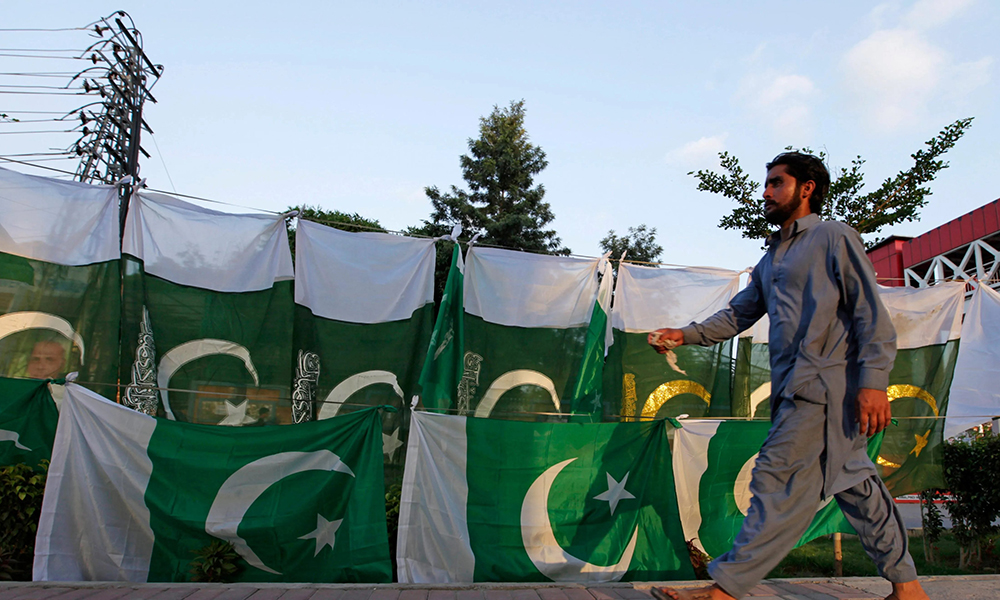
A recent assessment by the U.S. Congressional Research Service has underscored ongoing concerns that Pakistan remains a base for multiple militant organisations, including those targeting India and the disputed region of Jammu and Kashmir.
The March 25, 2026 “In Focus” report identifies 15 groups operating in or from Pakistan, many designated by the United States as Foreign Terrorist Organizations. It highlights the continued activity of India- and Kashmir-focused groups such as Lashkar-e-Taiba, Jaish-e-Mohammed, Harakat-ul-Jihad al-Islami, Harakat ul-Mujahidin and Hizbul Mujahideen, noting that these outfits continue to operate with relative freedom.
According to the report, Lashkar-e-Taiba, formed in the late 1980s, remains active in Pakistan’s Punjab region and Pakistan-administered Kashmir. Led by imprisoned figure Hafiz Saeed, the group has reportedly used alternate identities such as Jamaat-ud-Dawa to bypass sanctions and has been linked to major attacks, including the 2008 Mumbai assault.
The report also draws attention to Jaish-e-Mohammed, founded by Masood Azhar, which has operated across India, Afghanistan, and Pakistan. It highlights the group’s involvement in the 2001 Indian Parliament attack and notes its stated objective of integrating Jammu and Kashmir with Pakistan, as well as its declared hostility toward the United States.
In addition to regionally focused groups, the report points to the presence of global networks such as Al-Qaeda and Al-Qaeda in the Indian Subcontinent. It states that despite extensive counterterrorism operations, including airstrikes and intelligence-led missions, many US- and UN-designated groups continue to operate within Pakistan.
While acknowledging that Islamabad took some measures in 2023 to curb militant activity, the report raises concerns about the continued influence of certain religious institutions in spreading extremist ideologies. It also references Pakistan’s 2014 National Action Plan, noting that its goal of eliminating armed groups has yet to be fully realised.
Authored by South Asia expert K. Alan Kronstadt, the report describes Pakistan as facing a dual challenge—tackling internal security threats such as separatist unrest in Balochistan and instability in Khyber Pakhtunkhwa, while also being accused of allowing anti-India militant networks to persist.
It categorises militant groups in Pakistan into five overlapping types: globally oriented, Afghanistan-focused, India- and Kashmir-focused, domestically driven, and sectarian. The findings reinforce India’s long-standing position that cross-border militancy remains a major obstacle to regional peace, with New Delhi calling for stronger action against such networks.




Latest News
Four members of one family killed in Helmand in Pakistan airstrike
The family, originally from Ghazni province, reportedly operated a small restaurant in the area.
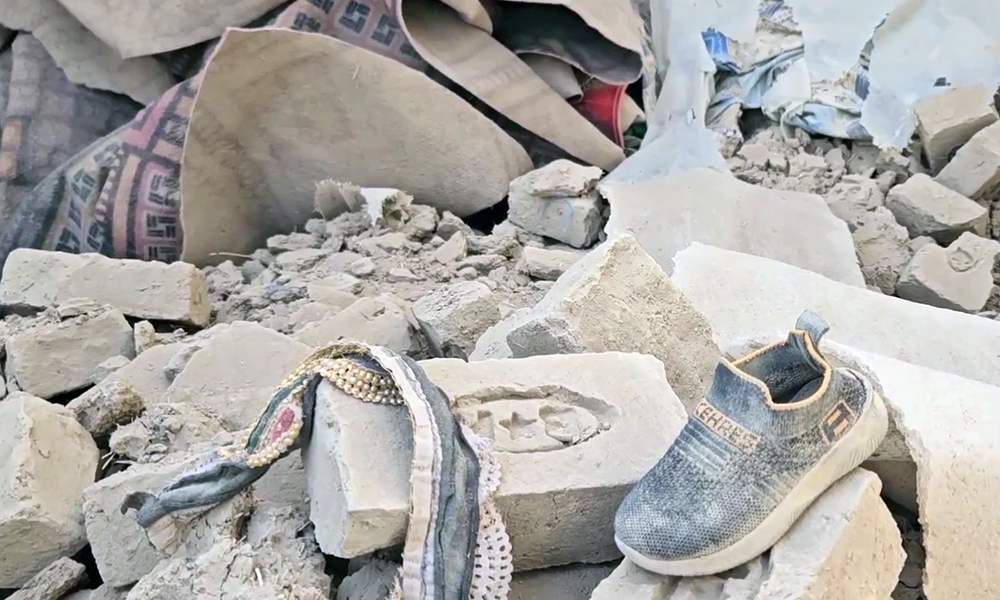
Four members of a family were killed and seven others wounded in an airstrike in Safar area of Garmser district in southern Afghanistan’s Helmand province, according to local reports.
The family, originally from Ghazni province, reportedly operated a small restaurant in the area.
The bodies of those killed and the wounded were transported by helicopter to Ghazni province for burial and medical treatment, according to the reports.
Latest News
UNAMA acting chief visits Islam Qala border to assess support for returnees
UN launched a $529 million response plan aimed at assisting around 2.7 million Afghans expected to return from Iran and Pakistan between April and December 2026.
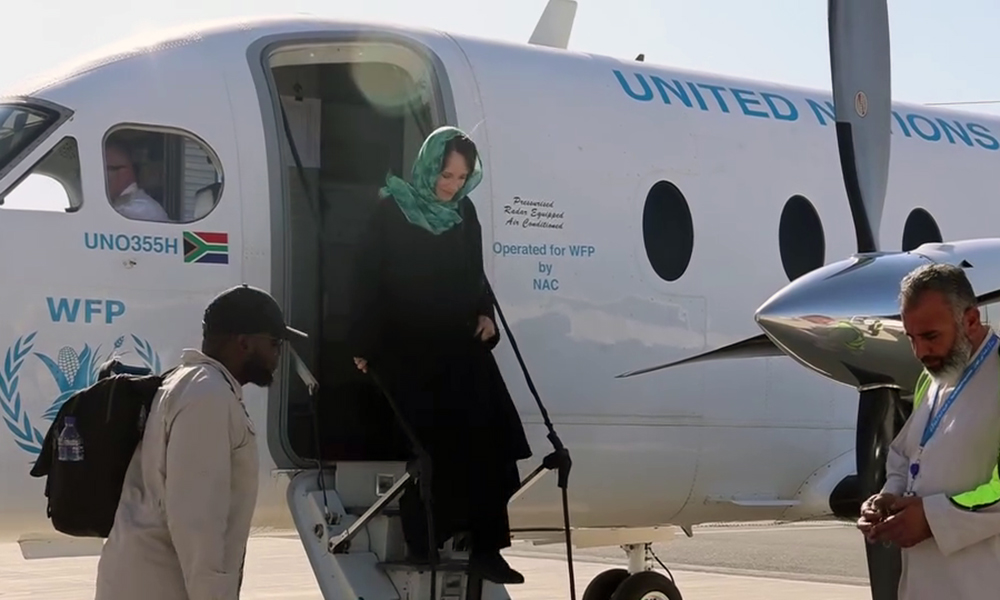
Georgette Gagnon, UNAMA’s acting head, visited western Afghanistan, including the Islam Qala border crossing, to see firsthand UN efforts to support millions of Afghans returning from neighboring Iran and Pakistan.
Earlier this year, the UN launched a $529 million response plan aimed at assisting around 2.7 million Afghans expected to return from Iran and Pakistan between April and December 2026.
Latest News
Trump: Unlike Afghanistan, US took all equipment from Iraq
Trump said the withdrawal from Iraq marked the end of what he described as a costly military involvement, adding that he had set a clear mission and instructed commanders to complete it without allowing the US presence to become permanent.
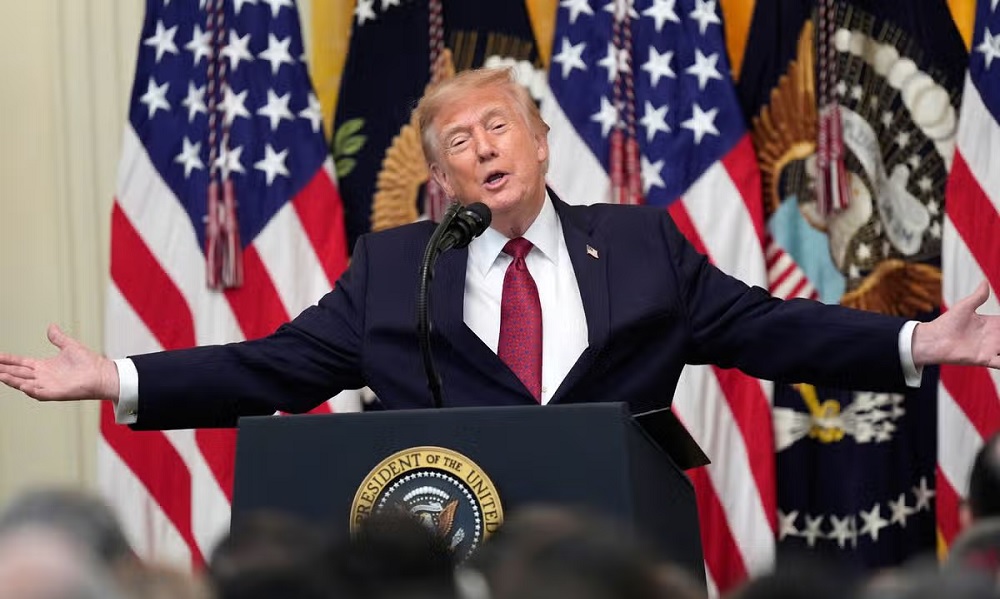
US President Donald Trump on Wednesday compared the withdrawal of US forces from Iraq with the 2021 US withdrawal from Afghanistan, saying military equipment had been left behind in Afghanistan, while US forces leaving Iraq took their equipment with them.
Speaking at a White House event, Trump referred to the final departure of US-led coalition forces and equipment from Erbil Air Base in northern Iraq, which marked the end of the US military mission against Daesh in Iraq.
“I said, take a little longer. Take everyone. We left all of the equipment, if you remember, in Afghanistan. Everything was left behind,” Trump said.
“I said, ‘I want every screw taken. If there’s a screw lying on the ground, take it. If we have a canvas tent, take it.’ We took everything,” he added.
He also mentioned the August 2021 attack at Kabul airport that killed 13 US soldiers.
Trump said he had become acquainted with the families of the US service members killed in the attack and also highlighted those who were seriously wounded.
“What happened to those—to their children should never have been allowed to happen,” he said, adding that 48 wounded service members were severely injured and “never get mentioned.”
Trump said the withdrawal from Iraq marked the end of what he described as a costly military involvement, adding that he had set a clear mission and instructed commanders to complete it without allowing the US presence to become permanent.
The US military announced on Wednesday that its forces and equipment had completed an orderly departure from Erbil Air Base, formally ending Operation Inherent Resolve in Iraq. The US-led mission began in 2014 to fight Daesh after the group seized large areas of Iraq and Syria. The US is continuing its counter-Daesh mission in Syria from a headquarters in Jordan.
Trump said the US had entered Iraq to fight the Islamic State and that the group no longer controlled a territorial “caliphate.”
“We came to fight a caliphate, and there is no longer a caliphate, so we are going home indeed,” he said.


Four members of one family killed in Helmand in Pakistan airstrike

UNAMA acting chief visits Islam Qala border to assess support for returnees

Rashid Khan, Azmatullah Omarzai maintain top spots in ICC ODI rankings

Trump: Unlike Afghanistan, US took all equipment from Iraq

Afghanistan, Belarus discuss expanding industrial and trade cooperation

Saudi energy group signs major Afghanistan deals covering gas exploration and pipeline plans

Iranian clubs to face Gulf opponents at neutral venues in Asian Champions League Elite

Khalilzad: Afghanistan ready to attract major investment

Ariana Television Network secures exclusive rights to Afghanistan’s 2026/27 cricket series

El Niño likely to intensify, may become strongest ever recorded, WMO says

Tahawol: Improvement in Afghanistan-China relations discussed

Saar: Expanding ties with regional and global countries discussed

Tahawol: Absence of Afghanistan’s envoy at UNGA discussed

Saar: Assessment of war between Afghanistan and US discussed

Saar: Afghanistan’s image at UNGA
-

 Sport4 days ago
Afghan bodybuilder Ali Bilal finishes runner-up at Mr Olympia for third straight year
-
 Latest News4 days ago
Afghanistan says 28 killed, 32 captured in Nuristan operation
-
 World4 days ago
Trump rejects Iranian proposal to open Hormuz and end fighting
-

 Sport5 days ago
Afghanistan Champions League: Omar Zawak Herat beat Toofan Herat 1-0
-
 Latest News4 days ago
UNDP, UN Women launch financing initiative for Afghan women entrepreneurs
-

 Sport3 days ago
Afghanistan vs India Asian Games quarter-final abandoned without a toss
-
 Latest News4 days ago
Germany reports 488 Afghans for possible deportation, 267 have no criminal convictions
-

 Regional4 days ago
Aimal Wali Khan calls Dera Ismail Khan attack a ‘state failure’