
Climate Change
Death toll from Texas floods reaches 78; Trump plans visit
President Donald Trump sent his condolences to the victims and said he would probably visit the area on Friday. His administration had been in touch with Abbott, he added.


The death toll from catastrophic floods in Texas reached at least 78 on Sunday, including 28 children, as the search for girls missing from a summer camp continued and fears of more flooding prompted evacuations of volunteer responders, Reuters reported.
Larry Leitha, sheriff of Kerr County in Texas Hill Country, said 68 people had died in flooding in his county, the epicenter of the flooding, among them 28 children. Texas Governor Greg Abbott, speaking at a press conference on Sunday afternoon, said another 10 had died elsewhere in Texas and confirmed 41 were missing.
President Donald Trump sent his condolences to the victims and said he would probably visit the area on Friday. His administration had been in touch with Abbott, he added.
“It’s a horrible thing that took place, absolutely horrible. So we say, God bless all of the people that have gone through so much, and God bless, God bless the state of Texas,” he told reporters as he left New Jersey.
Among the most devastating impacts of the flooding occurred at Camp Mystic summer camp, a nearly century-old Christian girls camp where 10 Camp Mystic campers and one counselor were still missing, according to Leitha.
“It was nothing short of horrific to see what those young children went through,” said Abbott, who noted he toured the area on Saturday and pledged to continue efforts to locate the missing.
The flooding occurred after the nearby Guadalupe River broke its banks after torrential rain fell in the central Texas area on Friday, the U.S. Independence Day holiday.
Texas Division of Emergency Management Chief Nim Kidd said the destruction killed three people in Burnet County, one in Tom Green County, five in Travis County and one in Williamson County.
“You will see the death toll rise today and tomorrow,” said Freeman Martin, director of the Texas Department of Public Safety, also speaking on Sunday.
Officials said on Saturday that more than 850 people had been rescued, including some clinging to trees, after a sudden storm dumped up to 15 inches (38 cm) of rain across the region, about 85 miles (140 km) northwest of San Antonio, read the report.
Kidd said he was receiving unconfirmed reports of “an additional wall of water” flowing down some of the creeks in the Guadalupe Rivershed, as rain continued to fall on soil in the region already saturated from Friday’s rains.
“We’re evacuating parts of the river right now because we are worried about another wall of river coming down in those areas,” he said, referencing volunteers from outside the area seeking to help locate victims.
The Federal Emergency Management Agency was activated on Sunday and is deploying resources to first responders in Texas after Trump issued a major disaster declaration, the Department of Homeland Security said. U.S. Coast Guard helicopters and planes were aiding search and rescue efforts.
Trump has previously outlined plans to scale back the federal government’s role in responding to natural disasters, leaving states to shoulder more of the burden themselves.
Some experts questioned whether cuts to the federal workforce by the Trump administration, including to the agency that oversees the National Weather Service, led to a failure by officials to accurately predict the severity of the floods and issue appropriate warnings ahead of the storm, Reuters reported.
Trump’s administration has overseen thousands of job cuts from the National Weather Service’s parent agency, the National Oceanic and Atmospheric Administration, leaving many weather offices understaffed, former NOAA director Rick Spinrad said.
Spinrad said he did not know if those staff cuts factored into the lack of advance warning for the extreme Texas flooding, but that they would inevitably degrade the agency’s ability to deliver accurate and timely forecasts.
Trump pushed back when asked on Sunday if federal government cuts hobbled the disaster response or left key job vacancies at the National Weather Service under Trump’s oversight.
“That water situation, that all is, and that was really the Biden setup,” he said referencing his Democratic predecessor Joe Biden. “But I wouldn’t blame Biden for it, either. I would just say this is 100-year catastrophe.”
He declined to answer a question about FEMA, saying only “They’re busy working, so we’ll leave it at that,” Trump said.
Homeland Security Secretary Kristi Noem, who oversees FEMA and NOAA, said a “moderate” flood watch issued on Thursday by the National Weather Service had not accurately predicted the extreme rainfall and said the Trump administration was working to upgrade the system.
Joaquin Castro, a Democratic U.S. congressman from Texas, told CNN’s “State of the Union” program that fewer personnel at the weather service could be dangerous.
“When you have flash flooding, there’s a risk that if you don’t have the personnel … to do that analysis, do the predictions in the best way, it could lead to tragedy,” Castro said.
Katharine Somerville, a counselor on the Cypress Lake side of Camp Mystic, on higher ground than the Guadalupe River side, said her 13-year-old campers were scared as their cabins sustained damage and lost power in the middle of the night.
“Our cabins at the tippity top of hills were completely flooded with water. I mean, y’all have seen the complete devastation, we never even imagined that this could happen,” Somerville said in an interview on Fox News on Sunday.
Somerville said the campers in her care were put on military trucks and evacuated, and that all were safe.
The disaster unfolded rapidly on Friday morning as heavier-than-forecast rain drove river waters rapidly to as high as 29 feet (9 meters).
A day after the disaster struck, the summer camp, where 700 girls were in residence at the time of the flooding, was a scene of devastation. Inside one cabin, mud lines indicating how high the water had risen were at least six feet (1.83 m) from the floor. Bed frames, mattresses and personal belongings caked with mud were scattered inside. Some buildings had broken windows, one had a missing wall.







Climate Change
Afghanistan on climate front line as Kabul faces groundwater warning
Participants also highlighted growing pressure on already limited water and other community resources following the return of large numbers of Afghan migrants.
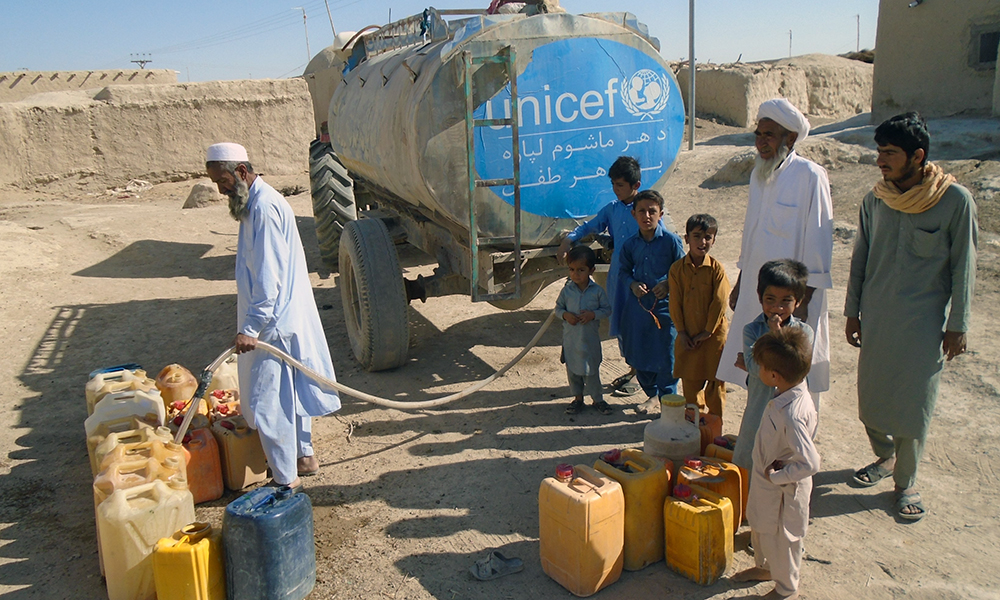
Afghanistan is among the countries most vulnerable to climate change despite contributing less than 0.1 percent of global greenhouse gas emissions, UN officials and experts said at a meeting on the sidelines of the United Nations General Assembly in New York.
The meeting, titled “Afghanistan on the Front Line of Climate and Migration Pressures,” brought together UN representatives, experts and Afghan activists to discuss the country’s worsening water crisis, drought, floods, displacement and the impact of climate change.
Selwin Hart, Adviser to the UN Secretary-General on Climate Action, said Afghanistan faces severe climate vulnerability, environmental degradation, economic fragility and limited institutional capacity.
“Afghanistan accounts for less than 0.1 percent of global greenhouse gas emissions, but faces severe climate vulnerability, environmental degradation, economic fragility and limited institutional capacity,” Hart said.
He said drought had severely affected Afghan communities for four consecutive years between 2021 and 2024, while flash floods this spring affected more than 73,000 people.
Participants also highlighted growing pressure on already limited water and other community resources following the return of large numbers of Afghan migrants.
Najibullah Sadid, a water resources and climate change expert, warned that Kabul could become the first capital in the world to face severe groundwater shortages by 2030.
Kabul’s groundwater resources have been declining amid growing demand, with the city’s population estimated at around seven million. Experts have warned that continued overuse and reduced water availability could put the capital under severe water stress in the coming years.
Switzerland’s representative to the United Nations said his country supports Afghanistan’s efforts to address climate change and water security and is working through various channels to strengthen capacity in these areas.
He said Switzerland supports initiatives including the UN Regional Centre for Preventive Diplomacy in Central Asia and the Global Network of Women in Water Diplomacy, as well as the network’s activities in Central Asia and Afghanistan.
Participants called for Afghanistan’s climate crisis to be addressed through greater international cooperation and responsibility. They also urged improved access for Afghanistan and local institutions to financial resources for climate adaptation and compensation for climate-related losses.
Climate Change
El Niño likely to intensify, may become strongest ever recorded, WMO says
A very strong El Niño can significantly shift rainfall and temperature patterns worldwide, and fuel extreme weather, like typhoons.
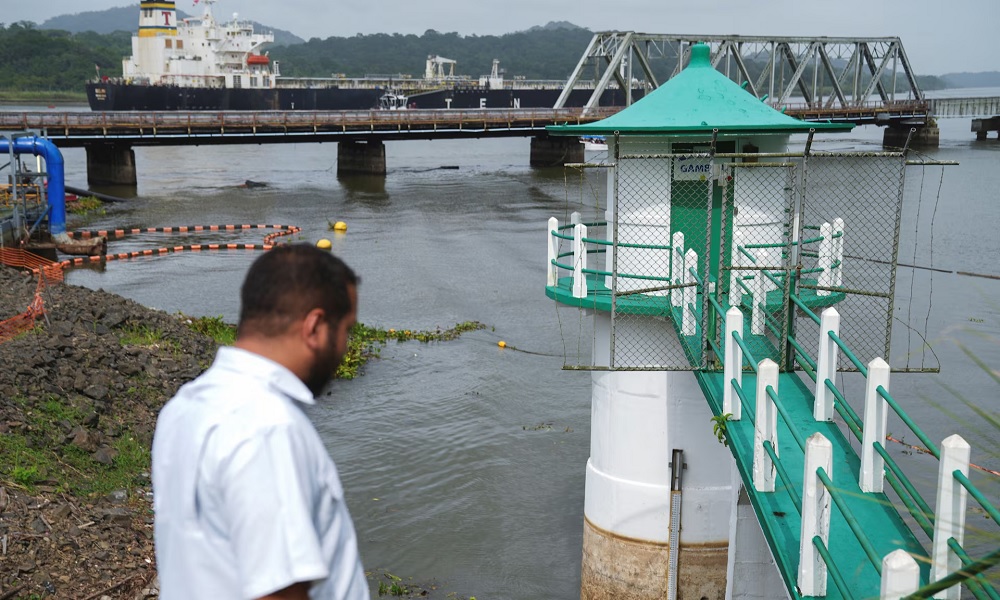
The El Niño weather phenomenon is set to intensify further into 2027 and could be the strongest ever, raising risks of extreme weather into next year, the World Meteorological Organization said on Thursday.
“If this trajectory continues, it may be stronger than anything since our monitoring began. So literally off the charts we have used for the past four decades,” WMO Secretary-General Celeste Saulo told a Geneva press conference, Reuters reported.
The U.N. weather agency said its forecasts showed a near 100% likelihood that El Niño will persist through February 2027, fuelled by exceptionally warm Pacific Ocean temperatures. This is the first time it has expressed such a degree of certainty, the WMO said.
A very strong El Niño can significantly shift rainfall and temperature patterns worldwide, and fuel extreme weather, like typhoons.
“El Niño is being supersized before our eyes. The science leaves no room for doubt: The planet is in uncharted waters, and those waters are heating up,” said United Nations Secretary-General Antonio Guterres.
El Niño is a periodic warming of sea surface temperatures in the eastern Pacific caused by weakening trade winds. It occurs naturally every two to seven years and tends to last up to 12 months, causing intense rains and droughts across Latin America.
This year’s phenomenon has already had an impact on soft commodities in tropical areas, causing a severe food crisis across Central America’s Dry Corridor.
It is set to peak towards the end of this year, the WMO said in a statement. But its effects will continue into 2027 and are set to leave higher global temperatures next year in its wake, Saulo said.
Saulo said the WMO was stepping up preparedness and early warning efforts in preparation.
“WMO is committed to working closely with partners across the United Nations and humanitarian system to provide the climate intelligence and insights needed to support disaster management and climate-sensitive sectors like agriculture, health, energy and water resources,” she said.
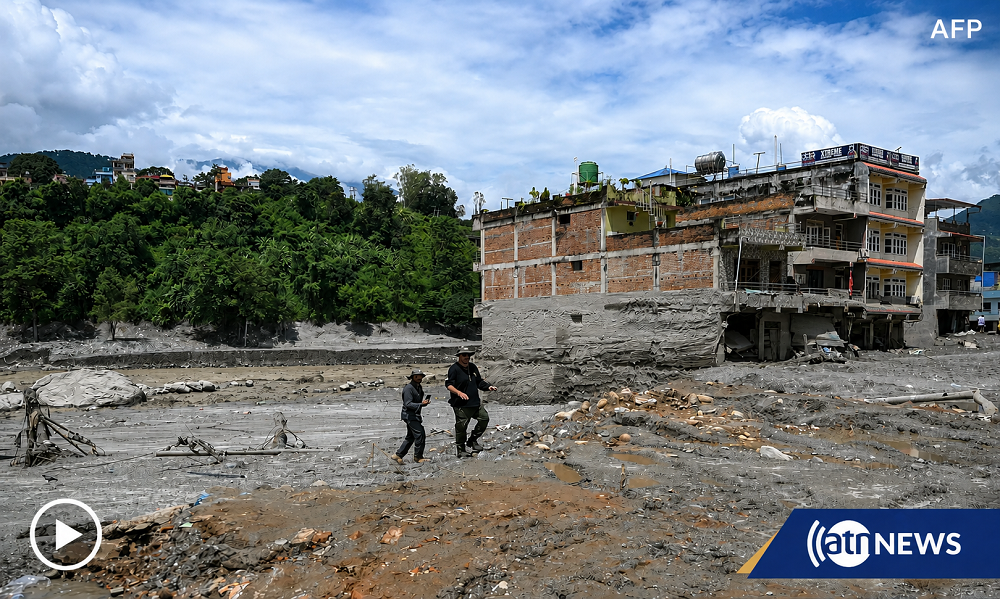
Nepal’s search, rescue and recovery operation has entered a critical phase after devastating flash floods swept through communities along the Bhotekoshi and Trishuli river systems, leaving hundreds dead and thousands of people still unaccounted for.
The latest figures put the death toll at 734, with 2,498 people still missing. More than 8,000 people have been rescued or evacuated, including foreign nationals.
The disaster struck on August 26 when a massive surge of water and debris tore through communities in northern and central Nepal. The precise cause remains under investigation, although the catastrophe has been linked to a glacier collapse or ice-and-rock avalanche in the Himalayan region.
Rescue teams race to reach trapped workers
Among the most urgent rescue operations is the search for workers believed to be trapped inside hydropower tunnels along the Trishuli corridor.
Authorities say 933 hydropower workers are among those reported missing. At the Trishuli 3A hydropower project, rescuers have inserted a pipe into a tunnel and begun pumping air inside as teams work to reach people who may still be alive.
Specialist teams from neighbouring India and China are assisting with the difficult tunnel operations. Access remains extremely challenging, with roads and bridges destroyed, tunnel entrances buried and sections of infrastructure cut off by mud and floodwater.
Helicopters remain vital
With large sections of the affected region inaccessible by road, helicopters have become a crucial part of the rescue effort.
Military and other rescue aircraft are being used to evacuate survivors, transport food and medical supplies and reach communities cut off by the destruction. Poor weather, mountainous terrain and rising river levels, however, continue to hamper operations.
Authorities have also warned residents to remain vigilant as water levels rise in some rivers and new landslides create additional risks.
Search turns to recovery
As hopes of finding survivors continue, rescue teams are also facing the grim task of recovering and identifying victims.
Hundreds of bodies and human remains have been recovered from flood-affected districts, with some carried considerable distances downstream. The scale of the disaster has placed enormous pressure on local identification facilities, while additional forensic and DNA-testing support is being sought.
Families of missing people have gathered at hospitals, rescue centres and military bases, searching lists of survivors and recovered victims for information about relatives who remain unaccounted for.
International assistance grows
International support is also arriving as Nepal begins the enormous task of providing emergency assistance and planning for reconstruction.
India has deployed specialist rescue personnel and relief supplies, while China is assisting with tunnel rescue operations. Other countries and international organisations are also providing humanitarian assistance and specialist equipment.
The destruction of roads, bridges, homes, power infrastructure and hydropower facilities is expected to create a major long-term reconstruction challenge.
A race against time
For rescuers, the immediate priority remains finding those who may still be alive beneath collapsed structures and inside flooded tunnels.
For families, the operation is becoming a desperate search for answers.
Across the devastated river valleys, rescue workers continue digging through mud and debris while helicopters move between isolated communities. But with thousands still missing and the threat of further flooding and landslides, authorities face a race against time to locate survivors and recover those who did not make it.


Muttaqi, Russian deputy PM discuss expanding economic ties

Russia investigates suspected pneumonic plague; Trump ready to ‘help’

▶️Saudi Arabia, Turkey, Pakistan activate Mecca defense pact

Thirty US states seek access to Afghan assets for 9/11 victims

Yemeni government forces seize strategic strait from Houthis

Saudi energy group signs major Afghanistan deals covering gas exploration and pipeline plans

Khalilzad: Afghanistan ready to attract major investment

UAE firm eyes investment in Salang’s second tunnel and pharmaceutical factories

US envoys make first Kyiv visit amid Ukraine war peace push

US Treasury ratchets up pressure on Iran with sweeping new aviation sanctions

Tahawol: Afghanistan-Iran: shared opportunities and challenges discussed

Saar: Pakistan’s hostile policy toward Afghanistan discussed

Tahawol: Doha process seeks new cooperation opportunities

Saar: Moscow forum 8th consultative meeting on Afghanistan

Tahawol: Escalation of internal political crisis in Pakistan discussed
-

 Sport4 days ago
ACB announces Afghanistan squads for Bangladesh, Zimbabwe series
-

 Sport1 day ago
Cricket Bonanza: Afghanistan set for packed international schedule
-

 Latest News4 days ago
Russia expects to ease Afghanistan-Pakistan tensions at Moscow Format meeting
-

 International Sports4 days ago
Afghanistan to face Pakistan, India and Australia at 2027 Cricket World Cup
-
 Regional4 days ago
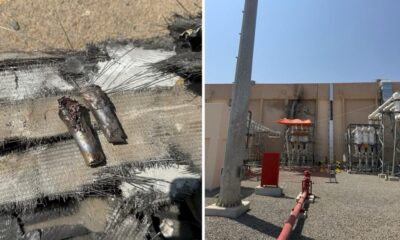
Saudi-led coalition says Houthis attacked power station for Prophet’s Mosque in Medina
-

 Regional4 days ago
Cargo stacks up as Pakistan seizes containers to block capital routes
-

 Latest News3 days ago
Kazakhstan, Uzbekistan and UAE sign MoU on CASA railway project via Afghanistan
-

 Regional3 days ago
Pakistan says Mecca pact members to hold emergency talks on engaging Houthis