
Latest News
End of US protected status for Afghans sparks fears of deportation
The situation has been compounded by reports that US State Department has disbanded key coordination offices involved in the resettlement and integration of Afghan refugees.

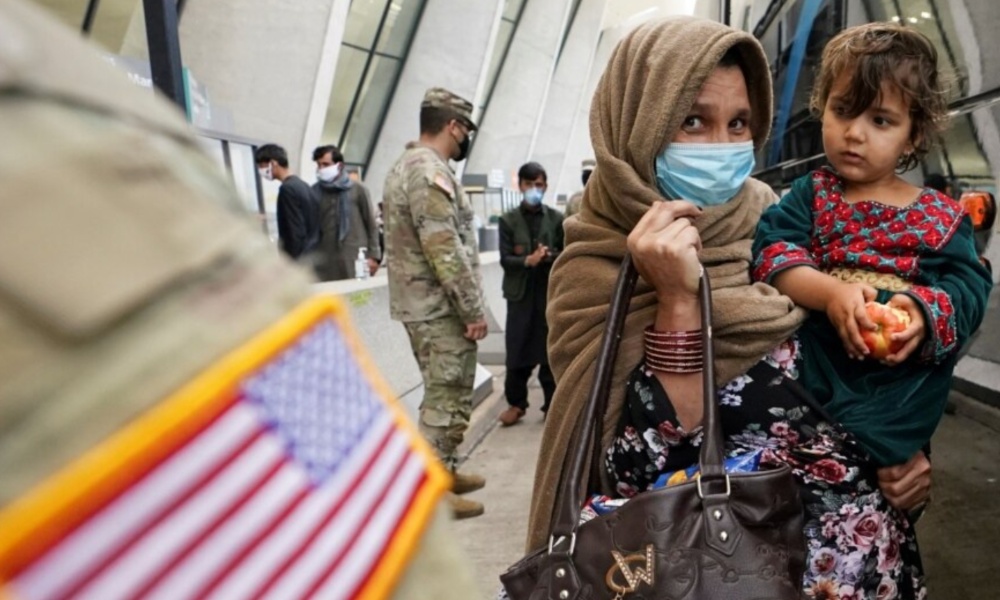
The expiration of Temporary Protected Status (TPS) for Afghan nationals in the United States on July 14 has triggered alarm among advocacy groups, legal experts, and Afghan community leaders, as thousands now face uncertainty over their legal status, employment rights, and potential deportation.
A recent decision by a U.S. federal court in Maryland rejected a petition to extend TPS protections for Afghans, a move that has left roughly 11,700 Afghan nationals—many of whom arrived following the fall of Kabul in 2021—at risk of losing the limited legal safeguards that allowed them to live and work in the country.
The situation has been compounded by reports that the U.S. Department of State has disbanded key coordination offices involved in the resettlement and integration of Afghan refugees. Sean VanDiver, founder of AfghanEvac, a volunteer network supporting Afghan evacuees, criticized the rollback of protections, warning of broader moral and legal implications.
“Immigration channels for Afghans are no longer functioning as they once did,” VanDiver said. “This is not merely a political decision—it’s a moral collapse.”
Human Rights Watch also condemned the expiration of TPS, cautioning that many Afghan families could face devastating consequences, including forced separation from U.S.-born children, homelessness, and serious psychological and security risks if deported. The group has urged the Biden administration to immediately reinstate and expand protected status for Afghan nationals.
Advocates argue that terminating TPS without viable alternative pathways, such as permanent residency or humanitarian parole extensions, undermines the United States’ responsibility to those who fled Taliban rule under U.S. protection. Many TPS holders are former interpreters, U.S. government allies, or individuals at risk of persecution in Afghanistan.
Legal experts warn that without swift executive or congressional intervention, thousands of Afghans who rebuilt their lives in the U.S. could now face removal proceedings and loss of livelihoods.
“This is a test of whether the U.S. honors its promises—not just in wartime, but in its aftermath,” said one immigration attorney involved in Afghan refugee cases.
As the deadline approaches, pressure is mounting on the White House and Congress to offer a long-term solution that reflects the scale of America’s engagement in Afghanistan and its lasting impact on Afghan civilians.



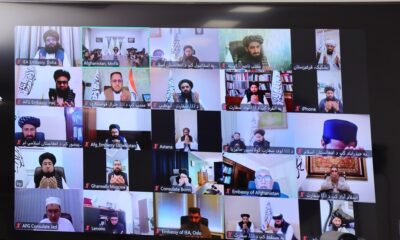

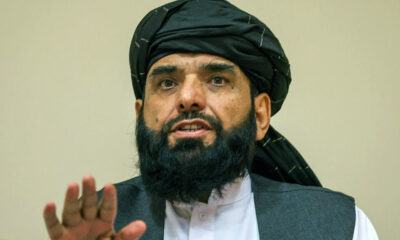


The spokesperson of the Islamic Emirate of Afghanistan Zabiullah Mujahid announced on Wednesday that the security and defense forces of the Islamic Emirate will temporarily halt the “Rad al-Zulm” defensive operation on the occasion of Eid al-Fitr and also at the request of Saudi Arabia, Turkey, and Qatar.
Zabiullah Mujahid said in a post on X: “The Islamic Emirate, while appreciating the goodwill of friendly and mediating countries, emphasizes that maintaining Afghanistan’s national security, territorial integrity, and the safety of Afghan lives is its national and religious duty, and it will bravely respond to any aggression in case of a threat.”
Meanwhile, Ataullah Tarar, Pakistan’s Minister of Information and Broadcasting, also announced that Pakistan has temporarily suspended its attacks on Afghanistan for Eid al-Fitr at the request of Saudi Arabia, Qatar, and Turkey.
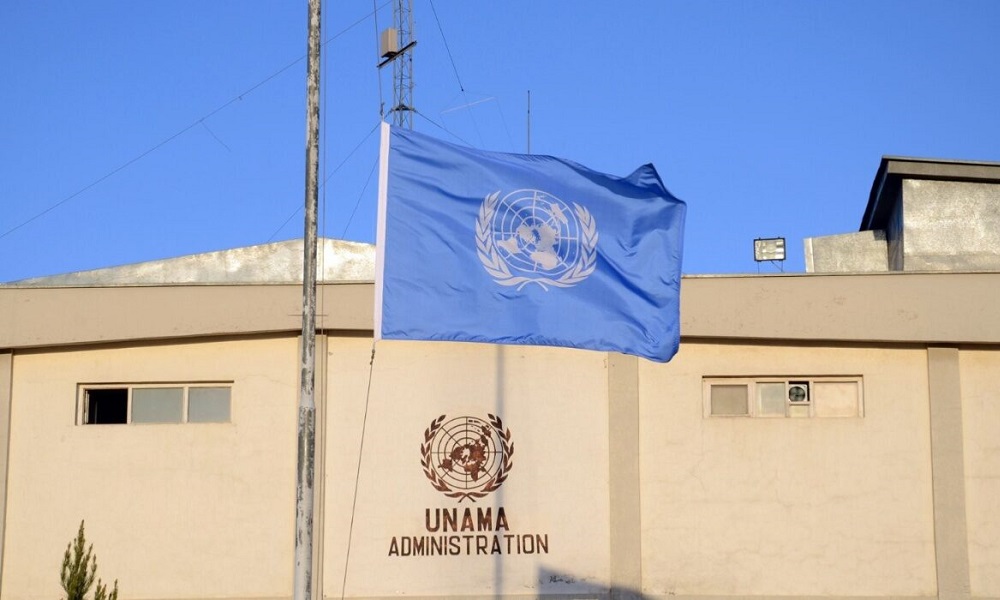
A UN official told Reuters on Wednesday that the United Nations Assistance Mission in Afghanistan (UNAMA) estimated the number of victims of the bombing of Kabul’s Omid hospital by Pakistan at 143 dead.
However, health officials in Afghanistan had earlier reported that the attack killed more than 400 people and injured 265.
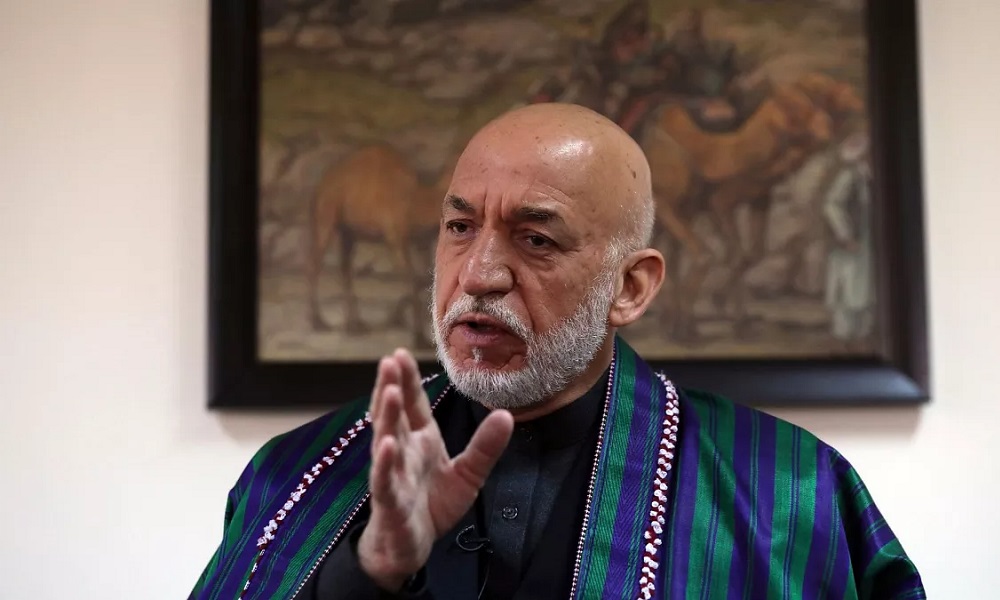
Former Afghan president Hamid Karzai has accused Pakistan of trying to create “anarchy and weakness” in Afghanistan, following a deadly airstrike on Kabul.
In an interview with UK’s Sky News, Karzai said Islamabad’s policies were aimed at keeping Afghanistan unstable and “downtrodden,” warning that such an approach would harm both countries.
He condemned the recent strike on a drug rehabilitation hospital in Kabul, which Afghan officials say killed around 400 people, describing it as an “extremely unfortunate event” in the history of relations between the two neighbours.
Karzai said he personally heard the explosion, describing a “horrific sound” that shook his home and filled the surrounding area with smoke and dust.
The former leader, who governed Afghanistan from 2002 to 2014, said tensions between the two countries are longstanding, claiming Pakistan has struggled to maintain stable relations with successive Afghan governments.
He urged Pakistani leaders to change course and pursue a more constructive relationship, saying past strategies of interference and destabilisation had failed and would not succeed in the future.
Fighting between the two countries has intensified since late February, when Pakistan launched airstrikes it says targeted militant infrastructure. The United Nations estimates the violence has displaced more than 100,000 people.
Pakistan has denied targeting civilians, insisting its operations were aimed at militant sites and accusing Kabul of spreading “misleading” claims to deflect from alleged cross-Durand Line threats.


Tahawol: Global reactions to Pakistan’s recent attacks discussed

IEA announces temporary pause in defensive operations against Pakistan for Eid

Saar: Consequences of Pakistani airstrikes on Afghans discussed

UNAMA puts death toll from Pakistan’s attack on Kabul’s Omid Hospital at 143

Karzai accuses Pakistan of seeking to destabilise Afghanistan after Kabul strike

Pakistani military jet downed in Afghanistan’s Jalalabad, pilot captured alive

Afghan Air Force conducts airstrikes in Islamabad, other cities

IEA releases three Pakistani soldiers to mark Ramadan

Afghanistan’s Chief of Armed Forces underscores readiness and equipment for national defense

Afghanistan welcomes investment and technology partnerships with India
Tahawol: Global reactions to Pakistan’s recent attacks discussed
Saar: Consequences of Pakistani airstrikes on Afghans discussed

Tahawol: Pakistan’s new attacks on Kabul hospital discussed

Saar: Pakistani military’s airstrike on Kabul hospital discussed

Tahawol: China’s efforts for Afghanistan-Pakistan talks
-
 Latest News2 days ago
IEA Supreme Leader issues Eid-ul-Fitr message urging unity and support for Islamic system
-
 Latest News4 days ago
14 Pakistani soldiers killed after military post falls along Durand line: MoD
-
 Latest News3 days ago
Regional criticism grows amid Pakistan strikes inside Afghanistan
-
 Latest News3 days ago
Afghan airstrike targets a military camp in South Waziristan
-

 Business2 days ago
Turkmenistan, Afghanistan discuss steps to speed up land acquisition for TAPI pipeline
-
 World5 days ago
White House AI czar says US should ‘declare victory and get out’ of Iran war
-

 Sport3 days ago
IPL 2026 kicks off in under two weeks; Afghan players set to shine
-

 Business4 days ago
Afghanistan expands exports through Lapis Lazuli Corridor