
Latest News
Former Iranian diplomat dispels rumors of Afghan migrants collaborating with enemy

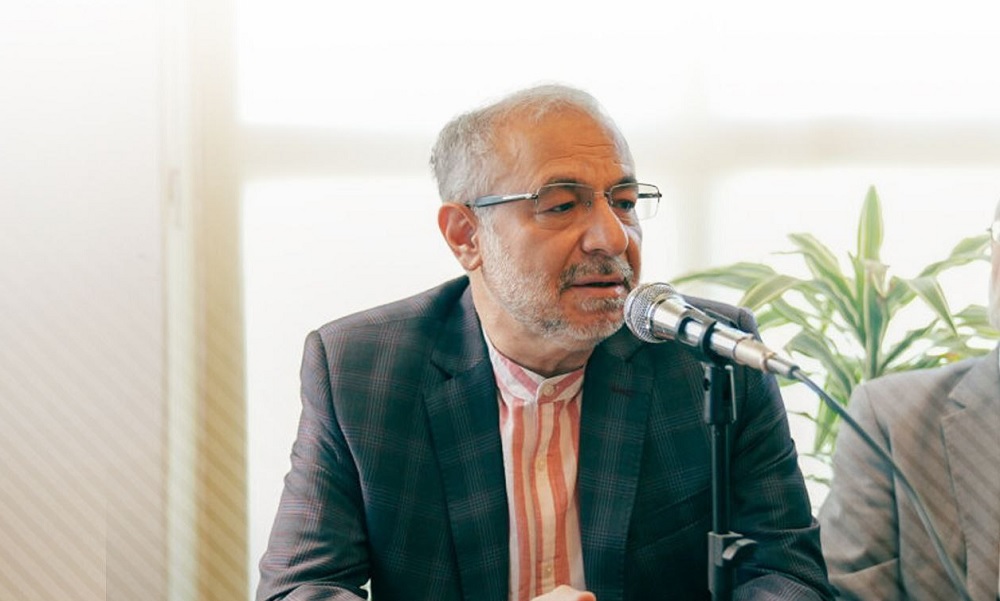
Former Iranian diplomat Rasoul Mousavi, who previously served as Director General for South Asian Affairs at Iran’s Ministry of Foreign Affairs, has stressed that Afghan migrants in Iran should not be equated with foreign spies.
His comments were published in an interview with a local media outlet and come amid growing tensions related to Afghan refugees in the country.
“Afghan migrants are not aligned with enemy intelligence agents,” Mousavi stated, urging Iranian authorities to address migration issues with patience and respect for human dignity.
His remarks follow recent developments during the 12-day conflict between Iran and Israel, during which several Afghan migrants were reportedly detained by Iranian authorities on allegations of espionage and collaboration with Israel.
Iranian state media also aired videos of two Afghan nationals allegedly confessing to working with Israeli intelligence services.
In the days following the ceasefire between Iran and Israel, Iran has seen an unusual spike in the deportation of Afghan migrants.
Drawing on his extensive experience with Afghan affairs, Mousavi stated: “As someone who has worked for years on Afghanistan and is well acquainted with the Afghan people, I can confidently say their hatred toward Israeli spies and hostile intelligence agencies is no less than our own—perhaps even greater.”
He called on Iranian officials to distinguish between unauthorized migrants and those genuinely involved in hostile intelligence activities.
“Handling espionage cases must be separated from the broader issue of undocumented Afghan nationals,” he added.
Mousavi’s appeal for a more humane and measured approach adds to growing domestic and international calls for Iran to ensure fair treatment of Afghan refugees.






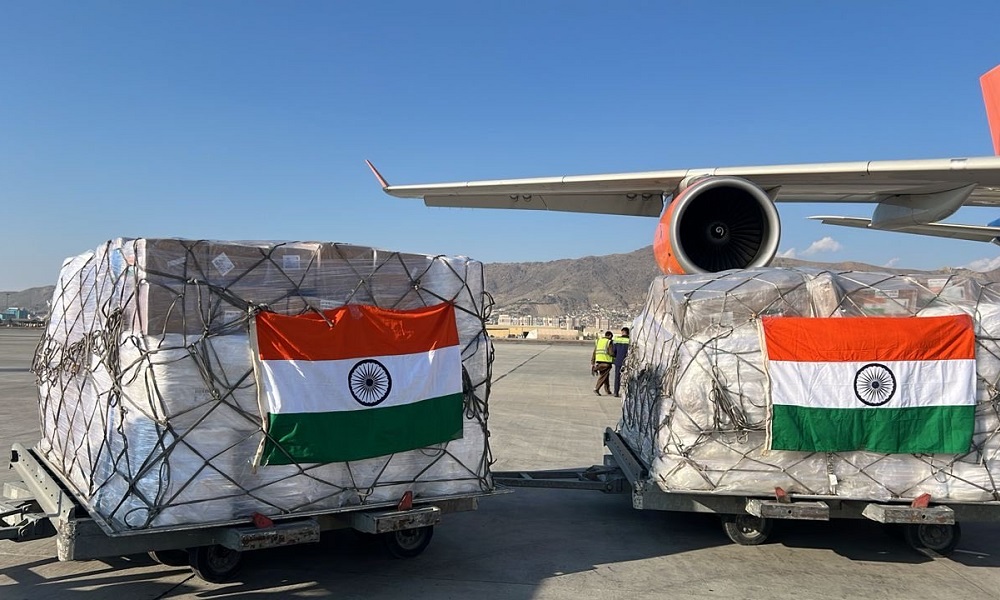
Randhir Jaiswal, spokesperson for India’s Ministry of External Affairs, announced on Friday that a 2.5-ton consignment, including emergency medicines, medical disposables, kits, and equipment has been delivered to Kabul.
According to him, the aid shipment is intended to support the swift recovery of those injured in the recent airstrike by Pakistan’s military regime.
He emphasized that India stands with the people of Afghanistan and will continue to provide all possible humanitarian assistance.
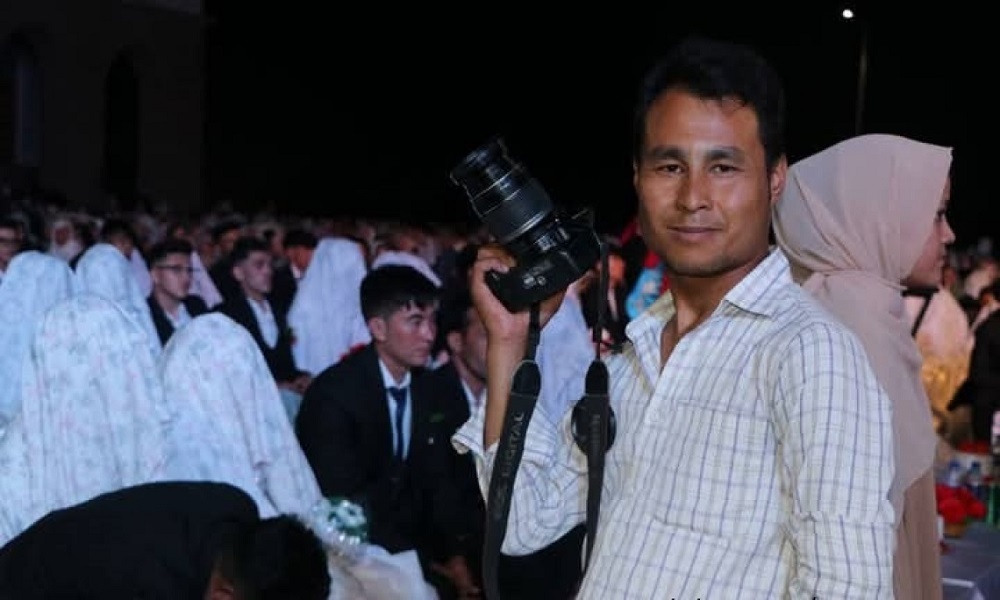
The Afghanistan Journalists Center (AFJC) has announced that Mahdi Ansary, a reporter for the Afghan News Agency (AFKA), has been released after serving one and a half years in Bagram prison.
In a statement welcoming his release, AFJC emphasized that the fundamental rights of this journalist—who had been tried and imprisoned on charges of cooperating with exiled and foreign media—were “seriously” violated.
Ansari was arrested on October 5, 2023, after returning from his workplace in Kabul.
He was sentenced on January 1, 2024 by the Kabul Primary Court to one and a half years in prison on charges of “propaganda against the Islamic Emirate.”
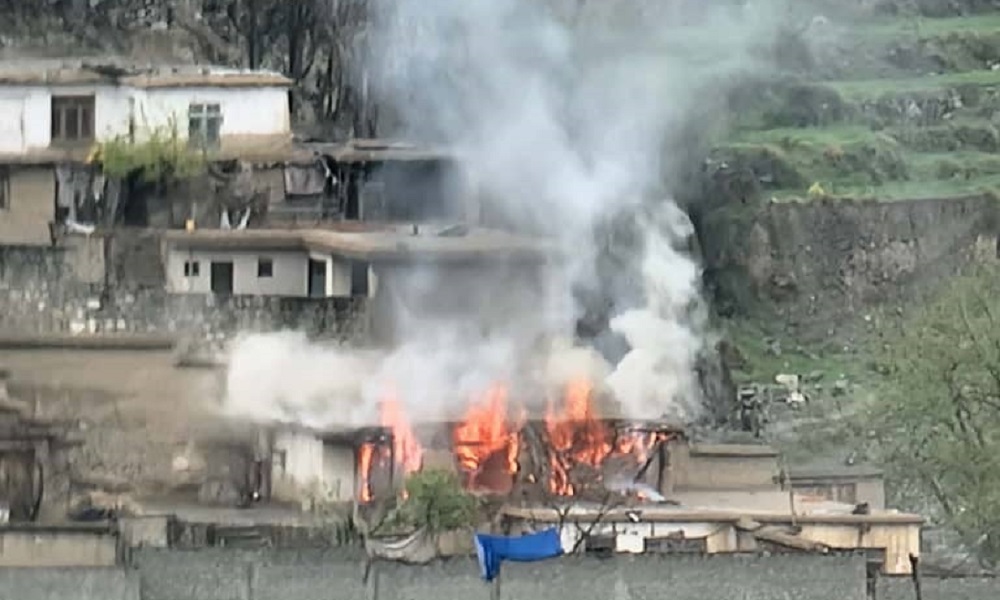
Farid Dehqan, spokesperson for the Khas Kunar police command, said that rocket attacks by the Pakistani military regime are still ongoing in the province.
These attacks come despite earlier announcements by the Pakistani military of a temporary ceasefire for Eid.


Tawsia: Assessment of Afghanistan’s economic activities in 1404

India sends 2.5-ton medical shipment to Afghanistan

Trump compares Iran strikes to Pearl Harbor in meeting with Japan’s leader

Afghanistan national buzkashi falls short in Kokpar World Championship semifinals

Mahdi Ansary, local journalist, released from prison

Pakistani military jet downed in Afghanistan’s Jalalabad, pilot captured alive

Afghan Air Force conducts airstrikes in Islamabad, other cities

Afghanistan welcomes investment and technology partnerships with India

Prominent Muslim scholar issues fatwa calling for Afghanistan-Pakistan ceasefire

Afghan air force strikes key Pakistani military installations in retaliatory operation
Tawsia: Assessment of Afghanistan’s economic activities in 1404

Tahawol: Temporary ceasefire draws broad support

Saar: Emphasis on resolving conflicts through diplomacy

Tahawol: Global reactions to Pakistan’s recent attacks discussed

Saar: Consequences of Pakistani airstrikes on Afghans discussed
-
 Latest News4 days ago
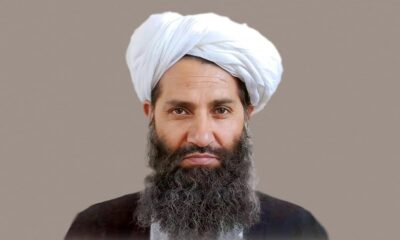
IEA Supreme Leader issues Eid-ul-Fitr message urging unity and support for Islamic system
-

 Business4 days ago
Turkmenistan, Afghanistan discuss steps to speed up land acquisition for TAPI pipeline
-
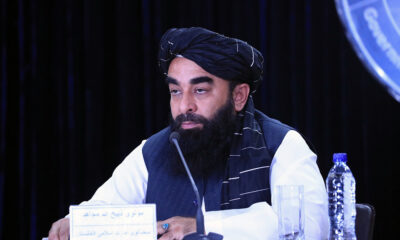
 Latest News2 days ago
IEA announces temporary pause in defensive operations against Pakistan for Eid
-
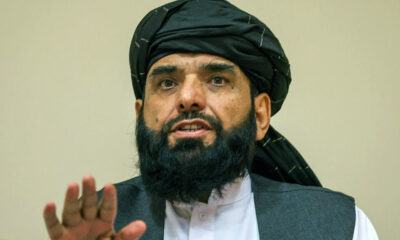
 Latest News2 days ago
Pakistan opposes normal Afghanistan–India relations: Shaheen
-
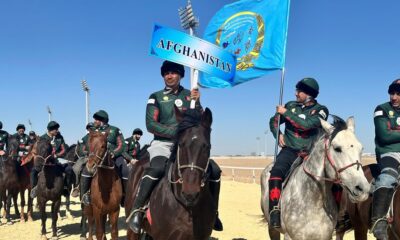
 Sport3 days ago
Afghanistan national buzkashi team defeats Hungary 14–0
-

 Latest News4 days ago
CAIR-Texas calls for probe after Afghan refugee dies in ICE custody
-
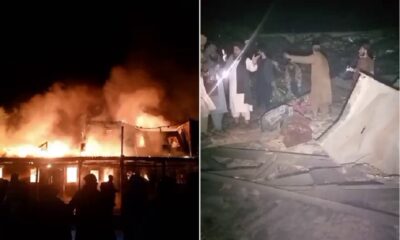
 Latest News4 days ago
IEA condemns alleged airstrike by Pakistan on drug treatment hospital in Kabul
-
 Latest News3 days ago
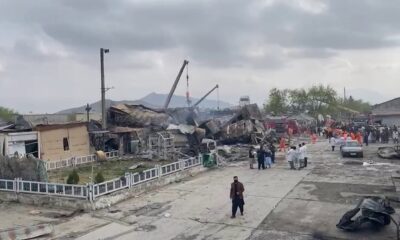
Afghanistan warns Pakistan of ‘teeth-breaking’ response after deadly Kabul bombing