
Latest News
Ghani appoints critics to avoid interim govt: politicians

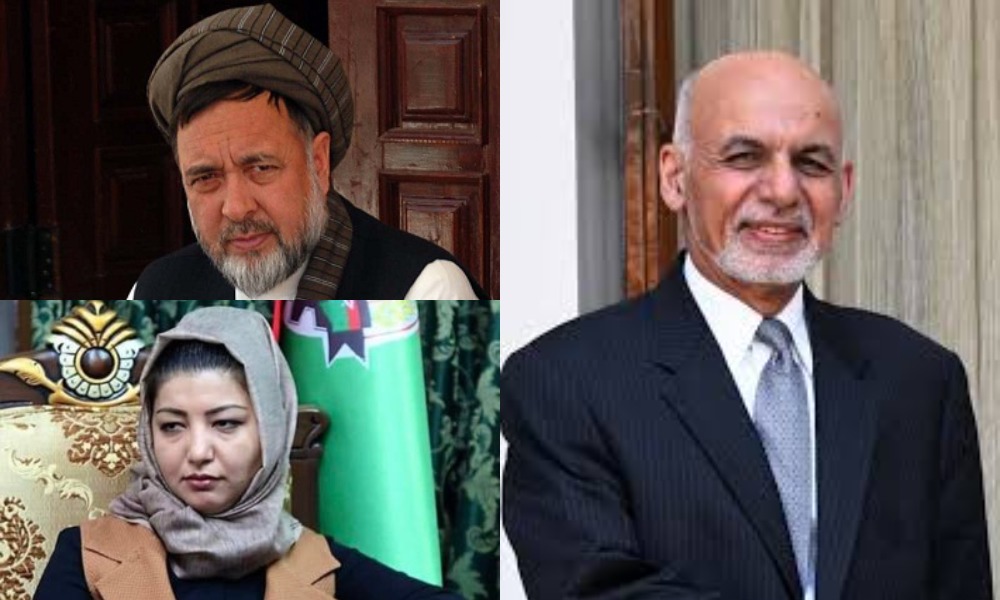
Some Afghan politicians said on Sunday that President Ashraf Ghani has cultivated new friendships with some of his critics in order to avoid an interim government and to stay in power.
This comes after Ghani appointed Mohammad Mohaqiq, head of the Wahdat-i-Islami Party, as his senior political and military adviser and introduced Rahila Dostum as a member of the Wolesi Jirga (Upper House of Parliament).
Mohaqiq’s appointment comes after a reported “cold shoulder” in the past after not having been invited to the Presidential Palace for any meetings.
“All political parties think that an interim government should be established. If Ghani thinks that he will be in power for four year it may be a reason for the appointments,” said Sattar Murad, a leading member of Jamayat-e-Islami party.
Sources close to Mohaqiq said that the move to appoint him was based on his abilities and role in the peace process.
“Well-known figures in the current situation, Afghanistan needs unity in this time. I think it is the root of the issue,” said Zahir Wahdat, deputy head of the Wahdat-i-Islami Party.
This comes after some Afghan politicians called this week for the establishment of an interim government for the sake of the peace process.
However some politicians have said government and the Taliban should agree to keep the structure but change the leadership.
“Both sides should agree to a government with no changes in the current government system,” said politician Wahidullah Sabawoon.
Rahmatulluh Nabil, former head of the National Directorate of Security (NDS), is one public figure to call for an interim government but said the government structure should remain the same.
The Presidential Palace has not commented about the recent appointments but on Saturday vowed to retain Afghanistan as a republic and only hand over power to an elected successor.



Latest News
Pakistan issues new directives for Afghan medical students and doctors
Afghan students who were not granted admission before September 1, 2026, have also been instructed to leave Pakistan by October 10.
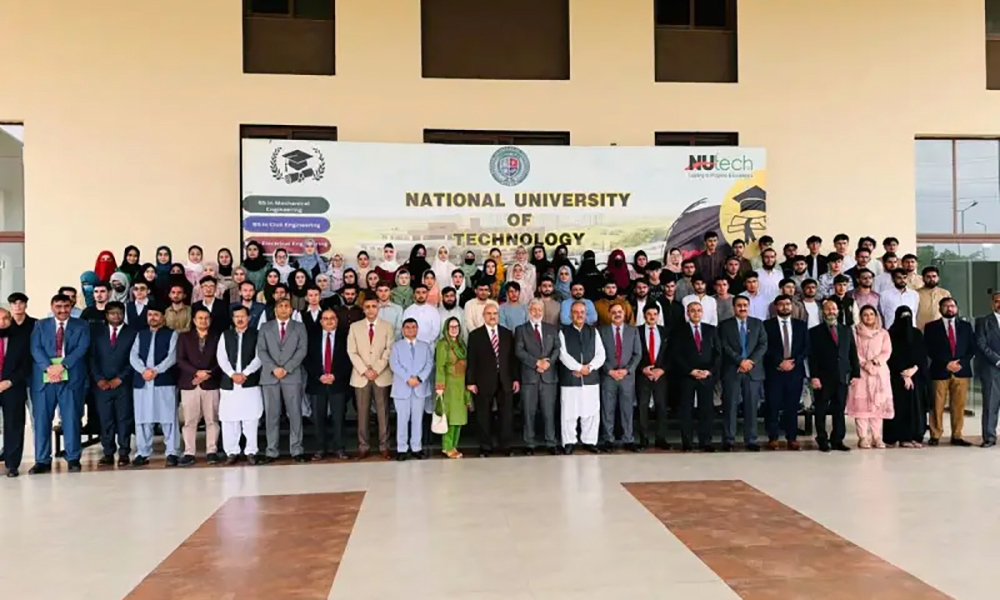
Pakistan’s Prime Minister’s Office has issued new directives concerning Afghan medical students and doctors in the country, making continued studies conditional on valid visas and compliance with immigration requirements.
Under the directives, Afghan undergraduate medical students enrolled in Pakistani medical colleges and universities through government-sponsored or approved programmes, including Higher Education Commission (HEC) scholarships and the Allama Muhammad Iqbal Scholarship, may continue their studies if they meet the required legal conditions and obtain clearance from Pakistan’s Ministry of Interior.
Medical colleges and universities have been instructed to register eligible Afghan medical students with the Pakistan Medical and Dental Council (PMDC) by October 15, 2026, and submit their registration status to the relevant authorities.
The directives also state that unregistered Afghan students, those who have completed MBBS or BDS degrees, and students studying without fulfilling the required legal formalities must return to Afghanistan by October 10, 2026. The document further specifies that house-job placements will not be offered to graduates covered by these provisions.
Afghan students who were not granted admission before September 1, 2026, have also been instructed to leave Pakistan by October 10. According to the directives, further admissions for Afghan students to medical and non-medical colleges and universities will remain subject to Pakistan’s government policy until further notice.
Meanwhile, Afghan doctors undertaking postgraduate medical training, including FCPS, MCPS, MD and MS programmes, as well as those employed in Pakistan or engaged in private medical practice, have been directed to leave the country by October 10, 2026.
The new measures could affect the education and professional careers of Afghan medical students and doctors currently living in Pakistan, particularly those whose visas, registrations or other legal requirements remain incomplete.
Latest News
Pakistan rejects allegations of links to ISKP amid rising tensions with Afghanistan
Pakistan’s Foreign Ministry spokesperson said Islamabad had participated constructively and clearly presented its concerns during the discussions.
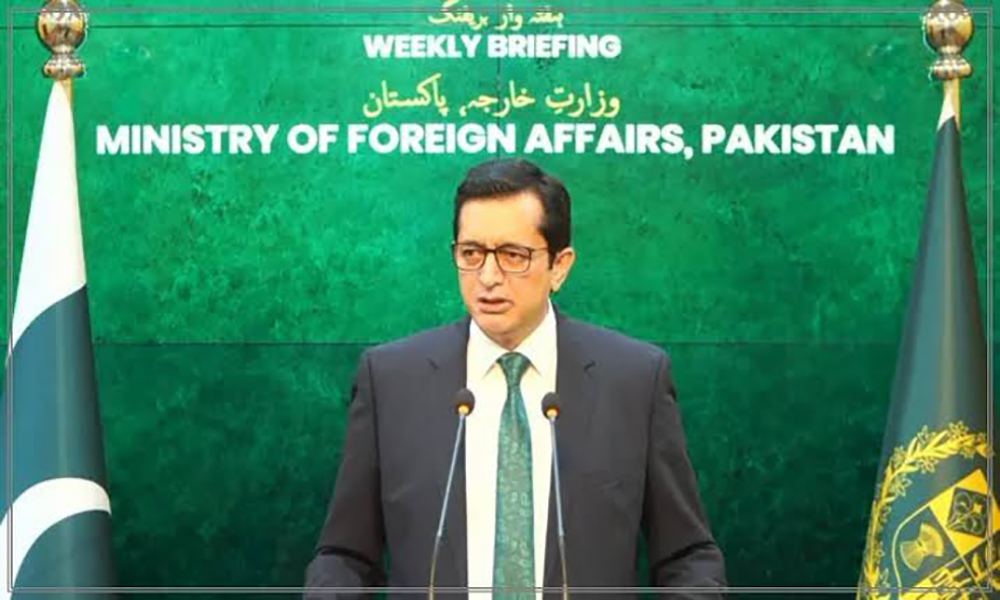
Pakistan’s Foreign Ministry has rejected allegations by Afghanistan’s Foreign Minister Amir Khan Muttaqi that Islamabad is linked to the Islamic State Khorasan Province (ISKP), further highlighting tensions between the two countries over regional security.
Speaking at the ministry’s weekly briefing on Friday, Pakistan’s Foreign Ministry spokesperson dismissed the allegations and said the Islamic Emirate administration was responsible for the security situation in Afghanistan’s Badakhshan and Nuristan provinces.
The spokesperson also alleged that Tehreek-e-Taliban Pakistan (TTP), the Balochistan Liberation Army (BLA) and other militant groups were operating from safe havens in Afghanistan. He claimed that Pakistani authorities had shared specific information about the locations of these groups through political and other channels.
The Pakistani official further defended his country’s military strikes, describing them as targeted and precise. On the other hand, however, the Islamic Emirate has stated that civilians were targeted in airstrikes by the Pakistani military regime.
However, Afghanistan’s Islamic Emirate has repeatedly rejected Pakistani allegations that Afghan territory is being used to launch attacks against Pakistan. Afghan officials have maintained that Pakistan’s security challenges stem from its own internal issues and developments over several years.
The two countries also remain divided over the outcome of the eighth Moscow Format meeting. Pakistan’s Foreign Ministry spokesperson said Islamabad had participated constructively and clearly presented its concerns during the discussions.
Asked why the meeting concluded without a joint statement, the spokesperson said the Afghan delegation had not agreed to the wording used in previous years, describing the disagreement as a substantive issue rather than a matter of language alone.
At the meeting, Muttaqi accused Pakistan of using ISKP and former Afghan government forces in what he described as a new campaign to destabilize Afghanistan and the wider region. He referred to security incidents in Badakhshan and Nuristan in support of his claims.
The latest exchange of accusations underscores continuing disagreements between Kabul and Islamabad over militancy, crossing security and regional stability.
Latest News
Kyrgyz President calls for continued regional support for Afghanistan
Japarov also underscored the importance of continued humanitarian assistance, urging regional countries to uphold their commitments to supporting Afghanistan.
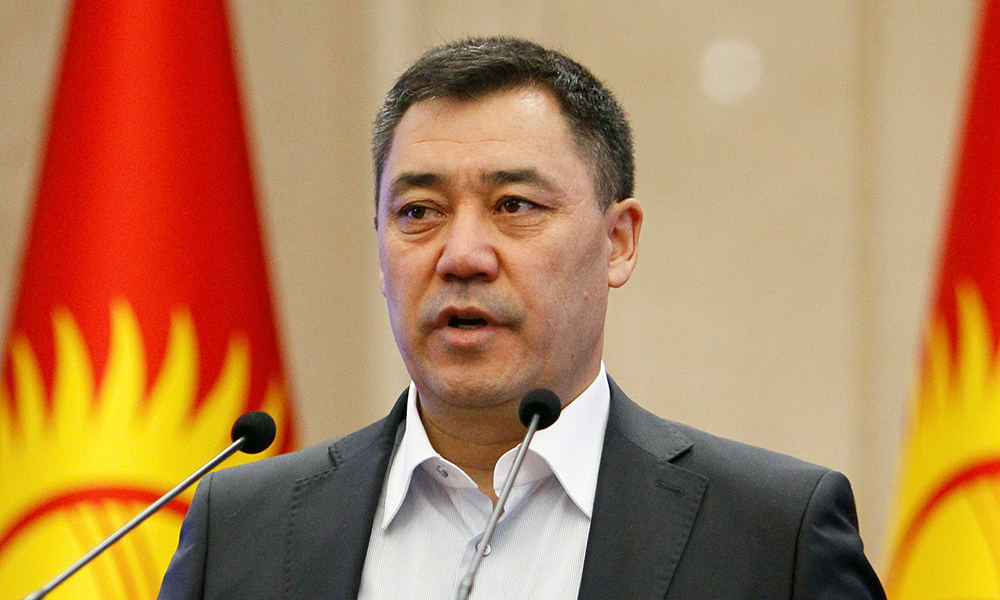
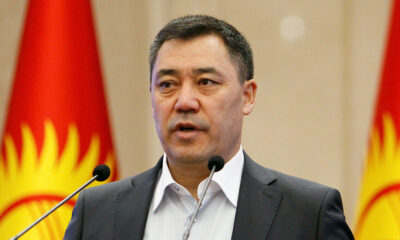
Kyrgyz President Sadyr Japarov has called on regional countries to maintain their support for Afghanistan, stressing that a stable and peaceful Afghanistan would benefit the entire region.
Speaking at a consultative meeting of the leaders of Central Asian countries and Azerbaijan, Japarov highlighted the importance of continued assistance to the Afghan people and stronger regional cooperation to address shared security challenges.
He emphasized the need to enhance cooperation among regional countries to combat terrorism, drug trafficking and organized crime.
Japarov also underscored the importance of continued humanitarian assistance, urging regional countries to uphold their commitments to supporting Afghanistan.


Pakistan issues new directives for Afghan medical students and doctors

Pakistan rejects allegations of links to ISKP amid rising tensions with Afghanistan

US imposes sanctions on ICC amid dispute over international prosecutions

Former ICC judge Navi Pillay wins 2026 Nobel Peace Prize

Bangladesh reach 317/8 on Day One against Afghanistan in Test match

EU and FAO launch €5m programme to strengthen Afghanistan’s agrifood sector

Omar Zawak, Toofan Herat secure victories in Afghanistan Champions League

Houthi advance in Yemen puts U.S. in a new bind

Cricket Bonanza: Afghanistan set for packed international schedule

New warnings reignite debate over AI threat to humanity

Tahawol: CSTO meeting on Afghanistan reviewed

Saar: Guterres’s talks with Pakistani officials on Afghanistan discussed

Tahawol: Consequences of US war in Afghanistan reviewed

Saar: Expulsion of Afghan refugees from Pakistan discussed

Tahawol: Discussion on outcome of Moscow Format meeting
-
 Sport5 days ago
Cricket Bonanza: Afghanistan set for packed international schedule
-

 Latest News4 days ago
Ariana Afghan Airlines ends 15-year control of ticketing and operational systems by Pakistani firm
-
 World4 days ago
▶️Saudi Arabia, Turkey, Pakistan activate Mecca defense pact
-

 Sport5 days ago
ACL: Abu Muslim Farah maintain momentum with 2-0 win over Arman FC
-
 Regional4 days ago
Yemeni government forces seize strategic strait from Houthis
-
 Latest News4 days ago
IEA rejects ICC arrest warrants, says Afghanistan does not recognize court
-
 Sport4 days ago
Aino Mina Kandahar defeat Istiqlal Kabul 3–2
-
 Health4 days ago
Russia investigates suspected pneumonic plague; Trump ready to ‘help’