
Latest News
Government Spokesmen Brawl on Twitter

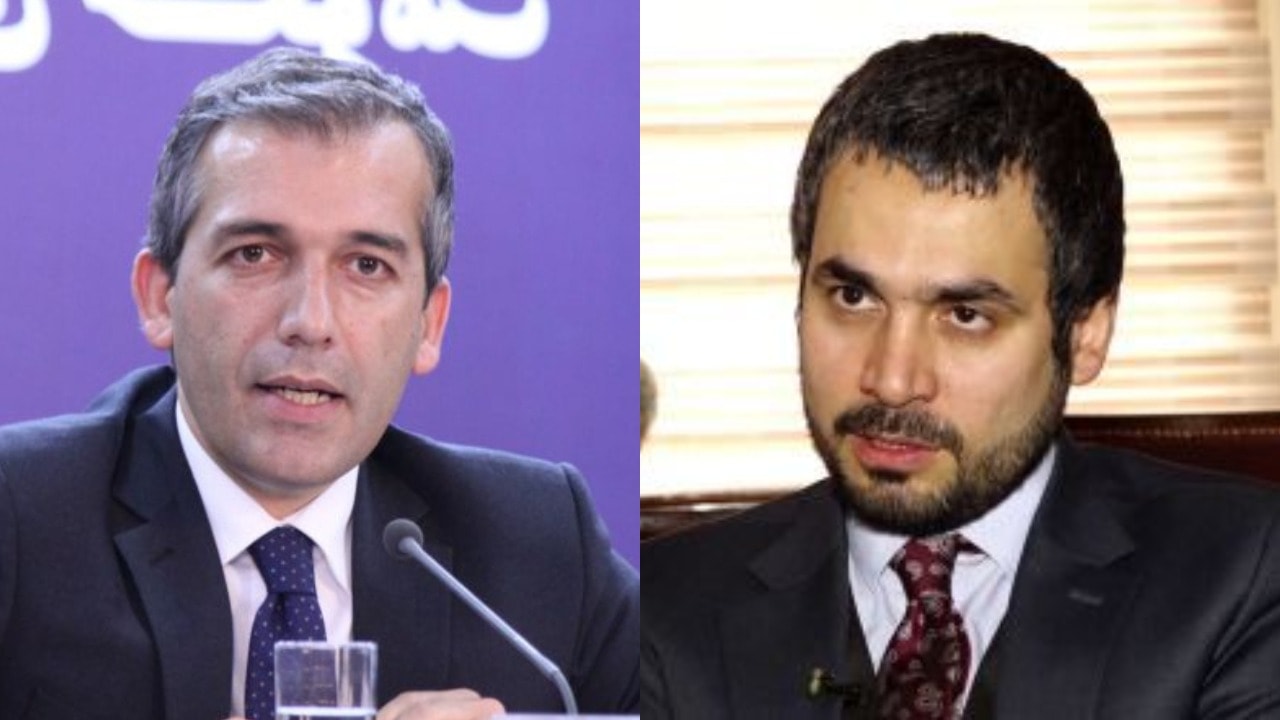
 The Afghan presidential palace and Ministry of Foreign Affairs released conflicting statements regarding Taliban’s visit to Pakistan and later on brawled on Twitter.
On October 3, President Ghani’s spokesman Sediq Sediqqi expressed government’s dissatisfaction about the Taliban’s delegation visit from Islamabad. Speaking at a press conference, Mr. Sediqqi said Taliban leaders meeting with Pakistani officials will not help the Afghan peace process.
At the same day, the Foreign Ministry spokesman Sibghatullah Ahmadi welcomed the move, saying we appreciate efforts of those countries facilitating direct talks between the government and Taliban.
Again on Saturday, in a series of statements on twitter, the two officials quarreled each other.
“Policies on peace is announced by Presidential Palace. MFA Spokesman’s latest comments on Taliban-Pakistan meeting or peace process doesn’t reflect the Afghan government views rather its’s his personal remarks,” Ghani’s spokesman wrote on Twitter on October 5.
The Foreign Ministry Spokesman Immediately responded, saying the Ministry of Foreign Affairs is the sole implementer of the country’s foreign policy.
“The Ministry of Foreign Affairs, as the sole implementer of the country’s foreign policy and the entity reflecting on the official positon of the Government of the Islamic Republic of Afghanistan, continues to support the peace process and efforts to facilitate the peace talks,” MoFA’s spokesman Mr. Ahmadi posted on Twitter.
He added that he has solely expressed the official stance of the Afghan Ministry of Foreign Affairs.
In a series of separate tweets, Mr. Ahmadi further said that “some individuals within the government are still in the electoral campaign mood.”
As the argument was tough on Twitter, Afghan Deputy Foreign Minister Idrees Zaman appeared at a press conference in Government Media and Information Center in Kabul, saying that any peace efforts by Washington in the absence of Afghan government will be ineffective.
Lawmakers criticized the National Unity Government for having conflicting positions regarding its foreign policy.
“There is no understanding over our foreign policy within the government. The Afghan government has failed to have a unique position at the national and international level and this will have a negative effect over peace and our foreign policy,” said Abdul Wali Niazi, a member of parliament from Badakhshan province.
“The position of Afghan government is clear about peace which is the launch of intra-Afghan dialogue and ceasefire,” said Mir Dad Nejrabi, a lawmaker from Kapisa province.
Earlier reports emerged about disagreements between the presidential palace and Ministry of Foreign Affairs. President Ashraf Ghani ordered a decree for the assessment of appointments in the foreign ministry but Chief Executive Abdullah Abdullah suspended the decree, saying it is part of election campaign.





Latest News
WHO warns of rising tobacco use in Afghanistan, calls for collective action
WHO noted that Afghanistan continues to face challenges due to limited public awareness and the absence of effective national tobacco control policies.

The World Health Organization (WHO) has called for stronger efforts to protect Afghans from the harmful effects of tobacco, warning that tobacco use remains a major public health challenge across the country.
Marking World No Tobacco Day on May 31, WHO Representative in Afghanistan Dr. Edwin Ceniza Salvador said protecting people from tobacco-related harm is a shared responsibility and essential for building a healthier future.
In a message released on the occasion, WHO said the tobacco industry continues to conceal the dangers of its products through misleading tactics, including the use of sweet flavors that are particularly attractive to young people.
According to WHO Afghanistan, one in four adults in the country uses tobacco, with Naswar remaining the most common form of consumption. The organization also expressed concern over growing tobacco use among Afghan youth, especially adolescent boys.
Health experts warn that both smoking and smokeless tobacco products can lead to serious illnesses, including cancer, cardiovascular disease and respiratory disorders. Early tobacco use among young people significantly increases the risk of long-term addiction and chronic health complications.
WHO noted that Afghanistan continues to face challenges due to limited public awareness and the absence of effective national tobacco control policies.
Data from the Tobacco Atlas indicates that more than 9,000 people die each year in Afghanistan from tobacco-related diseases. The economic impact is also substantial, with the annual cost of tobacco use estimated at more than 9.2 billion Afghanis, or approximately $130 million.
Public health authorities continue to emphasize awareness campaigns, stronger regulations and smoke-free environments as key measures to reduce tobacco consumption and protect future generations.
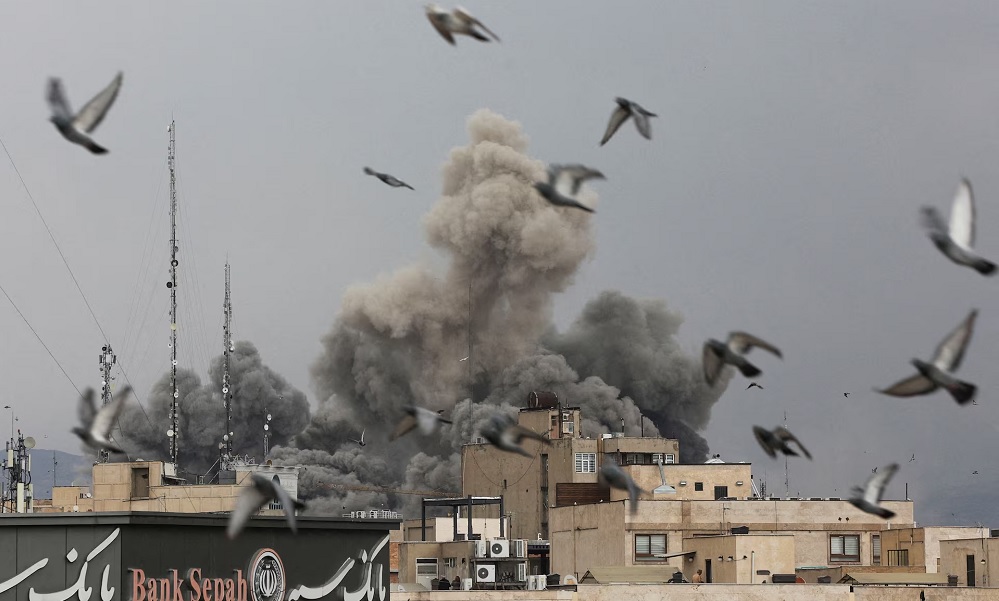
Jan Egeland, secretary-general of the Norwegian Refugee Council (NRC), says millions of civilians in Iran, including Afghan refugees, have been severely affected by the recent conflict, which has left widespread destruction and deepened humanitarian needs.
In a post on X, Egeland said he had returned to Iran and witnessed the impact of the war on both Iranian families and Afghan refugees.
“I am back in Iran where millions of Iranian civilians and Afghan refugees have had their lives shattered by the recent war,” he wrote.
According to Egeland, tens of thousands of civilian homes have been damaged or destroyed, while hundreds of schools and health facilities have also been affected. He added that damage to critical civilian infrastructure has further worsened humanitarian conditions.
The NRC chief said an estimated 3.2 million people were forced to flee their homes during the conflict, including both Iranian citizens and Afghan refugees. Others, he noted, were unable to leave and remained trapped in areas close to airstrikes.
Egeland said thousands of people were killed or injured during the fighting, while around 17 million students were unable to attend classes in person.
He praised NRC staff in Iran for continuing to provide assistance to those affected but warned that humanitarian efforts are facing serious financial constraints.
“My NRC colleagues here are working hard to provide essential support. But we are severely overstretched and underfunded,” he said.
Latest News
MSF chief recalls 2015 Afghanistan hospital bombing, warns of rising attacks on healthcare
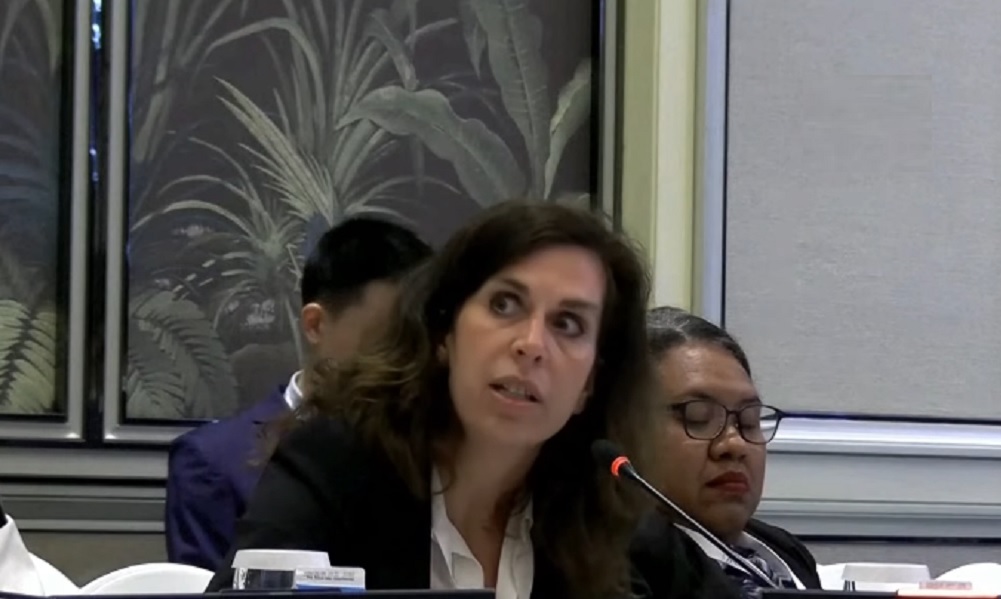
The head of Médecins Sans Frontières (MSF) International has warned that attacks on hospitals and healthcare facilities in conflict zones are increasing, despite global efforts to strengthen protections for medical missions following the bombing of an MSF hospital in Afghanistan a decade ago.
Speaking during a special session at the Shangri-La Dialogue in Singapore, Laura Leyser, Secretary General of MSF International, recalled the international response to the 2015 U.S. airstrike on an MSF-run trauma hospital in Kunduz, Afghanistan, which prompted widespread condemnation and led to the adoption of United Nations Security Council Resolution 2286 on the protection of medical personnel and facilities in armed conflicts.
“There was a big outcry. There was an investigation,” Leyser said. “What has happened since, though, is not a reduction of these cases but, to the contrary, an increasing number of attacks on hospitals and clinics.”
Leyser said more than 1,300 attacks on healthcare facilities were recorded in conflict situations worldwide last year, adding that around 80 percent of those incidents were carried out by state actors.
She said the growing number of attacks has created fear among healthcare workers and humanitarian personnel operating in war zones, making it increasingly difficult to provide lifesaving assistance to civilians.
“This is the reality that civilians face on the ground, and it is the reality that humanitarian organizations such as ours face as well,” she said.
Leyser noted that medical workers in conflict areas often continue their work despite severe shortages of supplies and constant security threats. She said many healthcare staff are afraid to report to work because of the risks posed by ongoing violence.
The MSF chief called on governments and military leaders to ensure greater respect for international humanitarian law and to strengthen accountability for violations.
Her remarks came during discussions involving senior military and security officials from Pakistan, China, Malaysia, the Netherlands, South Korea and the International Committee of the Red Cross, who gathered at the Shangri-La Dialogue to examine challenges to global security, including regional conflicts, military competition, crisis management and emerging technologies.
Leyser urged participants to reflect on ways to uphold the minimum standards of international humanitarian law and reduce impunity for attacks on healthcare facilities and personnel during armed conflicts.


WHO warns of rising tobacco use in Afghanistan, calls for collective action

Sharaa, Trump discuss Syria’s economy and sanctions in phone call

Tahawol: Review of Afghanistan-Russia military agreement

Saar: Afghanistan’s relations with regional countries discussed

Afghanistan to play in Diamond Jubilee Tournament opener against Maldives

New Afghanistan-China transport corridor launched via Turkmenistan

Afghanistan signs $46 million deal to develop standard laboratory complexes

Large blast near Beit Shemesh part of pre-planned test: Israeli defense firm

Trump returns from China with stability but little progress

Afghanistan announce squad for India series
Tahawol: Review of Afghanistan-Russia military agreement
Saar: Afghanistan’s relations with regional countries discussed

Tahawol: US, Iran considering deal to end war

Saar: IEA seeking to ensure regional stability

Tawsia: Afghanistan’s weekly economic roundup reviewed
-
 Sport5 days ago
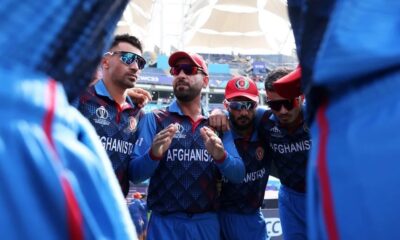
Afghanistan announce squad for India series
-
 Latest News4 days ago
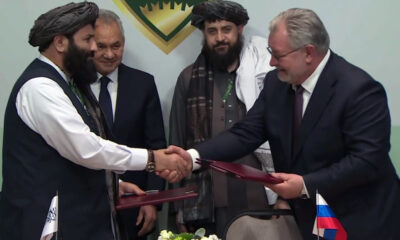
Afghanistan, Russia sign military cooperation agreement
-
 Latest News5 days ago
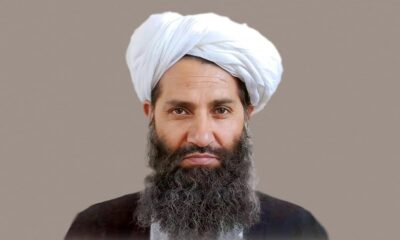
‘We will never bow our heads before infidels,’ says IEA Supreme Leader
-
 Business4 days ago
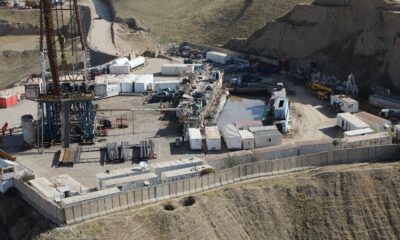
Afghanistan expands oil production as investment in Amu Darya fields grows
-
 Latest News3 days ago
Work on TAPI project in Afghanistan ongoing and accelerating: Mujahid
-
 Latest News4 days ago
Mujahid calls for stronger Afghanistan-Russia relations during Moscow meeting
-
 Latest News4 days ago
Afghanistan calls for global cooperation on climate change as country faces rising environmental risks
-

 Sport5 days ago
ATN secures exclusive rights to broadcast Afghanistan Tour of India