
Latest News
Iran’s Zarif says Taliban has to change based on democratic ways

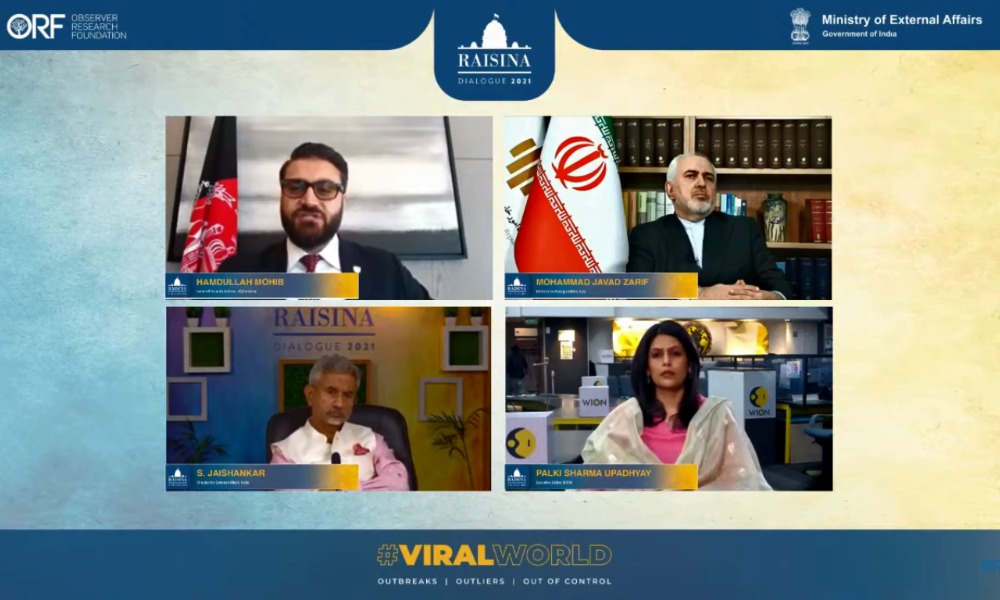
Iran’s Foreign Minister Mohammad Javad Zarif said Friday that the Taliban has to “change based on democratic ways.”
Addressing Raisina 2021 conference virtually, Zarif stated: “If they (Taliban) want to go back to their 90s ideology, it will be impossible, as there is a new and different Afghanistan today.”
Zarif’s remarks come a day after US President Joe Biden and NATO Secretary-General Jens Stoltenberg announced a full withdrawal of all foreign troops starting May 1.
According to them, all troops will be out of Afghanistan by September 11 – the 20th anniversary of the 9/11 attack on the United States.
Zarif stated that the US withdrawal from Afghanistan is a positive move. He also called on the Taliban to reduce violence as the US prepares to leave Afghanistan.
“The Taliban should not use this opportunity to increase their violence. They should understand that the people of Afghanistan have had enough violence,” Zarif said.
“It is important for all Afghans to agree on what they want and then work on the details on how to create it. Regional countries should help Afghanistan create that picture, a democratic government, balanced ethnic representation, and a strong economy,” he added.
“The role of Civil Society in Afghanistan today is not comparable to 2001 or the 1990s. While there are problems that remain in the country, we need to preserve what has been achieved in Afghanistan and ensure its continuity,” Zarif noted.
Meanwhile, Afghanistan National Security Adviser (NSA) Hamdullah Mohib at the event stated: “Everyone can be represented in the democratic republic of Afghanistan. The Taliban cannot believe that they will be able to force themselves on the people,” Mohib said.
He stated that democracy is what brings Afghans all together and provides an opportunity for a pluralistic society to function.
“The peace process must include all the different groups of the Taliban. No group or faction should or can be excluded,” Mohib said.
Referring to the US and NATO’s decision for a full withdrawal from Afghanistan, Mohib stated that the Afghan security forces are capable to defend their countries.
He said Biden’s withdrawal plan is a great opportunity for the Afghans to take control of the security situation in the country.
“Afghanistan does not need US combat troops on the ground, it needs support for its armed forces,” Mohib said.
“The Taliban had a great opportunity after the Doha agreement to be more tolerant and take it as an opportunity to lead their group forward. However, they began a narrative of victory, which was false and arrogant,” Mohib stated.
“It’s time for the Taliban to make peace with the Afghan government and become part of the mainstream Afghan society.”
Indian External Affairs Minister S. Jaishankar said the Afghan peace process must be Afghan-led and owned.
“This means that the outcome of the process should be in the collective interests of the Afghan people,” Jaishankar said.
“We will do whatever is in our power and interests by working with our neighbors to ensure that Afghanistan’s interests are protected,” he added.
“Afghanistan needs a double peace – peace within the country and peace around the country. Afghanistan’s neighbors must contribute towards this Raisina 2021,” the Indian diplomat said.




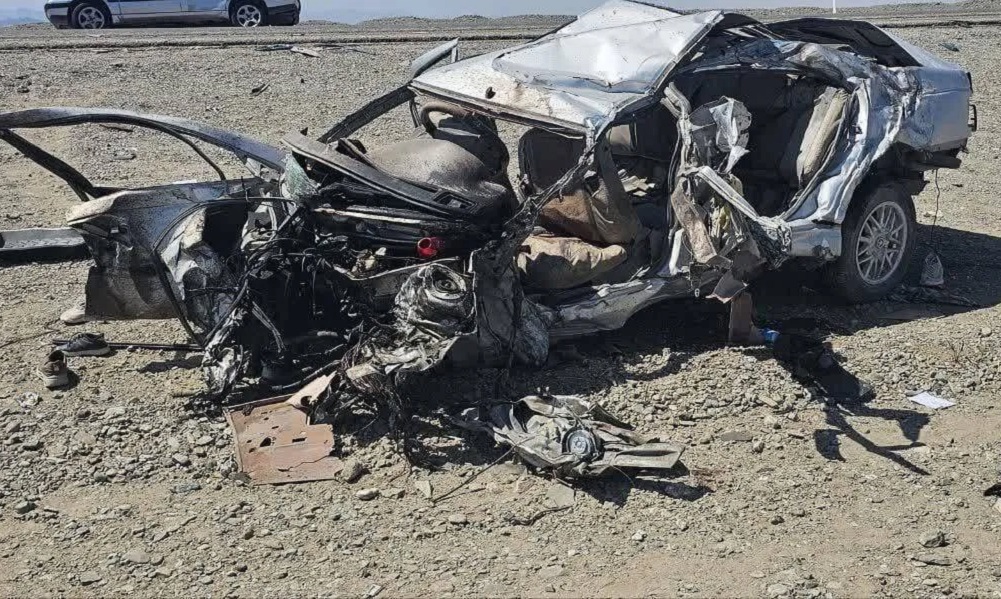
Seven Afghan migrants have been killed after a vehicle carrying Afghan migrants collided with a fuel-carrying vehicle in Iran’s Sistan and Baluchestan province.
According to the human rights organization HalVash, the accident occurred on Friday in the Sarbaz area of Sistan and Baluchestan.
Siyavash Mohbi, the head of Iran’s traffic police in Sistan and Baluchestan, said the Afghan nationals had entered Iran illegally.
He added that nine other people were injured in the incident.
Mohbi attributed the accident to the negligence of the driver of the vehicle carrying the migrants.
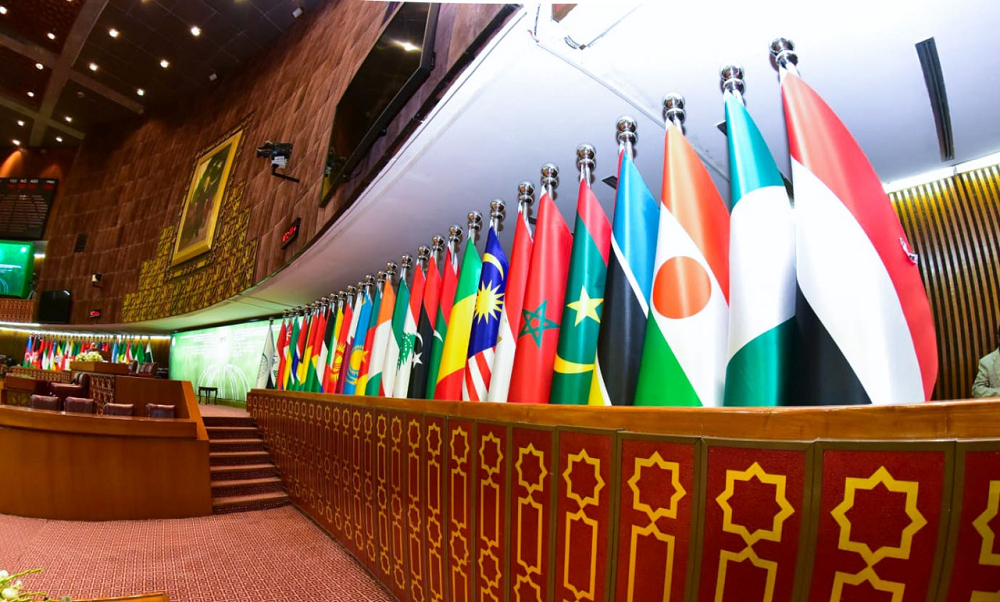
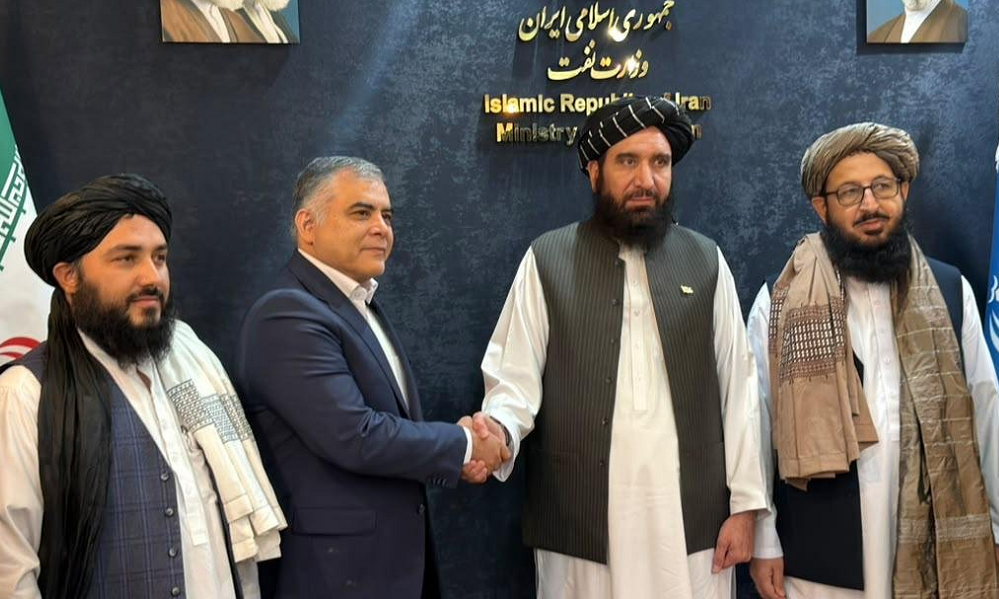
Ahmad Jan Bilal, General Director of State-Owned Corporations, met with Iran’s Oil Minister Mohsen Paknejad during a visit to Iran to discuss expanding cooperation in the oil and gas sector.
Bilal, accompanied by Mohammad Nasir Rahimi, chief executive of the Afghan state-owned Oil and Gas Corporation, held talks with the Iranian minister on supplying Afghanistan with its oil and gas needs, technical and vocational training, and joint cooperation in oil and gas exploration.
Bilal and his delegation also visited the Iranian Oil Ministry’s research center and oil refineries in Tehran, where they reviewed the facilities’ technical and professional activities and capabilities.
The Iranian side expressed readiness for comprehensive cooperation, necessary coordination and implementation of joint projects in the areas discussed.
At the end of the meeting, both sides introduced joint technical teams tasked with coordinating and following up on the necessary measures to implement the agreed areas of cooperation.


Asian Games open in Japan as Afghanistan sends 34 athletes

Seven Afghan migrants killed in traffic accident in Iran’s Sistan and Baluchestan

OIC to hold Afghanistan Contact Group meeting on sidelines of UN General Assembly

Flames, smoke seen near Riyadh airport; Houthis claim attacks on Saudi capital

Tahawol: Kabul’s warning over any threat from Pakistan discussed

Four mediators struggle to secure lasting Pakistan-Afghanistan ceasefire

Syria and Saudi Arabia condemn Kabul bombing, express solidarity with Afghanistan

Afghanistan’s trade diversification challenges Pakistan

Saudi energy group signs major Afghanistan deals covering gas exploration and pipeline plans

ATN secures exclusive rights to broadcast T20I series in India across Afghanistan
Tahawol: Kabul’s warning over any threat from Pakistan discussed

Debate on Afghanistan and New Investment Opportunities

Tahawol: Reasons behind Qatari, Turkish security officials’ Kabul visit discussed

Saar: Outcome of UN Security Council meeting on Afghanistan discussed

Tahawol: Afghanistan’s readiness for US relations discussed
-
 Latest News4 days ago
UN warns of mounting humanitarian and human rights pressures in Afghanistan
-
 Regional4 days ago
Saudi Arabia calls alleged Mecca attack a ‘red line’ as Houthis deny involvement
-
 Latest News5 days ago
Petition filed in Islamabad High Court against PMDC directive affecting Afghan students
-
 Latest News4 days ago
Five Years On: IEA touts economic growth despite international isolation
-

 Sport4 days ago
India take 2-0 lead in 3-match series against Afghanistan
-
 Sport5 days ago
Nabi reaches 2,500 T20I runs
-
 Latest News5 days ago
At least 17 Afghan migrants reportedly die of thirst near Iran border
-

 Latest News3 days ago
Five years out of school: Amnesty raises alarm over Afghan girls’ education