
Latest News
Israel issues urgent warning to Iranians to evacuate areas near military sites
The warning, delivered through diplomatic channels and public statements, comes amid fears of an expanded Israeli military campaign targeting strategic sites across Iran.

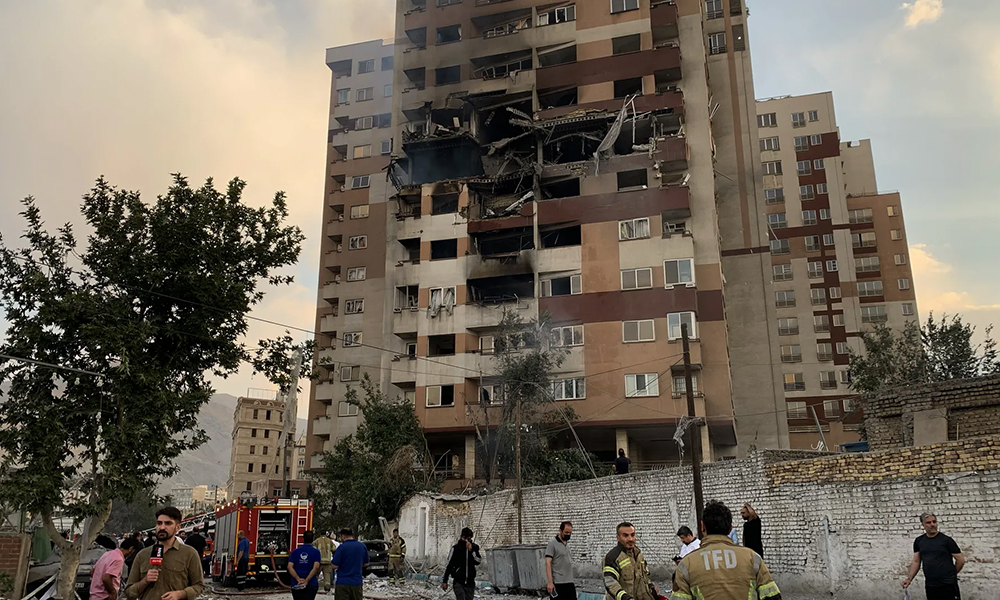
In a dramatic escalation of tensions, Israel has issued a stark and urgent warning to Iranian civilians: evacuate areas near military and nuclear facilities immediately.
The warning, delivered through diplomatic channels and public statements, comes amid fears of an expanded Israeli military campaign targeting strategic sites across Iran.
Israeli defense officials said the move is aimed at minimizing civilian casualties as military operations intensify. “We are urging Iranian civilians to leave areas close to military compounds, missile bases, and nuclear infrastructure. These locations are not safe,” an Israeli government spokesperson said.
“We do not seek harm to innocent people, but we will not hesitate to act against threats to our national security.”
The warning follows reports that Israel has already conducted precision strikes on several Iranian military targets, with further action expected. The Fordo uranium enrichment facility, long considered a hardened and heavily protected site, is believed to be among the potential future targets.
While Iran has not formally responded to the evacuation warning, state media accused Israel of “psychological warfare” and denied that any evacuations are necessary. However, unconfirmed reports on social media suggested increased movement of families and vehicles from areas near known military installations.
The international community has expressed concern about the potential for a broader regional conflict. The United States, though declining to join Israel’s military operations, has urged both sides to avoid actions that could lead to full-scale war. “We support de-escalation and diplomacy, but we recognize Israel’s right to defend itself,” a senior U.S. official said.
Israel’s unprecedented warning to Iranian civilians signals that further strikes may be imminent—and potentially larger in scale. Experts say this level of public notice is rare and underscores the seriousness of the situation.
As the region braces for what may come next, the Israeli government has reiterated that its fight is not with the Iranian people but with what it calls the “aggressive and clandestine actions” of the Iranian regime.
“We are targeting weapons, not civilians,” an Israeli military source emphasized. “But we strongly advise the people of Iran: if you are near a military facility, leave now.”





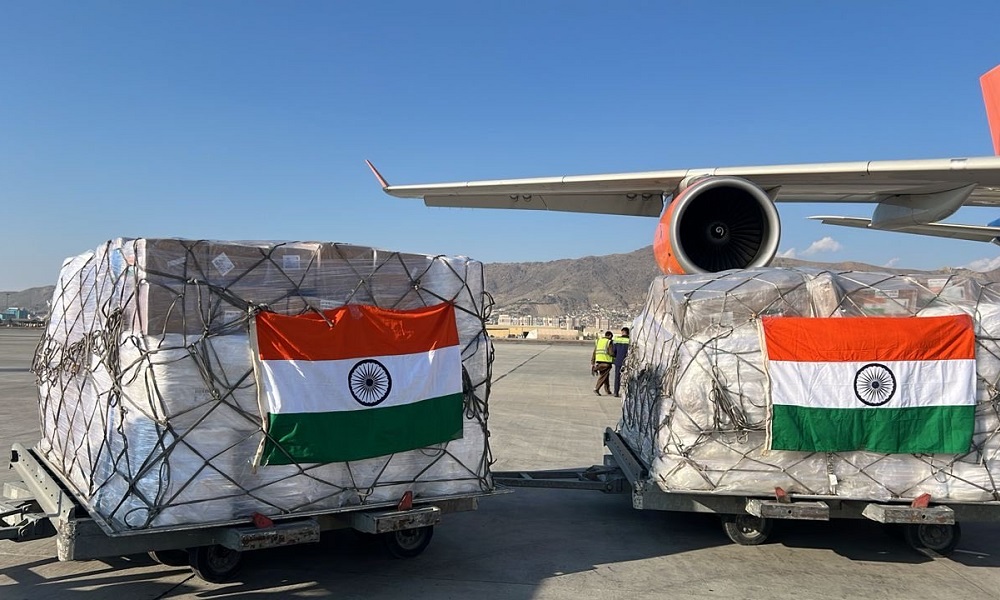
Randhir Jaiswal, spokesperson for India’s Ministry of External Affairs, announced on Friday that a 2.5-ton consignment, including emergency medicines, medical disposables, kits, and equipment has been delivered to Kabul.
According to him, the aid shipment is intended to support the swift recovery of those injured in the recent airstrike by Pakistan’s military regime.
He emphasized that India stands with the people of Afghanistan and will continue to provide all possible humanitarian assistance.

The Afghanistan Journalists Center (AFJC) has announced that Mahdi Ansary, a reporter for the Afghan News Agency (AFKA), has been released after serving one and a half years in Bagram prison.
In a statement welcoming his release, AFJC emphasized that the fundamental rights of this journalist—who had been tried and imprisoned on charges of cooperating with exiled and foreign media—were “seriously” violated.
Ansari was arrested on October 5, 2023, after returning from his workplace in Kabul.
He was sentenced on January 1, 2024 by the Kabul Primary Court to one and a half years in prison on charges of “propaganda against the Islamic Emirate.”
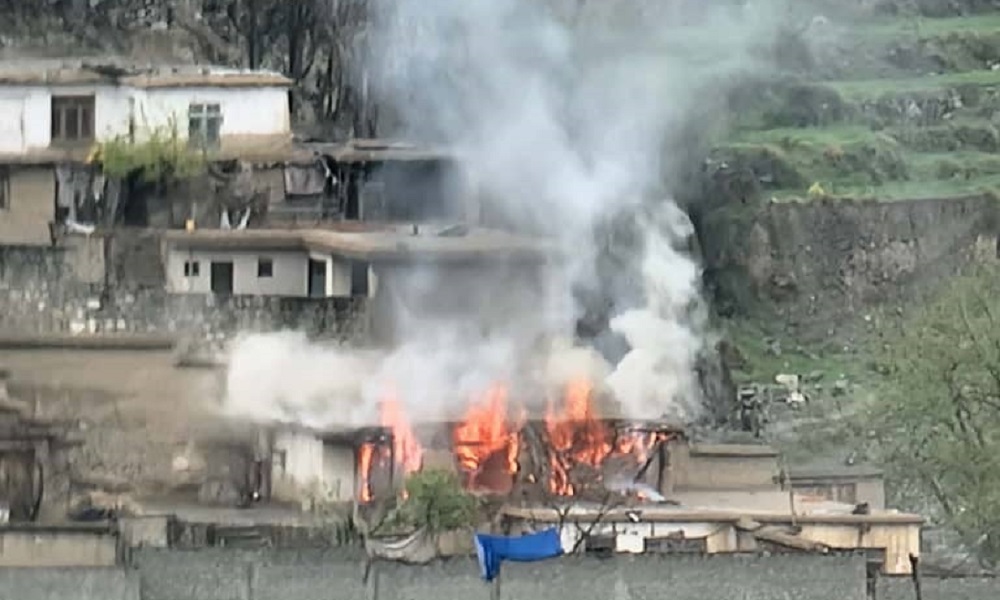
Farid Dehqan, spokesperson for the Khas Kunar police command, said that rocket attacks by the Pakistani military regime are still ongoing in the province.
These attacks come despite earlier announcements by the Pakistani military of a temporary ceasefire for Eid.


India sends 2.5-ton medical shipment to Afghanistan

Trump compares Iran strikes to Pearl Harbor in meeting with Japan’s leader

Afghanistan national buzkashi falls short in Kokpar World Championship semifinals

Mahdi Ansary, local journalist, released from prison

Pakistan’s rocket attacks still ongoing on Nari district, Kunar

Pakistani military jet downed in Afghanistan’s Jalalabad, pilot captured alive

Afghan Air Force conducts airstrikes in Islamabad, other cities

Afghanistan welcomes investment and technology partnerships with India

Prominent Muslim scholar issues fatwa calling for Afghanistan-Pakistan ceasefire

Afghan air force strikes key Pakistani military installations in retaliatory operation

Tahawol: Temporary ceasefire draws broad support

Saar: Emphasis on resolving conflicts through diplomacy

Tahawol: Global reactions to Pakistan’s recent attacks discussed

Saar: Consequences of Pakistani airstrikes on Afghans discussed

Tahawol: Pakistan’s new attacks on Kabul hospital discussed
-
 Latest News4 days ago
IEA Supreme Leader issues Eid-ul-Fitr message urging unity and support for Islamic system
-

 Business4 days ago
Turkmenistan, Afghanistan discuss steps to speed up land acquisition for TAPI pipeline
-
 Latest News2 days ago
IEA announces temporary pause in defensive operations against Pakistan for Eid
-
 Latest News2 days ago
Pakistan opposes normal Afghanistan–India relations: Shaheen
-
 Sport3 days ago
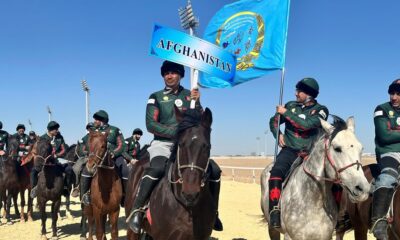
Afghanistan national buzkashi team defeats Hungary 14–0
-

 Latest News4 days ago
CAIR-Texas calls for probe after Afghan refugee dies in ICE custody
-
 Latest News4 days ago
IEA condemns alleged airstrike by Pakistan on drug treatment hospital in Kabul
-
 Latest News3 days ago
Afghanistan warns Pakistan of ‘teeth-breaking’ response after deadly Kabul bombing