
Latest News
Middle East nations speak out against IEA’s decision to ban women from university

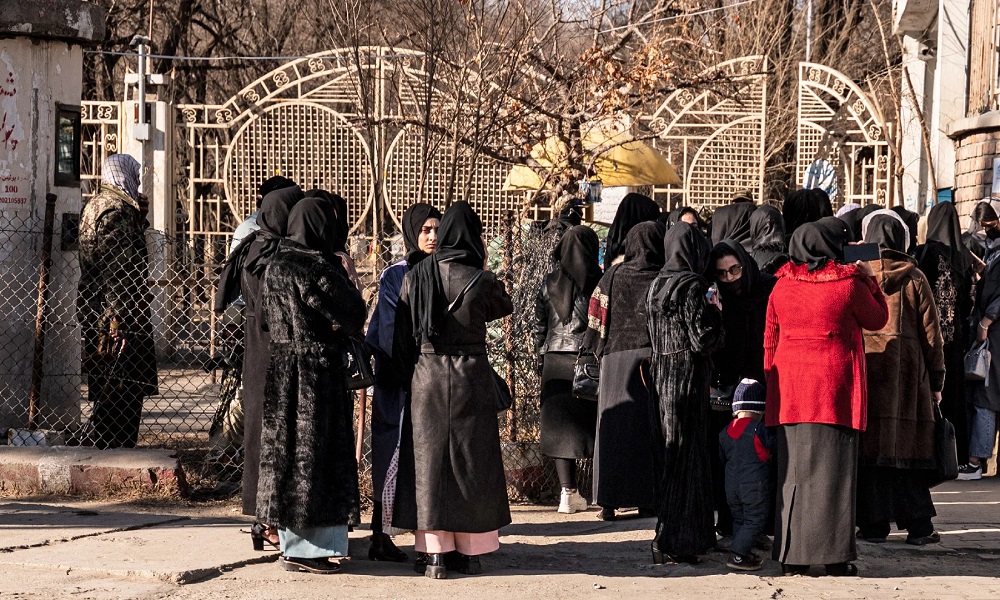
Saudi Arabia, Qatar and Turkey are among several Islamic countries to condemn the Islamic Emirate of Afghanistan’s (IEA) decision to ban women from attending university.
Female university students were turned away on Wednesday after academic institutions were sent a letter by the Afghan higher education ministry on Tuesday evening enforcing the decision.
The move was widely condemned by governments around the world, including in the Middle East and Asia.
Meanwhile, a spokesman for the ministry of higher education stated in a tweet on Thursday that Sheikh Mawlawi Nada Muhammad Nadeem, the acting minister, “will hold a press conference today or tomorrow, to clarify the recent decision of the Ministry of Higher Education regarding the suspension of girls’ universities until further notice.”
Turkey’s Foreign Minister Mevlut Cavusoglu said on Thursday the ban was “neither Islamic nor humanistic. We reject such a ban.”
This came after Saudi Arabia’s foreign ministry expressed “surprise and regret” on Wednesday, and called on Kabul to reverse the decision.
The United Arab Emirates’ deputy ambassador to the UN, Amiera al-Hefeiti, also spoke out about it and Qatar released a statement expressing “deep concern and disappointment”.
“These negative practices will have a significant impact on human rights, development, and the economy in Afghanistan,” Doha’s foreign ministry said.
“As a Muslim country in which women enjoy all their rights, especially education, the state of Qatar calls on the Afghan caretaker government to review its decision in line with the teachings of the Islamic religion concerning women’s rights.”
Abdel Aziz Hamad Aluwaisheg, assistant secretary general of the Gulf Cooperation Council, tweeted on Thursday: “Banning the education of girls 16+ is a clear violation of human rights, but it can also doom the economic future of Afghanistan, relegating half of its people to a life of poverty and ignorance.”
Likewise, Indonesia is deeply concerned and disappointed with the decision of the Islamic Emirate to suspend access to university education for women in Afghanistan.
The Secretary-General of the Organization of Islamic Cooperation (OIC), Hissein Brahim Taha, meanwhile expressed “grave concern and denunciation of this disconcerting decision”.
He said in a statement the decision will go a long way in seriously denting the credibility of the government in place, just as it will deny Afghan girls and women their fundamental rights to education, employment, and social justice.
The statement noted that the OIC “calls on Kabul authorities to reverse it for the sake of maintaining consistency between their promises and actual decisions”.



Latest News
US extends Qatar camp stay for more than 1,000 Afghans
A US official, speaking on condition of anonymity, confirmed the extension.
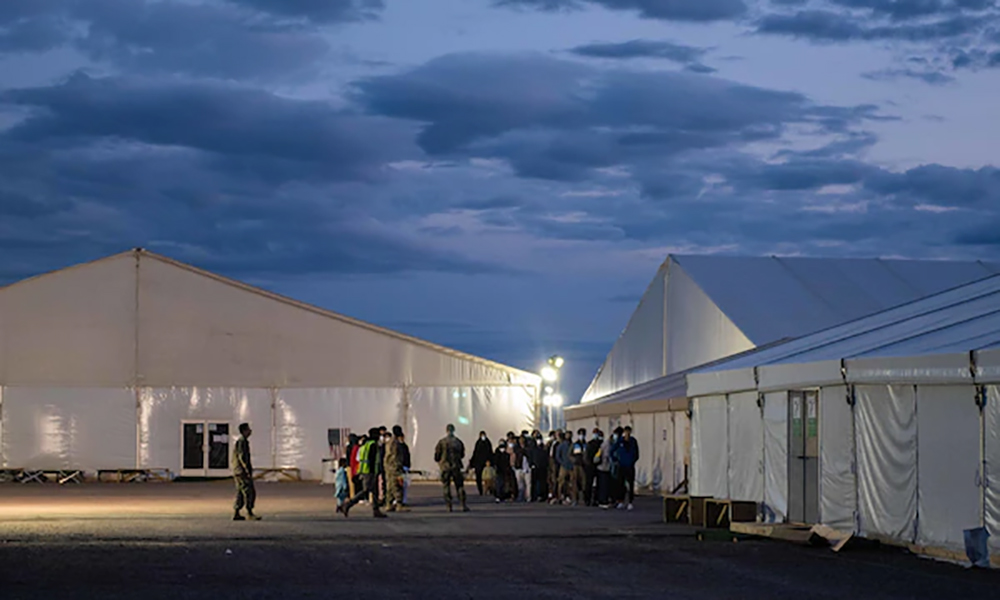
The US administration has extended the operation of a camp in Qatar housing more than 1,000 Afghans who supported US forces during the war in Afghanistan, as well as relatives of American service members.
The United States has agreed to keep Camp As Sayliyah open for another nine months after it had been scheduled to close at the end of the US fiscal year, according to The Associated Press.
A US official, speaking on condition of anonymity, confirmed the extension.
The decision affects 1,039 Afghans, many of whom worked as interpreters or in other roles supporting US forces between 2001 and 2021. Many have remained in Qatar for more than a year while Washington considers options for their resettlement.
US Secretary of State Marco Rubio told Congress in June that Washington was discussing possible arrangements for resettling the Afghans in third countries. AP has previously reported that the Democratic Republic of Congo was among the countries considered by the administration.
The US State Department said it continues to seek a solution that would ensure the safety of those remaining at the camp while addressing US security concerns.
The department has also described the camp as part of a legacy of the Biden administration’s Afghan resettlement effort, a characterization disputed by some former US officials and refugee advocates.
According to figures cited by AfghanEvac, more than 70 percent of the camp’s residents are women and children. The organization has been advocating for the resettlement of Afghans who have remained in limbo following the US withdrawal from Afghanistan in 2021.
Shawn VanDiver, a US Navy veteran and head of AfghanEvac, welcomed the nine-month extension but said a permanent solution was still needed.
Despite the extension, the residents have not been given a clear pathway to the United States. AfghanEvac says only five Afghans from the camp have been admitted to the US since October 2025.
Advocates have warned that without alternative resettlement arrangements, some residents could eventually face the possibility of returning to Afghanistan.
The State Department said it would use the nine-month extension to continue exploring options for the voluntary resettlement of all Camp As Sayliyah residents.
Latest News
DHS review finds errors in 40% of Biden-era Afghan asylum files
Following a 2023 lawsuit against DHS, a settlement required USCIS to adjudicate 90% of OAW asylum applications within 150 days.
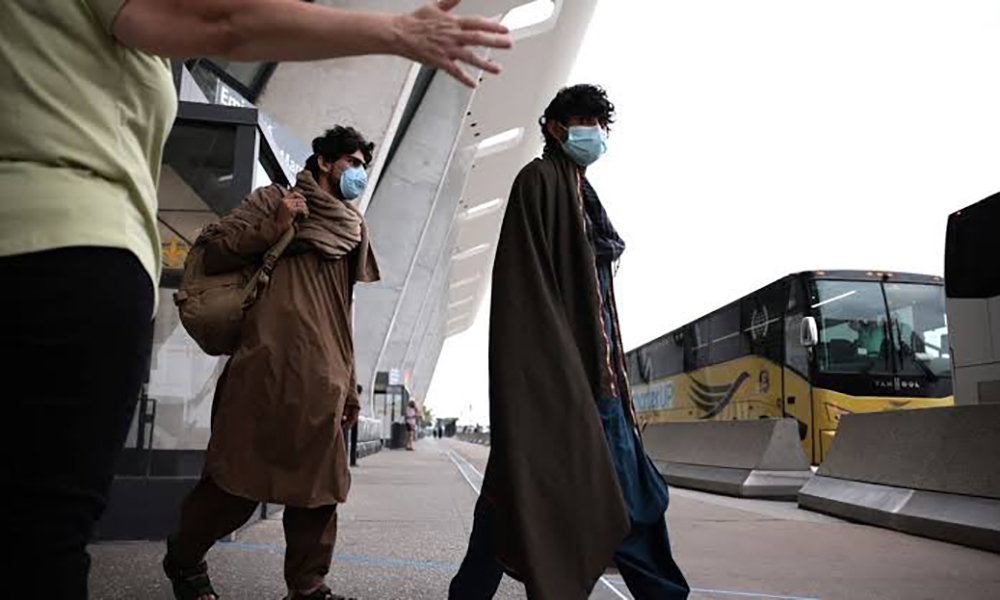
A U.S. Department of Homeland Security (DHS) review has identified errors in 40% of the asylum files examined under the Biden-era Operation Allies Welcome (OAW) programme, raising concerns about gaps in the screening and adjudication process.
According to a DHS statement, the department’s Office of Inspector General (OIG) reviewed the programme between March 2024 and January 2025 after concerns that accelerated processing requirements could limit the ability of U.S. Citizenship and Immigration Services (USCIS) to conduct comprehensive reviews.
The review found that USCIS missed opportunities in some cases to link aliases provided by applicants with other information that could potentially have affected their eligibility for asylum, DHS said.
Operation Allies Welcome was established under the Biden administration following the U.S. withdrawal from Afghanistan. Under the Afghanistan Supplemental Appropriations Act of 2022, USCIS was required to interview OAW asylum applicants within 45 days of filing.
Following a 2023 lawsuit against DHS, a settlement required USCIS to adjudicate 90% of OAW asylum applications within 150 days.
DHS Secretary Markwayne Mullin criticized the programme, saying established asylum-screening procedures had not been followed and arguing that the identified errors could create security risks.
The DHS statement cited several cases involving Afghan nationals admitted to the United States through OAW who were later arrested or charged.
These included an Afghan national arrested in November 2025 on federal charges of threatening to kill Americans; an individual identified by U.S. Immigration and Customs Enforcement (ICE) as an ISIS-K member who was arrested in December 2025; and another Afghan national arrested in March 2026 who had previously been convicted of indecent exposure involving a minor.
DHS said the findings demonstrate the need for stronger screening procedures in asylum processing.
The reported 40% error rate refers to errors identified in the asylum files reviewed by the OIG. It does not mean that 40% of the applicants were members of terrorist groups or had criminal records.
The findings and security concerns cited in the statement are those of DHS and its interpretation of the OIG review.
Latest News
Sindh court allows Afghan medical students to resume classes
The court ordered the university to restore the students’ access and ensure their education is not disrupted before the next hearing.
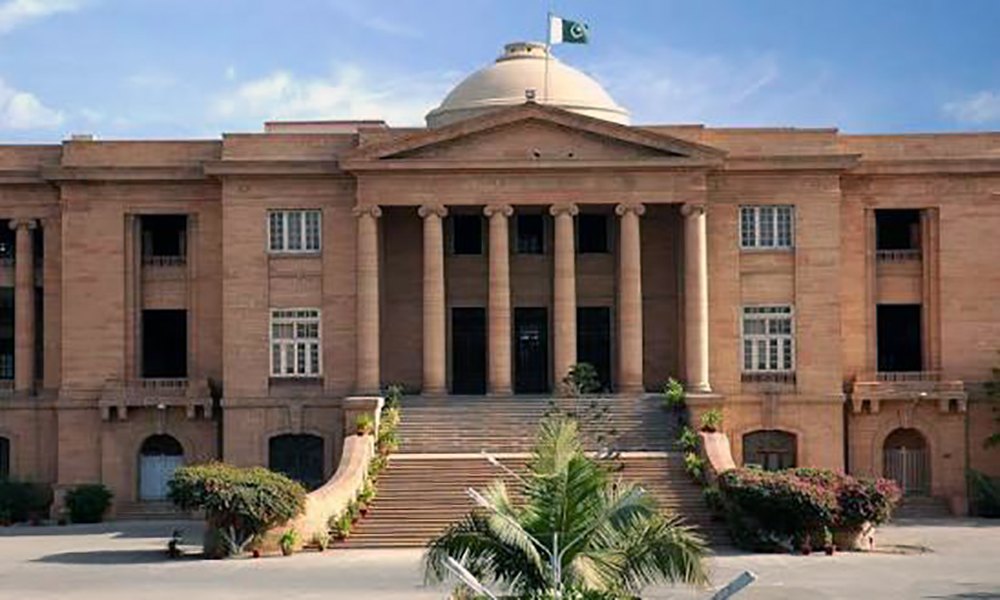
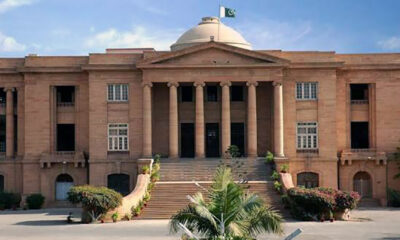
The Sindh High Court has ordered a medical university in Pakistan’s southern Sindh province to allow Afghan students to resume classes, extending temporary protection for students challenging a directive requiring them to return to Afghanistan.
The Pakistan Medical and Dental Council (PMDC), which regulates medical education, recently directed medical colleges to arrange for enrolled Afghan students to return to Afghanistan and barred new admissions or placements for Afghan nationals during the current academic year.
Pakistan’s Foreign Office, however, has said Afghan students holding valid visas and enrolled in recognized programmes can complete their education, raising questions over the application of the PMDC directive to existing students.
The case comes amid Pakistan’s ongoing campaign to return Afghan nationals, which began in 2023 with a deadline for undocumented foreigners to leave the country.
Islamabad has cited immigration enforcement and security concerns. More than two million Afghans have returned to Afghanistan from Pakistan since the campaign began, including voluntary returnees and deportees.
The Sindh High Court suspended the PMDC directive for the students challenging it on September 14.
During Tuesday’s hearing, lawyers for the students told the court that Jinnah Sindh Medical University had prevented Afghan students from attending classes, disabled their biometric access and moved to evict them from university hostels.
The court ordered the university to restore the students’ access and ensure their education is not disrupted before the next hearing.
Advocate Iftikhar Shah, who represents some of the students, said the court’s earlier protection remained in place, allowing the students to continue their studies and remain in their university accommodation.
Shah said the relief covered 29 students in one petition and three in another, although the final number will be confirmed once the written court order is issued.
According to Shah, a lawyer representing the medical regulator told the court that the PMDC had not received copies of the petitions. The court directed that the documents be provided and adjourned the case pending the regulator’s response, without setting a new hearing date.
Afghan students and trainee doctors have also sought legal protection in other parts of Pakistan.
Courts in Punjab and Khyber Pakhtunkhwa have granted temporary relief in some cases, while the Balochistan High Court dismissed a petition by Afghan nationals seeking to continue their medical education and training.
An Islamabad court has separately granted protection to an Afghan doctor undergoing postgraduate training. The differing court rulings have yet to resolve the status of Afghan medical students across Pakistan.
Some of the Sindh petitioners are studying under a Pakistani government scholarship programme for Afghan nationals.
Two women expecting to graduate from a Karachi medical college in 2027 have argued that being forced to leave Pakistan before completing their degrees would end their medical education.
The issue is particularly significant for female Afghan students, as the Islamic Emirate of Afghanistan (IEA) authorities prohibit women from attending universities, including medical training programmes.


Abu Muslim Farah beat Omar Zawak Herat 4-0 in Afghanistan Champions League

ACB launches nationwide fast-bowling talent hunt

US extends Qatar camp stay for more than 1,000 Afghans

DHS review finds errors in 40% of Biden-era Afghan asylum files

Sindh court allows Afghan medical students to resume classes

Saudi energy group signs major Afghanistan deals covering gas exploration and pipeline plans

Iranian clubs to face Gulf opponents at neutral venues in Asian Champions League Elite

Khalilzad: Afghanistan ready to attract major investment

Ariana Television Network secures exclusive rights to Afghanistan’s 2026/27 cricket series

Pakistan, Saudi Arabia and Türkiye strengthen new Mecca Defence Alliance

Tahawol: Absence of Afghanistan’s envoy at UNGA discussed

Saar: Assessment of war between Afghanistan and US discussed

Saar: Afghanistan’s image at UNGA

Saar: Concerns over Pakistan’s political crisis discussed

Exclusive interview with Abdul Latif Mansoor, Minister of MRRD
-

 Sport3 days ago
Afghan bodybuilder Ali Bilal finishes runner-up at Mr Olympia for third straight year
-

 Latest News3 days ago
Afghanistan says 28 killed, 32 captured in Nuristan operation
-

 World3 days ago
Trump rejects Iranian proposal to open Hormuz and end fighting
-
 Sport4 days ago
Afghanistan to face India in Asian Games cricket quarter-final
-

 Sport4 days ago
Afghanistan Champions League: Omar Zawak Herat beat Toofan Herat 1-0
-
 World4 days ago
Iran awaits US move after WSJ report says Trump rejects peace plan
-

 Latest News4 days ago
Khalilzad questions Pakistan’s commitment to Afghan welfare
-
 Latest News3 days ago
UNDP, UN Women launch financing initiative for Afghan women entrepreneurs