
Latest News
Pakistan revives tribal jirgas to resolve disputes and strengthen cross-border stability

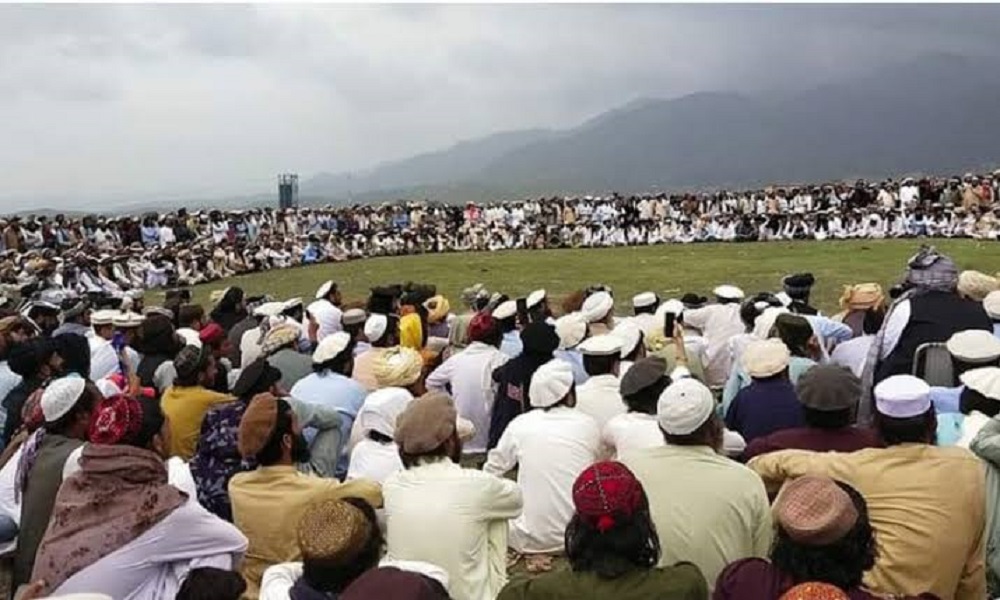
In a renewed push to stabilize the restive tribal regions bordering Afghanistan, the Pakistani government has moved to formally revive and institutionalize the traditional jirga system—a centuries-old mechanism for community-based dispute resolution—by integrating it into the national legal framework.
At a high-level meeting chaired by Federal Minister for Kashmir Affairs and Gilgit-Baltistan, and Minister for States and Frontier Regions Amir Muqam, federal and provincial officials agreed on a roadmap to reintroduce jirgas in Khyber Pakhtunkhwa (KP) province.
The initiative, endorsed by tribal elders and legal experts, seeks to deliver alternative justice mechanisms that resonate with local customs while remaining in line with Pakistan’s Constitution and legal standards.
“This system must reflect the real needs of the communities it serves,” said Minister Muqam. “It will not operate outside the law, but rather, within a legal framework that protects fundamental rights.”
A subcommittee has been established to steer the consultation process, and the next meeting is scheduled to take place in Peshawar.
Planning Minister Ahsan Iqbal emphasized the broader aim of reducing dependence on overstretched police forces in the province, stating: “The KP government is a critical stakeholder in this process, and we are committed to moving forward in collaboration.”
KP Governor Faisal Karim Kundi expressed appreciation for the federal government’s responsiveness to the concerns of tribal leaders, who have long sought culturally rooted yet legally sound solutions to long-standing disputes and insecurity.

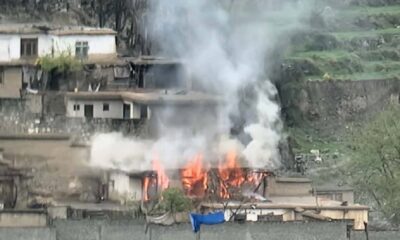



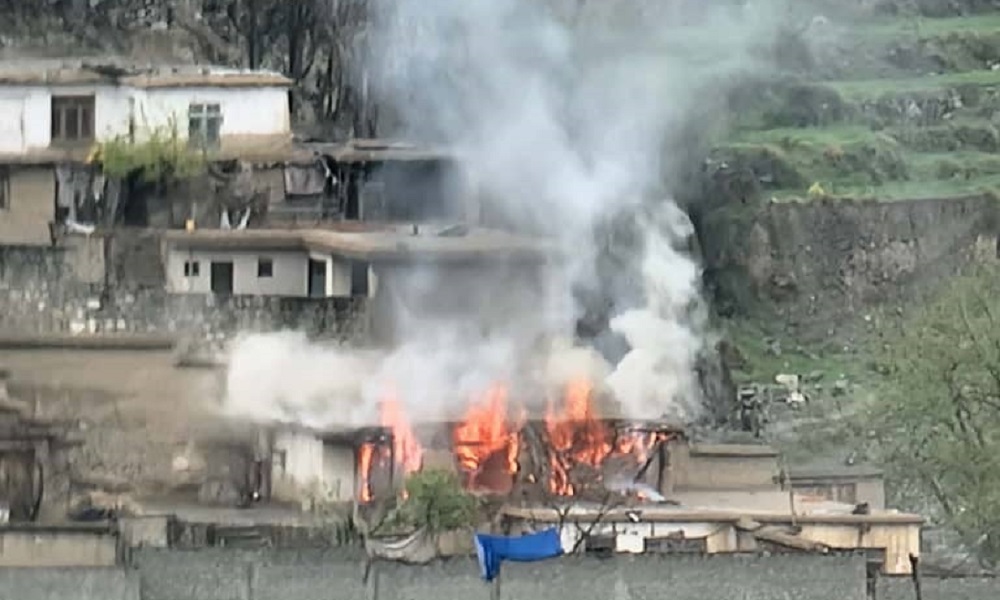
Farid Dehqan, spokesperson for the Khas Kunar police command, said that rocket attacks by the Pakistani military regime are still ongoing in the province.
These attacks come despite earlier announcements by the Pakistani military of a temporary ceasefire for Eid.
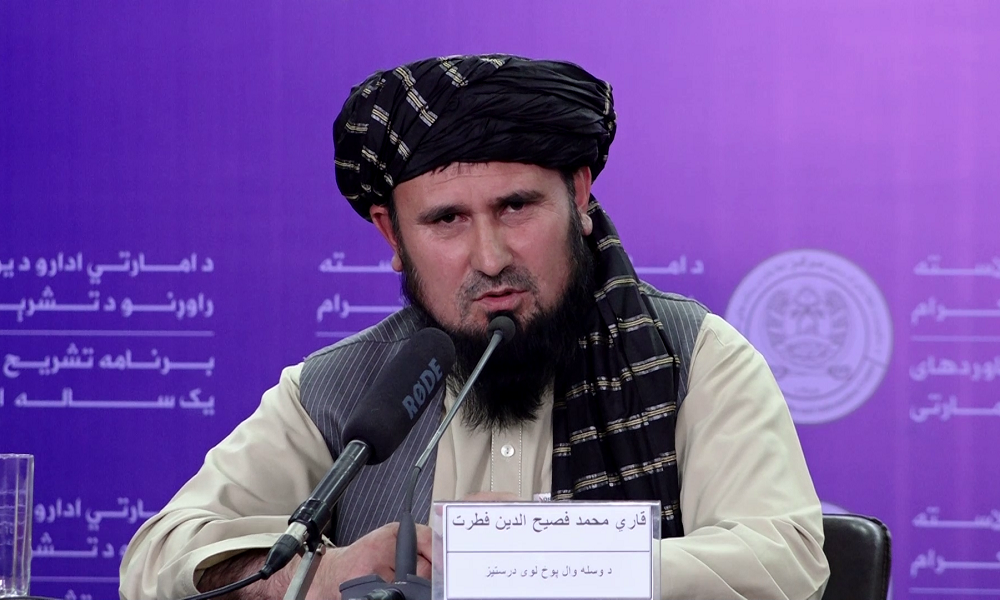
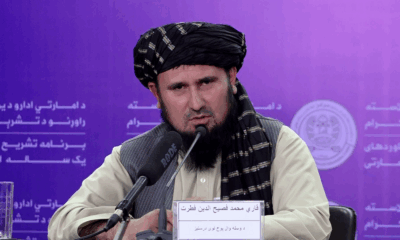
Afghanistan’s Chief of Armed Forces, Fasihuddin Fitrat, said in his Eid message that Pakistan’s military regime has violated the ceasefire along the Durand line.
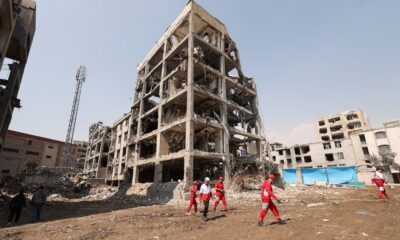
According to the Eid message released by the Ministry of Defense, several civilians were killed in attacks carried out by Pakistani forces in border areas.
Fitrat added that the continuation of Pakistan’s attacks despite the ceasefire “demonstrates a lack of commitment and deception” on the part of the country.
He stressed that the Islamic Emirate has refrained from retaliatory action in order to prevent further deterioration of the situation and has remained committed to the ceasefire.
However, he warned that if such attacks are repeated, “the ceasefire will become meaningless,” and the Islamic Emirate will deliver a “decisive response” to Pakistan’s actions.
It is worth noting that the Islamic Emirate and Pakistan reached a temporary ceasefire on the occasion of Eid al-Fitr through mediation by Qatar, Turkey, and Saudi Arabia.
Latest News
Security Sources: Pakistani military shelling in Kunar and Nuristan leaves female doctor dead
The sources said the vehicle was struck by gunfire and subsequently fell into the Kunar River.
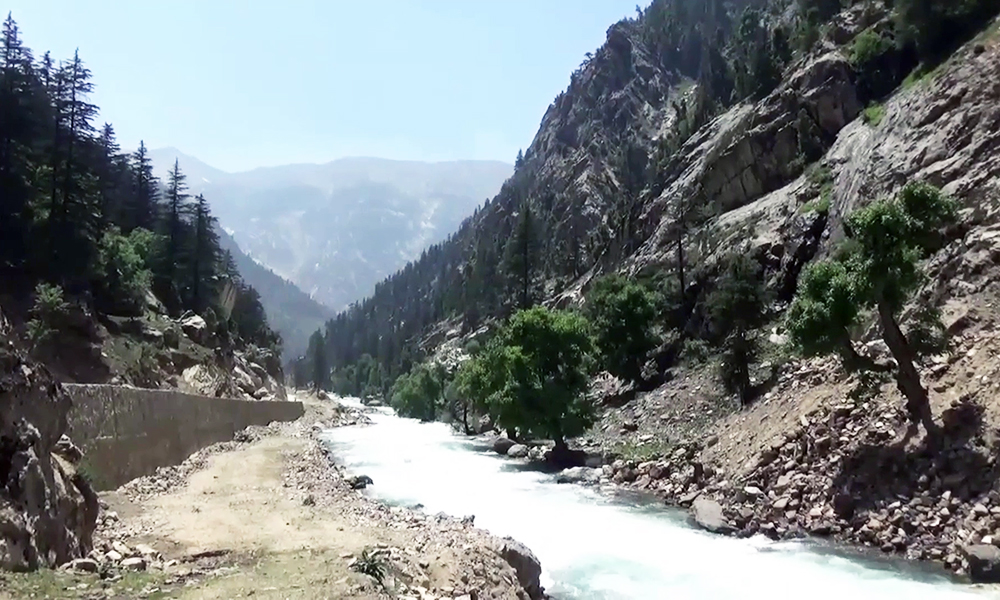
Security sources report that several security incidents in the eastern provinces of Kunar and Nuristan have resulted in the death of a female doctor, injuries to others, and several people reported missing.
According to the sources, early Thursday morning at around 9:30 a.m., Pakistani military forces opened fire on a Toyota vehicle in the Dokalam Baghcha area of Nari district in Kunar province.
The sources said the vehicle was struck by gunfire and subsequently fell into the Kunar River. As a result of the incident, a female doctor was killed and another person was injured. Five other individuals who were reportedly in the vehicle remain missing, the sources added.
In a separate incident, security sources stated that around 11:00 a.m. in the Seno area of Shultan district, Kunar province, Pakistani forces carried out artillery shelling that left one person injured. The injured individual was transferred to the provincial hospital for medical treatment.
Meanwhile, security sources in Nuristan say that despite Pakistan’s announced ceasefire, the main road between Kamdesh and Barg-e-Matal districts has been completely closed to traffic since Thursday morning.
According to the sources, the closure of the route has caused serious difficulties for local residents, preventing any movement in the area. The sources also claim that Pakistani military posts are located within close proximity of the road and have opened fire on people attempting to pass through the area.


Afghanistan national buzkashi falls short in Kokpar World Championship semifinals

Pakistan’s rocket attacks still ongoing on Nari district, Kunar

FIFA Council highlights football’s role in peace, announces record investments

FIFA sanctions Israeli Football Association over discrimination violations

IEA defense ministry accuses Pakistan of ceasefire violations

Pakistani military jet downed in Afghanistan’s Jalalabad, pilot captured alive

Afghan Air Force conducts airstrikes in Islamabad, other cities

Afghanistan welcomes investment and technology partnerships with India

Prominent Muslim scholar issues fatwa calling for Afghanistan-Pakistan ceasefire

Afghan air force strikes key Pakistani military installations in retaliatory operation

Tahawol: Temporary ceasefire draws broad support

Saar: Emphasis on resolving conflicts through diplomacy

Tahawol: Global reactions to Pakistan’s recent attacks discussed

Saar: Consequences of Pakistani airstrikes on Afghans discussed

Tahawol: Pakistan’s new attacks on Kabul hospital discussed
-
 Latest News4 days ago
IEA Supreme Leader issues Eid-ul-Fitr message urging unity and support for Islamic system
-
 Latest News5 days ago
Afghan airstrike targets a military camp in South Waziristan
-

 Business4 days ago
Turkmenistan, Afghanistan discuss steps to speed up land acquisition for TAPI pipeline
-

 Sport5 days ago
IPL 2026 kicks off in under two weeks; Afghan players set to shine
-
 Latest News2 days ago
IEA announces temporary pause in defensive operations against Pakistan for Eid
-
 Sport3 days ago
Afghanistan national buzkashi team defeats Hungary 14–0
-
 Latest News2 days ago
Pakistan opposes normal Afghanistan–India relations: Shaheen
-
 Latest News4 days ago
CAIR-Texas calls for probe after Afghan refugee dies in ICE custody