
Regional
Powerful earthquake kills at least 53 in Tibet, rattles Nepal
The epicentre of Tuesday’s earthquake was around 80 km north of Everest, the world’s highest mountain and a popular destination for climbers and trekkers

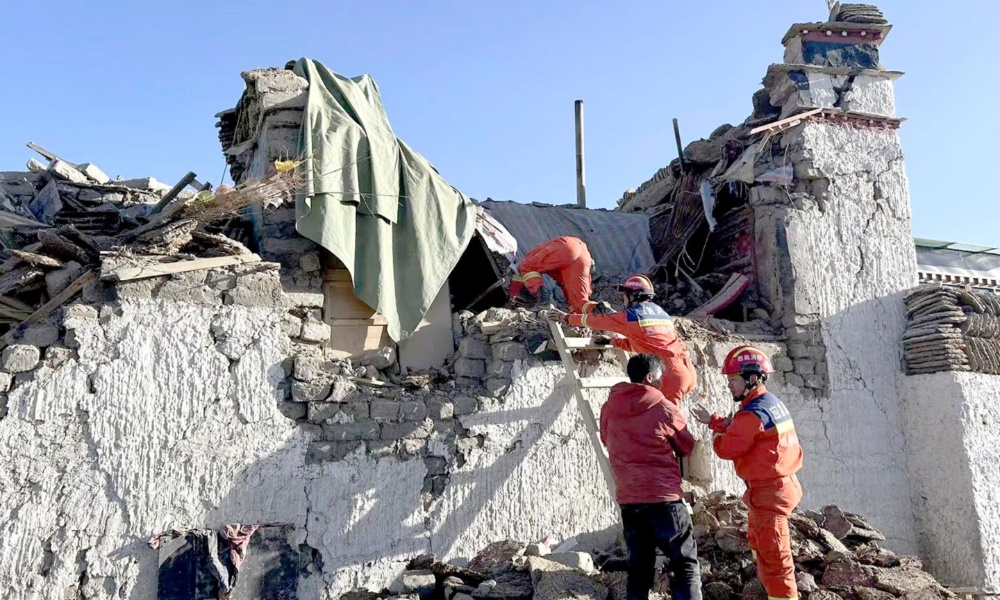
A magnitude 6.8 earthquake, rocked the northern foothills of the Himalayas near one of Tibet’s holiest cities on Tuesday, Chinese authorities said, killing at least 53 people and shaking buildings in neighbouring Nepal, Bhutan and India.
The quake hit at 9:05 a.m. Tibet time, with its epicentre located in Tingri, a rural Chinese county known as the northern gateway to the Everest region, at a depth of 10 km, according to the China Earthquake Networks Centre.
The U.S. Geological Service put the quake’s magnitude at 7.1.
At least 53 people had been killed and 62 injured on the Tibetan side, China’s state-run news agency Xinhua reported.
Southwestern parts of China, Nepal and northern India are frequently hit by earthquakes caused by the collision of the Indian and Eurasian tectonic plates.
A magnitude 7.8 tremor struck near Kathmandu in 2015, killing about 9,000 people and injuring thousands in Nepal’s worst ever earthquake.
Among the dead were at least 18 people killed at the Mount Everest base camp when it was smashed by an avalanche.
Tuesday’s epicentre was around 80 km north of Everest, the world’s highest mountain and a popular destination for climbers and trekkers.
Winter is not a popular season for climbers and hikers in Nepal, with a German climber the lone mountaineer with a permit to climb Mount Everest.
He had already left the base camp after failing to reach the summit, Lilathar Awasthi, a Department of Tourism official, said.
Nepal’s National Disaster Risk Reduction and Management Authority (NDRRMA) said the tremors were felt in seven hill districts bordering Tibet.
“So far we have not received any information of any loss of life and property,” NDRRMA spokesman Dizan Bhattarai told Reuters.
“We have mobilised police, security forces and local authorities to collect information,” he said.
Many villages in the Nepalese border area, which are sparsely populated, are remote and can only be reached by foot.
The impact of the quake was felt across the Shigatse region of Tibet, home to 800,000 people. The region is administered by Shigatse city, the traditional seat of the Panchen Lama, one of the most important figures in Tibetan Buddhism.
Chinese President Xi Jinping said all-out search and rescue efforts should be carried out to minimise casualties, properly resettle the affected people, and ensure a safe and warm winter.
Villages in Tingri, where the average elevation is around 4,000-5,000 metres, reported strong shaking during the quake, which was followed by dozens of aftershocks with magnitudes of up to 4.4.
Crumbled shop fronts could be seen in a video on social media showing the aftermath from the town of Lhatse, with debris spilling out onto the road.



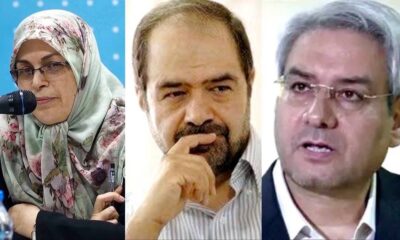



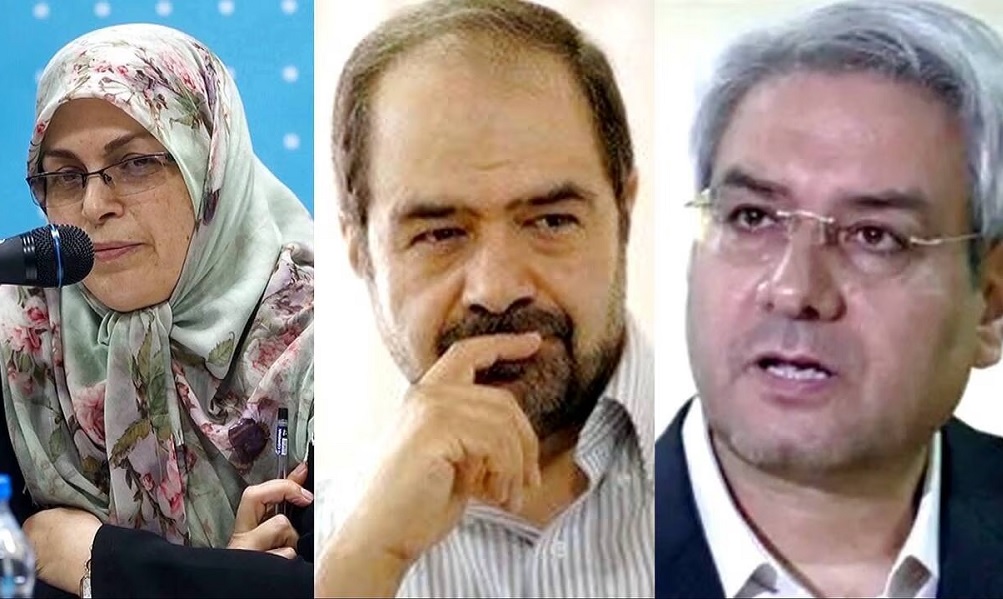
The Islamic Iran Nation’s Union Party sought the release of secretary-general Azar Mansouri, the Shargh newspaper said on Monday, after her arrest along with other members of the Reform Front, an umbrella body of Iranian reformists and moderates.
A campaign of mass arrests and intimidation has led to the arrests of thousands as authorities seek to deter further protests after last month’s crackdown on the bloodiest unrest since the 1979 Islamic Revolution.
On Sunday, state media said three senior figures from Iran’s Reform Front were arrested, among them Ebrahim Asgharzadeh, Mohsen Aminzadeh, and Azar Mansouri, who acts as the front’s head, according to Reuters.
Shargh said at least two more Reform Front members were asked to report to the prosecutor’s office in Tehran’s Evin prison on Tuesday.
The Reform Front’s spokesperson, Javad Emam, was also arrested, Mansouri’s lawyer, Hojjat Kermani, said on Monday, adding that it was unclear what charges faced those detained.
“We basically don’t know what caused these arrests, because the Reform Front has not yet issued a statement about the recent events (protests),” Kermani told the Iranian Labour News Agency (ILNA). “Individuals may have commented on their own.”
On Sunday, the judiciary’s media outlet Mizan said “four important political elements supporting the Zionist (regime) and the United States” were indicted, but gave no details.
Tehran has blamed unrest-related violence on “rioters and armed terrorists” it says were backed by its key enemies, Israel and the United States.
Past Reform Front statements have been highly critical of authorities. After the 12-day war against Israel, its members warned that “incremental collapse” awaited the country if it did not adopt fundamental reforms.
Kermani said the recent arrests were not related to a judicial case launched against the Front after that statement, however.
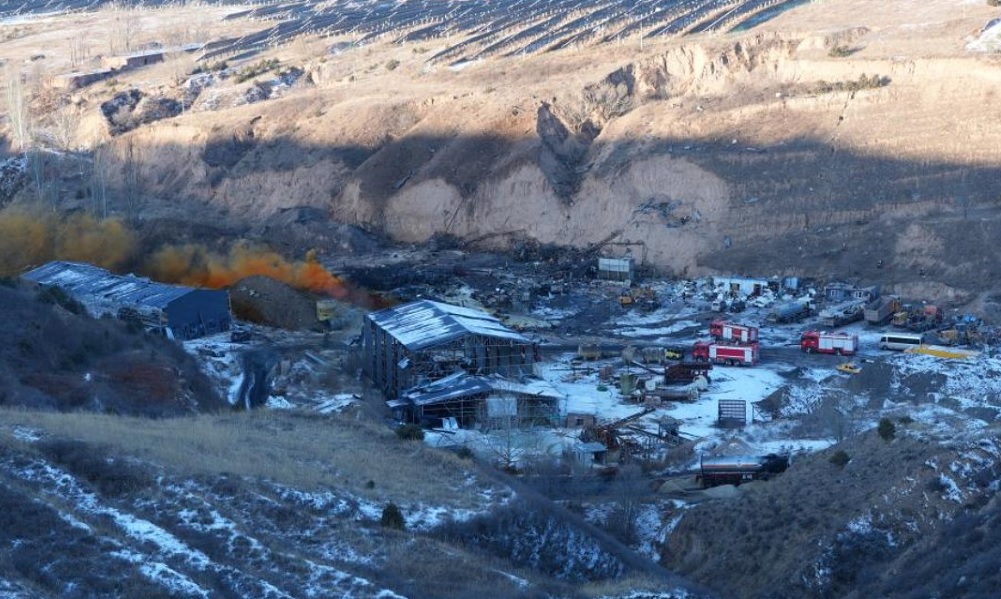
An explosion at a small biotech company in northern China early Saturday killed eight people, China’s state media reported on Sunday.
The explosion occurred in Shuoyang in the Shanxi province in the early morning of Saturday, state media reported, according to Reuters.
The legal representative of Jiapeng Biotechnology has been detained and the city has set up an accident investigation team, Xinhua News Agency reported.
The firm is located in a mountain hollow and dark yellow smoke was seen billowing from the accident site, Xinhua said.
Reuters was not able to contact the company, which does not maintain a website. The cause of the reported explosion was not immediately clear.
Founded in June 2025, Jiapeng Biotechnology conducts research on animal feed, coal products and building materials, according to its corporate registration.
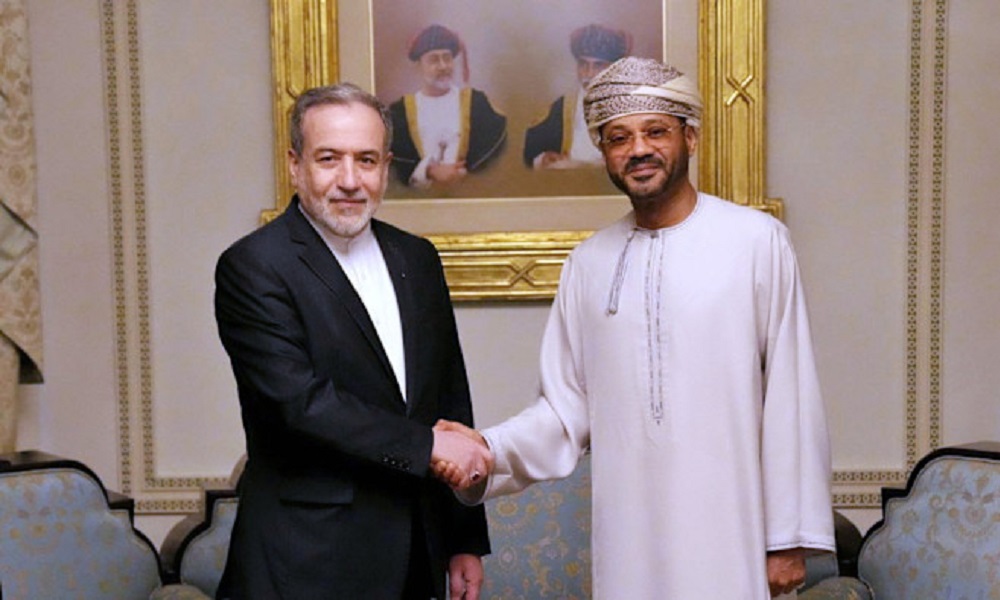
Iran’s foreign minister on Friday described talks with the United States in Oman as a “good start,” saying the negotiations “can also have a good continuation,” Iranian state media reported.
The discussions, mediated by Oman, marked a resumption of nuclear diplomacy between Tehran and Washington. Iranian state media said the current round of talks concluded on Friday, with both delegations returning to their respective capitals.
Speaking to state media reporters in Muscat, Iranian Foreign Minister Abbas Araghchi said the talks’ progress depends on the U.S. and on decisions made in Tehran.
Araghchi said a “significant challenge” remains, citing a prevailing atmosphere of distrust. He said Iran’s priority is to overcome this distrust and then establish an agreed framework for the talks and the issues on the table.
He described the talks as a fresh round of dialogue after eight turbulent months that included a war, saying the accumulated distrust presents a major obstacle to negotiations.
“If this same approach and perspective are maintained by the other side, we can reach an agreed framework in future sessions,” Araghchi said, adding that he did not want to judge prematurely.
Iranian Foreign Ministry spokesman Esmaeil Baqaei also confirmed on the social media platform X that both sides agreed to continue talks and would decide the next round in consultation with their capitals.


Tahawol: Pakistan’s Foreign Policy Failure of Towards Afghanistan discussed

Saar: Regional Problems, Opportunities, and Challenges discussed

Pakistan to repatriate nearly 20,000 Afghans awaiting US resettlement

Terrorist activities observed along Afghanistan borders, says Lavrov

Afghan border minister holds phone talks with Iran’s deputy foreign minister

Afghanistan–China joint market opens in Kabul

Pakistan approves re-export of stranded Afghan transit trade cargo

ATN secures broadcast rights to Carabao Cup semis across Afghanistan

Pakistan army orders evacuation of Tirah Valley, fears of mass displacement grow

Afghan traders sign deal to import pharmaceuticals from Bangladesh
Tahawol: Pakistan’s Foreign Policy Failure of Towards Afghanistan discussed
Saar: Regional Problems, Opportunities, and Challenges discussed

Saar: Afghanistan’s relations and opportunities with regional countries

Tahawol: Kabul’s response to Pakistan’s new accusation discussed

Saar: Discussion on Iran-US talks in Oman
-
 Latest News2 days ago
Afghanistan to grant one- to ten-year residency to foreign investors
-
 Latest News5 days ago
Terrorist threat in Afghanistan must be taken seriously, China tells UNSC
-

 Sport4 days ago
Indonesia shock Japan to reach historic AFC Futsal Asian Cup final
-
 Sport4 days ago
Milano Cortina 2026 Winter Olympics: What You Need to Know
-

 Sport2 days ago
Iran clinch AFC Futsal Asian Cup 2026 in penalty shootout thriller
-
 Latest News5 days ago
US Justice Department to seek death penalty for Afghan suspect in National Guard shooting
-
 Latest News3 days ago
Afghanistan says Pakistan is shifting blame for its own security failures
-
 Latest News4 days ago
Uzbekistan, Kazakhstan discuss cooperation on Afghanistan