
Latest News
Presidential Citadel denies start of Peace Talks with Taliban

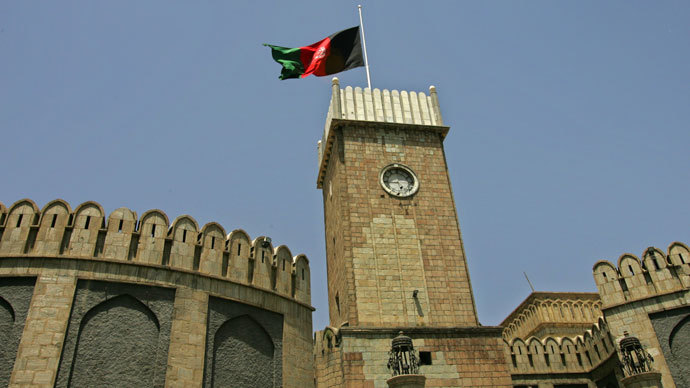

President spokesman made a statement to consider the trip of members of High Peace Council to Qatar was to attend a summit and denied the start of Peace Talks with the armed Taliban group.
Afghan government officials and Taliban militants began two days of meetings on Sunday in the gulf state of Qatar, and for once neither side denied that the sessions were taking place.
Both were also quick to insist that they were not holding peace talks. A statement by the Taliban called the meetings a “research conference,” while Afghan government officials described them as “scientific discussions.”
The closed-door talks hosted by Qatar’s foreign ministry represent a tentative sign of life in the effort to end the devastating 13-year-old war in Afghanistan.
The informal talks, hosted by Qatar’s foreign ministry, came as fighting escalated after the withdrawal of most U.S. and allied troops. The Taliban recently launched an offensive in northern Afghanistan that brought its fighters to the outskirts of Kunduz city, a provincial capital.
According to Reuters, Participants in Sunday’s meeting in Al-Khor, a seaside town north of Doha, emerged from the venue smiling and laughing on Sunday but refused to talk to waiting reporters.
One Taliban participant in the talks told Reuters by telephone late on Sunday that an eight-member Taliban delegation, headed by Sher Mohammad Abbas Stanekzai, had held direct dialogue with Afghan officials.
“After the dialogue began, our people gave demands and conditions in written form and … distributed copies among all the participants,” he said on condition of anonymity.
“Then the dialogue started openly, and the Afghan delegation and Qayyum Kochai, uncle of (Afghan) President Ashraf Ghani, demanded we stop our fighting and announce a ceasefire. They called us brothers and advised us to come to Afghanistan and obey the Afghan constitution,” he said.
In the meantime, Afghanistan Wolesi Jirga- the lower house of parliament are said to not believe Pakistan provide facilities for peace talks between Afghan government and Taliban.
They said that Pakistan has always sought to deceive Afghansitan and would never bring Taliban to the negotiation table.
However, Afghan government considers peace one of the top priorities of the government but it had not any achievements in the process so far.
Pakistan has long been seen as an important potential broker of any peace process between the Afghan government and the Taliban, given that many insurgent leaders have found continued shelter there. But the Qatari conference represented an effort by the Taliban to strike out independently of the Pakistanis.
Reported by Ahmad Farshad Saleh

Latest News
Hajj Pilgrims perform stoning ritual at Jamrat al-Aqaba in smooth operation
Over the decades, the Hajj pilgrimage has faced several major tragedies, largely linked to crowd crushes, extreme heat, and tent fires during peak rituals.
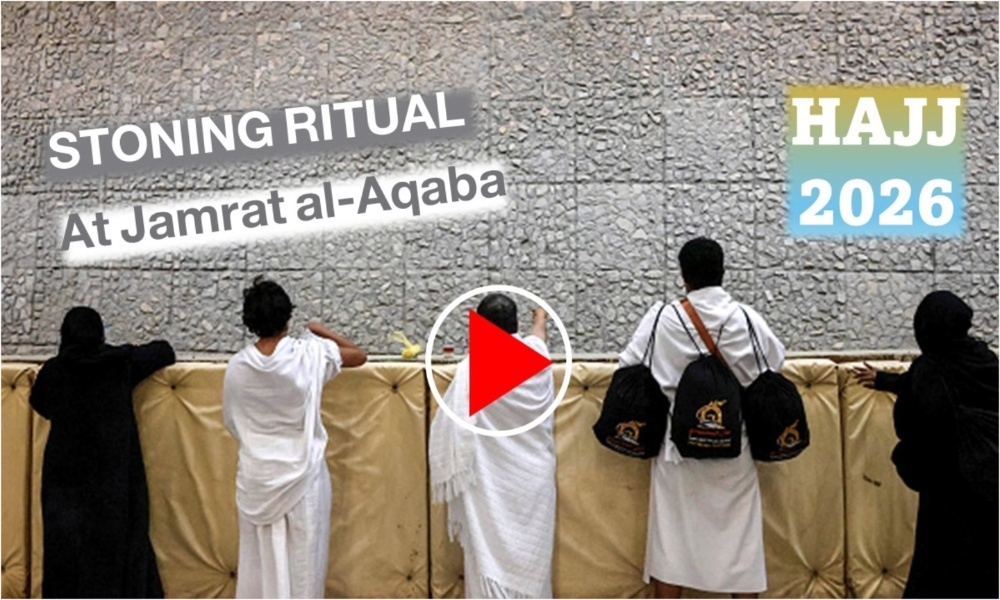
Large numbers of Hajj pilgrims began performing the stoning ritual in Mina from the early hours of the first day of Eid al-Adha, casting seven pebbles at the largest pillar, Jamrat al-Aqaba, amid smooth and orderly movement in line with the approved crowd-management plan.
Pilgrims carried out the ritual in an organised manner across the levels of the Jamarat Bridge, with no overcrowding or pushing reported. Security, medical, ambulance, sanitation, and civil defence teams were fully deployed throughout the area, while security personnel regulated the flow of pilgrims at entrances, exits, and surrounding routes.
Movement toward the Jamarat Bridge and surrounding courtyards remained gradual and well-coordinated, with pilgrims travelling in managed groups distributed across different levels according to the operational plan.
After completing the ritual, they returned smoothly to their accommodation sites, while roads across Mina experienced steady and flexible traffic flow for both vehicles and pedestrians throughout the day.
Careful crowd control
Over the decades, the Hajj pilgrimage has faced several major tragedies, largely linked to crowd crushes, extreme heat, and tent fires during peak rituals. In response, Saudi authorities have invested heavily in expanding infrastructure and improving crowd-management systems to reduce risks and enhance pilgrim safety.
One of the deadliest incidents occurred in 1990, when 1,426 pilgrims died in a stampede inside a pedestrian tunnel in Mina due to overcrowding and ventilation failure.
In 2015, another major disaster struck during the stoning ritual at Jamarat, where at least 2,000 pilgrims were killed in a crowd crush, making it one of the worst incidents in Hajj history.
Extreme weather has also taken a heavy toll. During the 2024 Hajj season, more than 1,300 pilgrims reportedly died amid an intense heatwave, with temperatures exceeding 50°C, leading to widespread cases of heatstroke and dehydration.
Earlier disasters also prompted major safety reforms, including the Mina tent fires of 1975 and 1997.
The 1975 blaze, triggered by a gas cylinder explosion, killed around 200 people, while the 1997 fire claimed more than 340 lives.
Following these incidents, authorities replaced traditional tents with modern fire-resistant structures as part of broader safety upgrades.
Latest News
Mujahid calls for stronger Afghanistan-Russia relations during Moscow meeting
Mujahid also said Afghan security forces had made major gains against what he referred to as “seditionist networks,” stressing that security and stability had improved across the country.
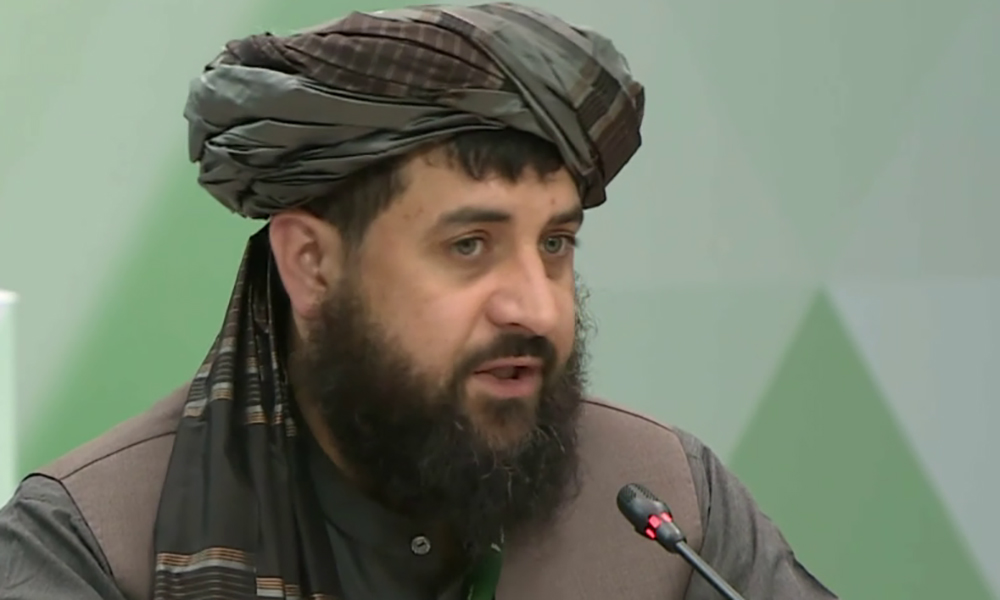
Mawlawi Mohammad Yaqoob Mujahid, Defense Minister of the Islamic Emirate of Afghanistan (IEA), has emphasized the importance of expanding relations with Russia during a meeting with Sergei Shoigu, Secretary of Russia’s Security Council.
This meeting took place on the sidelines of an international security conference in Moscow.
According to details released from the meeting on Wednesday, the two sides discussed bilateral relations, regional security cooperation and the current situation in Afghanistan.
Mujahid described Afghanistan’s relationship with Russia as being of “special importance” and expressed hope that cooperation between the two countries would continue to grow broader, stronger and more comprehensive in the future.
He said Afghanistan continues to face economic and humanitarian challenges following what he described as two decades of U.S. occupation, but added that the Islamic Emirate has made significant progress across multiple sectors since returning to power.
The defense minister stated that the Islamic Emirate has strengthened nationwide security, implemented economic and administrative reforms and achieved political progress within a short period.
Mujahid also said Afghan security forces had made major gains against what he referred to as “seditionist networks,” stressing that security and stability had improved across the country.
The meeting comes amid increasing engagement between Kabul and Moscow, with both sides signaling interest in expanding political, economic and security cooperation.
Latest News
Afghanistan, Russia sign military cooperation agreement
The deal is expected to strengthen defense and security cooperation between the two countries.
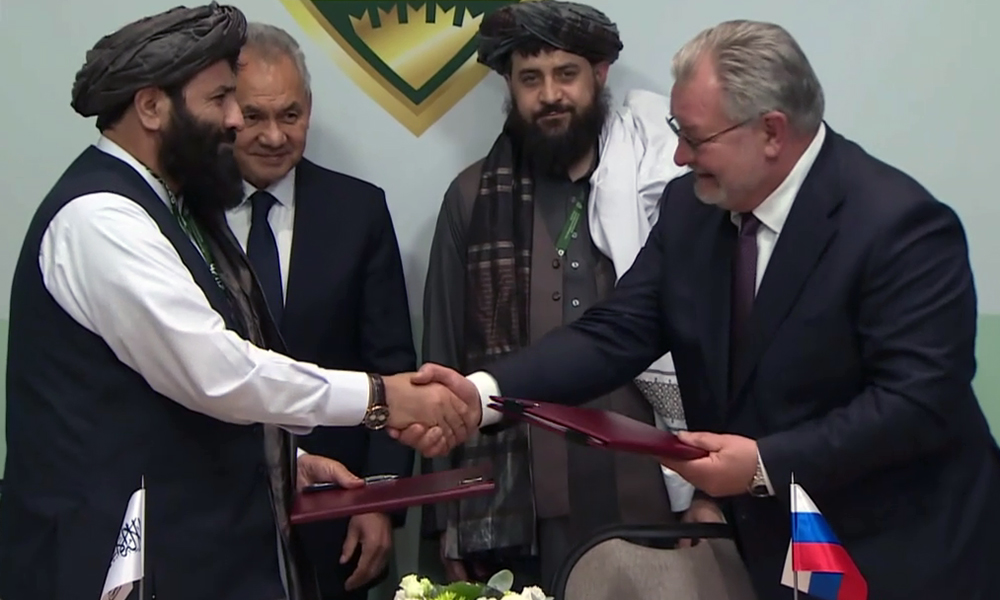
Afghanistan and Russia signed a military-technical cooperation agreement during the International Security Forum held this week in the Moscow region, marking another step in the expanding relationship between Kabul and Moscow.
The agreement was signed on May 27 on the sidelines of the forum, according to Russian media reports. While officials have not publicly disclosed the details of the document, the deal is expected to strengthen defense and security cooperation between the two countries.
The signing comes amid growing diplomatic engagement between the Islamic Emirate of Afghanistan (IEA) and Russia. Afghan Defense Minister Mohammad Yaqoob recently told Russian Security Council Secretary Sergey Shoigu that bilateral cooperation between Kabul and Moscow had significantly expanded in recent months.
Earlier this month in Bishkek, Shoigu said Russia had established direct dialogue with the Islamic Emirate and was working toward what he described as a “full-fledged partnership” with Afghanistan’s current authorities. He also urged regional countries to broaden engagement with Kabul.
Relations between Afghanistan and Russia have steadily improved since the IEA returned to power in 2021. In April 2025, Russia’s Supreme Court suspended the longstanding ban on the Islamic Emirate’s activities in Russia, paving the way for deeper political, economic and security cooperation.
Moscow has increasingly positioned Afghanistan as an important regional partner as Russia seeks to strengthen its influence in Central and South Asia following major geopolitical shifts in the region.
The agreement was signed as Russia continues to expand its broader military posture. Russian lawmakers recently granted President Vladimir Putin greater authority to deploy troops abroad in cases involving the detention of Russian citizens overseas.
The Washington-based Institute for the Study of War has also reported that Russia is expanding its nuclear capabilities at what it described as the fastest pace since the Cold War.


Saar: Afghanistan, Russia sign military cooperation agreement

Afghanistan expands oil production as investment in Amu Darya fields grows

Hajj Pilgrims perform stoning ritual at Jamrat al-Aqaba in smooth operation

Norway will come under France’s nuclear umbrella, leaders say

IPL: 15-year-old’s record-breaking blitz sends Rajasthan Royals into Qualifier 2

New Afghanistan-China transport corridor launched via Turkmenistan

Afghanistan signs $46 million deal to develop standard laboratory complexes

Germany to launch online visa system for Afghan study and work applicants in Pakistan

Afghanistan launches first 5G trial in Kabul to boost telecom services

Large blast near Beit Shemesh part of pre-planned test: Israeli defense firm
Saar: Afghanistan, Russia sign military cooperation agreement

Saar: IEA seeking Sharia-based global engagement

Tahawol: Islamic Emirate defense minister’s visit to Russia

Saar: Calls to expand Afghanistan-Qatar ties discussed

Tahawol: Afghanistan-Japan relations reviewed
-
 Business4 days ago
Major pharma firms eye investment in Afghanistan
-
 Sport1 day ago
Afghanistan announce squad for India series
-
 Latest News4 days ago
Deadly shooting near Kabul’s Sarai Shahzada leaves four dead
-

 Sport3 days ago
IPL 2026 Playoffs Confirmed: RCB, GT, SRH and RR reach top four
-
 Regional4 days ago
At least 24 killed in deadly train bombing in Pakistan’s Balochistan
-

 Latest News4 days ago
IEA Supreme Leader urges unity, preservation of Islamic system in Eid al-Adha message
-
 Latest News3 days ago
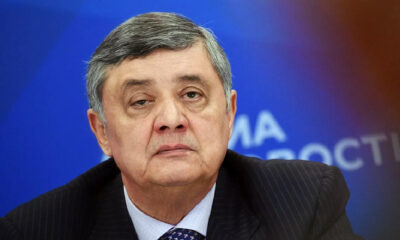
Moscow expects UNAMA mission in Afghanistan to continue under certain conditions: Kabulov
-
 Latest News2 days ago
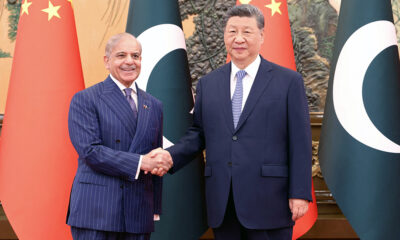
China and Pakistan deepen Afghanistan cooperation after Beijing talks