
Latest News
Tuberculosis Kills over 15,000 Afghans Every Year

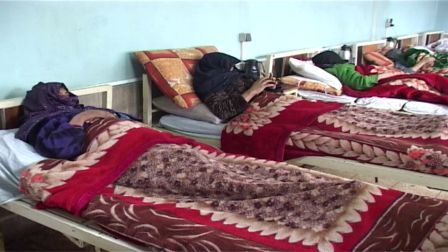
Afghanistan is among the countries in the world that suffer from a high burden of tuberculosis – more than 15,000 Afghans die each year because of the disease.
Addressing a ceremony to mark the World Tuberculosis Day on Tuesday, Chief Abdullah Abdullah said that political issues have caused the government to pay less heed for improving health problems in the country.
He added the government will focus on easing the issues facing the Afghan people.
According World Health Organization, the burden of tuberculosis (TB) is increasing in Afghanistan, with an estimated 61 000 people infected annually.
Those most at risk for contracting tuberculosis include women and children, poor and malnourished people, refugees and internally displaced persons and the elderly. Afghan Women in Afghanistan are particularly vulnerable to the disease as they constitute two thirds of all TB patients.
“Addressing issues of Tuberculosis is one of the main priorities of the ministry,” said Health Minister Feruzuddin Feruz. “The ministry singly cannot control the TB disease since it is directly related to poverty, and therefore, fighting against poverty requires intergovernmental cooperation.”
At the event, the representative of UNDP has said that they are committed to work alongside the Afghan government and partners to address these social issues through comprehensive approach of policy and capacity development programs to ensure equal rights and access to all services.
Tuberculosis is an infectious disease most often affecting the lungs. The symptoms of active pulmonary TB include cough (sometimes with sputum or blood), fatigue, loss of appetite, weight loss, fever, chills and night sweats.



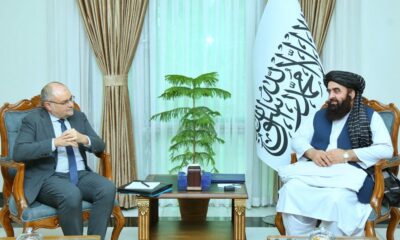



Afghanistan’s Foreign Minister, Amir Khan Muttaqi, says the country’s future development depends on strengthening knowledge in both religious education and modern scientific fields.
Speaking at a graduation ceremony for Huffaz at Riyaz-ul-Uloom on Thursday, Muttaqi said the foundations of learning in Afghanistan are “growing stronger each day,” noting progress in both religious seminaries and contemporary academic disciplines.
He stressed that Afghanistan can only advance and “be freed from oppression” when its people gain expertise in both domains. The country, he said, needs not only religious scholars but also professionals such as doctors, engineers, and scientists.
Muttaqi added that the Islamic Emirate is working “day and night” to expand educational opportunities and support the development of skilled Afghans across all sectors.
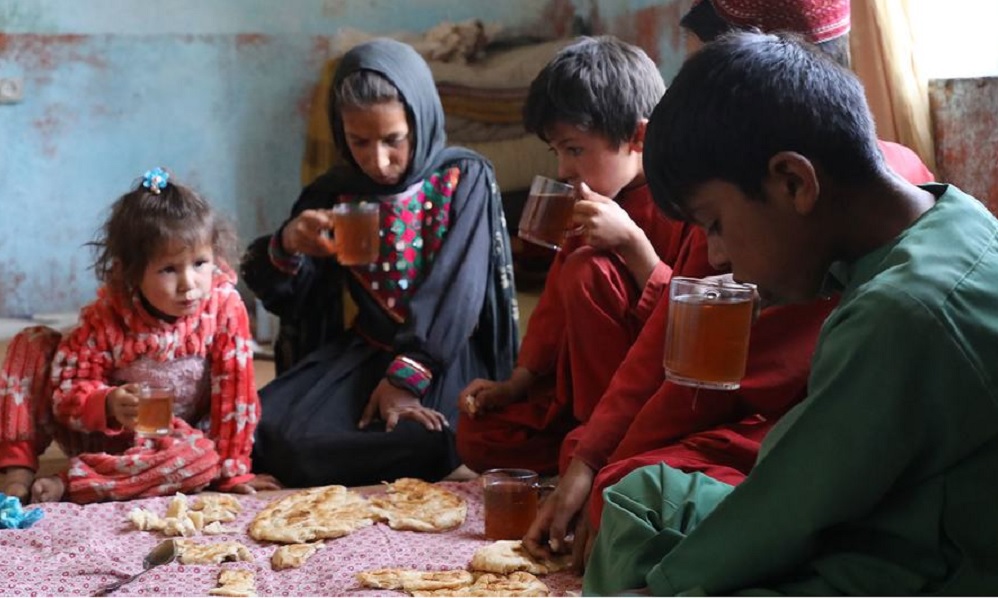
The European Union (EU) has announced a 25 million euros contribution through the United Nations World Food Programme (WFP) to strengthen community resilience and promote more nutritious diets across Afghanistan.
“The European Union’s new contribution to WFP demonstrates our continued commitment to the Afghan people, notably women, children, and vulnerable local communities,” said Veronika Boskovic-Pohar, EU Chargé d’affaires in Afghanistan. “Agriculture and food value chains must be equipped to bolster Afghans’ nutrition, health, and economic resilience. Through our integrated approach to climate resilience, we are also helping vulnerable rural communities protect their livelihoods and income against natural disasters and long-term devastating impacts of climate change.”
The funding will support WFP initiatives focused on improving food value chains and climate adaptation. Key projects include upgrading community assets such as flood protection walls and irrigation systems, reducing climate-related risks, and safeguarding productive assets essential for local economic stability.
A significant portion of the investment will build on WFP’s school meals programme, training women’s associations and youth entrepreneurs to supply fresh, fortified snacks to schoolchildren. This approach aims to stimulate local economies while creating sustainable livelihood opportunities.
John Aylieff, WFP Representative and Country Director in Afghanistan, expressed gratitude for the EU’s support, noting that the investment aims to deliver a “triple return: stronger livelihoods and resilience, more robust local food systems, and expanded opportunities for women and youth.”


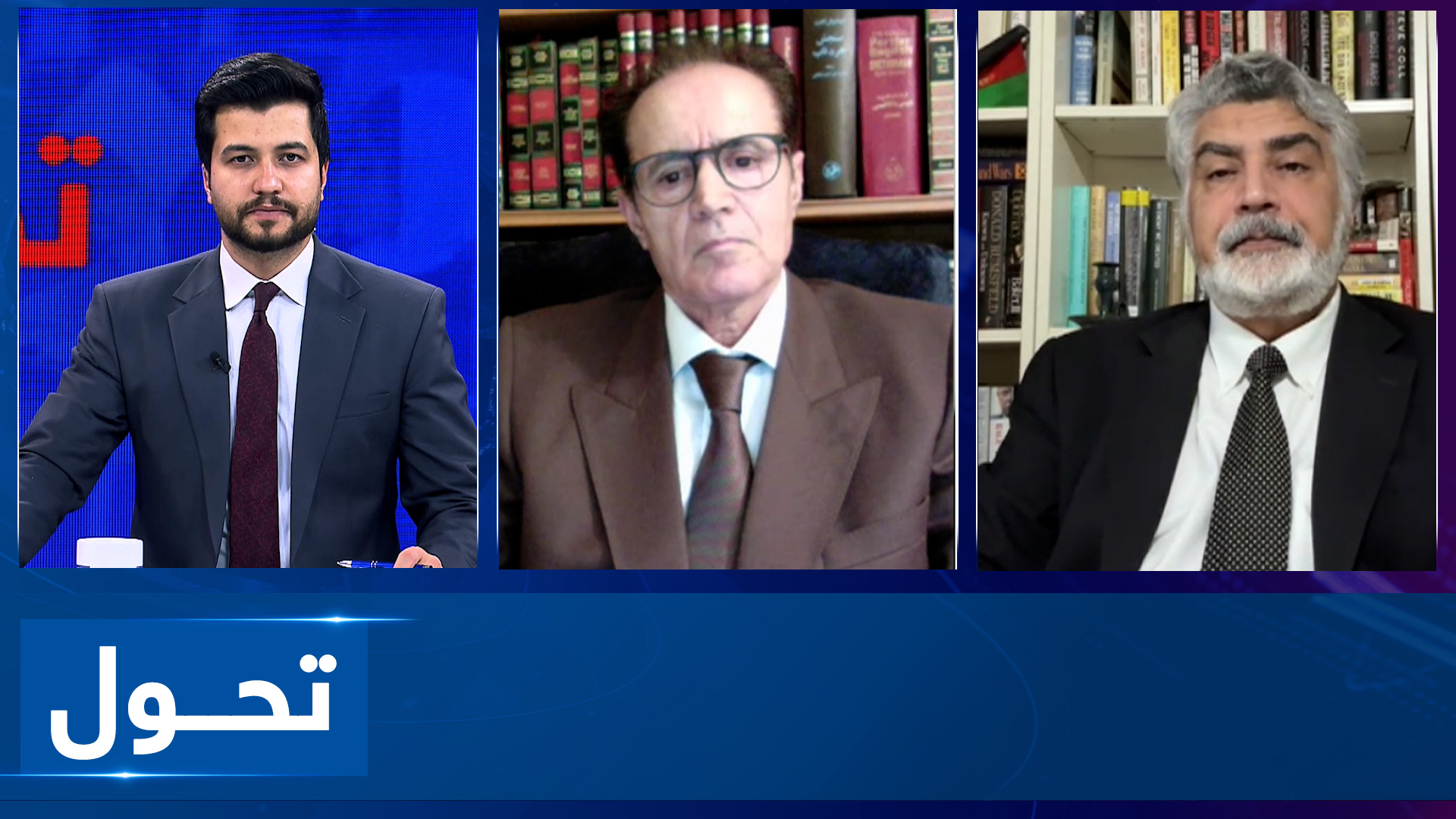
Tahawol: UNSC’s periodic meeting on Afghanistan discussed

Saar: Calls to avoid using Afghan soil against nations

Muttaqi: Afghanistan’s progress requires both religious and modern education

Victories for Sorkh Poshan Khafi and Abu Muslim Farah in Afghanistan Champions League

EU announces 25 million euros to boost food security and resilience in Afghanistan

Pakistan will lose big market in both Afghanistan, Central Asia: Sarhadi

Afghanistan records $580m in fruit exports in six months

Tashkent: Central Asian leaders say regional stability hinges on Afghanistan

Afghan Abdalyan beat Sri Lanka A by 3 wickets in Rising Stars Asia Cup opener

Afghanistan U19 cricket team defeats India A U19
Saar: Calls to avoid using Afghan soil against nations

Tahawol: UNSC meeting outcome regarding Afghanistan discussed

Saar: Ongoing Kabul–Islamabad tensions discussed

Tahawol: Pakistan’s warning on Afghanistan reiterated

Saar: UN’s meeting on Afghanistan reviewed
-

 Sport5 days ago
ILT20: Nissanka fires Gulf Giants to four-wicket win over Dubai Capitals
-
 Business4 days ago
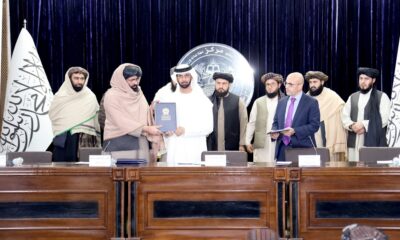
Afghanistan signs agreement with DP World to bolster ports infrastructure
-
 Latest News4 days ago
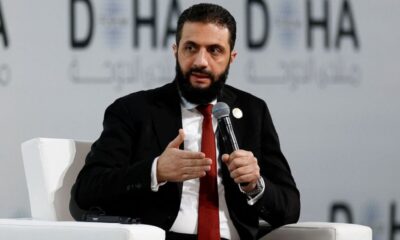
Syria’s President challenges West’s counter-terrorism claims in Afghanistan and Iraq
-
 Latest News5 days ago
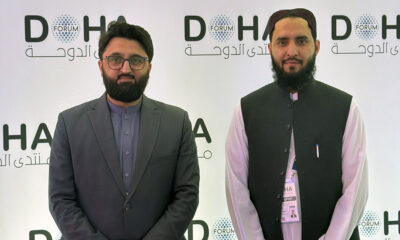
Doha Forum spotlights Afghanistan’s emerging role in regional connectivity
-
 Latest News5 days ago
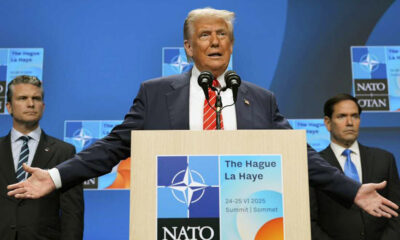
US sets 2027 deadline for Europe-led NATO defense, officials say
-

 3 days ago
Iran seeks broad expansion of cooperation with Afghanistan
-

 Sport2 days ago
ILT20: Desert Vipers edge Gulf Giants in historic super over thriller
-
 Business4 days ago
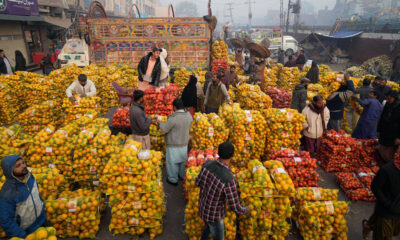
Pakistan’s citrus export crisis deepens amid ongoing Afghanistan trade route closure