
Latest News
UN Afghan staff told to stay home as IEA signals UN female ban

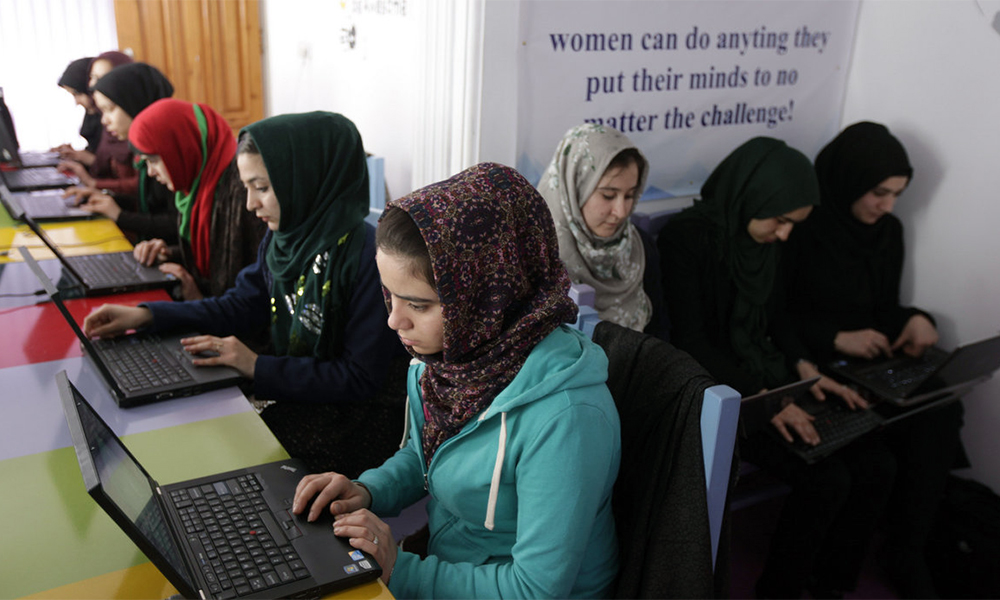
The United Nations told some 3,300 Afghan staff not to come to work in Afghanistan for the next two days after the Islamic Emirate authorities signaled on Tuesday that they would enforce a ban on Afghan women working for the world body, Reuters reported.
UN officials in Afghanistan “received word of an order by the Islamic Emirate authorities that bans female national staff members of the United Nations from working,” UN spokesperson Stephane Dujarric told reporters in New York.
The UN is looking into impacts and will meet with Afghan foreign ministry officials in Kabul on Wednesday to seek further clarity, he said. About 400 Afghan women work for the UN, read the report.
Two UN sources told Reuters that concerns over enforcement had prompted the organization to ask all staff – male and female – not to come to work for 48 hours. Friday and Saturday are normally weekend days in Afghanistan, meaning UN staff would not return until Sunday at the earliest.
The UN mission in Afghanistan (UNAMA) earlier on Tuesday expressed concern that female staff in the eastern province of Nangarhar had been stopped from reporting to work.
“There was a much more official communication made in (Nangarhar provincial capital) Jalalabad. We were told through various conduits that this applied to the whole country,” Dujarric, adding there was nothing writing.
“Female staff members are essential for the United Nations to deliver life-saving assistance,” he said, adding that some 23 million people – more than half Afghanistan’s population – need humanitarian aid.
The Islamic Emirate of Afghanistan (IEA) administration and the Afghan information ministry did not immediately respond to requests for comment, Reuters reported.
UN Secretary-General Antonio Guterres condemned the ban enforcement in Nangarhar, posting on Twitter: “If this measure is not reversed, it will inevitably undermine our ability to deliver life-saving aid to the people who need it.”
The IEA administration, which seized power as US-led forces withdrew from Afghanistan after 20 years of war, says it respects women’s rights in accordance with its strict interpretation of Islamic law.
Since toppling the Western-backed government in Kabul, the IEA have tightened controls over women’s access to public life, including barring women from university and closing most girls’ high schools, Reuters reported.
In December, IEA authorities stopped most female humanitarian aid employees from working, which aid workers say has made it more difficult to reach women in need and could lead donors to hold back funding.
The restrictions did not initially apply to the UN and some other international organizations. In January, UN Deputy Secretary-General Amina Mohammed flagged concerns that authorities could next restrict Afghan women working at international organizations.
It was not immediately clear whether foreign embassies in Kabul had received similar instructions on female staff.
A ban on Afghan female UN workers could pose major challenges to continued UN operations in Afghanistan. The founding UN Charter states that no restrictions be placed on the eligibility of men and women to work for the UN.
Aid officials have also flagged the risk that donor countries will reduce funding due to frustration over restrictions on women as other international crises take hold, Reuters reported.
The UN has made its single-largest country aid appeal ever, asking for $4.6 billion in 2023 to deliver assistance in Afghanistan. So far it is less than 5% funded.





Latest News
Four members of one family killed in Helmand in Pakistan airstrike
The family, originally from Ghazni province, reportedly operated a small restaurant in the area.
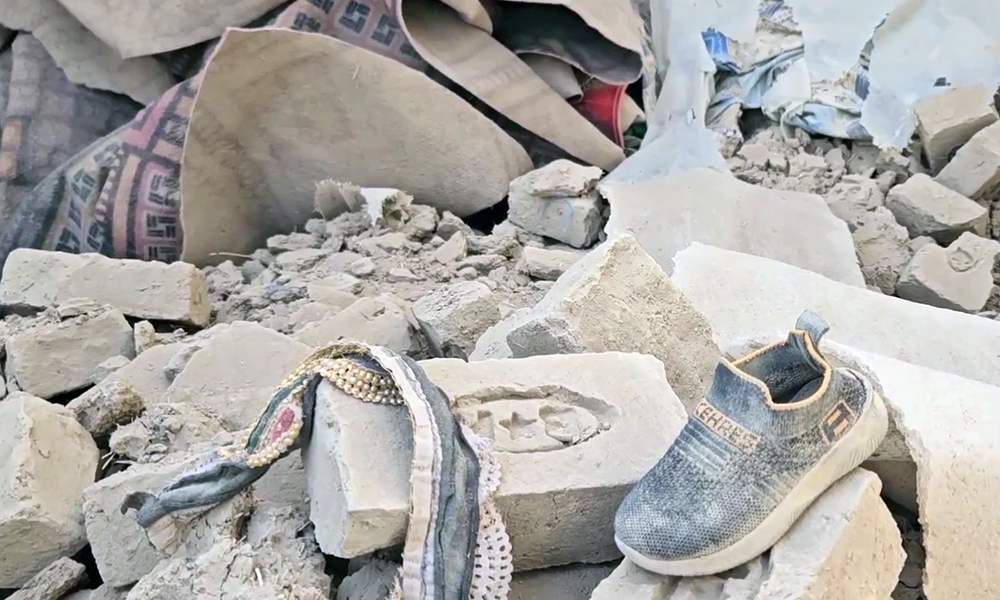
Four members of a family were killed and seven others wounded in an airstrike in Safar area of Garmser district in southern Afghanistan’s Helmand province, according to local reports.
The family, originally from Ghazni province, reportedly operated a small restaurant in the area.
The bodies of those killed and the wounded were transported by helicopter to Ghazni province for burial and medical treatment, according to the reports.
Latest News
UNAMA acting chief visits Islam Qala border to assess support for returnees
UN launched a $529 million response plan aimed at assisting around 2.7 million Afghans expected to return from Iran and Pakistan between April and December 2026.
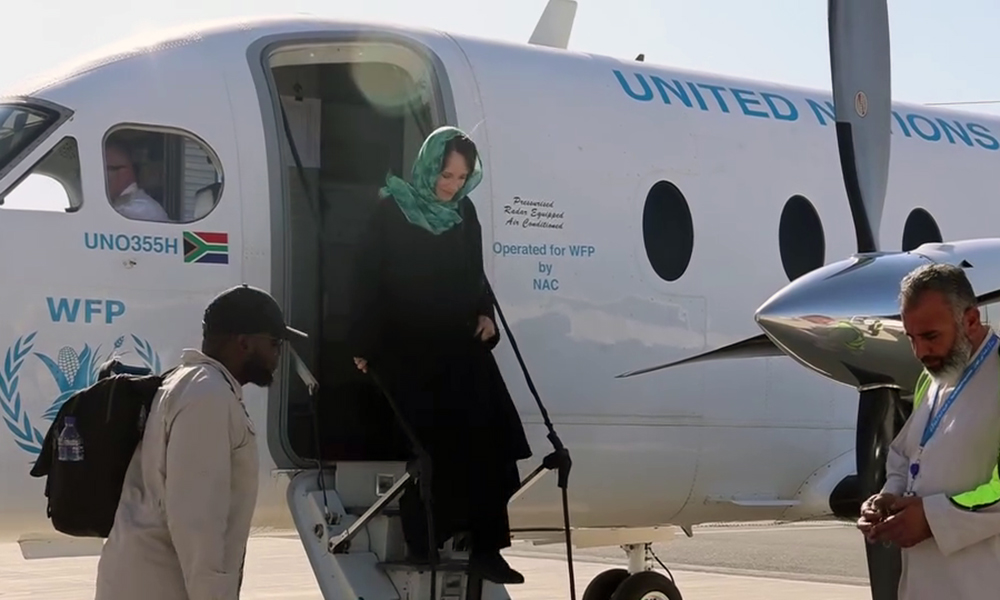
Georgette Gagnon, UNAMA’s acting head, visited western Afghanistan, including the Islam Qala border crossing, to see firsthand UN efforts to support millions of Afghans returning from neighboring Iran and Pakistan.
Earlier this year, the UN launched a $529 million response plan aimed at assisting around 2.7 million Afghans expected to return from Iran and Pakistan between April and December 2026.
Latest News
Trump: Unlike Afghanistan, US took all equipment from Iraq
Trump said the withdrawal from Iraq marked the end of what he described as a costly military involvement, adding that he had set a clear mission and instructed commanders to complete it without allowing the US presence to become permanent.
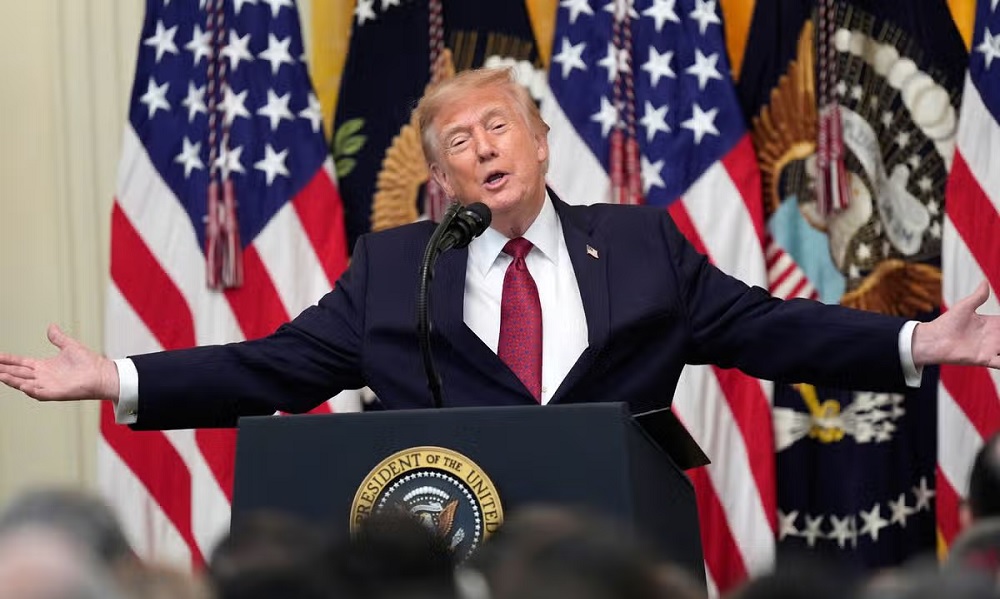
US President Donald Trump on Wednesday compared the withdrawal of US forces from Iraq with the 2021 US withdrawal from Afghanistan, saying military equipment had been left behind in Afghanistan, while US forces leaving Iraq took their equipment with them.
Speaking at a White House event, Trump referred to the final departure of US-led coalition forces and equipment from Erbil Air Base in northern Iraq, which marked the end of the US military mission against Daesh in Iraq.
“I said, take a little longer. Take everyone. We left all of the equipment, if you remember, in Afghanistan. Everything was left behind,” Trump said.
“I said, ‘I want every screw taken. If there’s a screw lying on the ground, take it. If we have a canvas tent, take it.’ We took everything,” he added.
He also mentioned the August 2021 attack at Kabul airport that killed 13 US soldiers.
Trump said he had become acquainted with the families of the US service members killed in the attack and also highlighted those who were seriously wounded.
“What happened to those—to their children should never have been allowed to happen,” he said, adding that 48 wounded service members were severely injured and “never get mentioned.”
Trump said the withdrawal from Iraq marked the end of what he described as a costly military involvement, adding that he had set a clear mission and instructed commanders to complete it without allowing the US presence to become permanent.
The US military announced on Wednesday that its forces and equipment had completed an orderly departure from Erbil Air Base, formally ending Operation Inherent Resolve in Iraq. The US-led mission began in 2014 to fight Daesh after the group seized large areas of Iraq and Syria. The US is continuing its counter-Daesh mission in Syria from a headquarters in Jordan.
Trump said the US had entered Iraq to fight the Islamic State and that the group no longer controlled a territorial “caliphate.”
“We came to fight a caliphate, and there is no longer a caliphate, so we are going home indeed,” he said.


Tahawol: Pakistan’s airstrikes on civilians in Afghanistan discussed

Arman FC crush Toofan Herat 4-0 in ACL clash

Khurasan Faryab and Ariana Khost settle for 1-1 draw

Four members of one family killed in Helmand in Pakistan airstrike

UNAMA acting chief visits Islam Qala border to assess support for returnees

Saudi energy group signs major Afghanistan deals covering gas exploration and pipeline plans

Iranian clubs to face Gulf opponents at neutral venues in Asian Champions League Elite

Khalilzad: Afghanistan ready to attract major investment

Ariana Television Network secures exclusive rights to Afghanistan’s 2026/27 cricket series

El Niño likely to intensify, may become strongest ever recorded, WMO says
Tahawol: Pakistan’s airstrikes on civilians in Afghanistan discussed

Tahawol: Improvement in Afghanistan-China relations discussed

Saar: Expanding ties with regional and global countries discussed

Tahawol: Absence of Afghanistan’s envoy at UNGA discussed

Saar: Assessment of war between Afghanistan and US discussed
-

 Sport5 days ago
Afghan bodybuilder Ali Bilal finishes runner-up at Mr Olympia for third straight year
-

 Latest News5 days ago
Afghanistan says 28 killed, 32 captured in Nuristan operation
-
 World5 days ago
Trump rejects Iranian proposal to open Hormuz and end fighting
-
 Sport4 days ago
Afghanistan vs India Asian Games quarter-final abandoned without a toss
-
 Latest News5 days ago
UNDP, UN Women launch financing initiative for Afghan women entrepreneurs
-
 Latest News5 days ago
Germany reports 488 Afghans for possible deportation, 267 have no criminal convictions
-
 Regional5 days ago
Aimal Wali Khan calls Dera Ismail Khan attack a ‘state failure’
-
 Regional4 days ago
Floods, landslides kill 56 in India and 14 in Nepal