
Latest News
UN calls for urgent investment in Afghan women and girls

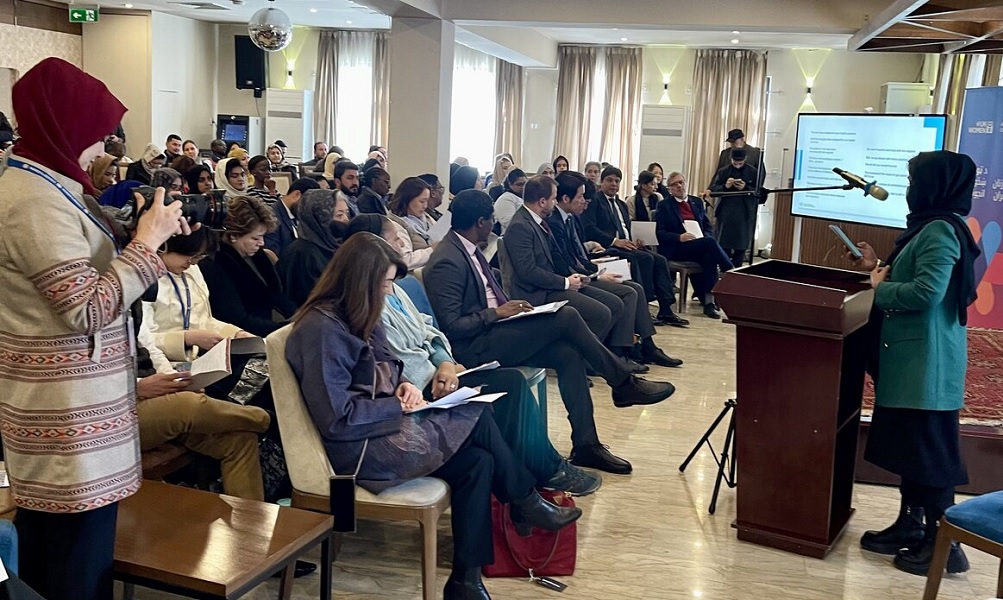
On International Women’s Day, the United Nations in Afghanistan on Saturday called for the Islamic Emirate of Afghanistan (IEA) to lift restrictions, which it said, continue to strip women and girls of their fundamental rights. It also called on Member States to translate solidarity into action—by amplifying Afghan women’s voices, supporting their leadership, and investing in their resilience and future.
This year’s theme, “For ALL Women and Girls: Rights. Equality. Empowerment”, is a stark reminder of the reality in Afghanistan, where women and girls face systematic exclusion from education, employment, and public life. These restrictions are not only violations of human rights but also barriers to Afghanistan’s progress, deepening poverty and isolation for millions, UNAMA said in a statement.
“Despite extraordinary challenges, Afghan women continue to lead, build, and support their communities. They provide life-saving health and protection services, run businesses and civil society organizations, and advocate tirelessly for their rights. Placing them at the center of solutions to current and emerging challenges is essential. Restoring their rights to learn and work would transform their lives, communities, and Afghanistan’s future for the benefit of all.” said Roza Otunbayeva, Special Representative of the UN Secretary-General and head of the United Nations Assistance Mission in Afghanistan (UNAMA).
“The United Nations in Afghanistan stands in full solidarity with the women and girls of Afghanistan and is united in condemning the progressive erasure of women and girls from public life. We will continue to do everything in our power to invest in the resilience and leadership of Afghan women and girls, who are the key to a prosperous and inclusive Afghanistan,” Otunbayeva said.
Afghan women have made their demands to the international community clear. These include to advocate for the restoration of their rights and freedoms and to keep their situation on the global agenda; ensure their representation at every table where decisions about their country’s future are being made; sustain critical funding for services and life-saving assistance; and invest in programmes that support women’s leadership and economic empowerment, according to UNAMA.
“We cannot accept a future for Afghan women and girls that we would never tolerate for women anywhere else. Our response to their erasure from public life is a test of our commitment to women and girls everywhere. We must stand with Afghan women as if our own lives depend on it. Because they do.” said Alison Davidian, Special Representative for UN Women Afghanistan.
“The UN has stayed and delivered in Afghanistan and will continue to do so, working alongside its partners to safeguard the rights of all Afghans,” Davidian said.
The United Nations has repeatedly called on the Islamic Emirate to lift the restrictions on women and girls, but the Islamic Emirate has said that the rights of women and girls in Afghanistan are protected according to Sharia.

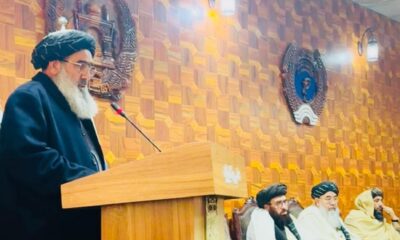






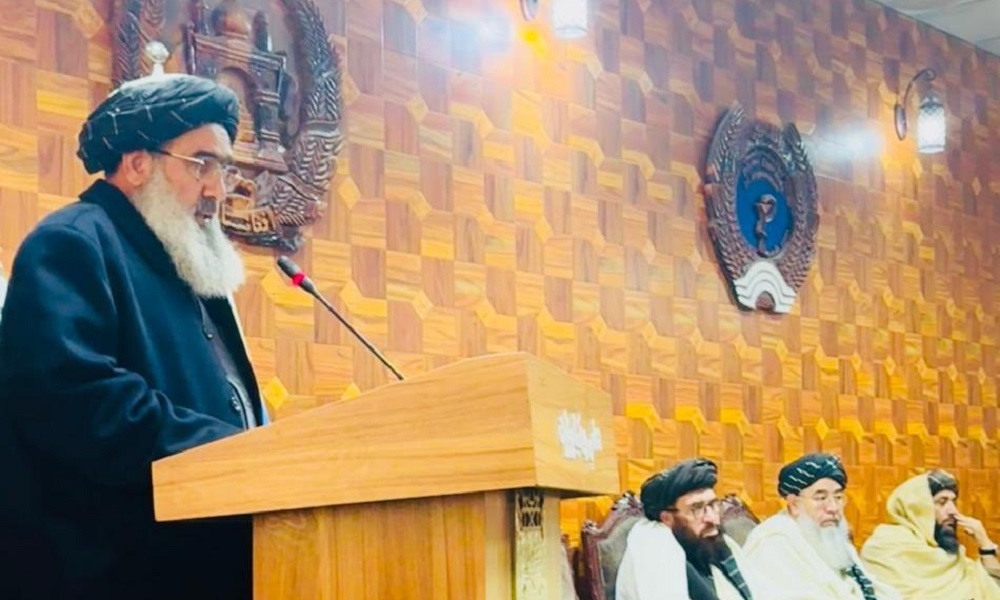
The Ministry of Public Health announced on Tuesday it has signed a cooperation agreement with the Ministry of Higher Education aimed at expanding scientific, research, educational, and technical cooperation.
At the signing ceremony held in Kabul, Noor Jalal Jalali, Minister of Public Health, said that the agreement would lead to significant improvements in the capacity-building of students and doctors, ensure that research is conducted based on evidence, and enable the collection of accurate data.
Meanwhile, Neda Mohammad Nadeem, Minister of Higher Education, described the agreement as beneficial to the public and to both institutions, stressing the need to train individuals at universities who can contribute to social development and make the country self-sufficient in the public health sector.
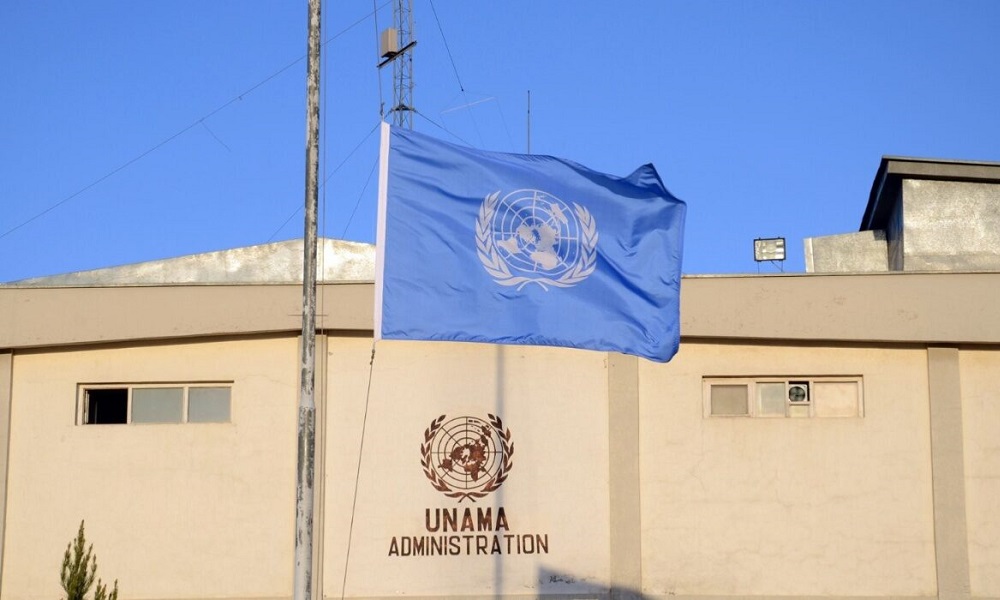
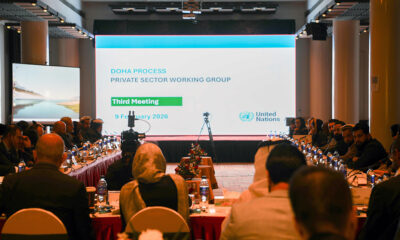
The United Nations Assistance Mission in Afghanistan (UNAMA) has convened a new round of Doha Process Working Group meetings focusing on counter-narcotics and private sector development.
The meetings, held in Kabul on February 3 and 9, brought together representatives of UN member states and international organizations, officials of the Islamic Emirate, and subject-matter experts.
According to UNAMA, discussions in the counter-narcotics working group centered on efforts by Islamic Emirate authorities and the international community to support alternative livelihoods for Afghans previously dependent on poppy cultivation and the illicit opium trade. Participants also reviewed drug-use prevention and treatment initiatives, as well as law-enforcement measures to curb narcotics production and trafficking.
The private sector working group focused on job creation and entrepreneurship, with particular attention to women’s participation in the private sector, market integration, access to finance, and the development of private banking and financial infrastructure.
UNAMA said both working groups identified priority areas for enhanced engagement and explored more effective and sustainable approaches to supporting Afghan men and women. Participants also examined the linkages between the two areas, noting that private sector development is a key source of livelihoods, while counter-narcotics efforts contribute to Afghanistan’s economic and social stability.
The working groups were established following the third Meeting of Special Envoys held in Doha, Qatar, in June and July 2024, in line with recommendations of the Independent Assessment endorsed by the UN Security Council. The process aims to promote more coherent, coordinated, and structured engagement with Afghanistan’s de facto authorities for the benefit of the Afghan people.
UNAMA added that stakeholders engage in the working groups on an ongoing basis, with full-format meetings convened periodically. Since their establishment, the groups have improved information-sharing, helped mobilize additional resources, and facilitated expert exchanges to strengthen support for the Afghan people.
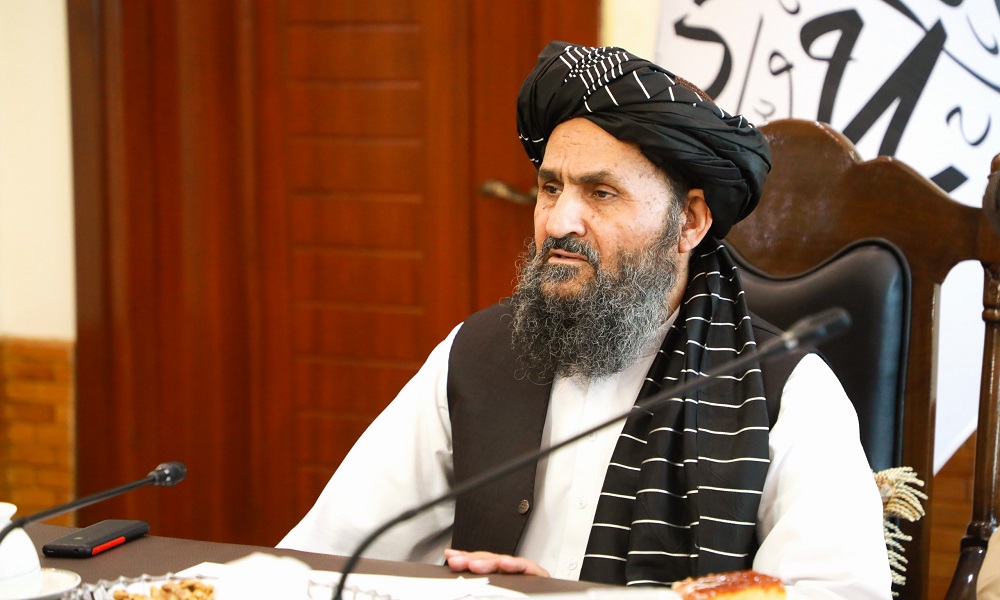
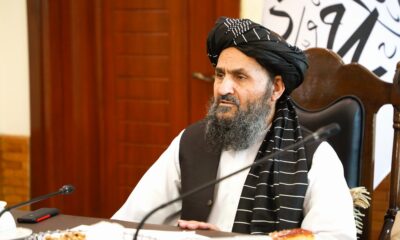
At a regular meeting of the Economic Commission chaired by Mullah Abdul Ghani Baradar, Deputy Prime Minister for Economic Affairs, the National Policy for the Development of the Agriculture and Livestock Sector was approved.
According to a statement from the deputy PM’s office, the key objectives of the policy include the mechanization of the agriculture and livestock sector; development of agricultural, irrigation, and livestock research and extension systems; management of irrigation systems; support for investment in these sectors; and ensuring public access to high-quality agricultural and animal products.
During the same meeting, the development plan for the fish farming sector was also approved.
Under this plan, through private sector investment, 7,700 small, medium, and large fish production and farming facilities will be established on 6,500 hectares of land in various parts of the country.
The statement added that the implementation of this plan will create direct employment opportunities for 50,000 people and indirect employment for 250,000 others.


Tahawol: Tajikistan’s expanding relations with Afghanistan reviewed

Saar: Criticism of Pakistan’s policies on Afghanistan discussed

Ministries of Public Health and Higher Education sign cooperation agreement

UNAMA holds new round of Working Group meetings on counter-narcotics and private sector

Economic Commission approves national policy for development of agriculture

Afghanistan–China joint market opens in Kabul

Pakistan approves re-export of stranded Afghan transit trade cargo

Pakistan army orders evacuation of Tirah Valley, fears of mass displacement grow

Afghan traders sign deal to import pharmaceuticals from Bangladesh

Uzbekistan pushes forward with Trans-Afghan railway project
Tahawol: Tajikistan’s expanding relations with Afghanistan reviewed
Saar: Criticism of Pakistan’s policies on Afghanistan discussed

Tahawol: Pakistan’s Foreign Policy Failure of Towards Afghanistan discussed

Saar: Regional Problems, Opportunities, and Challenges discussed

Saar: Afghanistan’s relations and opportunities with regional countries
-
 Latest News3 days ago
Afghanistan to grant one- to ten-year residency to foreign investors
-

 Sport5 days ago
Indonesia shock Japan to reach historic AFC Futsal Asian Cup final
-
 Sport3 days ago
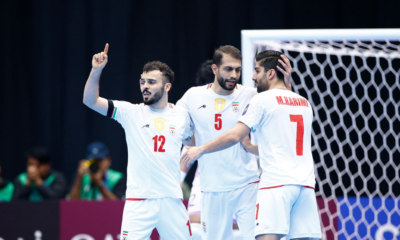
Iran clinch AFC Futsal Asian Cup 2026 in penalty shootout thriller
-
 Latest News4 days ago
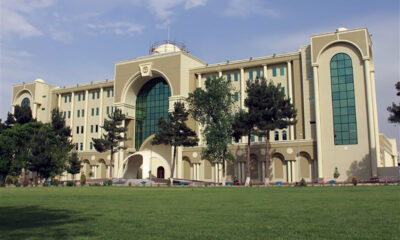
Afghanistan says Pakistan is shifting blame for its own security failures
-

 International Sports2 days ago
Winter Olympics gain momentum as medal table takes shape
-
 Latest News3 days ago
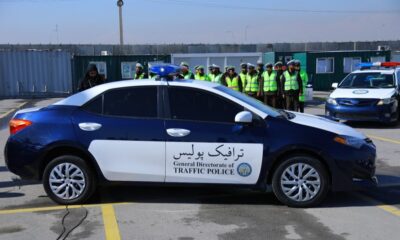
Traffic police receive new cars
-
 Regional4 days ago
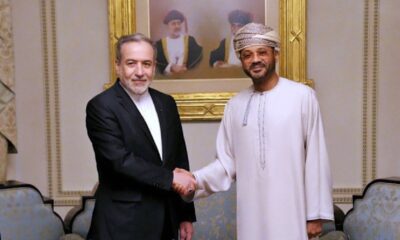
Iran’s FM calls Oman-mediated talks with US ‘good start’
-
 Latest News2 days ago
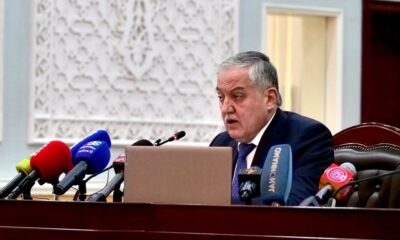
Tajik foreign minister urges international community to help Afghanistan address its challenges