
Latest News
UNAMA’s criticism of Afghanistan’s morality ministry ‘unfounded’, says IEA
The report, titled ‘De Facto Authorities’ Moral Oversight in Afghanistan: Impacts on Human Rights’ was published Tuesday and also contained the Islamic Emirate’s response to the UN’s findings.

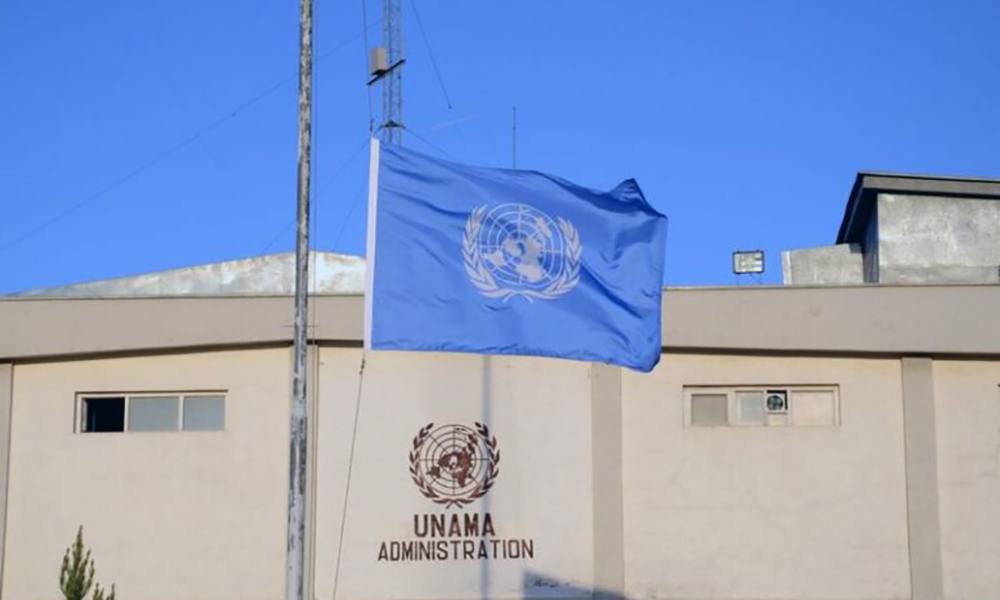
In response to UNAMA’s report on rights violations by the ministry for the propagation of virtue and prevention of vice and complaints, the Islamic Emirate of Afghanistan (IEA) said Wednesday the claims by the organization were unfounded and that all rights were respected in accordance with Sharia.
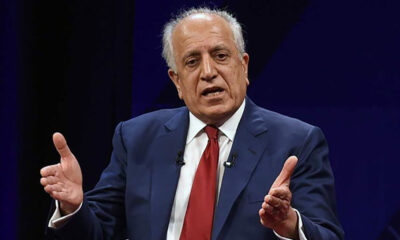
Zabihullah Mujahid, the IEA’s spokesman said that the rulings recommended by this ministry are well-known Islamic rulings.
He said UNAMA was trying to compare Afghanistan’s policies against those of the West, which was not “the right thing to do”.
He added that under the IEA, the rights of all citizens are secured in accSharia.
“All men and women are dealt with according to Sharia, Sharia rulings are enforceable as laws, and in this case, no one is oppressed or violated,” said Mujahid.
Mujahid added that Afghanistan should be examined as an Islamic entity and the demands of the nation, the absolute majority of which are Muslims and who have made great sacrifices for the establishment of the Islamic system, should be taken into consideration.
At the same time, the spokesperson of the US State Department, said in response to the UNAMA report, that the actions of the ministry for the propagation of virtue and prevention of vice weaken the prohibition of denying the human rights of all Afghans.
Matthew Miller said that the Islamic Emirate knows that its relations with the international community are fully related to its treatment of the Afghan people.
He said in a press conference in Washington on Tuesday that the United States is closely monitoring the behavior of the Islamic Emirate towards the people of Afghanistan, especially the women and girls of this country.
He said that America expects the Islamic Emirate to pay attention to the concerns of its people and the international community in this regard.
“As we have told representatives of the Taliban (Islamic Emirate) in private and public meetings, the relations of this group (Islamic Emirate) with the international community completely depend on its behavior. We have made this very clear.”
This is while the UN said Tuesday the ministry for the propagation of virtue and prevention of vice were violating human rights and fundamental freedoms and that decrees and methods used to enforce rules were contributing to “a climate of fear and intimidation among segments” of society in Afghanistan.
The report, titled ‘De Facto Authorities’ Moral Oversight in Afghanistan: Impacts on Human Rights’ was published Tuesday and also contained the Islamic Emirate’s response to the UN’s findings.
The report stated: “As part of this engagement, Afghanistan’s de facto authorities were invited to provide factual comments on the content of the report.”
According to the report, the ministry has enforced decrees that have a disproportionate impact on women and girls, like dress codes, segregated education and employment, and having a male guardian when they travel.
“The punishments attached to non-compliance with instructions and decrees are often arbitrary, severe and disproportionate,” the report read.
The report meanwhile stated that since the ministry’s establishment, its scope of responsibility has continued to expand.
“In addition to intensifying monitoring of compliance with existing policies, it has introduced new instructions and expanded into new areas of enforcement,” UNAMA stated.
Related Stories:
UN report claims Afghanistan’s morality police are violating human rights
UNAMA issues latest rights report, notes ongoing challenges for women, girls and media




Latest News
US Central Asia strategy faces challenges linked to Afghanistan’s political and security situation
Regional connectivity projects also depend on developments in Afghanistan, the magazine argues.
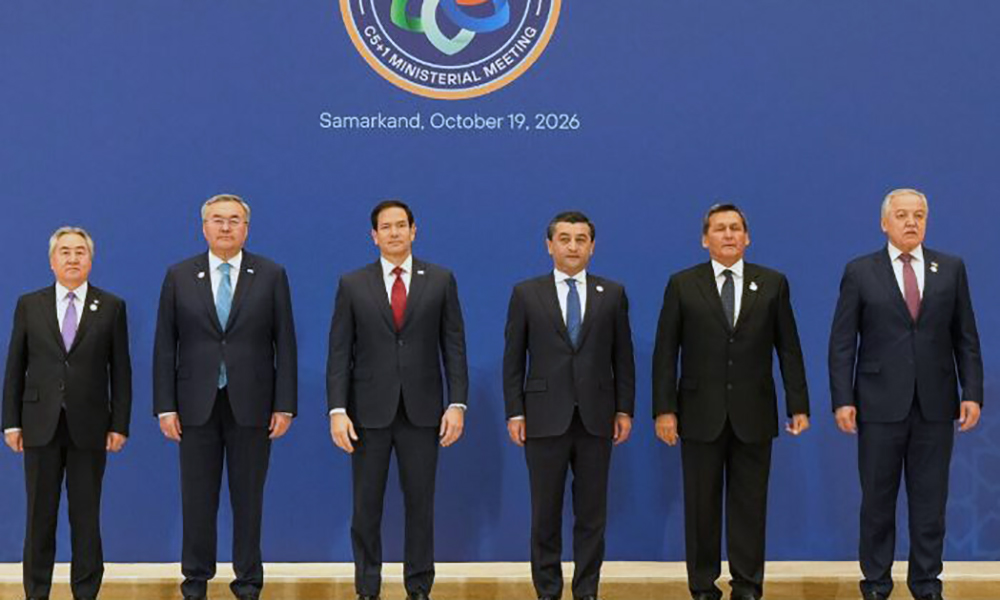
A recent analysis by the US-based magazine The National Interest argues that Washington’s efforts to expand economic and strategic ties with Central Asia could face significant challenges without addressing Afghanistan’s ongoing political and security situation.
In an article titled “US Central Asia Policy Has an Afghanistan Problem,” the magazine examined US Secretary of State Marco Rubio’s October 18 visit to Uzbekistan, where he met representatives of Kazakhstan, Kyrgyzstan, Tajikistan, Turkmenistan and Uzbekistan under the C5+1 framework.
Accompanied by a large US business delegation, Rubio sought to strengthen trade, investment, regional connectivity and security cooperation. According to the magazine, Washington is increasingly focused on Central Asia’s critical minerals, energy resources, transport corridors and industrial development as it seeks to diversify its economic partnerships and reduce dependence on China.
However, the analysis argues that economic development and regional security cannot be separated from Afghanistan’s situation. Terrorism, drug trafficking, border security and the risk of regional instability remain key concerns for Central Asian countries.
The magazine also suggests that expanding US economic engagement could pave the way for closer security cooperation with Central Asian states, including intelligence sharing, border surveillance, cybersecurity and military training.
Meanwhile, the article highlights Russia’s growing engagement with the Islamic Emirate of Afghanistan, noting Moscow’s recognition of the authorities in Kabul in July 2025 and subsequent moves toward military-technical cooperation.
The analysis also points to deteriorating relations between Pakistan and the Islamic Emirate amid Islamabad’s allegations that the Tehreek-e-Taliban Pakistan (TTP) operates from Afghan territory. The Islamic Emirate has repeatedly rejected allegations that Afghan territory is being used to threaten other countries.
Regional connectivity projects also depend on developments in Afghanistan, the magazine argues. It cites the CASA-1000 electricity transmission project, which aims to connect electricity supplies from Central Asia to South Asia, as an example of how progress depends on completing infrastructure in Afghanistan. According to a January 2026 World Bank update referenced in the article, the project cannot become operational until the Afghan section of the transmission line is completed.
The analysis describes Afghanistan as a potential land bridge between Central and South Asia through trade, energy and transport networks. However, it identifies restrictions affecting women and girls, along with the absence of an inclusive political settlement, as obstacles to long-term stability and deeper regional integration.
The National Interest calls for broader regional dialogue involving Afghanistan’s neighbors and other key countries, including Central Asian states, India, Pakistan, Russia, China, Türkiye and Saudi Arabia, to develop common approaches to security and economic cooperation.
The magazine concludes that Central Asia’s economic prospects are closely linked to Afghanistan’s stability and that Washington’s long-term regional objectives will remain difficult to achieve without addressing challenges related to Afghanistan.
The Islamic Emirate has repeatedly stated that Afghan territory will not be used against any country, particularly neighboring states, and that armed groups will not be allowed to use Afghanistan as a base for attacks against other countries.
Latest News
UN reaffirms commitment to supporting Afghan people
The UN envoy acknowledged that Afghanistan continues to face significant challenges but said the talents, aspirations and potential of its people are even greater.
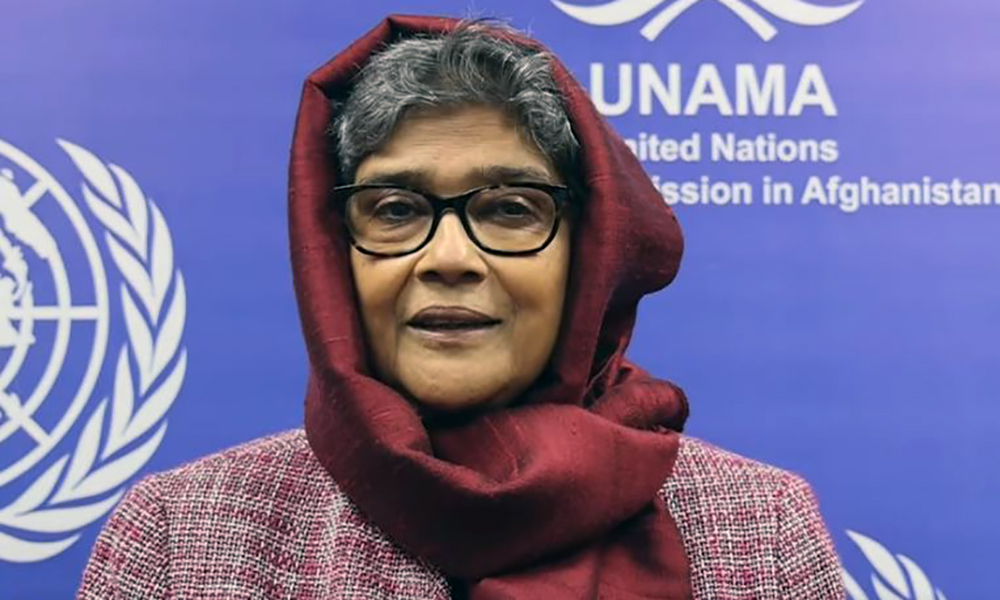
Rabab Fatima, the UN Secretary-General’s Special Representative for Afghanistan, has reaffirmed the United Nations’ commitment to supporting the Afghan people, praising their resilience and determination despite decades of conflict and hardship.
In a statement marking the 81st anniversary of the United Nations on October 24, Fatima said Afghanistan had been part of the organization’s history since joining the UN in 1946.
She noted that for nearly eight decades, the United Nations and its partners had supported Afghans through conflict, natural disasters, displacement, drought and humanitarian emergencies.
Fatima also praised Afghan women and men, young people, community leaders, teachers, healthcare workers and humanitarian staff for continuing to serve their communities despite challenging circumstances.
“As I begin my responsibilities in Afghanistan, I do so with deep respect for the Afghan people, and your culture and rich heritage,” she said, pledging to listen, engage and work alongside Afghans.
The UN envoy acknowledged that Afghanistan continues to face significant challenges but said the talents, aspirations and potential of its people are even greater.
She reaffirmed that the United Nations would continue supporting the Afghan people and advocating for their dignity, opportunities and well-being.
“The future of Afghanistan belongs to its people, and the United Nations will remain a committed partner as Afghans shape that future,” Fatima said.
Latest News
UN praises resilience of Afghans, raises concerns over restrictions on women and girls
The UN’s renewed commitment comes as millions of people across Afghanistan continue to depend on humanitarian assistance.
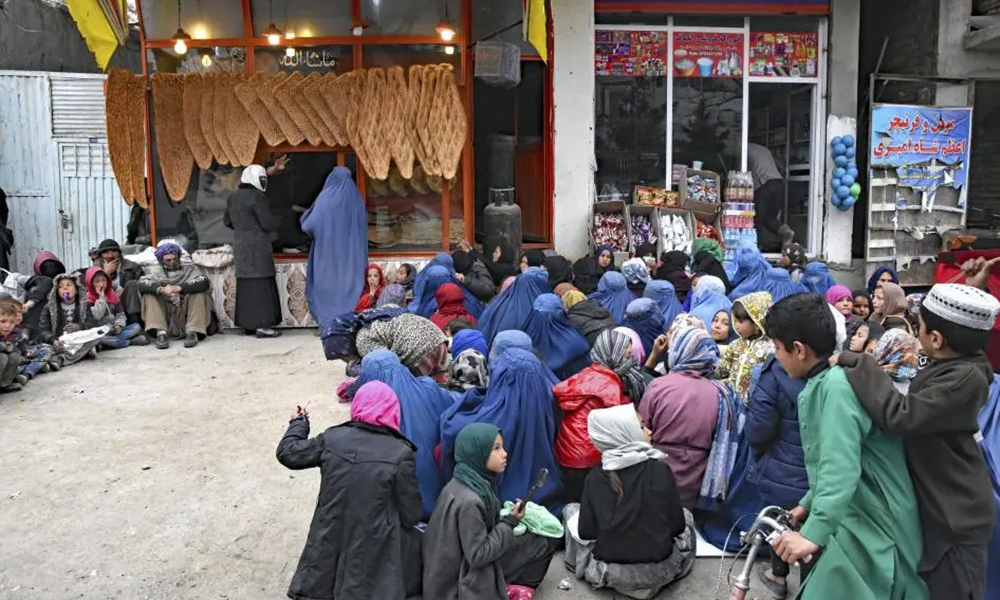
The United Nations has praised the resilience of the Afghan people in the face of decades of conflict, poverty, displacement and climate change, while expressing concern over restrictions imposed on women and girls.
In a statement issued Saturday to mark the 81st anniversary of the UN’s founding, the organization said Afghans continue to face widespread humanitarian and economic challenges, while people returning to the country are also confronting numerous difficulties.
The UN said it remains committed to supporting Afghanistan through humanitarian assistance, healthcare, education, human rights protection, economic opportunities and disaster preparedness.
The statement emphasized that Afghanistan’s future belongs to its people and reaffirmed the organization’s commitment to helping Afghans address ongoing humanitarian and economic challenges.
United Nations Day is observed annually on October 24, marking the entry into force of the UN Charter in 1945.
The UN’s renewed commitment comes as millions of people across Afghanistan continue to depend on humanitarian assistance.
Meanwhile, the Islamic Emirate of Afghanistan has previously said that human rights are now better protected than ever in the country under Islamic Sharia.

US Central Asia strategy faces challenges linked to Afghanistan’s political and security situation
UN reaffirms commitment to supporting Afghan people

UN praises resilience of Afghans, raises concerns over restrictions on women and girls
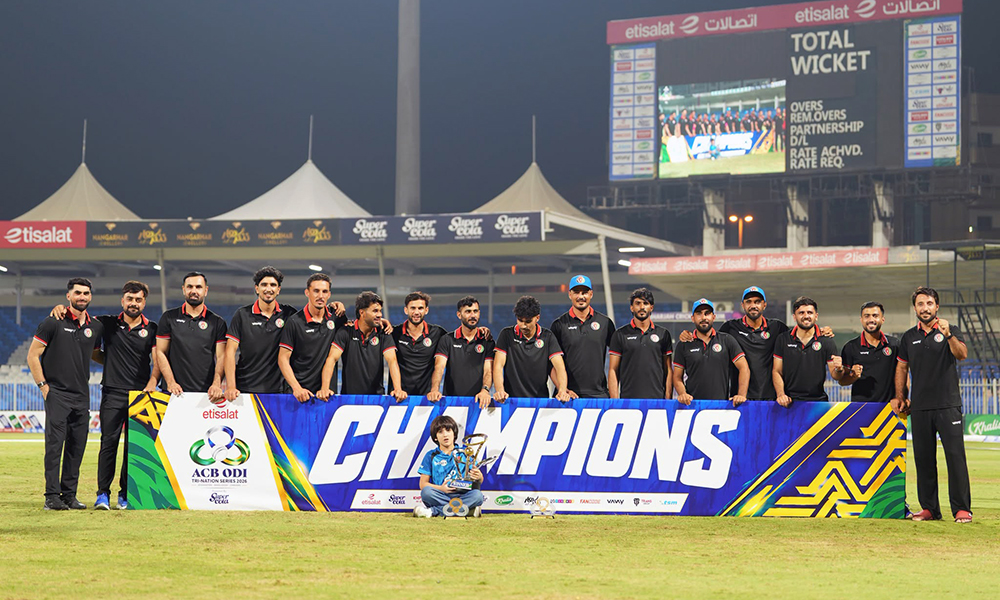
Afghanistan defeat Zimbabwe to win Tri-Series ahead of 2027 Cricket World Cup
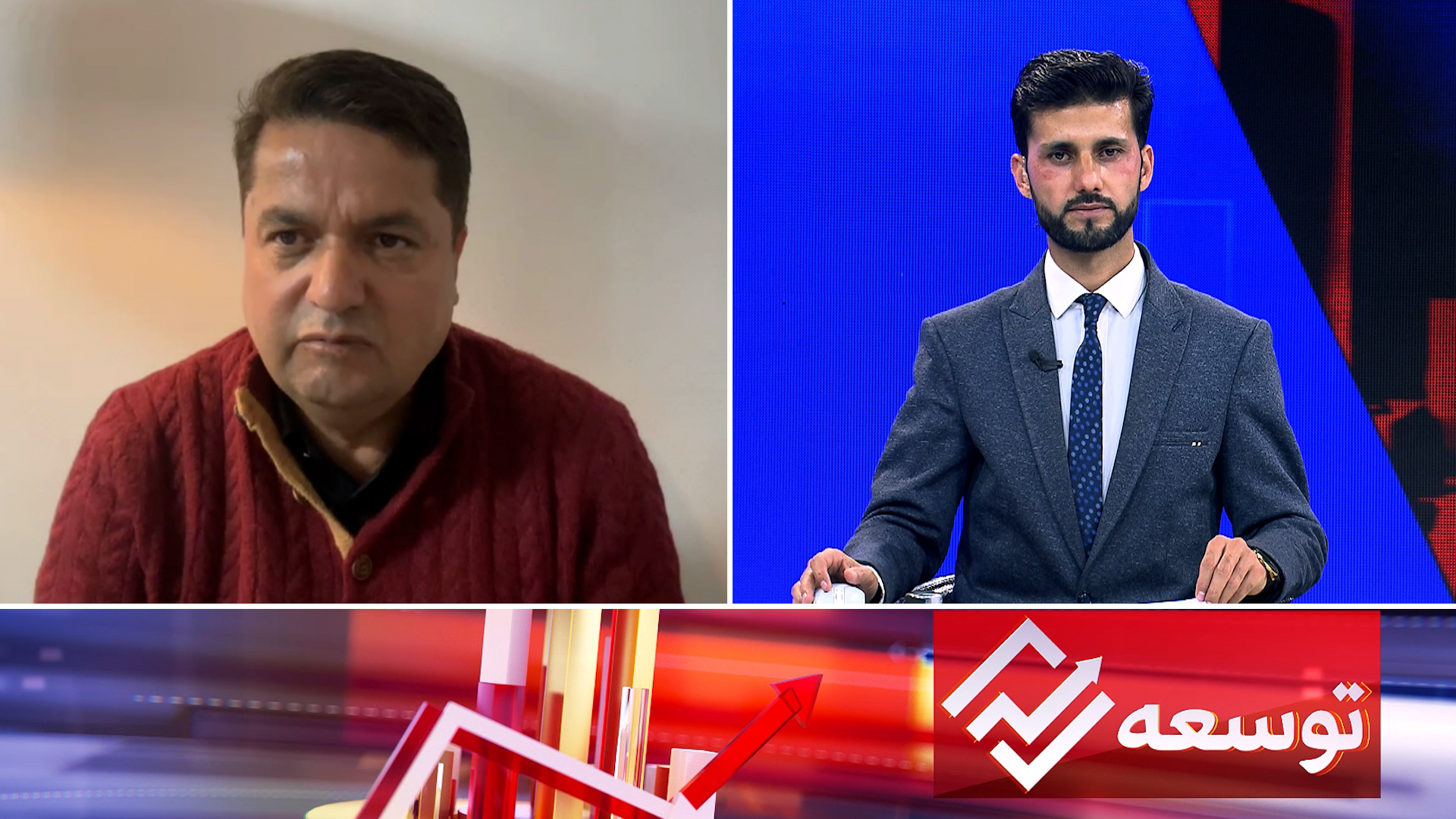
Tawsia: New opportunities in Afghanistan’s energy, trade and agriculture sectors discussed

Cricket Bonanza: Afghanistan set for packed international schedule

Afghanistan says 28 killed, 32 captured in Nuristan operation

Afghanistan on climate front line as Kabul faces groundwater warning

ACB announces Afghanistan squads for Bangladesh, Zimbabwe series

Trump rejects Iranian proposal to open Hormuz and end fighting
Tawsia: New opportunities in Afghanistan’s energy, trade and agriculture sectors discussed

Exclusive interview with Ali Bilal, runner-up in Mr. Olympia Men’s Physique category

Tahawol: Doha meeting and Afghanistan’s political and economic future discussed

Saar: Concerns over expansion of conflict between Iran and US discussed

Governments warn citizens over security risks in France after riots
-
 Latest News2 days ago
Afghanistan’s new Wakhan road to China faces major hurdles
-
 Latest News4 days ago
Russian troops arrive in Uzbekistan for joint military exercises
-
 Latest News3 days ago
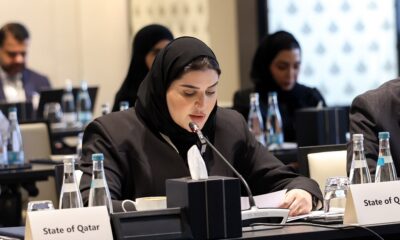
Qatar calls for shift from humanitarian aid to economic recovery in Afghanistan
-

 Latest News4 days ago
Trump blames migrants for violence in France as US midterms loom
-
 World3 days ago
Governments warn citizens over security risks in France after riots
-

 Latest News5 days ago
Poland hits back at Hegseth over NATO sacrifices in Afghanistan
-
 Tahawol5 days ago
Tahawol: US–Iran tensions escalate with mutual threats
-
 Latest News5 days ago
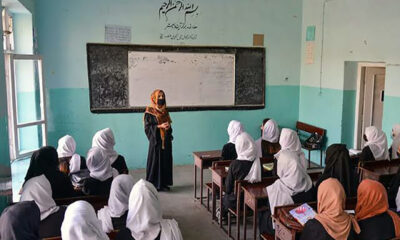
EU condemns restrictions on women and girls in Afghanistan