
Latest News
US deal ‘stipulates formation of inclusive Islamic govt’: Taliban

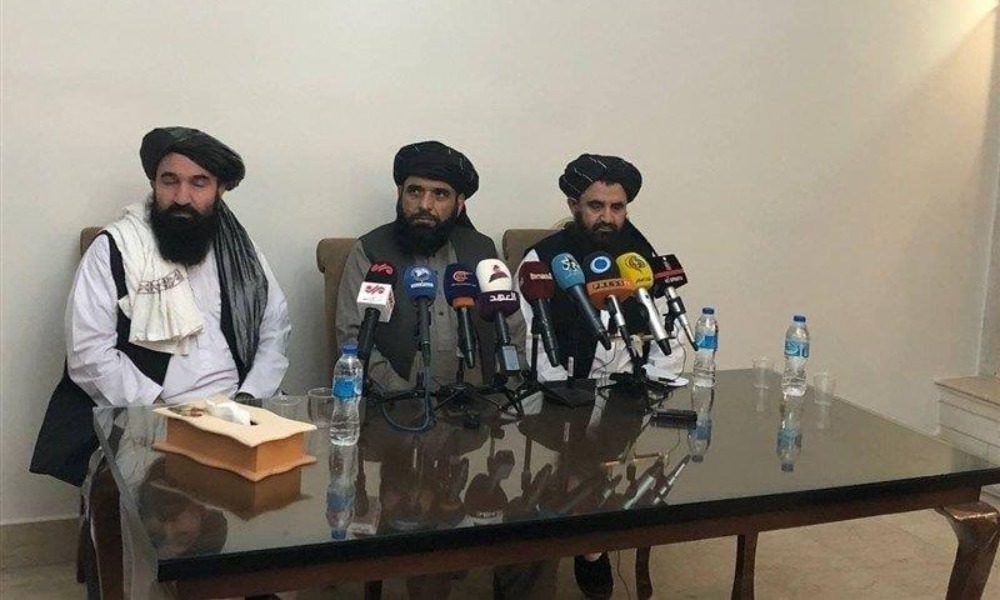
The Taliban has stated that the agreement signed between the group and the US in February last year stipulates the formation of an inclusive Islamic government in Afghanistan and the dissolution of the current administration.
Addressing a press conference on the last day of their week-long trip to Iran Monday, one of the Taliban’s negotiating team members, Suhail Shaheen, said the current peace talks underway in Doha, Qatar, are also a provision of the agreement with the US.
According to Shaheen an “inclusive establishment” will be formed in Kabul once the peace talks have ended. He said the present political dispensation will cease to exist.
“This (current) government will be abolished on the basis of negotiations and agreements, and another government will be established on the basis of intra-Afghan negotiations,” said Shaheen.
Asked about the Biden administration’s decision to review the US-Taliban agreement, the Taliban delegation said Washington needs to remain committed to their agreement and withdraw all troops by the end-April deadline.
The group did however warn that it would “continue the war” if the US failed to withdraw all troops.
However, the Afghan National Security Council (NSC) said in response to the Taliban’s comments that the basis of all issues in the Afghan peace process is not hinged on the Taliban agreement with the United States and that the group must stop the violence.
“The US-Taliban agreement in Doha is not the basis of all issues between Afghans. The Taliban are responsible for the blood of the people and before commenting on the system’s mechanism, the Taliban should stop shedding blood,” Rahmatullah Andar, spokesman for the NSC said.

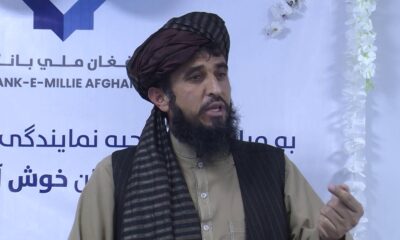

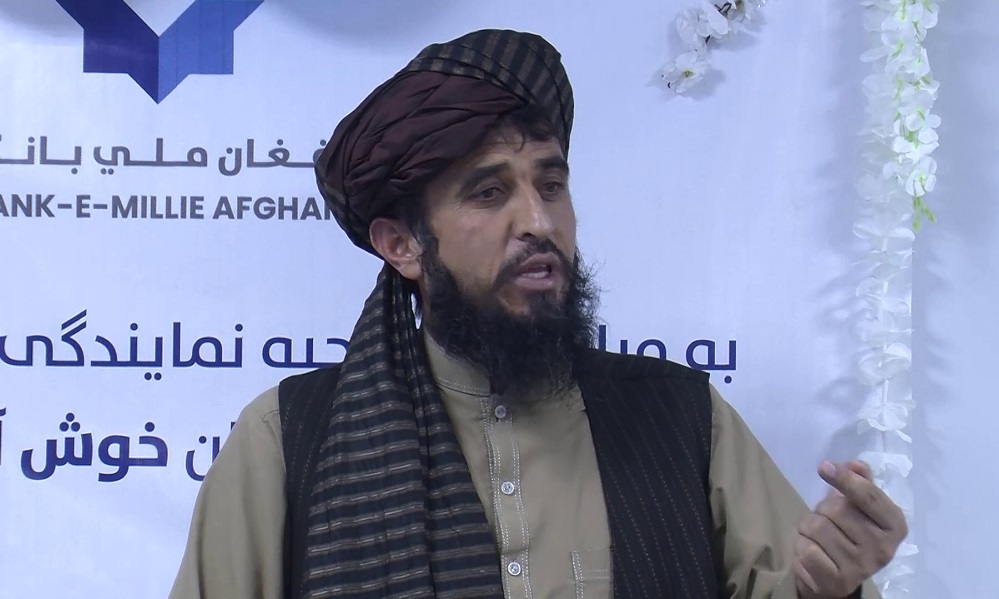
Local officials in Afghanistan’s northeastern Badakhshan province have called on traders to help prevent drug trafficking and invest their capital in legal and productive sectors.
Jamaluddin Haqjo, deputy governor of Badakhshan, made the remarks during the opening of the first branch of the Bank-e-Millie Afghan in Fayzabad, the provincial capital.
Haqjo said thousands of people across Afghanistan are currently addicted to drugs and urged traders not to invest in drug trafficking.
Meanwhile, other local officials attending the ceremony called on people to contribute to the country’s economic development rather than oppose the government.
They said expanding economic activities could help reduce poverty and other challenges affecting thousands of families.
Officials also urged banks and traders to conduct their activities in accordance with Islamic principles.
The newly opened Bank-e-Millie Afghan branch is expected to provide banking services to residents of Badakhshan. Bank officials said government employees receiving their salaries through the bank would also be eligible for loan services in accordance with the bank’s policies.
Residents welcomed the opening of the branch, saying it would make banking services more accessible. They also called for banks to establish branches in remote districts of Badakhshan.
Officials urged traders and government institutions to support the bank by investing and using its services.
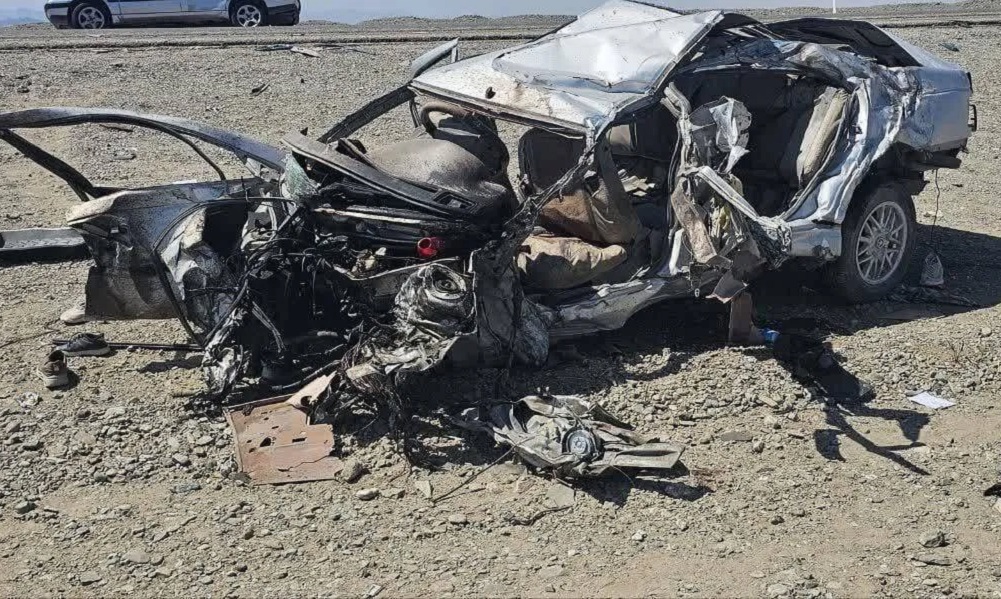
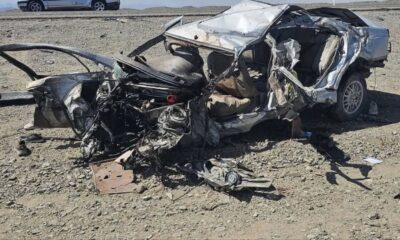
Seven Afghan migrants have been killed after a vehicle carrying Afghan migrants collided with a fuel-carrying vehicle in Iran’s Sistan and Baluchestan province.
According to the human rights organization HalVash, the accident occurred on Friday in the Sarbaz area of Sistan and Baluchestan.
Siyavash Mohbi, the head of Iran’s traffic police in Sistan and Baluchestan, said the Afghan nationals had entered Iran illegally.
He added that nine other people were injured in the incident.
Mohbi attributed the accident to the negligence of the driver of the vehicle carrying the migrants.


Badakhshan official calls on traders to help prevent drug trafficking

World leaders return to UN amid wars in Middle East and Ukraine

Asian Games open in Japan as Afghanistan sends 34 athletes

Seven Afghan migrants killed in traffic accident in Iran’s Sistan and Baluchestan

OIC to hold Afghanistan Contact Group meeting on sidelines of UN General Assembly

Four mediators struggle to secure lasting Pakistan-Afghanistan ceasefire

Syria and Saudi Arabia condemn Kabul bombing, express solidarity with Afghanistan

Afghanistan’s trade diversification challenges Pakistan

Saudi energy group signs major Afghanistan deals covering gas exploration and pipeline plans

ATN secures exclusive rights to broadcast T20I series in India across Afghanistan

Tahawol: Kabul’s warning over any threat from Pakistan discussed

Debate on Afghanistan and New Investment Opportunities

Tahawol: Reasons behind Qatari, Turkish security officials’ Kabul visit discussed

Saar: Outcome of UN Security Council meeting on Afghanistan discussed

Tahawol: Afghanistan’s readiness for US relations discussed
-
 Latest News4 days ago
UN warns of mounting humanitarian and human rights pressures in Afghanistan
-
 Regional4 days ago
Saudi Arabia calls alleged Mecca attack a ‘red line’ as Houthis deny involvement
-
 Latest News4 days ago
Five Years On: IEA touts economic growth despite international isolation
-

 Sport4 days ago
India take 2-0 lead in 3-match series against Afghanistan
-
 Sport5 days ago
Nabi reaches 2,500 T20I runs
-

 Latest News3 days ago
Five years out of school: Amnesty raises alarm over Afghan girls’ education
-
 Latest News3 days ago
Russia urges dialogue and economic support for Afghanistan, warns against excessive pressure
-
 Sport4 days ago
ACL: Ariana Khost win, Aino Mina and Khurasan Faryab draw