
Latest News
US ‘deeply troubled’ by attacks on civilians as Taliban sweep across Afghanistan

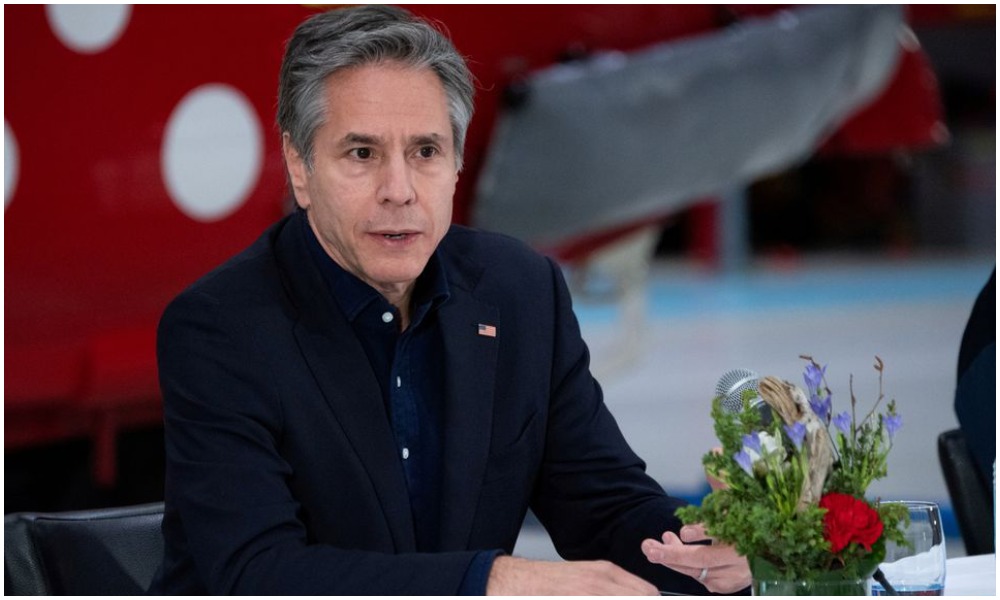
The United States said on Wednesday it was deeply troubled by reports of escalating attacks on civilians as the Taliban sweep across Afghanistan and Washington pulls out its last remaining troops and ends its longest war.
Secretary of State Antony Blinken, on a visit to India, said the only path to peace in Afghanistan was through negotiations, which all parties must take seriously.
Taliban insurgents have captured districts across Afghanistan and seized vital border control points in recent weeks, as Washington withdraws its last troops after 20 years. The Pentagon now estimates that the fighters control more than half of Afghanistan‘s district centres.
The surge has raised the prospect that the militants could return to power. Millions of people fled their extreme violence during their last period of rule from 1996-2001, when they staged public executions of their foes, banned women from work and education and hosted Osama bin Laden’s al Qaeda network.
The Taliban say they will treat civilians well if they return to power, and will not allow the country to be used as a base for international terrorism.
Describing reports of attacks on civilians as “deeply, deeply troubling”, Blinken said: “An Afghanistan that commits atrocities against its own people would become a pariah state.
“There’s only one path, and that’s at the negotiating table, to resolve the conflict peacefully.”
The United Nations reported this week that civilian casualties had been surging in recent weeks, with as many killed in May-June as in the previous four months. The report did not cover casualties in July, when fighting has intensified further.
Afghans in government-held areas have been alarmed by domestic media reports in recent days of abductions and killings of civilians in areas where the Taliban have advanced. The Taliban deny they are carrying out revenge killings.
U.S. President Joe Biden has ordered all U.S. troops out of the country, fulfilling a policy pledge made by his predecessor Donald Trump, despite warnings from American generals of the potential for renewed civil war without foreign troops to protect the Kabul government.
Peace talks between the government and the Taliban in Qatar have largely stalled, with the Taliban showing little interest in negotiating while they are gaining on the battlefield.
CHINA HOSTS TALIBAN DELEGATION
Taliban delegations have visited neighbouring countries in recent weeks, gaining international standing for a movement that had been treated as outcasts and banned as terrorists for most of the past two decades.
The latest regional power to host them was China, whose Foreign Minister Wang Yi met a nine-person delegation led by Taliban deputy leader Mullah Baradar Akhund in the northern Chinese city of Tianjin during a two-day visit.
Wang said the Taliban were expected to “play an important role in the process of peaceful reconciliation and reconstruction in Afghanistan“, according to a readout of the meeting from the Chinese Foreign Ministry.
Taliban delegations have also visited Iran and Russia in recent weeks. The group has an office in Qatar.
“Politics, economy and issues related to the security of both countries and the current situation of Afghanistan and the peace process were discussed in the meetings,” Taliban spokesperson Mohammed Naeem tweeted about the China visit.
“(The) delegation assured China that they will not allow anyone to use Afghan soil against China,” Naeem said. “China also reiterated its commitment of continuation of their assistance with Afghans and said they will not interfere in Afghanistan‘s issues but will help to solve the problems and restoration of peace in the country.”
Moscow, which fought for a decade in Afghanistan in the 1980s, said it was beefing up the combat capabilities at its military base in Tajikistan, a small former Soviet republic that borders Afghanistan.
Russian Defence Minister Sergei Shoigu, visiting Tajikistan on Wednesday, said the security situation had rapidly deteriorated in Afghanistan during a “hasty” U.S. withdrawal.
Shoigu said Islamic State fighters were moving into Afghanistan from countries including Syria and Libya, describing their arrival as “quite seriously organised”.
“We are paying increased attention to strengthening the combat capabilities of our base and refining plans to jointly repel possible insurgent infiltration,” he said.
A senior Russian diplomat has said Moscow views Taliban gains in northern Afghanistan as having a security upside because the group is hostile to what Russia regards as more dangerous Islamist extremists.
Russia is set to hold military drills on Aug. 5-10 near Tajikistan’s Afghan border, involving more than 1,000 Russian soldiers as well as Uzbek and Tajik forces.






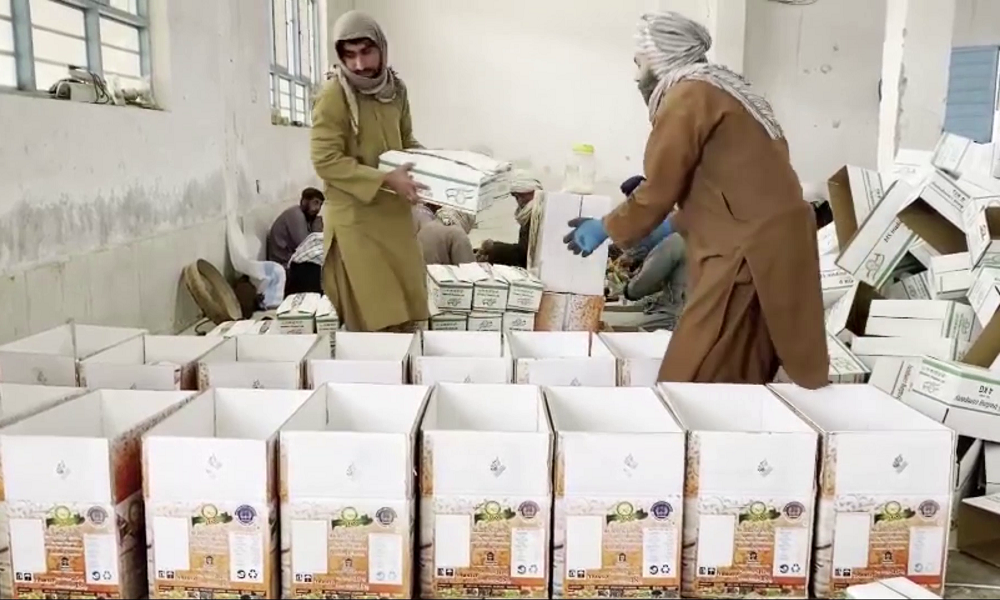
Officials from the Kandahar Chamber of Commerce and Investment say that 294,000 tons of fresh and dried fruit have been exported from the province to foreign countries over the past year.
According to them, the total value of these exports amounts to $519 million.
Abdulbaqi Bina, Deputy Head of the Kandahar Chamber of Commerce and Investment, says the products were exported to India, Pakistan, the United Arab Emirates, the United States, Canada and several other countries.
Meanwhile, fresh and dried fruit traders are calling on the government to provide alternative transit routes, new markets, and greater facilitation for obtaining visas and transportation for the export of these products.
This comes as nearly 59,000 tons of fresh and dried fruit were exported from Kandahar to foreign countries
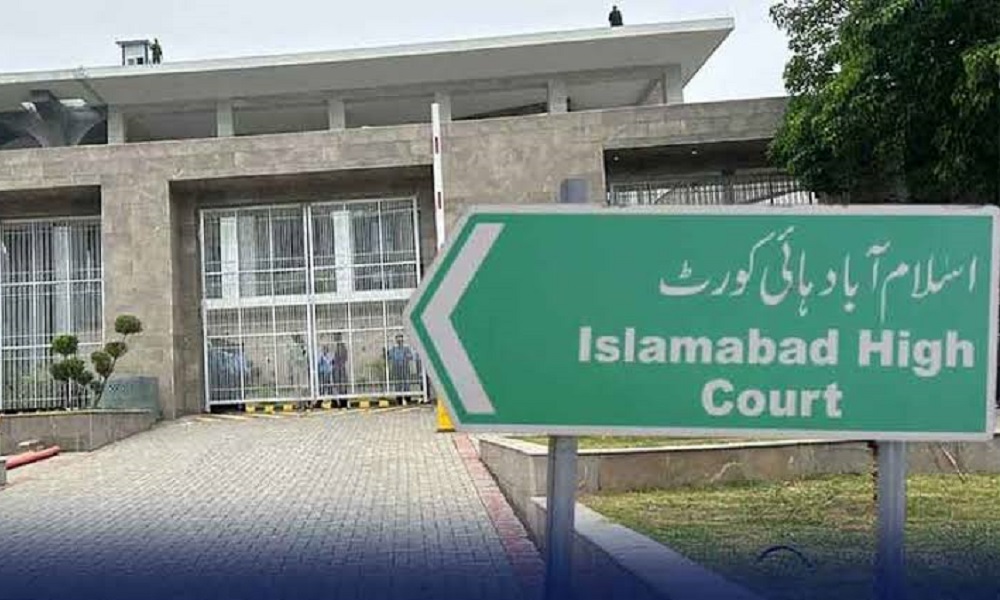
The case of 87 Afghan students seeking extensions of their study visas has reached the Islamabad High Court, with the students also asking for protection from arrest, detention and deportation, Pakistan’s Dawn newspaper reported.
According to Pakistani journalist Tahir Khan, the students have petitioned the court to order the government to extend their visas and prevent law-enforcement agencies from harassing, arresting, detaining or deporting them solely because their previous study visas have expired.
During Friday’s hearing, lawyer Aimal Khan Mandokhel told the court that Pakistan’s Interior Ministry had issued study visas to the Afghan students about a year ago. However, the students say authorities have since stopped extending existing visas and issuing new ones.
The Afghan Students Union at the International Islamic University Islamabad has also said Pakistani authorities have suspended study visa extensions for Afghan students for an extended period. It added that several students have allegedly been arrested and deported in recent months.
The hearing was adjourned following an exchange between Justice Khadim Hussain Soomro and lawyer Aimal Khan Mandokhel.
The case is expected to be heard again later this month.
Latest News
Wali Khan urges Pakistan to resolve tensions with Afghanistan through diplomacy
Wali Khan called on Islamabad to pursue a serious diplomatic approach to de-escalate tensions with Afghanistan and other neighboring countries.
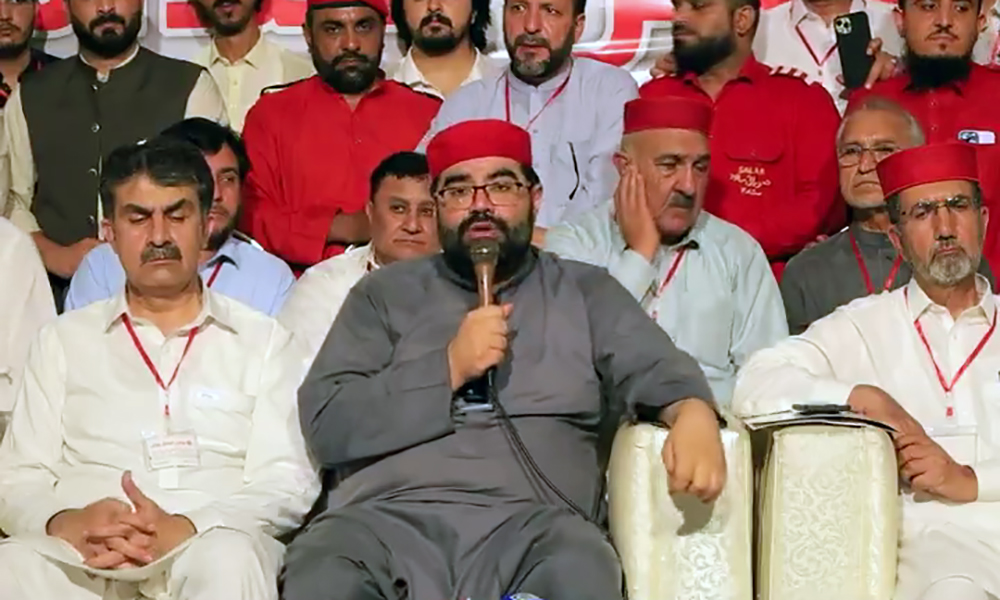
Aimal Wali Khan, the President of Awami National Party (ANP) in Khyber Pakhtunkhwa, has urged the Pakistani government to address tensions with neighboring countries, particularly Afghanistan, through serious diplomatic engagement.
Speaking to reporters in Islamabad on Thursday, Wali Khan said the ongoing tensions are causing the greatest harm to ordinary people, especially those in Khyber Pakhtunkhwa and Balochistan.
“War is not a permanent solution to any problem,” he stressed.
Wali Khan called on Islamabad to pursue a serious diplomatic approach to de-escalate tensions with Afghanistan and other neighboring countries.


Tawsia: Afghanistan’s efforts to boost production and exports disucssed

Kandahar exports 294,000 tons of fruit over past year

Case of 87 Afghan students reaches Islamabad High Court over visa delays

TAPI pipeline nears first gas sales in Afghanistan

Wali Khan urges Pakistan to resolve tensions with Afghanistan through diplomacy

Pakistan’s governance system has ‘collapsed’: Mohsin Naqvi

AFC confirms clubs for 2026/27 competitions; draw set for August 18

Only two days to go before Afghanistan and Ireland begin ODI series

Four mediators struggle to secure lasting Pakistan-Afghanistan ceasefire

Afghanistan invites Iranian investors to expand economic cooperation
Tawsia: Afghanistan’s efforts to boost production and exports disucssed

Tahawol: Fifth anniversary of America’s defeat in Afghanistan discussed

Saar: Ongoing expulsion of Afghans from Iran and Pakistan discussed

Tahawol: Calls for US engagement with the Islamic Emirate discussed

Saar: Call for dialogue to resolve issues with Afghanistan discussed
-
 Business5 days ago
Afghanistan’s trade diversification challenges Pakistan
-
 Latest News5 days ago
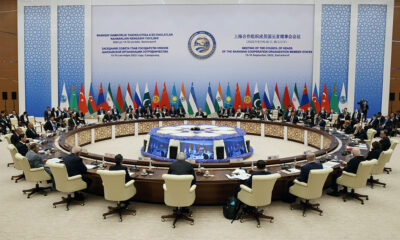
SCO summit to be held without confirmed Afghan invitation
-

 Sport5 days ago
Afghanistan squad announced for three-match T20I series against India
-

 Latest News5 days ago
Former US ambassador says Washington could eventually reopen embassy in Kabul
-
 Regional5 days ago
Iran says new sanctions threatened by ‘desperate’ US will fail
-
 Latest News5 days ago
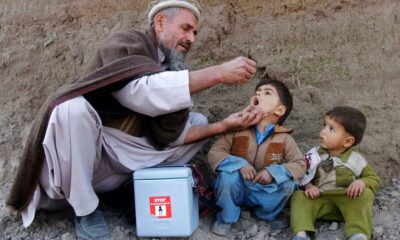
Afghanistan’s polio cases rise to 19 in 2026, WHO says
-

 Latest News4 days ago
First deportation flight to Haiti arrives as US ends temporary protected status
-
 Latest News2 days ago
Pakistan open to state-to-state dialogue with Afghanistan on terrorism