
Latest News
Yaqoob Mujahid: Pakistan blames Afghanistan to mask its own security failures

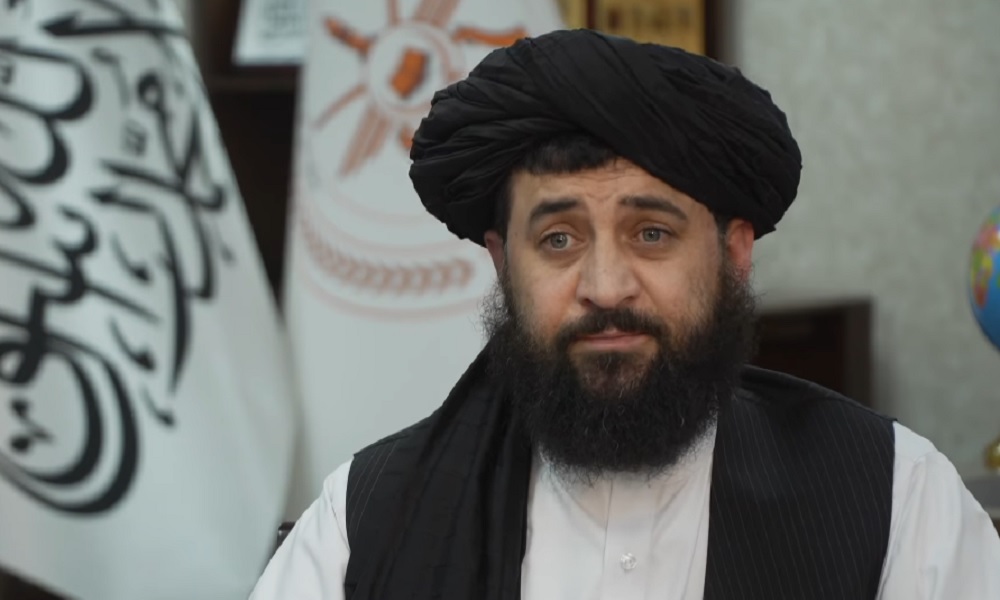
Mohammad Yaqoob Mujahid, Acting Defense Minister of the Islamic Emirate of Afghanistan, has accused Pakistan of deflecting blame onto Afghanistan to hide weaknesses within its own security forces.
In an interview with the BBC, Mujahid stressed that attacks in Pakistan occur “hundreds of kilometers beyond the Durand Line” and bear no direct connection to Afghanistan.
He stated: “If they (militants from groups like Tehrik-i-Taliban Pakistan (TTP) and Baloch separatists) cross into Pakistan from Afghanistan and travel deep inside Pakistani territory, why aren’t they stopped there? The failure to do so exposes the weaknesses of Pakistan’s security apparatus. Instead of addressing this, Pakistan unjustly accuses Afghanistan.”
Mujahid urged both sides to move beyond mutual accusations and propaganda, emphasizing the need for honest dialogue and cooperation to develop effective solutions.
“Rather than blaming each other, it is better to acknowledge the reality, work together, and devise solid plans to resolve these challenges.”
He also voiced concern over the current strained relations between Kabul and Islamabad, warning that ongoing tensions serve neither country’s interests.
“We never want relations with Pakistan to remain tense. Such animosity benefits neither Pakistan nor Afghanistan. We always try to maintain good cooperation with them in every matter and respect the rights of neighbors. Unfortunately, our relations are not as normal as they should be. I am not happy with this situation and hope we can have positive relations and find solutions to existing challenges,” he said.
Pakistani authorities have repeatedly alleged that attacks inside their country are orchestrated by militants based in Afghanistan.

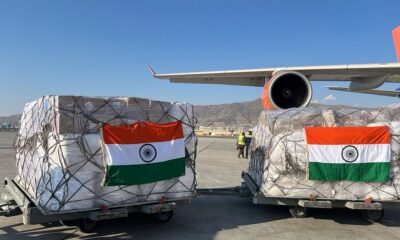




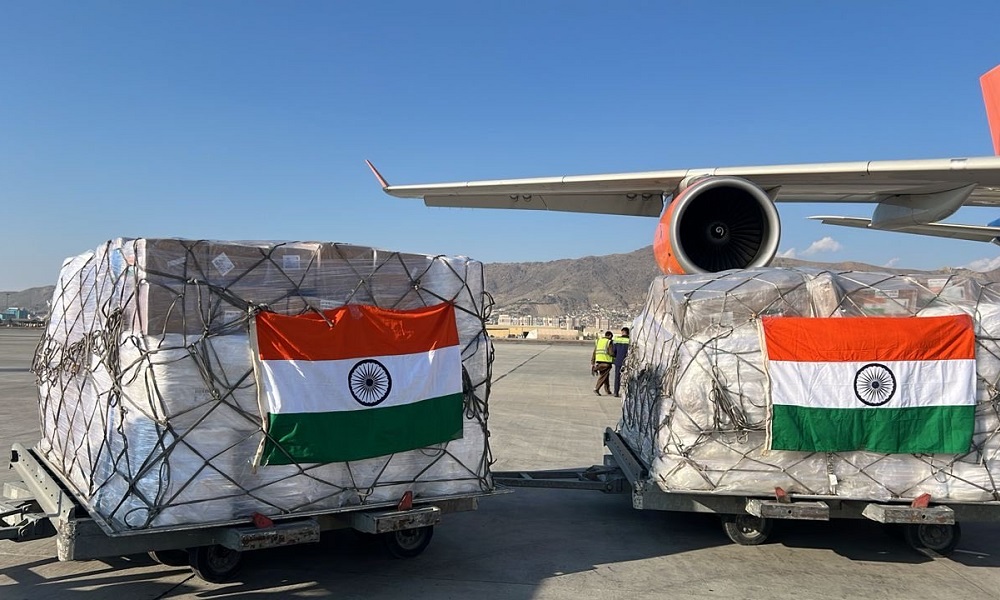
Randhir Jaiswal, spokesperson for India’s Ministry of External Affairs, announced on Friday that a 2.5-ton consignment, including emergency medicines, medical disposables, kits, and equipment has been delivered to Kabul.
According to him, the aid shipment is intended to support the swift recovery of those injured in the recent airstrike by Pakistan’s military regime.
He emphasized that India stands with the people of Afghanistan and will continue to provide all possible humanitarian assistance.
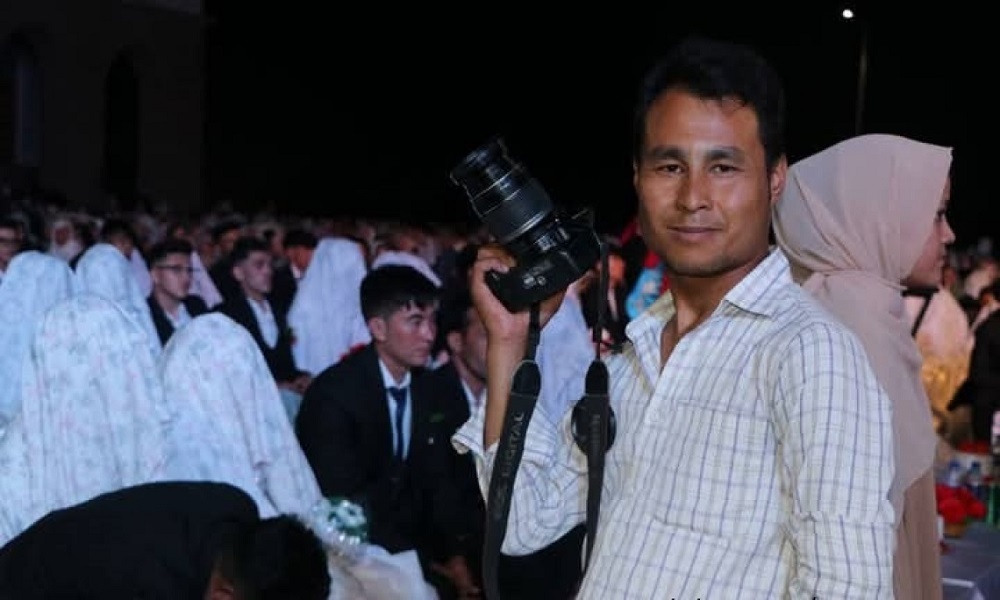
The Afghanistan Journalists Center (AFJC) has announced that Mahdi Ansary, a reporter for the Afghan News Agency (AFKA), has been released after serving one and a half years in Bagram prison.
In a statement welcoming his release, AFJC emphasized that the fundamental rights of this journalist—who had been tried and imprisoned on charges of cooperating with exiled and foreign media—were “seriously” violated.
Ansari was arrested on October 5, 2023, after returning from his workplace in Kabul.
He was sentenced on January 1, 2024 by the Kabul Primary Court to one and a half years in prison on charges of “propaganda against the Islamic Emirate.”
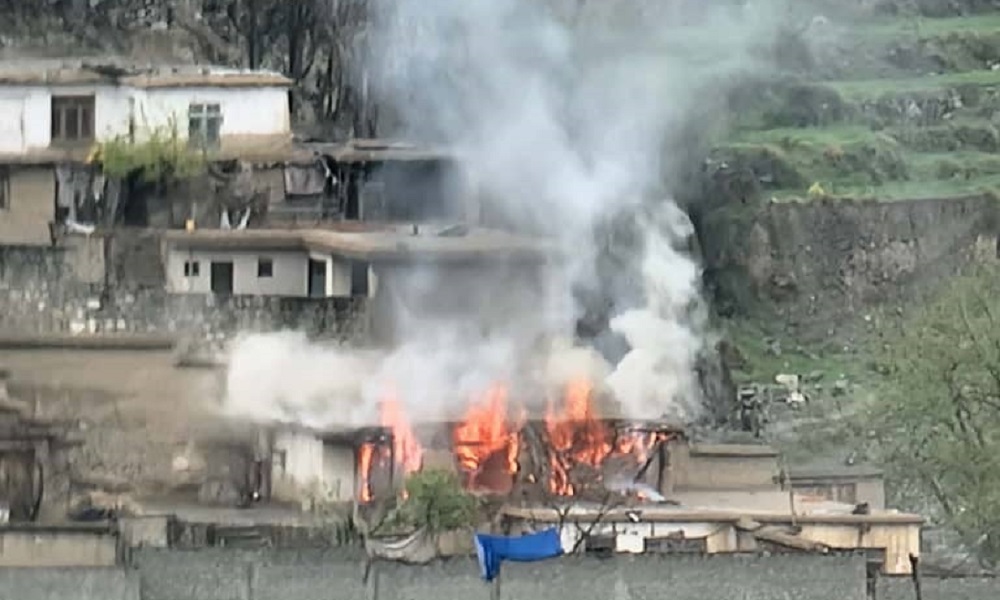
Farid Dehqan, spokesperson for the Khas Kunar police command, said that rocket attacks by the Pakistani military regime are still ongoing in the province.
These attacks come despite earlier announcements by the Pakistani military of a temporary ceasefire for Eid.


India sends 2.5-ton medical shipment to Afghanistan

Trump compares Iran strikes to Pearl Harbor in meeting with Japan’s leader

Afghanistan national buzkashi falls short in Kokpar World Championship semifinals

Mahdi Ansary, local journalist, released from prison

Pakistan’s rocket attacks still ongoing on Nari district, Kunar

Pakistani military jet downed in Afghanistan’s Jalalabad, pilot captured alive

Afghan Air Force conducts airstrikes in Islamabad, other cities

Afghanistan welcomes investment and technology partnerships with India

Prominent Muslim scholar issues fatwa calling for Afghanistan-Pakistan ceasefire

Afghan air force strikes key Pakistani military installations in retaliatory operation

Tahawol: Temporary ceasefire draws broad support

Saar: Emphasis on resolving conflicts through diplomacy

Tahawol: Global reactions to Pakistan’s recent attacks discussed

Saar: Consequences of Pakistani airstrikes on Afghans discussed

Tahawol: Pakistan’s new attacks on Kabul hospital discussed
-
 Latest News4 days ago
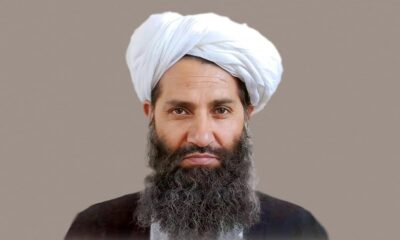
IEA Supreme Leader issues Eid-ul-Fitr message urging unity and support for Islamic system
-

 Business4 days ago
Turkmenistan, Afghanistan discuss steps to speed up land acquisition for TAPI pipeline
-

 Latest News2 days ago
IEA announces temporary pause in defensive operations against Pakistan for Eid
-
 Latest News2 days ago
Pakistan opposes normal Afghanistan–India relations: Shaheen
-
 Sport3 days ago
Afghanistan national buzkashi team defeats Hungary 14–0
-

 Latest News4 days ago
CAIR-Texas calls for probe after Afghan refugee dies in ICE custody
-
 Latest News4 days ago
IEA condemns alleged airstrike by Pakistan on drug treatment hospital in Kabul
-
 Latest News3 days ago
Afghanistan warns Pakistan of ‘teeth-breaking’ response after deadly Kabul bombing