
امارت اسلامی برای ثبات افغانی استفاده از پولهای خارجی را ممنوع کرد

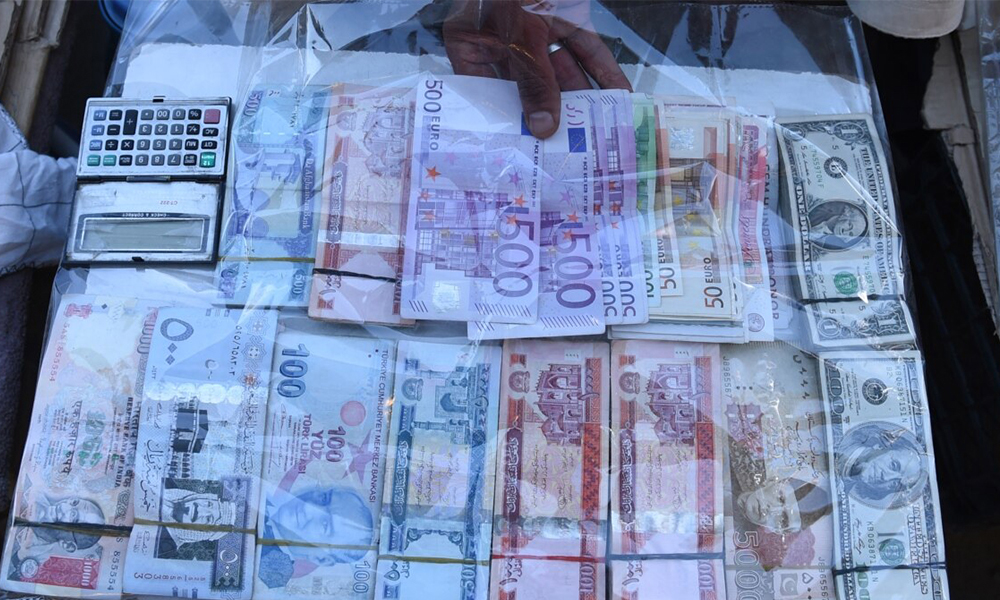
بدنبال افزایش بی پیشینه ارزش دالر در برابر پول افغانی امارت اسلامی استفاده از پول خارجی در معاملات تجارتی را ممنوع اعلام کرد.
عبدالسلام حنفی، معاون رییس الوزرا، که مسوول مدیریت اوضاع تعین شده است میگوید که بزودی وضیعت کنونی تغیر خواهد کرد.
او در این باره گفت:” ما به کسی اجازه نمی دهیم که در افغانستان خود سری کند. ما به عالمان دین، مقامهای محلی و نیروهای امنیتی دستور دادیم که در افغانستان بدون افغانی بانکنوتهای دیگر کشورها را اجازه ندهد.”
این مقام حکومت هشدار میدهد که با قاچاقبران دالر و کسانی که احتکار میکنند برخورد جدی صورت خواهد گرفت.
هرچند که کشور با مشکلات جدی اقتصادی دست و پنجه نرم میکند، اما حکومت میگوید که عاید ملی کشور بلند رفته و تلاشها برای بهبودی اوضاع سیاسی و اقتصادی جریان دارد.
این درحالی که بدلیل افزایش بهای دالر در کشور، نرخ مواد اولیه بشدت افزایش یافته و شهروندان توان خرید را از دست داده اند.
از سوی دیگر، ملا عبدالغنی برادر معاون اول رییس الوزاری امارت اسلامی از یک نمایشگاه فرآوردههای داخلی در کابل دایدار کرده و هشدار داده که گرسنگی در افغانستان چالشهای را به منطقه وجهان خلق خواهد کرد.
ملا برادر جامعه جهانی را از بهر اینکه در برابر تصمیم امریکا مبنی بر منجمد کردن پولهای افغانستان سکوت کرده به شدت انتقاد میکند.
ملابرادر گفت:”چیزی که امریکا کرده چرا دنیا به آن دیده نمی تواند، پیسه از اشرف بود و یا از ملت بود، امریکا چرا این طور کرد، دنیا چرا برایش چیزی نمی گوید که این پول ملت است و باید پس گردانده شود.”
او هم چنان در مورد به رسمیت شناختن دولت جدید افغانستان میگوید که جهان دنبال هدفهای ویژه در این مورد است اما امارت اسلامی متعهد به منافع ملی افغانستان
ملا برادر افزود:” ما از جامعه جهانی میخواهیم که امارت اسلامی افغانستان را به رسمیت بشناسد و سرمایه منجمد شده افغانستان را آزاد کند تا مشکلات موجود را حل کنیم.”
کاخ سفید میگوید که آزاد سازی پولهای منجمد شده افغانستان روی میز واشنگتن نیست.

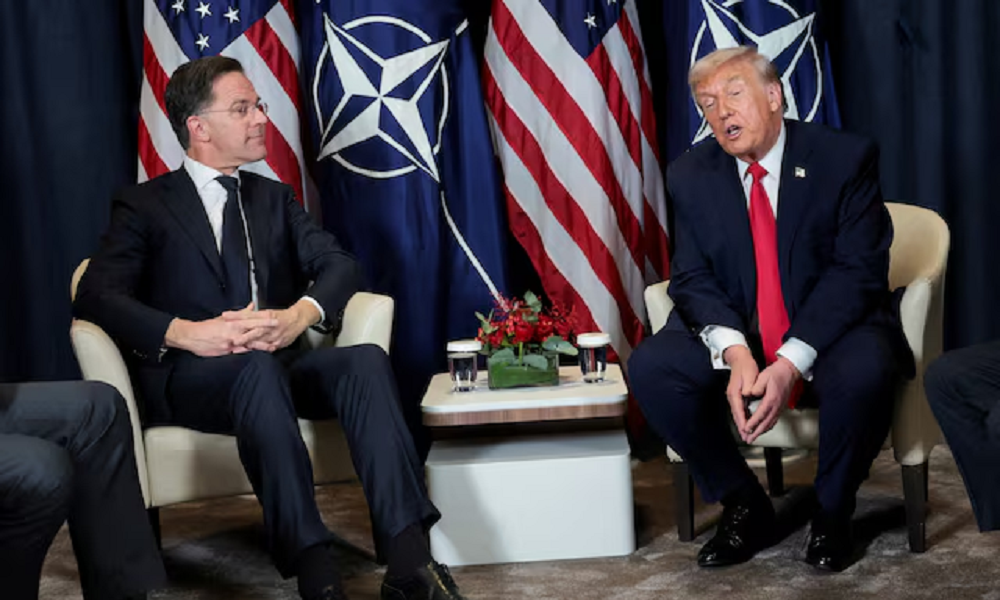
Mark Rutte has urged NATO capitals to consider rapid commitments to help secure the Strait of Hormuz, after US President Donald Trump signaled he wants concrete support within days.
Reuters reported that Rutte briefed several allied governments following a meeting with Trump in Washington on Wednesday, held against the backdrop of mounting tensions within NATO over the conflict with Iran.
Diplomats said frustration is growing in Washington, but some allies have pushed back, noting they were not consulted before or after the outbreak of hostilities.
While NATO as an alliance is not expected to take a direct role in military action against Iran, there is willingness among member states to explore longer-term measures to safeguard shipping through Hormuz, particularly as diplomatic efforts with Tehran continue.
Trump has repeatedly criticized NATO, describing it as ineffective and warning he could reconsider U.S. membership in the 32-country alliance. He has also argued that European allies have relied too heavily on American security guarantees while offering insufficient backing for the U.S.-Israeli campaign targeting Iran.
Although Trump announced earlier this week that strikes on Iran would pause under a two-week ceasefire, tensions have persisted.
Following his meeting with Rutte, Trump wrote on social media that NATO had failed to support the United States when needed and would likely do so again.
Rutte, who has cultivated a reputation in Europe for maintaining open lines with Trump, acknowledged the U.S. president’s dissatisfaction in a CNN interview, saying he could understand Washington’s concerns about burden-sharing within the alliance.
Meanwhile, early-stage international efforts are underway to address the situation in Hormuz. Britain is leading discussions among roughly 40 countries on a combined military and diplomatic approach to reopen and protect the vital shipping route. Emmanuel Macron said about 15 nations are considering steps to help restore maritime traffic.
However, officials caution that progress is likely to be slow. France’s foreign minister Jean-Noël Barrot said the strait cannot fully reopen without a durable agreement between Washington and Tehran.
Britain and Italy have also rejected suggestions from Iran that it could impose transit fees on vessels crossing the waterway.
Diplomats say discussions on Hormuz are proceeding separately from the recent White House talks, with European governments balancing the urgency expressed by Washington against the need for broader political conditions to stabilize the region.
“We understand the urgency from the U.S. side,” one diplomat said. “But the priority is not simply to respond to Washington — it is to ensure the right conditions are in place for a sustainable solution.”
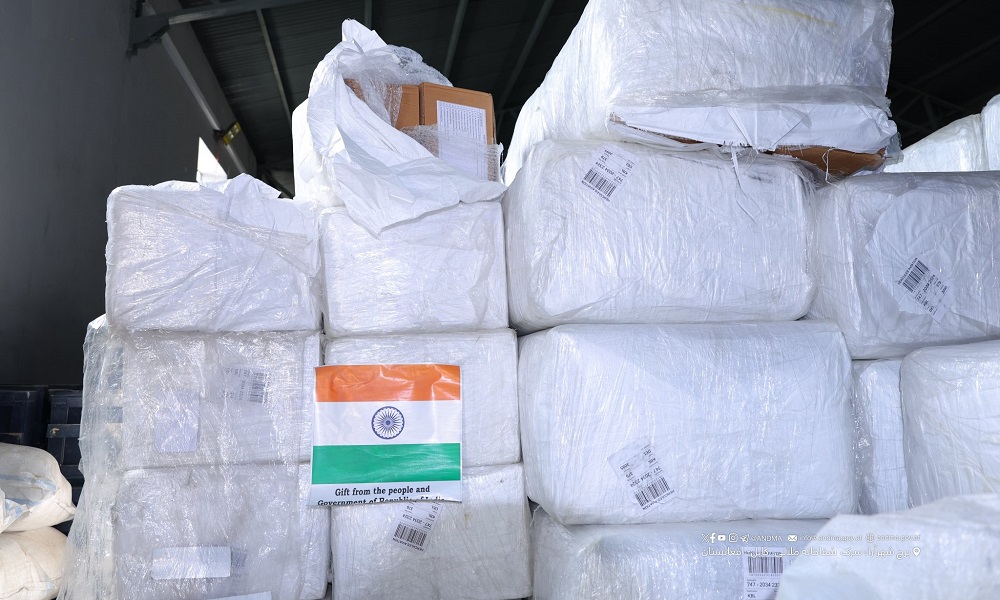
India has delivered three tons of humanitarian assistance to Afghanistan to support families impacted by recent flooding, the Afghanistan National Disaster Management Authority (ANDMA) said on Thursday.
Officials confirmed the aid shipment was received the same day and includes essential relief items such as 300 medical kits, 50 kitchen sets, 495 blankets, and 165 tarpaulins.
ANDMA expressed appreciation for India’s continued humanitarian support, noting that the assistance will help address urgent needs in flood-affected areas.
The authority added that a formal assessment is underway and that the aid will be distributed in a transparent and equitable manner to the most affected and vulnerable families.
Flooding has repeatedly affected several regions of Afghanistan, leaving communities in need of immediate relief and longer-term recovery support.
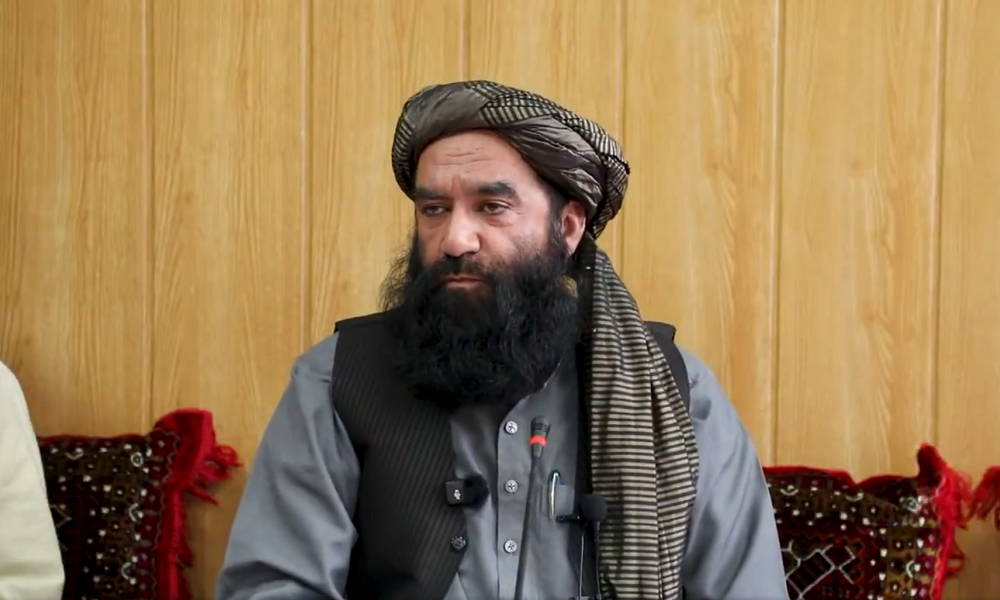
Noorullah Noori, Afghanistan’s Minister of Borders, Ethnic Affairs and Tribes, says the barbed-wire fencing along the disputed Durand Line is viewed by Afghans as a wire placed on the chest of the nation, stressing that Afghans will never accept a foreign barrier imposed on their land.
Noori made the remarks during a meeting with a number of political analysts, tribal elders and university professors at his office, where he emphasized that Afghanistan does not recognize an official border with Pakistan and that this position has been clearly communicated on multiple occasions.
Speaking at the gathering, the minister said the current governing system has emerged from among the people and that public cooperation and support have played a key role in reaching this stage.
He added that the system belongs to all Afghans and that all citizens of the country are treated equally. According to him, since the Islamic Emirate came to power, thousands of tribal and local disputes across the country have been resolved, and serious measures have been taken to safeguard the country’s borders.
Meanwhile, Mohammad Ali Jan Ahmad, Deputy Minister for Jirgas and Tribal Coordination at the ministry, said one of the most important factors behind the success of any society and political system is intellectual and ideological unity among the people.
He noted that such unity exists among the Afghan nation.
During the meeting, political analysts and tribal elders also emphasized the importance of unity and solidarity with the current system, stating that the people of Afghanistan will stand alongside the country’s security and defense forces to protect the nation and its territorial integrity.


Rutte presses NATO allies as Trump demands concrete support over Hormuz

India sends 3 tons of humanitarian aid to flood-affected families in Afghanistan

Afghans will never accept Durand Line fencing, says Borders Minister

Afghanistan faces economic strains following a ‘series of shocks’ last year

NATO chief says Trump frustrated by allies’ stance on Iran conflict

IEA Supreme Leader issues Eid-ul-Fitr message urging unity and support for Islamic system

14 Pakistani soldiers killed after military post falls along Durand line: MoD

IEA supreme leader orders replacement of foreign terminology in official documents

Afghan airstrikes target Pakistani military sites in retaliation for air attacks

Turkmenistan, Afghanistan discuss steps to speed up land acquisition for TAPI pipeline

Tahawol: Two‑week truce agreement between Iran-US reviewed

Saar: US–Iran two-week ceasefire agreement discussed

Tahawol: Ongoing negotiations between Kabul-Islamabad discussed

Saar: Afghanistan in spotlight of SCO discussed

Tahawol: Continuation of Middle East crisis discussed
-
 Latest News4 days ago
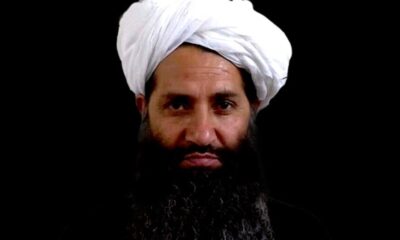
IEA supreme leader orders replacement of foreign terminology in official documents
-
 Latest News4 days ago
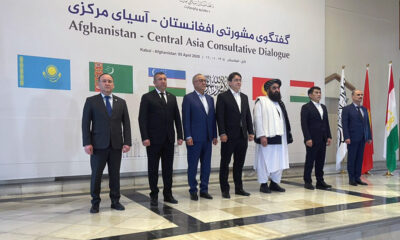
Afghanistan hosts inaugural Afghanistan–Central Asia Consultative Dialogue to strengthen regional cooperation
-
 Latest News5 days ago
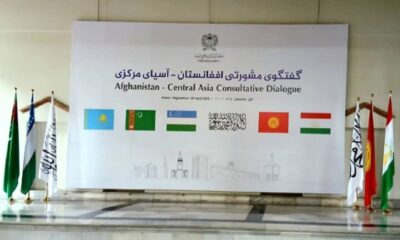
Kabul to host ‘Afghanistan–Central Asia Consultative Dialogue’ tomorrow
-
 Latest News4 days ago
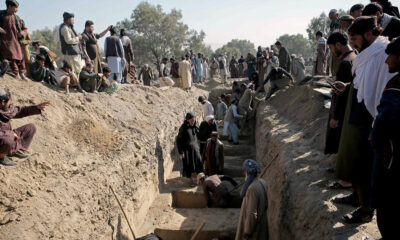
IEA accuses Pakistan of war crimes amid heavy civilian losses
-
 World4 days ago
US rescues 2nd F-15 pilot hit above Iran: Trump
-
 Saar5 days ago
Saar: Ongoing Kabul-Islamabad talks in China discussed
-
 Latest News2 days ago
China seeking to build trust between Afghanistan and Pakistan
-
 Regional4 days ago
Iran claims it shot down US C-130 support aircraft in Isfahan