
امارت اسلامی برای ثبات افغانی استفاده از پولهای خارجی را ممنوع کرد

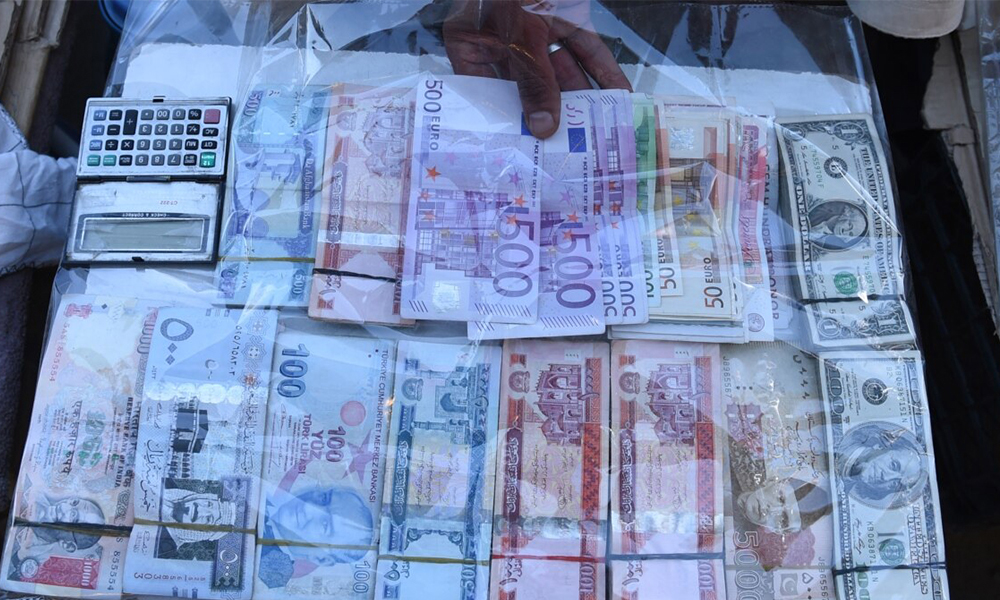
بدنبال افزایش بی پیشینه ارزش دالر در برابر پول افغانی امارت اسلامی استفاده از پول خارجی در معاملات تجارتی را ممنوع اعلام کرد.
عبدالسلام حنفی، معاون رییس الوزرا، که مسوول مدیریت اوضاع تعین شده است میگوید که بزودی وضیعت کنونی تغیر خواهد کرد.
او در این باره گفت:” ما به کسی اجازه نمی دهیم که در افغانستان خود سری کند. ما به عالمان دین، مقامهای محلی و نیروهای امنیتی دستور دادیم که در افغانستان بدون افغانی بانکنوتهای دیگر کشورها را اجازه ندهد.”
این مقام حکومت هشدار میدهد که با قاچاقبران دالر و کسانی که احتکار میکنند برخورد جدی صورت خواهد گرفت.
هرچند که کشور با مشکلات جدی اقتصادی دست و پنجه نرم میکند، اما حکومت میگوید که عاید ملی کشور بلند رفته و تلاشها برای بهبودی اوضاع سیاسی و اقتصادی جریان دارد.
این درحالی که بدلیل افزایش بهای دالر در کشور، نرخ مواد اولیه بشدت افزایش یافته و شهروندان توان خرید را از دست داده اند.
از سوی دیگر، ملا عبدالغنی برادر معاون اول رییس الوزاری امارت اسلامی از یک نمایشگاه فرآوردههای داخلی در کابل دایدار کرده و هشدار داده که گرسنگی در افغانستان چالشهای را به منطقه وجهان خلق خواهد کرد.
ملا برادر جامعه جهانی را از بهر اینکه در برابر تصمیم امریکا مبنی بر منجمد کردن پولهای افغانستان سکوت کرده به شدت انتقاد میکند.
ملابرادر گفت:”چیزی که امریکا کرده چرا دنیا به آن دیده نمی تواند، پیسه از اشرف بود و یا از ملت بود، امریکا چرا این طور کرد، دنیا چرا برایش چیزی نمی گوید که این پول ملت است و باید پس گردانده شود.”
او هم چنان در مورد به رسمیت شناختن دولت جدید افغانستان میگوید که جهان دنبال هدفهای ویژه در این مورد است اما امارت اسلامی متعهد به منافع ملی افغانستان
ملا برادر افزود:” ما از جامعه جهانی میخواهیم که امارت اسلامی افغانستان را به رسمیت بشناسد و سرمایه منجمد شده افغانستان را آزاد کند تا مشکلات موجود را حل کنیم.”
کاخ سفید میگوید که آزاد سازی پولهای منجمد شده افغانستان روی میز واشنگتن نیست.

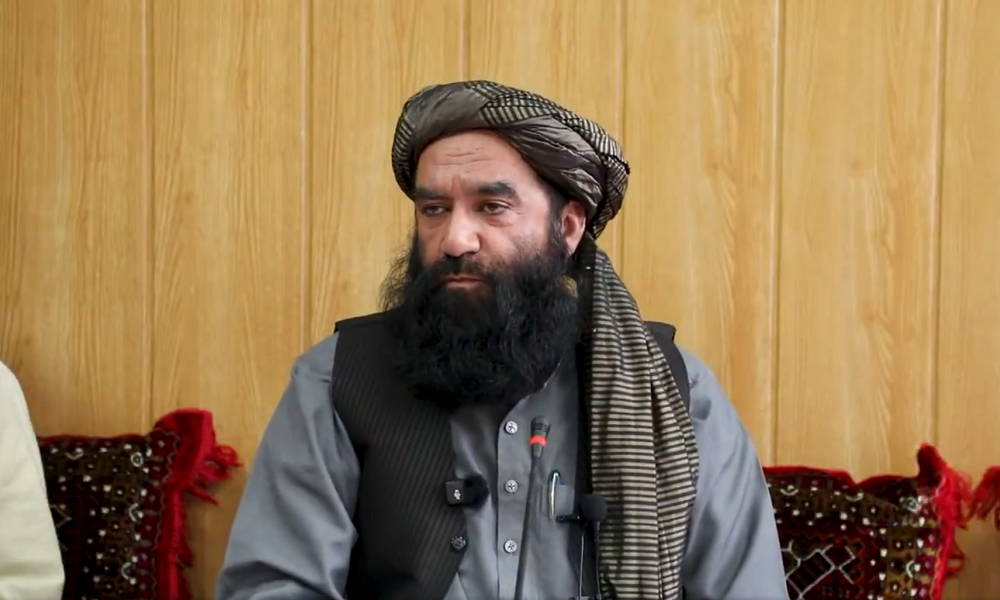
Noorullah Noori, Afghanistan’s Minister of Borders, Ethnic Affairs and Tribes, says the barbed-wire fencing along the disputed Durand Line is viewed by Afghans as a wire placed on the chest of the nation, stressing that Afghans will never accept a foreign barrier imposed on their land.
Noori made the remarks during a meeting with a number of political analysts, tribal elders and university professors at his office, where he emphasized that Afghanistan does not recognize an official border with Pakistan and that this position has been clearly communicated on multiple occasions.
Speaking at the gathering, the minister said the current governing system has emerged from among the people and that public cooperation and support have played a key role in reaching this stage.
He added that the system belongs to all Afghans and that all citizens of the country are treated equally. According to him, since the Islamic Emirate came to power, thousands of tribal and local disputes across the country have been resolved, and serious measures have been taken to safeguard the country’s borders.
Meanwhile, Mohammad Ali Jan Ahmad, Deputy Minister for Jirgas and Tribal Coordination at the ministry, said one of the most important factors behind the success of any society and political system is intellectual and ideological unity among the people.
He noted that such unity exists among the Afghan nation.
During the meeting, political analysts and tribal elders also emphasized the importance of unity and solidarity with the current system, stating that the people of Afghanistan will stand alongside the country’s security and defense forces to protect the nation and its territorial integrity.
Afghanistan faces economic strains following a ‘series of shocks’ last year
These pressures have driven an estimated 11 percent population increase in the fiscal year 2025, largely due to returning migrants, the World Bank stated.
Afghanistan’s fragile economy is grappling with a series of shocks that intensified in 2025, according to a World Bank economic update report released on Wednesday.
The report noted that Afghanistan has been hit by reduced foreign aid, prolonged crossing closures along the disputed Durand Line with Pakistan, natural disasters, and a significant return of refugees from Iran and Pakistan.
These pressures have driven an estimated 11 percent population increase in the fiscal year 2025, largely due to returning migrants, the World Bank stated.
While Afghanistan’s aggregate GDP grew by around 4.8 percent last year, reflecting a rebound in nonagricultural activity and private consumption, the growth has not kept pace with population expansion. As such, per capita GDP contracted by 5.6 percent, as rising inflation and higher trade and transport costs eroded living standards.
“The influx of returnees has temporarily boosted domestic demand, but also places additional strain on labor markets, housing, and social services,” the report noted.
Looking ahead, Afghanistan’s economy is projected to grow by 4.0 percent in 2026, driven by strengthening domestic demand, higher private investment, and improved absorption of returnees into the workforce. However, the report warns that ongoing conflict in the Middle East and disruptions to trade routes, particularly the 60 percent of Afghan trade that passes through Iran, pose significant risks.
“Border closures or sudden surges in returnees could further depress per capita incomes and fuel inflation,” the World Bank said. Trade rerouting may mitigate some effects, but the country remains vulnerable to regional instability.
Despite these challenges, analysts highlight that modest growth and ongoing private-sector activity offer some hope for recovery. The World Bank emphasizes that sustained economic resilience will depend on peace, stable trade corridors, and the ability to productively integrate returning populations into the labor market.
Afghanistan’s experience underscores the broader regional pressures in the Middle East, North Africa, Afghanistan, and Pakistan (MENAAP), where conflict and humanitarian crises continue to ripple through economies, affecting inflation, trade, and social stability.
World
NATO chief says Trump frustrated by allies’ stance on Iran conflict
Speaking after a closed-door meeting with Donald Trump, Rutte described the discussions as ‘very frank and open’.
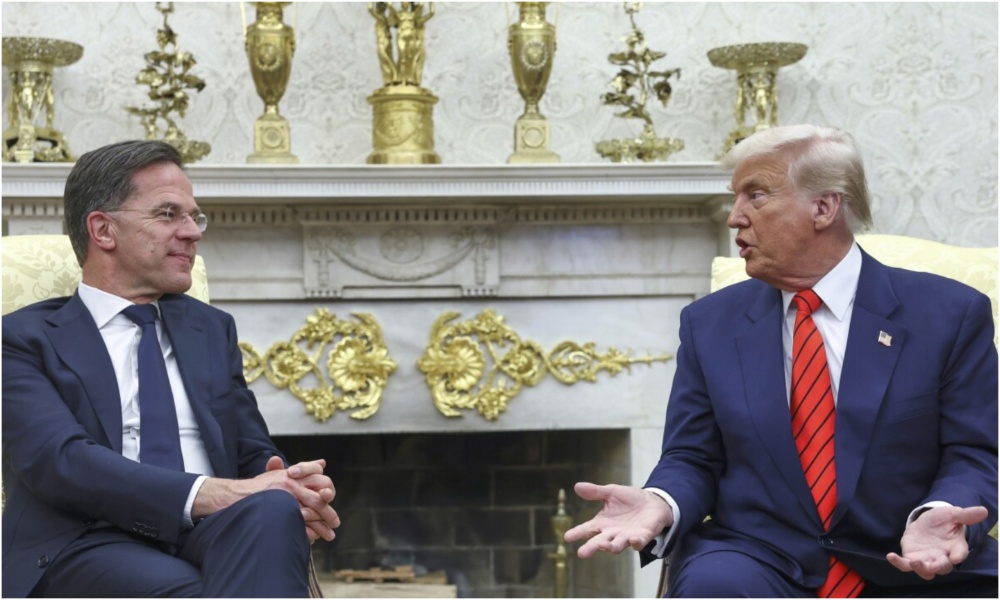
NATO Secretary General Mark Rutte has said Donald Trump was “clearly disappointed” that key U.S. allies declined to join Washington’s military campaign against Iran, following talks in Washington.
Speaking after a closed-door meeting with Trump, Rutte described the discussions as “very frank and open,” but stopped short of confirming whether the U.S. president directly raised the possibility of withdrawing from NATO.
The meeting came at a sensitive time, just a day after the United States and Iran agreed to a temporary ceasefire aimed at easing tensions and ensuring the reopening of the Strait of Hormuz, a critical global oil route.
In recent weeks, Trump has sharply criticised NATO, calling the alliance ineffective and expressing frustration that member states did not support U.S. efforts during the Iran conflict. His comments have fuelled renewed uncertainty about Washington’s long-term commitment to the alliance.
Rutte acknowledged Trump’s concerns, saying the U.S. leader had been candid about his views on the response of allies. However, he emphasised that the relationship remains important and complex.
Tensions have also been heightened by disagreements over military cooperation. Some NATO countries declined to provide direct support for U.S. operations or limited access to airspace and facilities, reflecting broader divisions within the alliance over how to respond to the conflict.
Despite the differences, NATO remains bound by its core principle of collective defence, under which an attack on one member is considered an attack on all. The provision has only been invoked once, following the September 11 attacks in 2001.
Senior U.S. officials have indicated that the administration continues to review its approach to NATO. White House press secretary Karoline Leavitt confirmed that Trump has discussed the alliance’s future, while lawmakers have urged caution.
Senator Mitch McConnell defended NATO’s role, noting that allied forces had previously supported the United States in conflicts in Afghanistan and Iraq. He warned against damaging relationships with long-standing partners.
Meanwhile, US Secretary of State Marco Rubio held separate talks with Rutte, focusing on the Iran conflict, efforts to end the war in Ukraine, and coordination within NATO.
The alliance has faced growing strain over the past year, particularly as the United States reassesses its military commitments abroad. Trump has also increased pressure on allies to take greater responsibility for regional security, including protecting key trade routes such as the Strait of Hormuz.
As diplomatic efforts continue, differences between Washington and its allies highlight ongoing challenges within NATO at a time of heightened global tensions.


Afghans will never accept Durand Line fencing, says Borders Minister

Afghanistan faces economic strains following a ‘series of shocks’ last year

NATO chief says Trump frustrated by allies’ stance on Iran conflict

CSTO claims security risks from Afghanistan remain high

IPL 2026: Gujarat Titans edge Delhi Capitals in last-ball thriller

IEA Supreme Leader issues Eid-ul-Fitr message urging unity and support for Islamic system

14 Pakistani soldiers killed after military post falls along Durand line: MoD

IEA supreme leader orders replacement of foreign terminology in official documents

Afghan airstrikes target Pakistani military sites in retaliation for air attacks

Turkmenistan, Afghanistan discuss steps to speed up land acquisition for TAPI pipeline

Tahawol: Two‑week truce agreement between Iran-US reviewed

Saar: US–Iran two-week ceasefire agreement discussed

Tahawol: Ongoing negotiations between Kabul-Islamabad discussed

Saar: Afghanistan in spotlight of SCO discussed

Tahawol: Continuation of Middle East crisis discussed
-
 Latest News4 days ago
IEA supreme leader orders replacement of foreign terminology in official documents
-
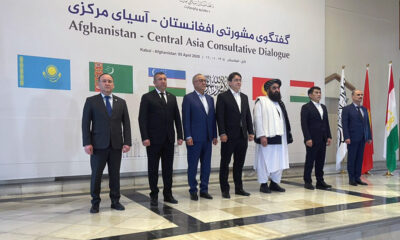
 Latest News4 days ago
Afghanistan hosts inaugural Afghanistan–Central Asia Consultative Dialogue to strengthen regional cooperation
-
 Latest News4 days ago
IEA accuses Pakistan of war crimes amid heavy civilian losses
-
 Latest News5 days ago
Kabul to host ‘Afghanistan–Central Asia Consultative Dialogue’ tomorrow
-
 World4 days ago
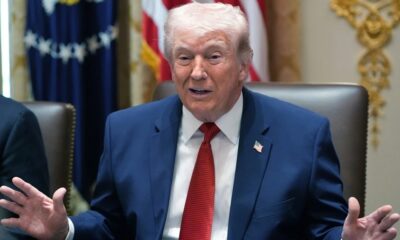
US rescues 2nd F-15 pilot hit above Iran: Trump
-
 Saar5 days ago
Saar: Ongoing Kabul-Islamabad talks in China discussed
-
 Latest News2 days ago
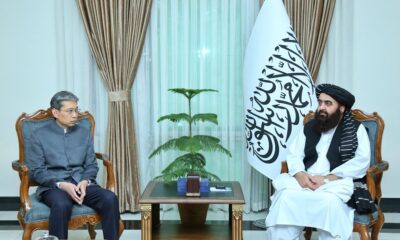
China seeking to build trust between Afghanistan and Pakistan
-
 Latest News3 days ago
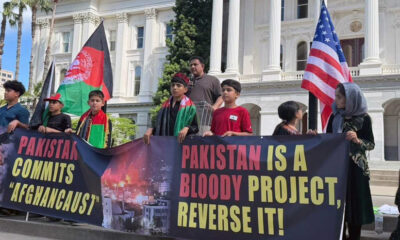
Afghan community in California condemns Pakistani strikes amid growing global protests