
Latest News
Pakistani Army, Quetta Shura Design Taliban’s Programs: Saleh

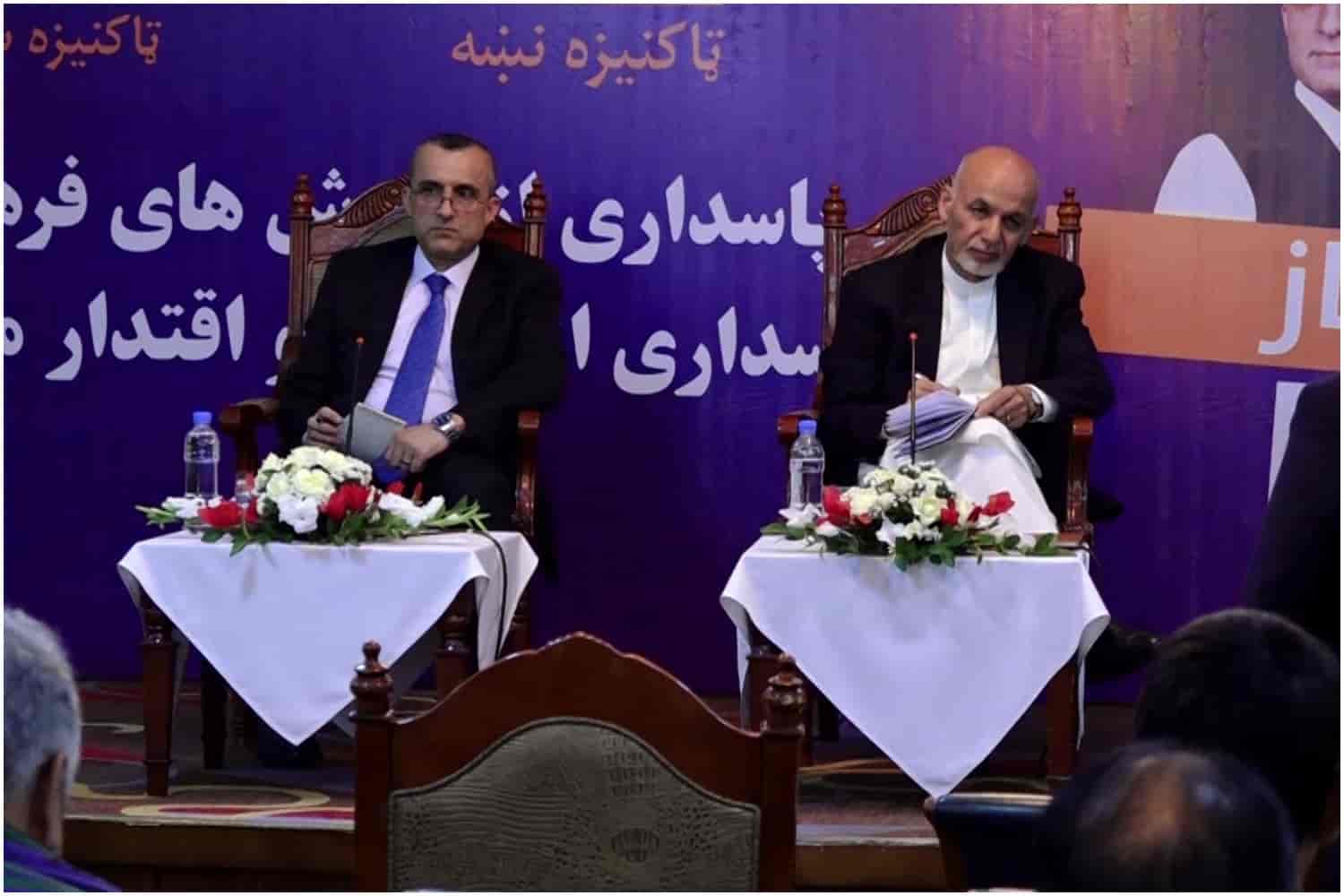
 Pakistan’s army and the Quetta Shura are designing programs for the Taliban insurgent group, a senior member of Ashraf Ghani’s State-Builder team said on Saturday.
Amrullah Saleh, the former chief of Afghan intelligence agency and first Vice President of Ashraf Ghani’s electoral ticket said that the Taliban are not independent to launch direct talks with the Afghan government.
Saleh added that the militants are fighting against the people of Afghanistan and has no achievement for the people except killing and destruction.
“Taliban are fighting with us and they deny to negotiate. They are labeling us with false accusations while a secular army is supporting them. An army who does not believe in Islam and are using Islam as a tool. We do not have any problem to discuss Emirate or Republic but Taliban is afraid to discuss,” Saleh said while speaking during a campaign event in Kabul.
He added that Pakistan’s army is the brain of the Taliban and the Quetta Shura is the tongue of the Taliban.
Saleh emphasized that Taliban has never built a mosque, a school or a road for the people during the last 25 years.
“Taliban is the first group in the history of humans that emphasize on the omission policy and reject the involvement policy. They want to destroy an open environment and would like a close government system,” he stated.
At the same event, President Ghani said that he will not accept any deal over security forces for the sake of peace.
“Afghan security forces have always defended our country. I would like to clarify one thing that there will be no deal over Afghan security forces in peace talks,” Ghani said.
Meanwhile, he said that the Afghan government prefers a peace that preserves the achievements of the last 18 years including the Afghan constitution and the people’s rights.









Latest News
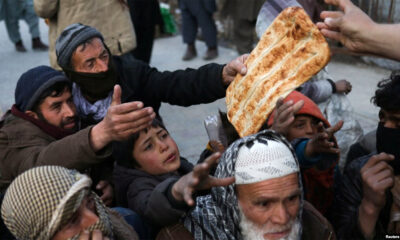
Aid agencies launch operation to assist conflict-affected communities in Nuristan
Humanitarian agencies said they are continuing to work closely with local communities to ensure aid reaches those most in need.
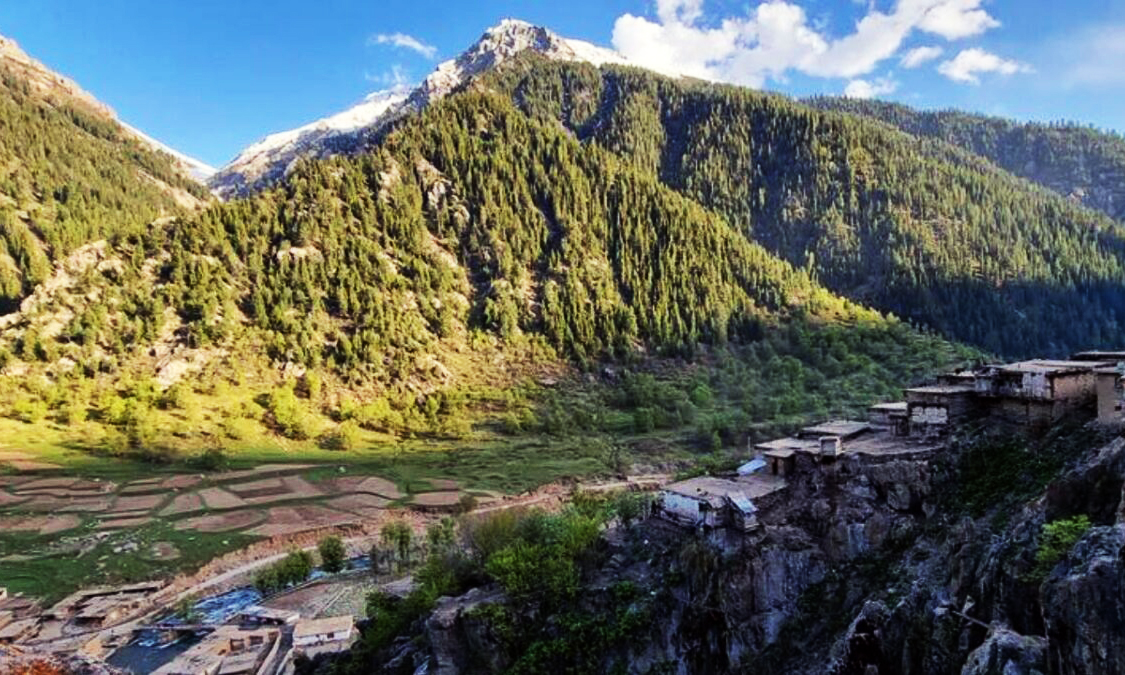
Humanitarian organisations have begun a multi-day operation to deliver urgently needed assistance to communities in eastern Nuristan Province, where ongoing conflict has left thousands without access to basic services for more than six weeks.
The effort is being coordinated by the International Committee of the Red Cross (ICRC), the Afghan Red Crescent Society (ARCS) and the World Food Programme (WFP), working together to reach previously inaccessible areas.
According to humanitarian agencies, around 136,000 people — representing roughly 17,000 households — in the districts of Kamdesh District and Barg-e-Matal District have faced severe shortages of food, healthcare and essential household items due to insecurity and restricted access over the past two months.
Since early April, aid organisations have engaged in ongoing dialogue with all parties to the conflict to secure safe and unimpeded access for neutral humanitarian operations. Following these discussions, delivery of assistance has now begun.
Initial efforts are focused on distributing food, medical supplies and other essential relief items. The reopening of access routes into Nuristan has also allowed markets to gradually restock, while medical evacuations have resumed.
Humanitarian agencies said they are continuing to work closely with local communities to ensure aid reaches those most in need. Early assessments indicate that significant needs remain, particularly in food security, healthcare and basic services.
The organisations involved reaffirmed their commitment to operating under principles of neutrality, independence and impartiality, and called for continued cooperation from all parties to ensure sustained access to vulnerable populations.
International Sports
IPL 2026: Mumbai Indians crush Gujarat Titans by 99 runs
The match was defined by a sensational innings from Tilak Varma, who struck an unbeaten 101 off just 45 deliveries to power Mumbai to a commanding total.
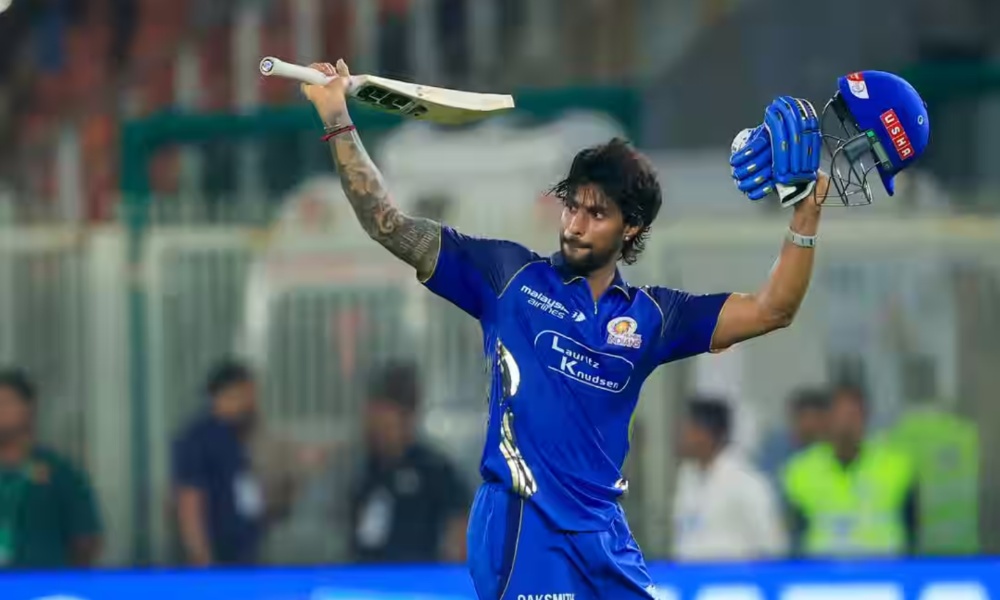
Mumbai Indians returned to winning ways in emphatic fashion on Monday, defeating Gujarat Titans by 99 runs in a dominant Indian Premier League encounter at the Narendra Modi Stadium.
The match was defined by a sensational innings from Tilak Varma, who struck an unbeaten 101 off just 45 deliveries to power Mumbai to a commanding total. The left-hander’s maiden IPL century came at a crucial time for his side, lifting them out of a recent slump with a display of clean, aggressive hitting that dismantled the Gujarat bowling attack.
After a steady start, Varma accelerated sharply through the middle and death overs, finding boundaries with ease and maintaining a high strike rate to push Mumbai well beyond Gujarat’s reach.
In reply, Gujarat Titans faltered under scoreboard pressure. Their batting lineup failed to build partnerships as Mumbai’s bowlers tightened control early on. Ashwani Kumar led the charge with the ball, claiming four wickets in a disciplined spell that ensured the hosts never threatened the target.
Gujarat were eventually bowled out well short, handing Mumbai one of their most convincing wins of the season and snapping a four-match losing streak.
The result provides a timely boost for Mumbai Indians as the tournament enters a critical phase, while Gujarat Titans will be left searching for answers after a heavy defeat on home soil.
Attention now turns to Tuesday’s IPL fixture, where Sunrisers Hyderabad take on Delhi Capitals. Hyderabad will be aiming to continue their strong run of form, while Delhi are looking to secure an important victory to improve their standing in the competition.
All IPL matches are being broadcast live and exclusively in Afghanistan on Ariana Television, providing fans nationwide with comprehensive coverage of the tournament.
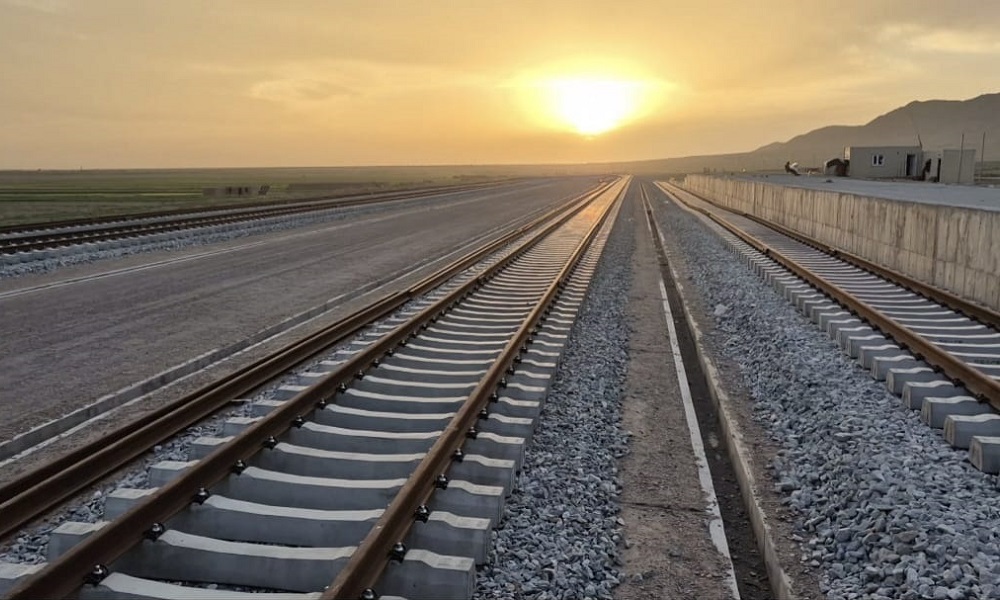
Noor Ahmad Islamjar has said construction of the Robat Paryan railway station in Herat Province is progressing steadily and is expected to be completed in the near future.
During an inspection of operations along the Khaf–Herat railway line, the governor visited the Robat Paryan station project and reviewed work across different sections, according to a statement from his office.
Islamjar provided guidance to project officials and called for efforts to accelerate implementation, the statement said.
He noted that the station is being built to international standards and added that, once completed, the railway line will be extended to Robat Paryan.
Project officials, meanwhile, said work is being expedited and expressed confidence that the station will soon become operational.


Aid agencies launch operation to assist conflict-affected communities in Nuristan

IPL 2026: Mumbai Indians crush Gujarat Titans by 99 runs

Afghanistan, Uzbekistan and Kyrgyzstan agree on framework to boost trade and transit

Trump: New deal with Iran will be better than old one

Tahawol: Pakistan’s failed efforts to impose war in Afghanistan discussed

IEA supreme leader orders replacement of foreign terminology in official documents

Russia deems US military presence in Afghanistan unacceptable

Afghanistan hosts inaugural Afghanistan–Central Asia Consultative Dialogue to strengthen regional cooperation

TAPI gas pipeline advances 25 km in Afghanistan

Afghani strengthens nearly 10% against US dollar amid banking sector reforms
Tahawol: Pakistan’s failed efforts to impose war in Afghanistan discussed

Saar: Demand for the country’s exports to Iran discussed

Tahawol: Fragile ceasefire between Iran and US discussed

Saar: Fate of Kabul–Islamabad talks in China reviewed

Tahawol: Reasons behind re-blocking of Strait of Hormuz discussed
-
 Business4 days ago
Afghanistan moves toward self-sufficiency in car battery production
-
 Latest News2 days ago
Afghanistan launches media platform to improve access to information
-

 Regional4 days ago
China steps up Iran diplomacy while seeking smooth summit with Trump
-
 Business4 days ago
Uzbekistan launches exchange-based trade system with Afghanistan to boost bilateral commerce
-
 Latest News3 days ago
Afghanistan to airlift 30,000 pilgrims to Saudi Arabia in 96 flights for Hajj 2026
-

 Regional3 days ago
Ships crossing Hormuz need OK from IRGC, unfreezing funds part of deal, Iran official says
-
 Business3 days ago
Afghan commerce minister highlights trade trust and market stability at Antalya Forum
-
 Latest News3 days ago
Afghanistan and Russia discuss expansion of banking cooperation in Moscow meeting