
Latest News
IEA supreme leader issues Eid ul-Adha message

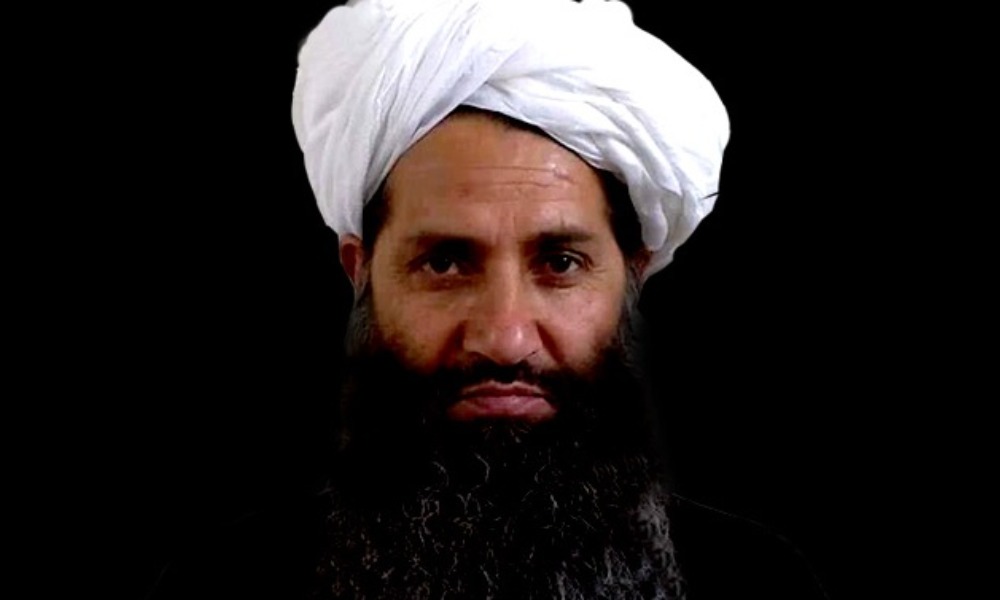
The Islamic Emirate of Afghanistan’s (IEA) supreme leader Mawlawi Hibatullah Akhundzada issued his Eid ul-Adha message on Sunday and wished all Muslims in the country and around the world a “very happy Eid”.
In his message he said under the IEA, an Islamic system has been established in the country, Islamic Sharia law has been implemented and concrete steps have been taken to strengthen religious centers.
“Reforms are underway in law-making, governance, judiciary, economy, culture and other related fields. These are the goals and values for which we have fought and made great sacrifices,” he said.
He also stated that “at the national level, the independence of Afghanistan has been restored once again, brotherhood and national unity have been strengthened, all kinds of prejudices such as race, language and region have been eliminated, the territorial integrity of the country has been preserved and all borders are strictly defended and protected.
“Afghanistan’s national assets, such as customs and revenues, mines, state land, forests and other common assets have been taken from powerful individuals and now being protected as state assets,” he said.
He also said: “Under the rule of the Islamic Emirate, concrete measures have been taken to save women from many traditional oppressions, including forced marriages and their Sharia rights have been protected. Moreover, necessary steps have been taken for the betterment of women as half of the society in order to provide them with a comfortable and prosperous life according to the Islamic Sharia.
“The negative aspects of the past 20-year occupation related to women’s Hijab and misguidance will end soon. By issuing the six-article decree on women’s rights, the status of women as a free and dignified human being has been restored and all institutions have been obliged to help women in securing marriage, inheritance and other rights,” he said.
He said “the great duty of vice and virtue is being carried out. Necessary measures have been taken according to the Islamic principles, due to which the society is improving day by day and the evildoers are about to disappear.”
Akhundzada also stated that Afghanistan “has become economically self-sufficient,” but called on investors to “play a constructive role in the development of the country”.
He called on Afghans with money to help the needy and said scholars, clerics and community elders need to take an active role in educating professional beggars and encouraging them to work.
Listing other achievements, he pointed out achievements made in eradicating poppy cultivation, and in treating drug addicts.
He said after the establishment of a special commission for the restitution of state land usurped by individuals, “hundreds of thousands of acres of state land have been identified and freed from [land] grabbers.”
According to him, the IEA wants good political and economic relations with the world, especially with Islamic countries. “Just as we do not interfere in the internal affairs of other countries, in the same way we do not allow others to interfere in our internal affairs.”






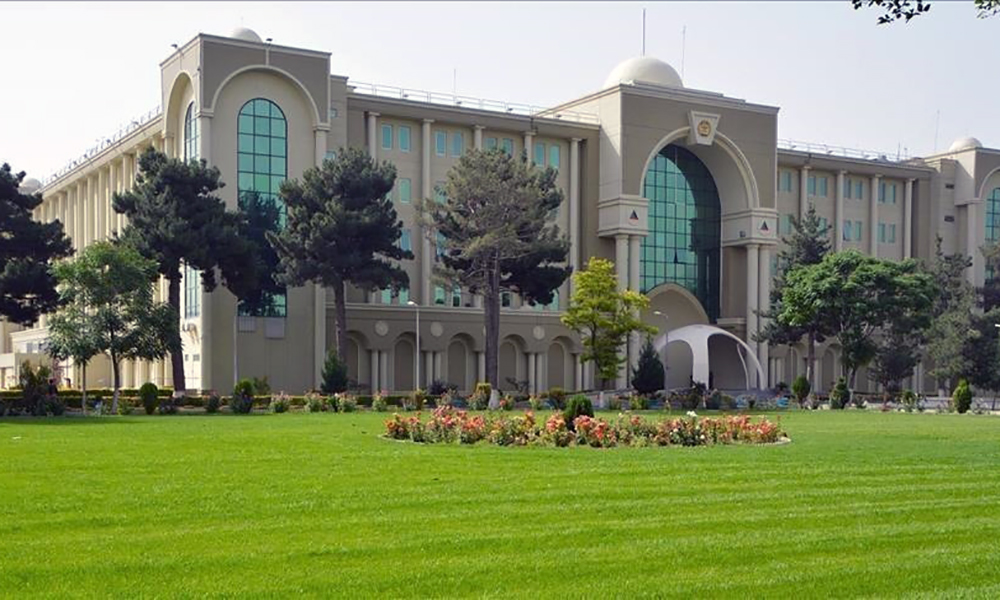
Afghanistan’s Ministry of Defense says a Pakistani military post near Spin Boldak was targeted and destroyed after Pakistani forces opened fire toward Afghanistan.
Ministry spokesperson Enayatullah Khwarazmi said in a post on X that Afghan forces suffered no casualties or damage in the clash.
Khwarazmi also rejected claims made by the Pakistani side about the incident, describing them as “propaganda.”
Latest News
Mujahid: Pakistan attacking Afghanistan to evade Mecca Pact responsibilities
He warned that the Islamic Emirate would give an “appropriate response” to what he called the Pakistani military regime’s “bullying.”
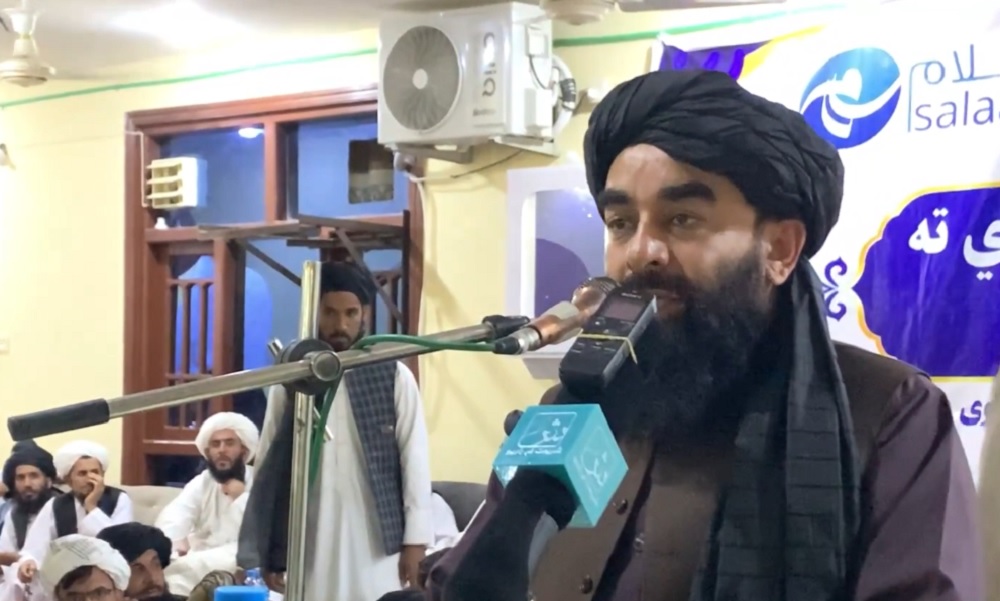
Islamic Emirate spokesperson Zabihullah Mujahid has accused Pakistan of carrying out attacks on Afghanistan to divert attention from its domestic problems and to evade responsibilities under the “Mecca Pact.”
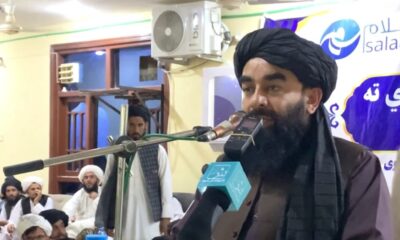
Speaking at a religious seminary in Kandahar, Mujahid said Pakistan was facing political and economic challenges at home and was using attacks on Afghanistan to shift public attention away from protests and its internal problems.
“Pakistan, by violating the territory of its neighboring Islamic country, wants to divert attention from its failures,” he said.
Mujahid also criticized Pakistan’s political situation, claiming that political space had been restricted and that freedoms guaranteed under the country’s laws were not being allowed.
He said Pakistan’s economic problems had also increased significantly and accused the country of seeking to distract the public from those problems by engaging in conflict with Afghanistan.
Mujahid further accused Pakistan’s military leadership of putting the Pakistani people at risk through what he described as its “false position.”
He warned that the Islamic Emirate would give an “appropriate response” to what he called the Pakistani military regime’s “bullying.”
His remarks followed Pakistani airstrikes on Kandahar, Paktia and Khost provinces on Thursday, which Afghan authorities said killed four civilians.
The strikes came three days after attacks on Kunar and Paktika provinces, in which Afghan authorities said three civilians were killed.
Latest News
Kabul rejects U.S. claim that meth seized in Pakistan was of Afghan origin
Balkhi said the Islamic Emirate of Afghanistan (IEA) has imposed an absolute ban on the production, trafficking and use of all types of narcotics in Afghanistan.
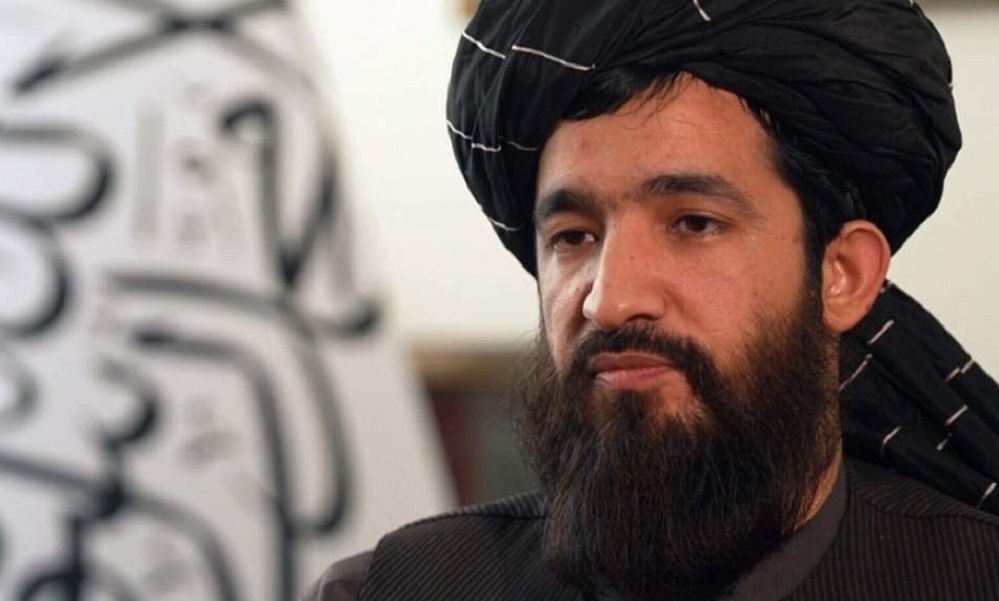
Afghanistan’s Foreign Ministry spokesperson Abdul Qahar Balkhi has rejected a U.S. claim that 463 kilograms of synthetic drugs seized in Pakistan were of Afghan origin, calling the attribution “unfounded and politically motivated.”
Balkhi said the U.S. Embassy in Islamabad should investigate the origin of the seized drugs in Pakistan rather than attributing them to Afghanistan.
“The attribution by the U.S. Embassy in Islamabad of the synthetic drugs bound for Sri Lanka and intercepted in Pakistan through joint U.S.-Pakistani efforts as ‘Afghan-origin’ is an unfounded and politically motivated allegation,” Balkhi said.
He said the Islamic Emirate of Afghanistan (IEA) has imposed an absolute ban on the production, trafficking and use of all types of narcotics in Afghanistan.
Balkhi also claimed that following the ban in Afghanistan, the cultivation, production and trafficking of narcotics have increased “on the other side of the Durand Line.”
He further argued that Afghanistan does not have the capacity to produce synthetic drugs and said crossing points along the Durand Line have been completely closed to all movement for nearly a year.
His remarks came after the U.S. Embassy in Islamabad said U.S. and Pakistani anti-narcotics authorities had seized 463 kilograms of crystal methamphetamine worth an estimated $21 million and bound for Sri Lanka.
The embassy said the operation led to multiple arrests and highlighted ongoing U.S. cooperation and training with Pakistani authorities to disrupt international drug-trafficking networks.


Exclusive interview with Abdul Latif Mansoor, Minister of MRRD

Sorkh Poshan Khafi rout Istiqlal Kabul 6-0 in ACL season six

Tawsia: Overview of Afghanistan’s iron mines

Afghanistan Champions League: Arman FC and Aino Mina play out goalless draw

Afghanistan says Pakistani military post destroyed near Spin Boldak

Saudi energy group signs major Afghanistan deals covering gas exploration and pipeline plans

ATN secures exclusive rights to broadcast T20I series in India across Afghanistan

Trump floats idea of renaming Atlantic or Pacific Ocean

US hits Egyptian bank branches with Iran sanctions as war marks six months

Nepal flood rescue mission enters critical phase as thousands remain missing
Exclusive interview with Abdul Latif Mansoor, Minister of MRRD
Tawsia: Overview of Afghanistan’s iron mines

Tahawol: Discussion on fresh Pakistani airstrikes on Afghanistan

Saar: Calls for international support for Afghanistan discussed

Tahawol: Opening of the 81st UN General Assembly Session
-
 Sport4 days ago
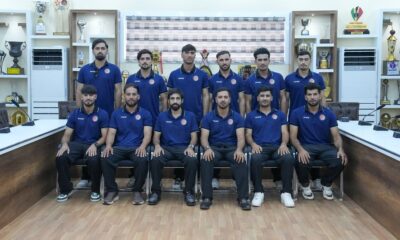
Afghanistan to face Japan and Nepal in Asian Games cricket group stage
-
 Regional5 days ago
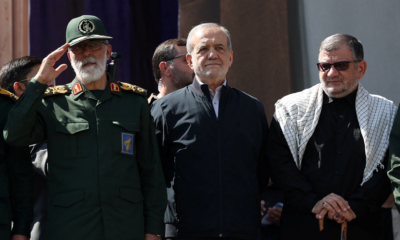
Iran and US trade threats after Houthi attacks escalate regional conflict
-

 World4 days ago
CNN, MS NOW and Politico sue Trump, challenging White House ban
-
 Health4 days ago
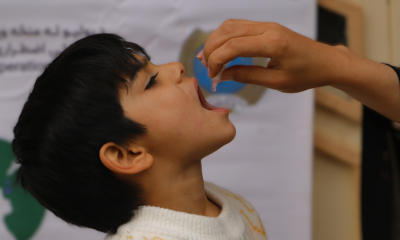
Four-day polio vaccination campaign begins across Afghanistan
-

 Latest News4 days ago
UN reiterates call for respect for international law after Kunar airstrikes
-
 Latest News4 days ago
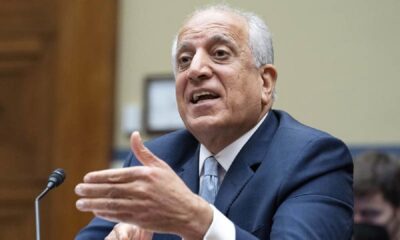
Khalilzad condemns Pakistan airstrikes, says current strategy is not working
-

 Latest News2 days ago
Ariana Afghan Airlines ranks seventh among 45 Central Asian airlines
-

 Latest News4 days ago
Afghan Official: Pakistan’s airstrikes will not go unanswered